
Sprinter Van Plumbing Setup: Your Effortless Dream
Sprinter Van Plumbing Setup: Your Effortless Dream
Setting up a reliable plumbing system in your Sprinter van is achievable and doesn’t have to be complicated. This guide breaks down the essential components, planning steps, and installation process for a functional and leak-free water system, transforming your van into a mobile haven. We’ll cover everything from water tanks to fixtures, making your dream build a reality.
So, you’re dreaming of life on the road in your Sprinter van, complete with all the comforts of home? A working plumbing system is key to that dream! Many envision endless hot showers and easy access to fresh water, but the reality of setting up a van’s plumbing can seem daunting. Leaks, freeze-ups, and insufficient water supply can quickly turn a dream into a frustrating reality. But don’t worry, it’s entirely manageable with the right approach. This guide is designed to demystify the process. We’ll walk you through each step, from choosing the right components to ensuring a watertight and efficient system, making your Sprinter van plumbing setup effortless. Let’s dive in and make that mobile living dream a flowing reality.
Frequently Asked Questions About Sprinter Van Plumbing
Is a Sprinter Van Plumbing System Complex to Install?
Not necessarily! While it involves several components, understanding the basic principles and using the right materials makes it a manageable DIY project. This guide aims to simplify it for beginners.
What are the Essential Components of a Sprinter Van Plumbing System?
The core components include fresh water tanks, a water pump, water heater, faucets/showers, a sink, drain lines, and a grey water tank. Sometimes a black water tank is also included for toilets.
How Much Water Do I Need to Carry in My Sprinter Van?
This depends on your usage. For solo travelers or couples on short trips, 20-30 gallons might suffice. For longer durations or families, 40-60 gallons or more is often recommended. Consider your typical water consumption habits.
Do I Need a Grey Water Tank for My Sprinter Van?
Yes, in most locations, it is illegal and environmentally irresponsible to dump grey water directly onto the ground. A grey water tank collects wastewater from sinks and showers, which you’ll later dispose of at designated facilities.
Can I Use Standard Household Plumbing Fittings in My Sprinter Van?
While some basic fittings might be adaptable, it’s best to use materials specifically designed for RV or van plumbing. These are often more flexible, vibration-resistant, and designed for smaller spaces and lower pressures. PEX tubing is a popular choice.
How Do I Prevent My Sprinter Van Plumbing from Freezing?
Insulating water tanks, pipes, and water lines is crucial. For colder climates, consider heated hoses, insulated tanks, or the ability to winterize your system by draining all water and using antifreeze.
What’s the Difference Between Grey Water and Black Water?
Grey water comes from sinks (kitchen, bathroom) and showers. It doesn’t contain human waste. Black water comes from toilets and can contain human waste, pathogens, and toilet paper, requiring more careful handling and disposal.
The Foundation: Planning Your Sprinter Van Plumbing Setup

Before you even think about pipes and pumps, success in any Sprinter van plumbing setup hinges on meticulous planning. This isn’t just about where the water will go; it’s about how much you’ll need, where you’ll store it, how you’ll power it, and how you’ll dispose of wastewater responsibly. A well-thought-out plan prevents costly mistakes and ensures your system meets your van life needs seamlessly.
Consider your lifestyle. Are you a weekend warrior who relies on campgrounds, or are you aiming for off-grid boondocking? Your water usage will vary dramatically. Think about essential needs: drinking water, cooking, washing dishes, personal hygiene, and perhaps even an outdoor shower. These considerations directly impact the size of your fresh water tank, grey water tank, and the type of water heater you’ll need.
Lifestyle Assessment: Usage and Needs
Start by honestly evaluating how you’ll use your van and its plumbing system. This is the bedrock of your design. Ask yourself:
- How many people will regularly use the system?
- What is your typical travel pattern (campgrounds vs. boondocking)?
- What are your non-negotiable plumbing features (e.g., hot shower, flushing toilet)?
- How much water do you estimate using daily for drinking, cooking, and hygiene?
- What is your proposed budget for the plumbing system?
For instance, a couple who primarily camps with campground hookups might need minimal on-board storage and a simpler faucet setup. Conversely, a family planning extended off-grid expeditions will require larger tanks, a robust pump, a more efficient water heater, and potentially a more complex grey water management system.
Water Source and Storage: Fresh Water Tank Considerations
Your fresh water tank is the heart of your water supply. Choosing the right size and type is crucial. For Sprinter vans, space is premium, so tank dimensions often dictate capacity. Typical capacities range from 20 to 60 gallons, with larger tanks requiring more space and potentially impacting vehicle weight distribution.
Material Matters: Most fresh water tanks are made from food-grade, BPA-free polyethylene plastic. This material is durable, lightweight, and safe for potable water. Ensure any tank you purchase is certified for drinking water.
Placement is Key: Install your fresh water tank in a location that balances accessibility for filling and maintenance with optimal weight distribution. Underneath the van, in a spare tire well, or within a cabinet are common spots. Always ensure the tank is securely mounted to prevent movement during transit, which can cause damage and safety hazards.
Grey and Black Water Management: Responsible Disposal
Most van builds will require a grey water tank to collect wastewater from sinks and showers. This water is not potable but still needs proper disposal to comply with environmental regulations. Never drain grey water onto the ground, especially in natural areas or urban environments. Designated dump stations are your friend.
If you plan to install a toilet that flushes, you’ll also need a black water tank. These are typically much smaller and designed to hold human waste. They require more rigorous cleaning and more frequent disposal at specialized dump stations. Many van builders opt for composting toilets, which significantly reduces or eliminates the need for a black water tank, offering greater freedom.
Regulations: Be aware of local and national regulations regarding wastewater disposal in recreational vehicles. Agencies like the Environmental Protection Agency (EPA) provide guidelines on responsible waste management.
Water Pressure and Pump Selection
You won’t have municipal water pressure readily available in your Sprinter van, so a water pump is essential to deliver water to your fixtures. There are two main types:
- Diaphragm Pumps: These are the most common for RVs and vans. They are self-priming, can run dry for short periods, and deliver a consistent flow. Look for a pump with a flow rate of 2-4 gallons per minute (GPM) and sufficient pressure (around 40-60 PSI) for your needs.
- Shurflo vs. SEAFLO: Brands like Shurflo and SEAFLO are popular choices, known for their reliability and availability of parts.
Consider the power draw of the pump, as it will operate on your van’s 12V electrical system. A good quality pump will connect to your fresh water tank via an intake line and then to your hot and cold water distribution lines.
Water Heater Options
A hot shower or washing dishes with warm water significantly enhances comfort. You have several options for water heaters in a Sprinter van:
- Propane Tankless (On-Demand) Water Heaters: These are very popular for vans. They heat water only when you turn on a hot water tap, saving fuel and water. Brands like PrecisionTemp and Camplux are common. They require propane and a small amount of 12V power for the igniter and fan.
- Electric Water Heaters: These can be an option if you have a robust solar and battery system, but they draw a lot of power and are often inefficient for a van’s limited electrical capacity.
- Engine-Heated Systems: Some systems use the van’s engine coolant to preheat water while you drive, providing hot water upon arrival. These are excellent for reducing auxiliary fuel use.
The choice of water heater will depend on your power availability, fuel preferences (propane vs. electric), and how quickly you need hot water.
Essential Sprinter Van Plumbing Components
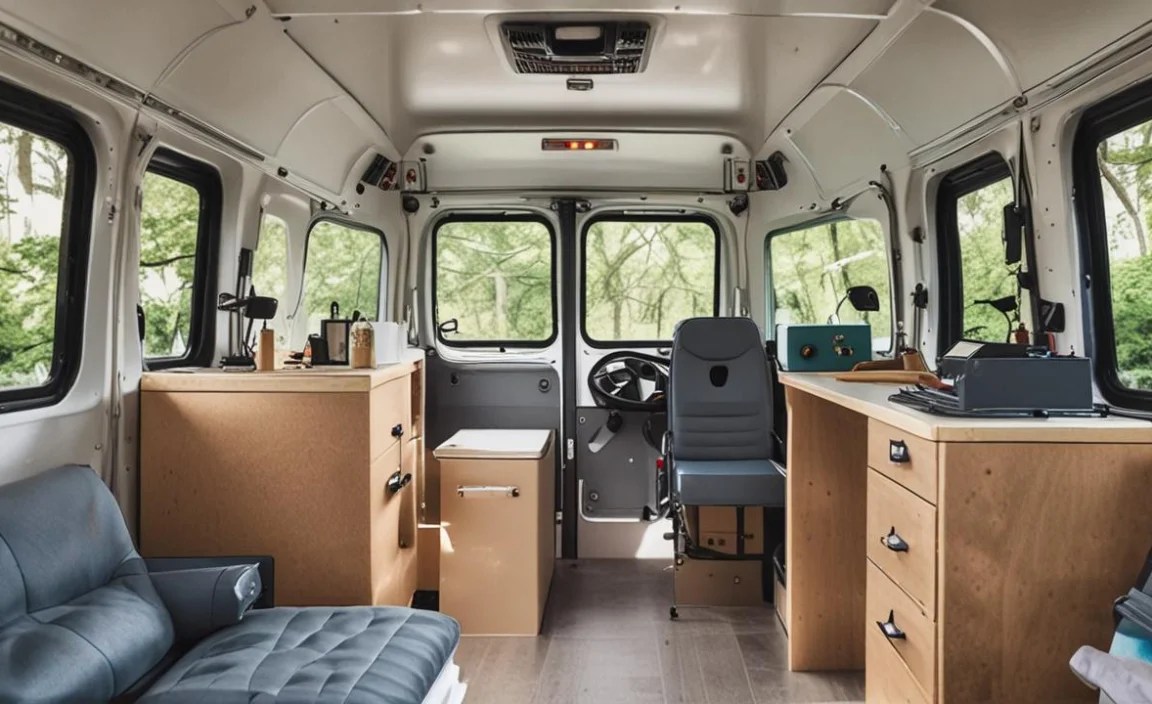
Now that you’ve planned your system, let’s look at the core components you’ll need to purchase and install. Choosing quality materials upfront will save you headaches down the road, ensuring a durable and leak-free setup.
Water Tanks: Fresh and Grey
Fresh Water Tank: As discussed, this holds your clean water supply. Ensure it’s food-grade. Size it based on your planned usage and available space. Many Sprinter owners opt for custom-fit tanks to maximize capacity within existing spaces like the frame rails. Online retailers like VanLife Outfitters or DIY Materials offer a variety of tank sizes and shapes.
Grey Water Tank: This tank collects wastewater. It does not need to be food-grade but should be durable and resistant to odor. The size typically matches your fresh water tank capacity or slightly less, depending on your usage patterns and dump station frequency.
Water Pump and Accumulator Tank
Water Pump: A 12V diaphragm water pump (e.g., Shurflo Trail King 7, 3 GPM, 50 PSI) is a standard choice. It draws water from your fresh tank and pressurizes the system. Ensure it’s designed for continuous duty or has a good duty cycle rating.
Accumulator Tank: While not strictly essential, an accumulator tank is highly recommended. It smooths out water pressure fluctuations, reduces pump cycling (saving energy and wear), and prevents those annoying bursts of water. It’s a small, pressurized tank installed in line after the pump. Resources for plumbing components can be found at RV supply stores or specialized online retailers like PEXUniverse.com.
Water Heater
Propane Tankless Water Heater: Examples like the PrecisionTemp RV-550 are popular for their efficiency and on-demand heating. They require a propane connection, exhaust vent, and a small electrical hookup. Proper ventilation is critical for safety.
Faucets and Sinks
RV/Marine Style Faucets: Choose faucets designed for RVs or marine use. These are typically lighter, more compact, and built to withstand vibration. They come in various styles, from basic utility faucets to more elegant pull-down models.
Sink: Stainless steel sinks are durable and easy to clean. Depth and basin size are key considerations based on your kitchen needs. Many van builders opt for smaller, single-basin stainless steel sinks.
Piping and Fittings
PEX Tubing: This is the gold standard for van plumbing. PEX (cross-linked polyethylene) is flexible, freeze-resistant (to a degree), easy to work with, and available in red (hot), blue (cold), and white (either). It requires special crimp or clamp fittings and a PEX tool.
Fittings: You’ll need a variety of PEX fittings: elbows, tees, adapters (e.g., to connect to your pump or fixtures), and shut-off valves. Ensure you buy barb fittings compatible with your PEX size (typically 1/2 inch for main lines).
Adapters: You’ll need adapters to transition from PEX to threaded connections on your pump, fixtures, and potentially tank fittings.
Water Filter (Optional but Recommended)
A good water filter, especially for drinking water, is highly recommended to ensure the quality of your water supply. Inline filters can be installed at the pump outlet or just before the faucet. For an off-grid setup, a sediment pre-filter followed by a carbon block filter is a common and effective combination.
Toilet Options (If Applicable)
Composting Toilet: Popular choices like the Nature’s Head or Separett require no black water tank and are environmentally friendly. They separate liquids and solids, reducing odor and simplifying disposal.
Cassette Toilet: These have a removable tank for waste that needs to be emptied manually at dump stations.
Step-by-Step Installation Guide: Bringing Your Plumbing to Life

With your components in hand and a solid plan, it’s time to begin the installation. Take your time, measure twice, and cut once. Using the correct tools and techniques will ensure a leak-proof system.
Step 1: Mounting Water Tanks
Securely mount your fresh water and grey water tanks. This often involves fabricating custom brackets or using pre-made mounting kits. Tanks must be firmly anchored to prevent shifting, especially the fresh water tank, which is crucial for weight balance. For tanks mounted externally, consider protection from road debris and the elements.
Step 2: Connecting Water Pump and Accumulator
Install the water pump, ensuring it’s accessible for maintenance. Connect the intake line from the fresh water tank to the pump’s inlet. Install the accumulator tank immediately after the pump’s outlet port. Use appropriate PEX adapters and clamps/crimps for all connections.
Step 3: Running PEX Lines
Plan the routing of your hot and cold PEX lines. Run them from the pump (cold) and water heater (hot) to each fixture (sink, shower). Use 1/2-inch PEX for main lines and consider 3/8-inch for shorter runs or less demanding fixtures if efficiency is a concern. Secure PEX tubing to the van’s structure using PEX clamps or zip ties to prevent rattling and chafing.
Important: Always install shut-off valves before each fixture and at strategic points in your system. This allows for easier maintenance and leak containment. A master shut-off valve near the pump is also a good idea.
Step 4: Installing Fixtures
Sink: Cut an appropriate opening in your countertop and install your sink. Ensure a good seal with silicone caulk. Connect the cold water PEX line to the faucet’s cold inlet and the hot water PEX line to the hot inlet.
Faucets: Follow the manufacturer’s instructions for installing faucets. Use plumber’s tape on threaded connections if applicable.
Shower: If you’re installing a shower, connect the hot and cold PEX lines to the shower valve and run the shower hose and head. Ensure your shower pan and wall system are watertight.
Step 5: Connecting Drain Lines
Install drain pipes (often slightly larger in diameter than water lines, e.g., 3/4 inch or 1 inch, depending on fixture) from your sink(s) and shower. These should slope downwards towards your grey water tank. Use appropriate fittings and sealants to ensure a watertight connection. Avoid sharp bends or dips where water can pool.
Connect the drain lines to your grey water tank. If using a toilet, connect its waste outlet to the black water tank or the appropriate venting for a composting toilet.
Step 6: Installing Fittings for Water Heater
Connect the cold water supply line from the pump to the water heater’s inlet and the hot water outlet from the heater to your hot water distribution line using appropriate PEX adapters. Follow the specific installation instructions for your chosen water heater model, paying close attention to propane lines, ventilation, and electrical connections.
Step 7: Testing for Leaks
This is arguably the most critical step.


