
Sprinter Van Emergency Kits: Ultimate Protection
Build the ultimate Sprinter Van emergency kit for ultimate peace of mind. Essential supplies cover survival, repairs, and safety, ensuring you’re ready for any roadside challenge or off-grid adventure with your Mercedes-Benz.
Traveling in a Sprinter van offers unparalleled freedom, whether you’re embarking on a grand cross-country tour or simply enjoying weekend getaways. As a Mercedes-Benz enthusiast and owner, you appreciate the reliability and capability of your van. However, even the most meticulously maintained vehicle can encounter unexpected situations. Car trouble, weather events, or simply getting off the beaten path can leave you in a bind. The good news? Being prepared is easier than you think. A well-stocked Sprinter Van emergency preparedness kit is your key to handling these moments with confidence, ensuring your journeys remain safe and enjoyable. This guide will walk you through creating the ultimate kit, covering everything from basic survival needs to essential van maintenance.
—
Why an Emergency Kit Matters for Your Sprinter

Your Sprinter van is more than just a vehicle; it’s your mobile home, your adventure base, and a significant investment. Ensuring its readiness for the unexpected is paramount for safety and security. A comprehensive emergency kit provides the tools and supplies needed to address minor breakdowns, stay comfortable if stranded, and signal for help. It transforms potential crises into manageable inconveniences, allowing you to continue your travels or get back on the road swiftly.
Key Benefits of a Preparedness Kit
- Enhanced Safety: Provides immediate solutions for medical needs or roadside visibility.
- Reduced Stress: Knowing you have what you need mitigates panic in stressful situations.
- Cost Savings: Minor repairs can often be handled yourself, avoiding expensive towing fees.
- Extended Independence: Especially crucial if you plan to travel to remote areas with limited services.
- Peace of Mind: The ultimate benefit is the assurance that you are ready for whatever comes your way.
Building Your Sprinter Van Emergency Kit: Step-by-Step

Creating an effective emergency kit doesn’t require specialized wilderness survival training. It’s about thoughtful selection and organization. We’ll break this down into essential categories to ensure no stone is left unturned.
Category 1: Safety and First Aid
This is the foundation of any emergency kit. You need to be able to protect yourself and address immediate medical concerns.
First Aid Essentials
- Comprehensive First Aid Kit: Look for a kit designed for vehicles or outdoor use. It should include bandages of various sizes, gauze pads, adhesive tape, antiseptic wipes, pain relievers, allergy medication, tweezers, scissors, and any personal prescription medications. Consider adding items like instant cold packs, eye wash, and burn cream.
- CPR Breathing Barrier: For providing respiratory assistance safely.
- Gloves: Non-latex disposable gloves for hygiene during treatment.
Vehicle Safety Tools
- Fire Extinguisher: A multi-purpose (ABC rated) fire extinguisher. Ensure it’s easily accessible and know how to operate it. Check its pressure gauge regularly. For reference, the National Fire Protection Association (NFPA) offers excellent guidance on fire safety.
- Reflective Triangles or Flares: To warn oncoming traffic of your stopped vehicle, especially at night or in low visibility. Place them a safe distance behind your van.
- Jumper Cables: Heavy-duty jumper cables are essential for jump-starting a dead battery. Ensure they are long enough to reach another vehicle easily.
- Tow Strap/Tow Rope: For pulling your van out of a ditch or mud, or for helping another vehicle. Ensure it has a sufficient weight rating for your Sprinter.
- Work Gloves: Durable gloves to protect your hands while working on the vehicle or handling rough materials.
- Safety Vest: High-visibility vests to wear if you need to exit your vehicle on a busy road.
- Headlamp or Flashlight with Extra Batteries: Crucial for working in the dark or signaling for help. A headlamp keeps your hands free.
- Multi-tool or Pliers Set: An indispensable item for countless small repairs and adjustments.
Category 2: Basic Repairs and Maintenance
These items help address common mechanical issues or minor damage, keeping you moving.
Vehicle Specific Tools
- Tire Pressure Gauge: Essential for maintaining proper tire inflation, crucial for safety and fuel efficiency. Properly inflated tires are key to your Sprinter’s performance.
- Tire Sealant and Inflator: A temporary fix for small punctures.
- Portable Air Compressor: For reinflating tires after a slow leak or to adjust pressure for different terrains.
- Duct Tape: The universal fix-it tool. Can temporarily seal hoses, cover sharp edges, or secure items.
- Zip Ties: Strong and versatile for temporary repairs.
- Basic Wrench Set and Screwdrivers: A small selection covering most common bolts and screws found on your Sprinter.
- Owner’s Manual: Always keep your Sprinter’s owner’s manual accessible. It contains vital information about your van’s systems and basic troubleshooting.
- Fuse Puller and Assortment of Fuses: For replacing blown fuses. Consult your owner’s manual for the correct fuse types and locations.
Category 3: Survival and Comfort Items
If you’re stranded for an extended period, these items ensure your comfort and safety.
Shelter and Warmth
- Emergency Blankets (Mylar): Lightweight, compact, and designed to retain body heat.
- Warm Clothing: Extra layers, including hats, gloves, and waterproof outerwear, regardless of the season.
- Emergency Ponchos: To keep you dry if you need to step outside the van.
Hydration and Nutrition
- Water Bottles or Container: Carry a decent supply of water, more than you think you’ll need.
- Non-Perishable Food: High-energy snacks like granola bars, nuts, dried fruit, or energy gels. Aim for items with a long shelf life.
Communication and Navigation
- Fully Charged Power Bank: To recharge your mobile phone and other essential devices.
- Car Charger for Devices: A backup for charging while the engine is running.
- Paper Maps: Always a good backup in areas with no cell service.
- Whistle: For signaling for help.
Category 4: Documentation and Personal Items
Don’t forget the essentials that ensure you’re prepared legally and have personal necessities.
- Copies of Insurance and Registration: Keep digital and physical copies separate from your wallet.
- Emergency Contact List: A physical list of important phone numbers.
- Cash: Small bills can be useful if cards aren’t accepted.
- Any Necessary Personal Medications: Ensure you have at least a few days’ supply beyond your usual needs.
Organization and Storage Tips for Your Sprinter Kit

A well-organized kit is one that you can access quickly when needed. Chaos in an emergency is the last thing you want.
Choosing Containers
- Durable Bags or Totes: Look for waterproof or water-resistant bags that can withstand being stored in a vehicle environment.
- Compartmentalized Organizers: Toolboxes or gear bags with multiple pockets and compartments help keep items sorted.
- Clearly Labeled: Label each bag or section clearly (e.g., “First Aid,” “Tools,” “Survival Gear”).
Strategic Placement in Your Sprinter
- Accessible Locations: Store your kit where it’s easy to grab, not buried under cargo. Under a seat, in a rear door compartment, or in a dedicated cargo drawer are good options.
- Consider Weight Distribution: If you have heavy items, distribute them evenly.
- Regular Checks: Don’t ‘pack it and forget it.’ Regularly check expiration dates on food and medication, battery life, and the pressure on your fire extinguisher. A simple quarterly check is usually sufficient.
What to Consider for Specific Sprinter Uses

Your Sprinter’s intended use can influence the specific items you prioritize in your emergency kit.
For Camper Conversions and Overlanding
If your Sprinter is outfitted as a camper or used for overland adventures, you’ll be venturing further off the grid. This requires a more robust kit.
- Full-Size First Aid Kit: With more advanced supplies.
- Water Purification Tablets or Filter: As a backup to your water supply.
- Extra Water and Non-Perishable Food: Enough for at least 72 hours.
- Sleeping Bag: A good quality sleeping bag rated for colder temperatures.
- Tarp: Can be used for temporary shelter or to cover gear.
- Shovel: For digging out of mud or snow.
- Ax or Saw: For processing firewood (where permitted).
- Navigation Devices: GPS unit or satellite messenger. Consider resources like Outdoorsey’s guides on navigation.
- Extra Fuel Canister: For your stove if applicable, or even vehicle fuel in a dire, safe situation (with proper container).
- More extensive tool kit: Including specialized tools if you know your van has specific needs.
For Business and Work Use
If your Sprinter is primarily a work vehicle, focus on items that minimize downtime and ensure professional roadside presence.
- Heavy-Duty Jumper Cables: Essential for quick battery recovery.
- Tire Repair Kit: For immediate tire issues.
- Work Gloves and Safety Glasses: For handling tools and debris.
- Basic Tool Set: Sufficient for common roadside repairs.
- Traffic Cone: In addition to triangles for extra visibility.
- Bright Flashlights: For inspecting under the hood or around the vehicle.
- Phone Charger: Crucial for keeping in touch with dispatch or clients.
Using Your Sprinter Van Emergency Kit Effectively
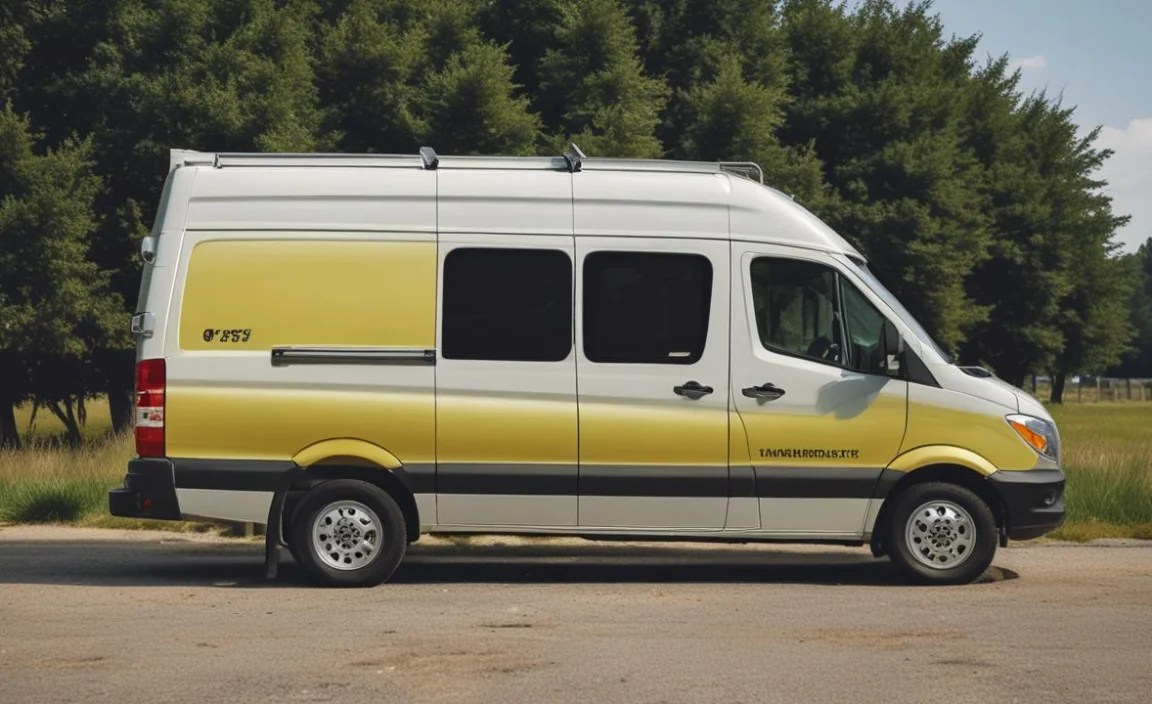
Having the kit is only half the battle; knowing how to use its contents is crucial.
Practice Makes Perfect
- Familiarize Yourself: Before an emergency strikes, unpack parts of your kit and practice using them. Learn how to use a fire extinguisher, change a tire (if you’re comfortable), and locate critical items.
- Read Instructions: For items like medical kits or tow straps, read the instructions beforehand.
Staying Calm and Assessing the Situation
- Prioritize Safety: If you break down on a busy road, your first priority is to get your van to a safe location if possible, and to ensure everyone’s safety inside.
- Assess the Problem: Is it a minor issue you can fix with your kit, or does it require professional assistance?
- Communicate: If you need help, have your road assistance information and location ready.
Maintaining Your Kit
- Regular Inventory: Once or twice a year, go through your kit. Replace used items, check expiration dates, and ensure batteries are fresh.
- Cleanliness: Keep the storage containers clean to prevent mold or mildew, especially if stored in humid conditions.
FAQs About Sprinter Van Emergency Kits
Q1: How much should I spend on a Sprinter van emergency kit?
You can assemble a basic but effective kit for under $100, focusing on safety essentials like a first-aid kit, jumper cables, and basic tools. For a more comprehensive kit with survival gear and specialized tools, expect to spend between $200-$500, depending on the quality and quantity of items.
Q2: Do I need different items for summer vs. winter travel?
Yes. For winter, add extra blankets, hand warmers, salt or sand for traction, a small snow shovel, and waterproof gloves. For summer, ensure plenty of water, sunblock, insect repellent, and perhaps a portable fan.
Q3: Is it better to buy a pre-made kit or build my own?
Building your own kit allows you to customize it to your specific needs and Sprinter model, often resulting in higher quality items. Pre-made kits can be convenient but may contain items you don’t need or lack essentials you do. A hybrid approach, buying a good base kit and adding custom items, is also effective.
Q4: Where is the best place to store my emergency kit in my Sprinter?
Store your kit in an easily accessible location. Good spots include under a seat, in a readily accessible cargo bin, or in a side door compartment. Avoid burying it under infrequently used items if possible, as quick access is key during an emergency.
Q5: How often should I check and update my emergency kit?
It’s recommended to check your kit at least every six months. This allows you to replace expired medications and food, test battery-powered devices, and ensure everything is in good condition and ready for use.
Q6: Can I use my Sprinter van emergency kit for off-roading breakdowns too?
Absolutely. For off-roading, you’ll want to enhance your kit with items like a high-lift jack, robust recovery gear (straps, shackles), a reliable winch (if applicable), and extra water and food for extended periods away from civilization. Consult resources on off-road recovery for more specialized advice.
Conclusion: Be Prepared, Travel Confidently
Your Mercedes-Benz Sprinter van is built for adventure and reliability, but even the best machines can face unexpected challenges. By investing a little time and effort into creating and maintaining a comprehensive emergency preparedness kit, you’re not just stocking up on supplies; you’re investing in your safety, your comfort, and your peace of mind. From essential first aid and vehicle repair tools to survival comforts and essential documentation, each item plays a critical role in transforming potential stressful situations into manageable events.
Remember, a well-organized kit that you understand how to use is your best ally on the road, especially when exploring off-grid locations or encountering unpredictable weather. Make it a habit to regularly review and refresh your kit—check expiration dates, test batteries, and restock any used items. This commitment ensures that your Sprinter remains not only a vehicle of freedom but also a safe haven, no matter where your passion for exploration


