
Sprinter Van Pop-Top Roof Options: Ultimate Perfection
Sprinter van pop-top roof options offer incredible versatility, expanding living space and ventilation. Choosing the right one depends on your build goals, budget, and desired functionality for off-grid adventures or weekend getaways.
The dream of a spacious, feature-rich Sprinter van conversion often hinges on maximizing every inch of your build. For many, this means looking upwards – specifically, to a pop-top roof. This ingenious addition transforms a standard van into something far more expansive, offering vital headroom, sleeping quarters, and superior ventilation when you need it most. But with various options available, which one is right for your perfect Sprinter? Navigating this decision can feel complex, but fear not. We’re here to break down the world of Sprinter van pop-top roof options, guiding you toward ultimate perfection for your van life adventure.
***
Why Consider a Pop-Top Roof for Your Sprinter Van?

A pop-top roof isn’t just a trendy addition; it’s a functional game-changer for any Sprinter van conversion. It fundamentally alters the experience of living and traveling in your van, offering a suite of benefits that are hard to ignore.
The primary advantage is the significant increase in vertical space. When deployed, a pop-top can add anywhere from 20 to 30 inches (or more) of headroom. This transforms a van that might feel confining into an airy, comfortable living area. Imagine standing up straight inside your van to cook, change clothes, or simply move around without stooping. This added dimension makes a massive difference in daily comfort and usability, especially for taller individuals.
Beyond increased headroom, pop-tops often provide an additional sleeping area. Many models are designed with a mattress platform in the raised section, effectively creating a second “bedroom” or a cozy loft space for kids or guests. This is invaluable for families or anyone who enjoys traveling with companions, as it greatly expands your sleeping capacity without sacrificing precious floor space.
Ventilation is another critical benefit. The elevated section of a pop-top typically includes zippered “windows” or mesh panels. When opened, these allow for excellent cross-breeze circulation, keeping the van cool and reducing condensation build-up – a notorious challenge in van conversions. This natural airflow is far more pleasant and energy-efficient than relying solely on fans or air conditioning.
Finally, a well-integrated pop-top contributes to the van’s aesthetics and resale value. It signals a professionally equipped and highly functional campervan, appealing to a broad market of buyers looking for premium conversion features.
Types of Sprinter Van Pop-Top Roofs

The market offers a variety of pop-top roof systems, each with its own design, mechanism, and set of benefits. Understanding these differences is key to selecting the perfect fit for your Sprinter.
1. Manual Pop-Top Roofs
These are the most traditional and often the most budget-friendly option. Manual pop-tops rely on human effort and simple mechanics to raise and lower the roof section. Typically, they involve unlatching a few points and then pushing the roof section up. Lowering usually involves a gentle push down and securing the latches.
Pros:
- Cost-Effective: Generally less expensive than their powered counterparts.
- Simplicity: Fewer moving parts mean less to go wrong and often easier DIY installation and maintenance.
- Reliability: Mechanical systems are robust and not dependent on electrical power.
- Weight: Often slightly lighter than powered systems.
Cons:
- Effort Required: Can be physically demanding, especially for smaller individuals or in adverse weather.
- Slower Deployment: Takes more time to raise and lower compared to powered options.
2. Electric Pop-Top Roofs
For ultimate convenience, electric pop-tops are the way to go. These systems utilize electric motors and actuators to raise and lower the roof section at the push of a button. This eliminates the physical exertion required for manual systems.
Pros:
- Convenience: Effortless operation with the touch of a button.
- Speed: Faster deployment and retraction than manual systems.
- Accessibility: Ideal for individuals who may find manual operation challenging.
Cons:
- Cost: Significantly more expensive than manual pop-tops.
- Complexity: More electrical components mean a greater potential for issues and a need for reliable power.
- Weight: Motors and associated hardware add more weight.
- Power Dependency: Requires a healthy electrical system (battery bank, charging) to operate.
3. Pop-Top Roof Styles
Beyond the operation method, the design of the pop-top itself varies, influencing headroom, sleeping space, and ventilation.
- Front-Opening: The roof section lifts primarily from the front of the van. This design often provides excellent headroom at the front of the cabin, which can be beneficial for driver and passenger comfort or for mounting additional equipment like solar panels on the non-lifting section. Examples include some models from SCA and VanEssa.
- Rear-Opening: The roof lifts from the rear. This style can offer good headroom towards the back of the van, which might align better with certain bed designs or galley layouts.
- Sportline/Low-Profile Roofs: These are designed to minimize the visual impact and aerodynamic drag when closed. They often offer a more streamlined look but might provide slightly less headroom than taller “standard” pop-tops.
- Pop-Tops with Integrated Bed Platforms: Many pop-tops come with a sturdy platform and a comfortable mattress, designed to become a dedicated sleeping area when raised. These are a huge selling point for campervans.
- Unfinished/DIY Pop-Tops: Some manufacturers offer a basic shell that you finish yourself, allowing complete customization of the interior lining, sleeping setup, and ventilation. This is for advanced DIYers.
Key Features to Consider When Choosing a Pop-Top

Selecting the right pop-top involves weighing several crucial factors against your specific needs and van build.
1. Material and Construction
Pop-top roofs are typically constructed from fiberglass or composite materials. Fiberglass is durable and relatively lightweight, while composites can offer even greater strength-to-weight ratios. The quality of the hinges, seals, and latches is paramount for longevity and weatherproofing. Look for robust hardware that is resistant to corrosion and designed for the stresses of travel.
2. Sleeping Capacity
If you plan to use the pop-top as a sleeping area, consider the dimensions of the integrated bed platform (if any) and the mattress quality. Some pop-tops offer ample space for two adults, while others are better suited for children or one adult. Measure the available space and compare it to your needs.
3. Headroom and Interior Space
The amount of added headroom is a primary selling point. Measure the clearance when the top is raised in the areas you’ll be standing or sitting most often. Consider how the pop-top’s internal structure (like gas struts or lifting mechanisms) might affect the usable space within the raised section.
4. Ventilation and Windows
Pop-tops usually feature zippered fabric bellows that serve as walls when the roof is raised. These often include mesh windows for ventilation. Assess the size and placement of these windows. Some offer multiple zippered openings for excellent airflow and light, while others are more basic. Quality zippers and durable mesh are essential.
5. Installation and Mounting
Pop-top installation is a significant undertaking. It involves cutting a large section out of your van’s roof and securely bonding and bolting the pop-top’s frame. This requires precision, structural reinforcement, and proper sealing to prevent leaks. Many owners opt for professional installation due to the complexity and potential for costly mistakes. If you’re a seasoned DIYer, ensure you have the right tools and understand the structural integrity implications. Resources from reputable builders like Vanlife Outfitters can provide valuable insights into the process, although professional installation is often recommended for this critical structural modification.
6. Aerodynamics and Height
When closed, the pop-top will add to your Sprinter’s overall height. This is crucial for clearance in parking garages, under bridges, and for ferry crossings. Low-profile pop-tops are available if minimizing added height is a priority. Consider the vehicle’s new total height for any restrictions you might encounter on your travels.
7. Insulation and All-Season Use
If you plan to camp in colder weather, the insulation of the pop-top’s bellows becomes important. Some manufacturers offer insulated fabric options or additional insulation kits. Standard fabric bellows provide minimal insulation, so be prepared to manage internal temperatures accordingly in extreme conditions.
8. Weight Distribution
Every addition to a van conversion impacts its weight. Pop-tops, including their mounting hardware and any lifting mechanisms, add several tens of pounds. While generally not prohibitive, it’s a factor to consider in your overall weight calculations, especially for maximizing payload capacity.
Popular Sprinter Van Pop-Top Brands and Models

Several reputable companies specialize in pop-top roofs for Mercedes-Benz Sprinter vans. Here are a few notable options:
| Brand | Key Models/Features | Operation Type | Approx. Additional Headroom | Notes |
|---|---|---|---|---|
| Sportsmobile | Pop-Top Roof with 2-Piece Top | Manual | ~24-30 inches | Long-standing reputation, robust construction. |
| SCA (Smart Camper Adventure) | Roof System 200 / 212 / 230 | Manual & Electric Options | ~24-32 inches | Stylish designs, often front-opening, good ventilation. |
| Reimo | Pop-Top Roof – VariO | Manual | ~20-28 inches | European brand known for quality, often rear-opening. |
| VanEssa Mobilhome | Pop-Top Roof System | Manual | ~25-30 inches | Known for sleek design and integration, often front-opening. |
| Alucab Balder | Pop-Top Roof | Spring-assisted Manual | ~20-25 inches | Durable, often praised for ease of use and robust build. |
When researching these brands, look for specific product lines designed for your Sprinter model year (e.g., 2007-2018 vs. 2019+ VS30). Fitment is crucial for a proper installation and watertight seal.
The Installation Process: A High-Level Overview
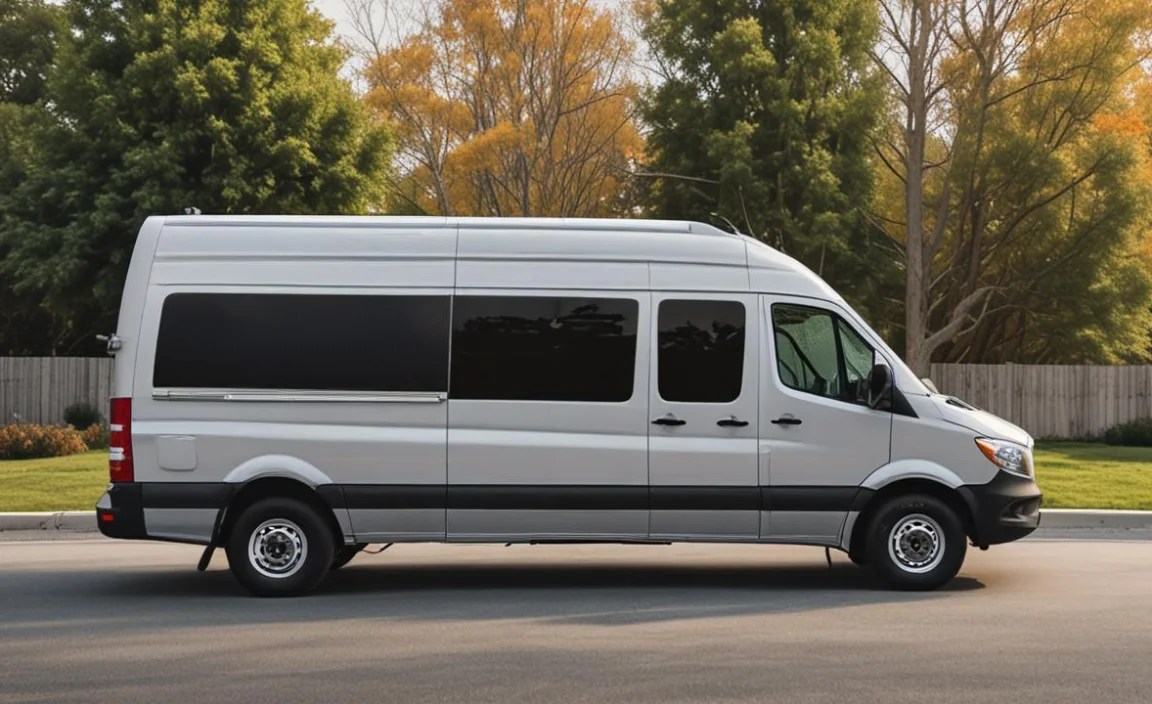
As mentioned, installation is a critical step. While professional installation is highly recommended, understanding the general process can help you communicate with installers or assess your own capabilities. The process generally involves:
- Preparation: Measuring and marking the roof for the cut. Clearing the interior of the van to protect it from debris.
- Cutting the Roof: Precisely cutting along the marked lines using specialized tools like a jigsaw or reciprocating saw. This is the point of no return.
- Reinforcement: Installing a steel perimeter frame to reinforce the structural integrity of the van’s roof where the original metal was removed. This frame is essential for safety and preventing flex.
- Mounting the Pop-Top: Lifting the pop-top shell onto the roof and securely bonding and bolting it to the reinforced frame. Adhesives like Sikaflex are commonly used, along with bolts that go through the reinforcement frame.
- Sealing: Ensuring all edges and bolt points are meticulously sealed with high-quality seam sealer and adhesives to prevent any water ingress. A well-sealed roof is paramount.
- Interior Finishing: Trimming the interior headliner to match the new roof structure and installing any interior components of the pop-top, such as the bed platform or lighting.
- Testing: Thoroughly testing the pop-top’s operation and performing a deluge test (simulating heavy rain) to confirm there are no leaks.
For comprehensive guidance, consulting manufacturers’ installation manuals or reputable van build resources like those found on the FarOutRide van build guide can provide detailed instructions and visual aids, though professional installation services are frequently sought for this complex modification.
Pop-Top Roofs vs. High-Top Roofs: Which is Best for You?
While pop-tops offer unparalleled versatility, they aren’t the only solution for increasing interior space in a Sprinter. High-top roofs are a common alternative. Let’s compare them:
| Feature | Pop-Top Roof | High-Top Roof |
|---|---|---|
| Added Interior Height | Temporary (when raised), significant increase. Allows standing in most areas. | Permanent, consistent increase. All passengers can stand. |
| Overnight Sleeping | Often includes a dedicated sleeping platform. | Requires conversion of the main cabin space (e.g., a bed that folds down). |
| Ventilation | Excellent, especially when raised (mesh windows). | Standard van ventilation, might require additional fans/vents. |
| Aesthetics & Aerodynamics | Adds height only when raised; can be more streamlined when closed (depending on model). | Permanently taller, impacts aerodynamics and might not fit in all garages/parking structures. |
| Cost | Generally higher initial cost and installation. | Moderate cost, installation can be simpler than cutting for a pop-top. |
| Complexity & Maintenance | More moving parts (manual or electric), fabric bellows, seals can wear. | Static structure, simpler maintenance. |
| All-Season Camping | Bellows offer limited insulation; may require extra steps for warmth/cooling. | More insulated profile, can be easier to regulate temperature. |
Who should choose a pop-top? Travelers who prioritize flexible living space, want an additional dedicated sleeping area without sacrificing floor space, and value superior ventilation. It’s also great for those who occasionally need more height but prefer a lower profile for daily driving or parking.
Who should choose a high-top? Those who want the guaranteed ability to stand up anywhere in the van at all times, who prioritize a simpler, more insulated structure, and who don’t need a separate sleeping loft. It’s also a good choice if your travel routes frequently involve low clearances where a permanently raised roof is preferable to an infrequent low-profile state.
Frequently Asked Sprinter Van Pop-Top Questions
Q1: How much does a Sprinter van pop-top roof typically cost?
A1: The cost for a pop-top roof can vary significantly, ranging from around $3,000 for a basic manual fiberglass shell to over $10,000 for a fully featured electric model with integrated bed systems. Professional installation typically adds another $2,000 to $5,000, depending on the complexity and your location.
Q2: Can I install a pop-top roof myself?
A2: While some experienced DIYers tackle this, it’s a complex structural modification. It requires precision cutting, reinforcement, and meticulous sealing to prevent leaks and maintain structural integrity. We highly recommend professional installation unless you have significant experience with automotive fabrication and structural modifications.
Q3: What is the average added height of a pop-top roof?
A3: When raised, most pop-top roofs add approximately 20 to 30 inches of height, providing full standing room inside the van. The added height when closed varies by model, but often adds only a few inches over the stock roof height.
Q4: How are pop-top roofs secured and sealed?
A4: They are typically secured to the van via a reinforced steel frame integrated into the original roof opening. This frame is then bonded with high-strength adhesives (like Sikaflex) and often bolted to the van’s chassis. Meticulous sealing around the perimeter and all connection points is critical to prevent leaks.
Q5: Are pop-top roofs insulated?
A5: The fiberglass or composite shell of the pop-top itself offers some insulation. However, the fabric “b


