
Sprinter Van RV Water System: Your Ultimate Guide
Your Sprinter van RV water system involves tanks, pumps, pipes, and fixtures to deliver fresh and grey water. Understanding its components—freshwater tank, pump, accumulator, filter, and water heater—is key to ensuring reliable water supply and waste management on your adventures. This guide breaks down each element for easy comprehension.
Embarking on a journey in your Sprinter van, transformed into a cozy RV, offers unparalleled freedom. Yet, the one thing that can quickly turn a dream trip into a soggy ordeal is a malfunctioning water system. Leaks, low pressure, or a lack of hot water are common frustrations that can disrupt your plans. But fear not! This guide is designed to demystify your Sprinter van’s RV water system, making it approachable even for those new to the world of van life. We’ll walk you through each component, explain how they work together, and offer tips for maintenance and troubleshooting. Get ready to gain confidence in managing your water supply, ensuring every adventure is as comfortable as it is liberating.
Sprinter Van RV Water System: Frequently Asked Questions
What are the main components of a Sprinter van RV water system?
The primary components include a freshwater tank, a water pump, an accumulator tank (optional but recommended), a water filter, a water heater, and various plumbing lines connecting all these to your faucets, shower, and toilet. You’ll also have a grey water tank to collect wastewater.
How much water do I need for a Sprinter van conversion?
This depends on your usage. A common setup for weekend trips is a 20-30 gallon freshwater tank, while full-time van dwellers might opt for 40-50 gallons or more. Consider your travel style, the availability of water fill-up stations, and your personal water consumption habits.
What is the difference between a fresh water tank and a grey water tank?
The freshwater tank stores clean water for drinking, cooking, and bathing. The grey water tank collects used water from sinks and showers. Black water tanks, found in some RVs with flush toilets, hold waste from the toilet. It’s crucial to manage grey and black water disposal responsibly.
How do I winterize my Sprinter van RV water system?
Winterization is essential to prevent frozen pipes. It involves draining all water from the fresh and grey water tanks, water heater, and all lines. Then, you typically use a non-toxic RV antifreeze, pumped through the system to displace any residual water. Many DIY videos show this process in detail.
Can I drink water directly from the freshwater tank?
Yes, if your system is properly set up with a food-grade freshwater tank and lines, and you fill it with potable water. For added safety, using a water filter is highly recommended to remove sediment and potential impurities. Always ensure your water source is safe.
What causes low water pressure in my Sprinter van RV?
Low pressure can be caused by a variety of issues: a clogged water filter, kinks in the water lines, a weak water pump, air in the system, or a partially closed valve. Checking these common culprits one by one will usually help diagnose the problem.
How often should I clean or sanitize my Sprinter van RV water system?
It’s a good practice to sanitize your freshwater system at least once a year, or before extended trips, especially if the van has been stored for a while. This helps kill bacteria and algae that can form in the tank and lines, ensuring your water stays fresh.
Understanding Your Sprinter Van RV Water System Components
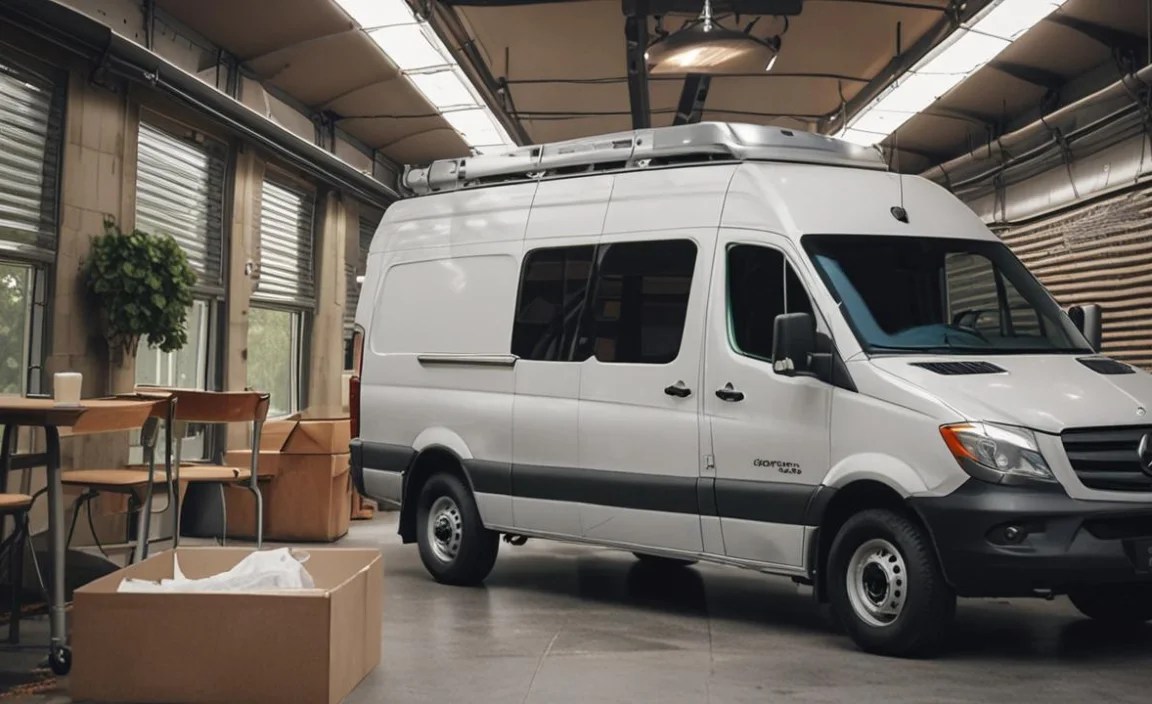
The heart of any mobile living space is its water system. For a Sprinter van conversion, this means a carefully designed network of tanks, pumps, pipes, and fixtures. It’s designed to be compact, efficient, and self-sufficient, providing you with the conveniences of home no matter how remote your destination. Let’s break down each crucial element:
1. The Freshwater Tank: Your Water Reserve
This is where all your clean water is stored. For Sprinter van builds, these tanks are typically made of durable, food-grade plastic, designed to fit into specific spaces within the van’s chassis or interior. The size of your freshwater tank is a critical decision in your build, directly impacting how long you can go between refills.
- Material: Always look for tanks labeled “food-grade” or “potable water safe.”
- Capacity: Ranges from 20 gallons for weekend warriors to 50 gallons or more for full-time nomads.
- Placement: Often mounted under the van or in a dedicated interior cabinet. Secure mounting is vital to prevent movement while driving.
- Maintenance: Needs regular cleaning and sanitizing to prevent bacteria growth.
2. The Water Pump: The System’s Heartbeat
Your water pump is responsible for drawing water from the freshwater tank and pushing it through the plumbing system to your faucets and shower. Most RV water pumps used in Sprinter conversions are 12-volt DC diaphragm pumps, powered by your van’s auxiliary battery system.
- Type: Diaphragm pumps are common due to their efficiency and ability to run dry for short periods.
- Flow Rate: Measured in gallons per minute (GPM). A typical RV pump might be 2-4 GPM.
- Pressure: Rated in PSI (pounds per square inch). Most pumps operate between 40-60 PSI.
- Noise: Some pumps can be noisy. Using a pump accumulator and mounting the pump on vibration-dampening pads can help.
3. The Accumulator Tank: Smooth Operator
While not strictly mandatory, an accumulator tank is a highly recommended addition. It’s a small, pressurized tank that helps smooth out water pressure fluctuations, reduces pump cycling (meaning the pump runs less often), and quiets the system. It acts as a buffer, storing a small amount of pressurized water.
- Function: Prevents rapid on/off cycling of the pump, extending its life and providing a more consistent water flow.
- Installation: Typically installed in-line after the water pump.
- Benefits: Smoother shower experience, less jarring pump noise, and reduced wear on the pump.
4. The Water Filter: Purity Guardian
Clean water is paramount. A water filter is installed in your plumbing system to remove sediment, chlorine, and other impurities from the water before it reaches your faucet or appliances. This ensures better taste and protects your fixtures from clogging.
- Types: Inline filters, cartridge filters, and pitcher-style filters can be used. For an integrated system, an inline filter is common.
- Placement: Usually installed after the pump and accumulator, or sometimes just before the water heater.
- Maintenance: Filters need regular replacement according to the manufacturer’s recommendations or when you notice a decrease in water flow or taste.
5. The Water Heater: Comfort on Demand
For a truly comfortable RV experience, hot water is a must. Sprinter van conversions commonly use compact, 12-volt or propane-powered water heaters. Some popular options include tankless (on-demand) heaters or small tank-style heaters.
- Types:
- Tankless (on-demand): Heat water as you use it, saving energy and space but can have a slight delay and require consistent flow.
- Tank Style: Heat and store a small amount of water (e.g., 2-6 gallons), providing immediate hot water but requiring power to keep the water hot.
- Power Sources: Propane, 12-volt electric, engine heat exchange (runs off your Sprinter’s engine while driving), or a combination.
- Capacity: Typically range from 1 to 6 gallons for tank models; tankless units provide continuous hot water.
6. Plumbing and Fixtures: The Veins and Arteries
Flexible PEX tubing is the industry standard for RV plumbing due to its durability, flexibility, and ease of installation. It connects all the components together and leads to your faucets, showerhead, and any other water outlets. Proper fittings and secure connections are essential to prevent leaks.
- PEX Tubing: Comes in various colors (e.g., red for hot, blue for cold) and diameters.
- Fittings: Crimp, clamp, or push-fit fittings are used to join PEX tubing.
- Fixtures: Faucets, showerheads, and sink drains are chosen for their low-flow efficiency and durability in a mobile environment.
How Your Sprinter Van RV Water System Works: A Step-by-Step Flow

Understanding the journey water takes from the tank to your tap is key to appreciating and troubleshooting your Sprinter van’s RV water system. It’s a relatively simple, yet ingenious, process that relies on a few core principles. Let’s trace the path of your fresh water.
1. Filling the Freshwater Tank
The process begins at a potable water source. You’ll typically connect a hose to an exterior fill port on your Sprinter van. This port is directly connected to your freshwater tank. Ensure you are using a clean, dedicated RV water hose to avoid introducing contaminants.
2. Sensing Demand
When you open a faucet, turn on the shower, or flush a toilet (if you have a pressurized flush system), you are creating a demand for water. This action is the trigger for the entire system to spring into action.
3. The Water Pump Engages
Your 12-volt water pump is usually controlled by a pressure switch. When water is drawn from the tank, the pressure in the system drops. This pressure drop signals the switch to turn the pump on. The pump then begins to draw water from the freshwater tank.
Note: If you have a manual switch for your pump, you’ll need to activate it before opening the faucet. Many modern systems have automatic switches that detect demand.
4. Pressurized Flow to Fixtures
The pump forces water through the system. If you have an accumulator tank, it will accept some of this pressurized water, storing it and helping to maintain a steady pressure. This pressurized water then flows through the water filter for purification and then to your water heater (if you’ve requested hot water). From there, it travels through the PEX plumbing to the selected fixture, such as your kitchen faucet or shower head.
5. Heating Water (The Hot Water Path)
If you’re running a hot water tap, the cold water is diverted to your water heater. The water heater then heats the water to your desired temperature. Once heated, it’s sent back into the hot water line to reach the faucet. This process is either continuous (for tankless heaters) or involves drawing from a stored supply (for tank heaters).
6. Water Usage and Grey Water Collection
As you use water for washing dishes, showering, or any other purpose, the used water drains from the fixtures. This water flows down through drain pipes and is directed into your grey water tank. It’s critical not to overfill this tank, as it needs to be emptied at an appropriate disposal facility.
7. Pump Deactivates
Once you close the faucet or turn off the water flow, the demand stops. The pressure in the system builds back up as the pump continues to run briefly or as the accumulator tank maintains stored pressure. When the pressure reaches the set point of the pressure switch, it signals the pump to turn off, conserving battery power until the next demand.
Key Sprinter Van RV Water System Installation Considerations

Building a reliable water system in a confined space like a Sprinter van involves careful planning and execution. Several factors are crucial for a functional, long-lasting, and safe system. These considerations are what separate a leaky, frustrating setup from a seamless, dependable one.
1. Space Optimization and Accessibility
Sprinter vans have limited interior volume. Strategic placement of tanks, pumps, and water heaters is essential. Tanks are often integrated into van cabinets or placed under the chassis. Ensuring all components are accessible for maintenance, repair, and filter changes is paramount. Think about how you’ll reach the pump for servicing or the filter for replacement.
2. Water Quality and Filtration
The primary goal is to have safe, palatable drinking water. This means:
- Using only food-grade tanks and plumbing lines.
- Installing a robust water filter system to remove sediment and chemicals.
- Regularly sanitizing the entire system. Consider using a UV sterilizer for an extra layer of purification, especially if you’re sourcing water from less-than-ideal locations.
Filtration Options Overview
An effective filtration strategy often involves multiple stages:
| Filter Type | Purpose | Typical Placement |
|---|---|---|
| Sediment Filter | Removes larger particles like dirt, rust, and sand. | First in line after the pump. |
| Carbon Filter | Removes chlorine, tastes, odors, and some chemicals. | After the sediment filter, before the water heater. |
| UV Sterilizer (Optional) | Kills bacteria, viruses, and other microorganisms. | Often placed after the main filters, just before the system branches out. |
3. Power Requirements and Management
A 12-volt water pump is the standard, drawing power from your auxiliary battery bank. Continuous use of the pump can drain your batteries quickly. Consider the pump’s amperage draw and factor it into your overall electrical system design. An efficient pump, an accumulator tank, and mindful water usage are key to battery longevity.
- Pump Amperage: Check the specifications of your chosen pump.
- Battery Capacity: Ensure your house battery bank can support the pump’s usage, especially on extended trips.
- Solar/Charging: A robust solar charging system or alternator charging setup will be essential for maintaining battery power.
4. Freeze Protection
If you plan to travel in colder climates, protecting your water system from freezing is critical. Water expands when it freezes, which can burst pipes and damage tanks. Options include:
- Draining: Completely draining the system before freezing temperatures arrive.
- Antifreeze: Using non-toxic RV antifreeze (see this helpful forum thread for detailed winterization steps).
- Insulation: Insulating tanks and pipes in the van.
- Heated Grey Tanks: Some advanced setups include heated grey water tanks.
5. Water Conservation Techniques
Water is a precious resource in a van. Employing techniques to conserve water is wise:
- Low-Flow Fixtures: Install low-flow faucets and showerheads.
- Turning Off Taps: Turn off the water while brushing teeth or soaping up in the shower.
- Grey Water Management: Understand your grey water tank capacity and plan for its disposal.
- Composting Toilets: These can significantly reduce water usage compared to flush toilets.
6. Grey Water Management
Responsible disposal of grey water is crucial for environmental protection. Your grey water needs to be collected and dumped at designated RV dump stations. Be aware of local regulations, as dumping grey water indiscriminately is often illegal and harmful.
Essential Sprinter Van RV Water System Maintenance & Troubleshooting

A well-maintained water system is a happy water system. Regular checks and proactive maintenance can prevent minor issues from becoming major headaches. Here’s a guide to keeping your system flowing smoothly and how to tackle common problems like a seasoned pro.
Routine Maintenance Checklist
Make these tasks part of


