
SL-Class Collision Prevention Systems: Proven, Powerful Protection
SL-Class Collision Prevention Systems provide advanced, multi-layered safeguards that actively help drivers avoid or mitigate accidents. These intelligent technologies use sensors and cameras to monitor the road, alerting drivers to potential hazards and even acting autonomously to brake or steer, offering remarkable peace of mind.
The open road, the joy of a drive, the feeling of freedom – a Mercedes-Benz SL-Class embodies motoring at its finest. Yet, even in the most exhilarating journeys, the unexpected can happen. Recognizing potential dangers ahead is crucial for every driver, but modern automotive technology now offers a powerful ally in this constant vigilance. The advanced collision prevention systems found in the SL-Class are not just mere safety features; they are sophisticated guardians working tirelessly to protect you and your passengers. Understanding how these systems function can significantly enhance your confidence and awareness behind the wheel, transforming a potentially stressful situation into a controlled response. We’ll demystify these remarkable technologies, showing you how they contribute to the unparalleled safety and driving experience of your SL-Class, ensuring your next drive is as secure as it is spectacular.
Understanding SL-Class Collision Prevention Systems: Proven, Powerful Protection

The Mercedes-Benz SL-Class isn’t just a symbol of automotive luxury and performance; it’s a sophisticated engineering marvel designed with your safety as a paramount concern. At the forefront of this dedication to safety are the advanced collision prevention systems. These aren’t simple alarms; they are intelligent, proactive technologies that work in harmony with the driver to avert danger. For any SL-Class owner or enthusiast, understanding these systems is key to appreciating the full extent of the vehicle’s protective capabilities.
The Evolution of Safety in the SL-Class
Mercedes-Benz has long been a pioneer in automotive safety, and the SL-Class has consistently been a showcase for their innovations. From early ABS systems to the comprehensive suite of driver assistance and collision prevention technologies found in modern models, the progression has been remarkable. These systems have evolved from reactive measures to intelligent, predictive guardians that actively help to prevent accidents before they even occur.
Core Technologies Behind the Protection

The effectiveness of SL-Class collision prevention systems relies on a sophisticated interplay of sensors, cameras, and intelligent software. These components continuously monitor the vehicle’s surroundings, processing vast amounts of data to identify potential threats.
Radar Sensors
Strategically placed radar sensors are the eyes and ears for detecting distances. They emit radio waves and measure the time it takes for these waves to return after bouncing off objects. This allows the system to accurately gauge the distance to vehicles ahead and determine their relative speed. This is fundamental for functions like Adaptive Cruise Control and Forward Collision Warning.
Cameras
High-resolution cameras, often integrated discreetly into the windshield or grille, provide visual data. They can identify lane markings, recognize the shapes of vehicles, pedestrians, and cyclists, and even read traffic signs. This visual input is crucial for features that require a more nuanced understanding of the environment, such as Lane Keeping Assist and Pedestrian Detection.
Advanced Processing Units
The data from radar and cameras is fed into powerful onboard computers. These units analyze the information in real-time, comparing it against pre-programmed safety parameters. If a potential hazard is detected, the computers decide the appropriate response, whether it’s a warning to the driver or an automated intervention.
Key Collision Prevention Systems in the SL-Class

Mercedes-Benz bundles many of these safety features under the umbrella of “Driving Assistance Package” or similar nomenclature, depending on the model year and specific options. Within these packages, several core functions work synergistically to provide robust protection.
COLLISION PREVENTION ASSIST PLUS (CPA Plus)
This is often the foundational system. CPA Plus is designed to:
- Warn the driver: It provides visual and audible alerts if the system detects a significantly reduced distance to the vehicle ahead.
- Adapt braking: If a collision is imminent and the driver doesn’t react sufficiently, CPA Plus can initiate partial or full braking automatically. This crucial intervention can help to reduce the severity of an impact or, in some cases, avoid it entirely.
The system typically operates within a wide range of speeds, making it a valuable asset in both highway cruising and urban traffic. For detailed operational parameters, such as the speed ranges and minimum following distances, always refer to your specific SL-Class owner’s manual.
ACTIVE BRAKE ASSIST (ABA)
A more advanced evolution of CPA Plus, Active Brake Assist often includes enhanced capabilities, especially in newer models. ABA can:
- Detect multiple hazards: It can identify vehicles, pedestrians, cyclists, and even stationary objects.
- React across varying speeds: It’s designed to provide warnings and braking assistance at various speeds, including from a standstill.
- Offer cross-traffic functionality: Some versions can detect oncoming traffic when turning across a road, providing an additional layer of safety.
When ABA detects a potential collision with a vehicle, pedestrian, or cyclist, it first provides a warning. If the driver fails to respond appropriately, the system intervenes with braking force to mitigate the impact.
ADAPTIVE CRUISE CONTROL (DISTRONIC PLUS)
While primarily a convenience feature for maintaining speed and distance, DISTRONIC PLUS (often referred to as just DISTRONIC) plays a vital role in collision prevention by maintaining a set distance from the vehicle ahead.:
- Automatic speed adjustment: It automatically adjusts the vehicle’s speed to match that of the vehicle in front.
- Maintaining a safe gap: The driver can select a preferred following distance, which the system will maintain.
- Stop-and-go functionality: In traffic jams, DISTRONIC PLUS can bring the vehicle to a complete stop and then resume driving automatically or with a driver prompt, significantly reducing the risk of rear-end collisions in heavy traffic.
This system is a proactive component of collision avoidance, keeping the SL-Class at a safe buffer from the car ahead, reducing the likelihood of needing an emergency brake application.
LANE-KEEPING ASSIST AND BLIND-SPOT ASSIST
While not direct braking systems, these features are crucial for preventing accidents that often result from unintended lane departures or failing to see a vehicle in a blind spot:
- Lane-Keeping Assist (LKA): Uses cameras to monitor lane markings. If the vehicle unintentionally drifts out of its lane, LKA can provide a steering wheel vibration and, in some cases, gently steer the vehicle back into the lane.
- Blind-Spot Assist (BSA): Uses radar sensors in the rear bumper to detect vehicles in the driver’s blind spots. It warns the driver with a visual alert in the side mirror and, if the turn signal is activated while a vehicle is detected, an audible warning. Some BSA systems can also apply brakes on one side of the vehicle to help prevent a lane-change collision.
These systems work together with the forward-facing collision preventions to create a 360-degree protective envelope.
How These Systems Enhance Driver Confidence

The presence of such sophisticated safety technology can profoundly impact how drivers feel behind the wheel. Knowing that your SL-Class is actively monitoring for dangers and ready to intervene provides a significant layer of reassurance, especially on long journeys or in unpredictable driving conditions.
Reduced Driver Fatigue
Features like DISTRONIC PLUS can significantly ease the burden of driving in stop-and-go traffic or on monotonous highway stretches. By automating some of the repetitive tasks, these systems help reduce driver fatigue, allowing the driver to remain more alert and focused on the overall driving environment.
Mitigating Distractions
In today’s world, minor distractions are almost inevitable. Collision prevention systems act as a digital co-pilot, helping to catch critical situations that a momentarily distracted driver might miss. The timely alerts and interventions can be the difference between a close call and a serious incident.
Support in Challenging Conditions
Driving in adverse weather, at night, or in dense urban environments can be demanding. These systems, leveraging advanced sensors that can perform better than human eyes in certain conditions, provide an invaluable safety net, offering drivers more confidence and control when conditions are less than ideal.
Understanding System Limitations
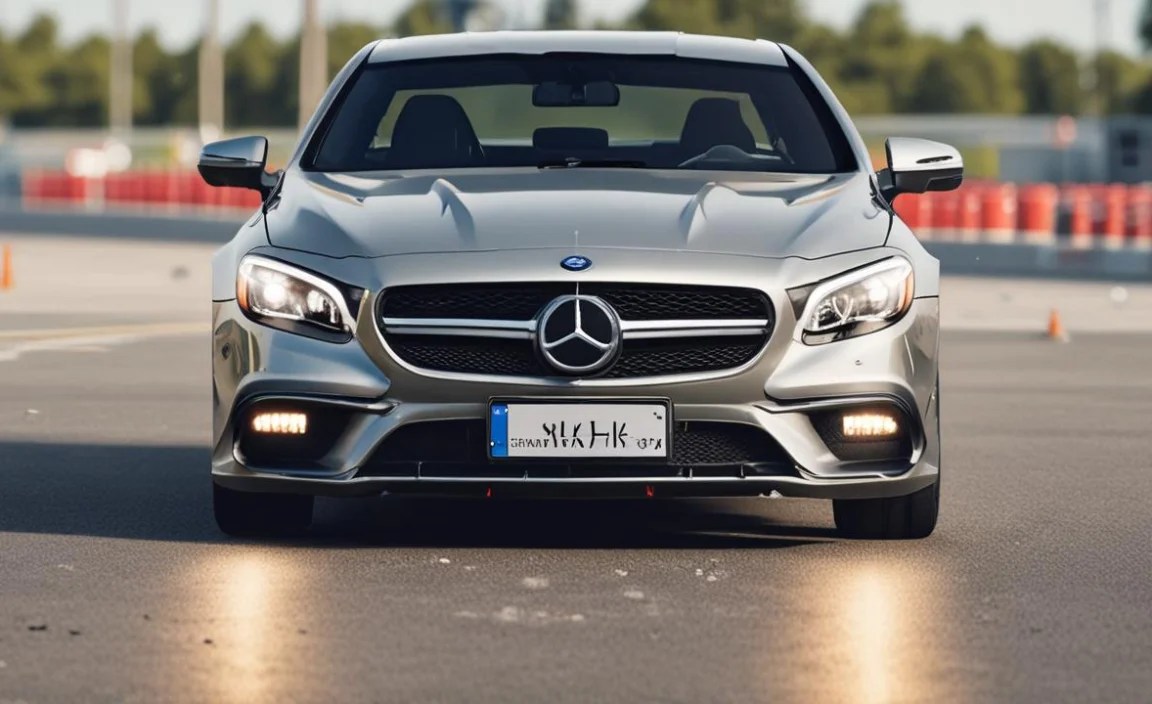
While incredibly advanced, it’s crucial for drivers to understand that these systems are aids, not replacements for attentive driving. They have limitations, and responsible operation is key.
Environmental Factors: Severe weather like heavy rain, snow, or fog can sometimes impair sensor and camera performance. Ice and mud buildup on sensors can also create issues. Mercedes-Benz vehicles will typically alert the driver if a system’s functionality is compromised due to obstructions.
Complex Scenarios: While advanced, these systems may struggle with extremely complex or rapidly changing traffic situations, sharp turns at high speeds, or the erratic behavior of other road users. For detailed information on specific model limitations, referring to the owner’s manual is essential.
Driver Responsibility: The driver remains ultimately responsible for the safe operation of the vehicle. These systems are designed to assist, not to absolve the driver of their duties. Staying focused, maintaining situational awareness, and using turn signals are still critical.
For more information on the general principles of vehicle safety systems and their effectiveness, the National Highway Traffic Safety Administration (NHTSA) offers valuable resources on driver assistance technologies.
Maintaining Your SL-Class Collision Prevention Systems

Proper maintenance ensures these sophisticated systems perform as intended. Fortunately, keeping them in good order is largely about ensuring their “eyes” are clear.
Keeping Sensors and Cameras Clean
The radar sensors are typically located behind the front grille or bumper fascias, and cameras are often integrated into the windshield behind the rearview mirror. It’s vital to keep these areas free from dirt, mud, snow, ice, and debris. Regular washing of the vehicle will often suffice, but manual cleaning of the sensor covers might be necessary in challenging conditions.
Windshield Care
The windshield camera relies on a clear view. Chips, cracks, or heavy dirt on the windshield can obstruct the camera’s vision, potentially disabling certain driver assistance features. Addressing any windshield damage promptly is important.
Regular Service Checks
It’s prudent to have these systems checked during your SL-Class’s scheduled maintenance appointments. Trained Mercedes-Benz technicians can verify the calibration of the sensors and cameras and ensure all software is up-to-date. This is especially important after any incident involving the front or rear of the vehicle, or after a windshield replacement.
Software Updates
Like any advanced computer system, the software controlling these safety features can be updated. Ensure your vehicle receives these updates during servicing to benefit from any improvements or bug fixes implemented by Mercedes-Benz. You can often get detailed information on these updates from your local Mercedes-Benz service center.
A Look at Typical Package Configurations
While specific names and included features can vary by model year and region, Mercedes-Benz typically offers these advanced safety technologies within optional packages. Understanding these configurations can help when purchasing or specifying an SL-Class.
A common configuration is the “Driving Assistance Package” or “Distronic Plus Package.” These packages often bundle:
| Feature | Description | Primary Function |
|---|---|---|
| COLLISION PREVENTION ASSIST PLUS (CPA Plus) | Audible and visual warnings for distance violations; autonomous partial/full braking. | Forward collision warning and mitigation. |
| DISTRONIC PLUS (with Steering Assist) | Maintains set speed and distance; can help with steering in lane. | Adaptive cruise control, lane centering. |
| Active Blind Spot Assist | Visual and audible warnings for blind spots; can brake one side of the car. | Side collision avoidance during lane changes. |
| Active Lane Keeping Assist | Steering wheel vibration and gentle intervention to keep vehicle in lane. | Unintentional lane departure prevention. |
| PRE-SAFE® PLUS | Prepares occupant protection with braking if a rear-end collision is imminent. | Pre-collision preparation for rear impacts. |
Always consult the official Mercedes-Benz configurator for your desired model year and region for the most accurate and up-to-date information on available packages and their constituent features. The safety and security of your SL-Class are paramount, and these intelligent systems are designed to provide exceptional peace of mind.
A Smarter, Safer Drive Awaits

The SL-Class collision prevention systems represent the pinnacle of automotive safety engineering, transforming the driving experience into one of proactive protection. By combining advanced radar sensors, high-resolution cameras, intelligent software processing, and automated intervention technologies, these systems help drivers navigate roads with greater awareness and confidence.
Rather than reacting only after danger appears, the SL-Class continuously monitors surrounding traffic conditions in real time. This proactive approach helps reduce accident risks, minimize driver fatigue, and improve overall road safety without compromising the refined luxury and exhilarating performance that define the SL-Class experience.
Whether driving through busy city streets, cruising on highways, or facing unpredictable traffic conditions, these advanced systems work quietly in the background to support the driver and provide an additional layer of reassurance during every journey.
The Role of PRE-SAFE® Technology in the SL-Class
Preparing Occupants Before Impact
One of the most innovative safety technologies in modern Mercedes-Benz vehicles is PRE-SAFE®. Unlike traditional safety systems that react during or after a collision, PRE-SAFE® attempts to prepare the vehicle and occupants before an impact occurs.
When the system detects signs of an imminent collision, it may:
- Tighten seat belts automatically
- Adjust seating positions for optimal protection
- Close open windows and the sunroof
- Activate protective occupant measures
These actions help maximize the effectiveness of airbags and restraint systems during an accident.
PRE-SAFE® Sound Technology
Certain SL-Class models may also include PRE-SAFE® Sound technology. This feature emits a specific sound frequency through the speakers moments before a predicted collision.
The purpose is to trigger a natural protective reflex inside the human ear called the stapedius reflex, which may help reduce the impact of sudden loud crash noises on hearing during a collision.
This demonstrates how Mercedes-Benz safety engineering goes beyond traditional crash protection by considering even the smallest aspects of occupant safety and comfort.
How Collision Prevention Systems Improve Highway Driving
Long-Distance Comfort and Reduced Stress
Highway driving can become mentally exhausting during long trips, especially in heavy traffic or unpredictable conditions. Systems like DISTRONIC PLUS and Lane Keeping Assist help reduce driver workload by automating repetitive tasks such as maintaining following distance and minor steering corrections.
Benefits during highway travel include:
- Reduced fatigue during long journeys
- More consistent speed management
- Improved lane stability
- Reduced stress in stop-and-go traffic
- Enhanced driver confidence at higher speeds
These technologies allow drivers to remain more relaxed while still staying fully engaged with the driving environment.
Emergency Response at Highway Speeds
At highway speeds, reaction time becomes critically important. Even a brief moment of distraction can dramatically increase stopping distance. Advanced collision prevention systems continuously analyze traffic ahead and can react faster than human reflexes in certain emergency situations.
Automatic emergency braking and warning systems help:
- Reduce rear-end collision risks
- Warn drivers of sudden traffic slowdowns
- Apply braking assistance during emergencies
- Improve overall vehicle stability during evasive maneuvers
These systems become especially valuable during nighttime driving or poor visibility conditions.
Why Sensor Calibration Is So Important
Maintaining Accurate System Performance
Modern collision prevention technologies rely heavily on precise sensor calibration. Even slight misalignment caused by bumper repairs, windshield replacement, wheel alignment changes, or minor impacts can reduce system accuracy.
Improper calibration may lead to:
- Delayed collision warnings
- Incorrect lane detection
- False alerts
- Reduced adaptive cruise control accuracy
- Impaired automatic braking response
This is why professional recalibration is strongly recommended after certain repairs or accidents.
Importance of Certified Mercedes-Benz Service
Mercedes-Benz technicians use specialized diagnostic and calibration equipment designed specifically for these advanced systems. Proper servicing ensures all cameras, radar sensors, and safety systems continue operating according to factory specifications.
Attempting improper repairs or ignoring calibration needs can compromise the effectiveness of critical safety technologies.
Future Innovations in Mercedes-Benz Safety Technology
AI and Predictive Driving Assistance
Mercedes-Benz continues investing heavily in artificial intelligence and predictive driving technologies. Future SL-Class models may feature even more advanced systems capable of anticipating traffic behavior, analyzing driver attention levels, and responding more intelligently to complex driving situations.
Potential future advancements include:
- Enhanced autonomous driving support
- Smarter pedestrian prediction systems
- AI-based hazard detection
- Advanced traffic communication systems
- Improved driver monitoring technologies
These innovations aim to make luxury driving not only more comfortable but significantly safer.
Expanding Semi-Autonomous Capabilities
While current systems are designed primarily as driver aids, Mercedes-Benz continues progressing toward higher levels of semi-autonomous driving capability. Features such as adaptive steering, automated lane changes, and advanced traffic jam assistance are becoming increasingly sophisticated with each generation.
However, even as technology evolves, driver awareness and responsibility will remain essential components of safe vehicle operation.
Conclusion
The Mercedes-Benz SL-Class collision prevention systems showcase how modern automotive technology can dramatically improve driver confidence, passenger protection, and overall road safety. Through the intelligent integration of radar sensors, cameras, automated braking, and advanced driver-assistance systems, the SL-Class delivers a driving experience that is both thrilling and exceptionally secure.
These technologies are not designed to replace the driver but to serve as an intelligent safety partner capable of reacting quickly during critical situations. As Mercedes-Benz continues advancing safety innovation, the SL-Class remains a powerful example of how luxury, performance, and cutting-edge protection can work together seamlessly on every journey.
Frequently Asked Questions About SL-Class Collision Prevention Systems
What is Collision Prevention Assist Plus in an SL-Class?
Collision Prevention Assist Plus (CPA Plus) is a core component of the SL-Class’s safety suite. It’s designed to warn the driver of an impending collision and, if necessary, initiate partial or full braking to help reduce the severity of an impact or even prevent it altogether. It utilizes radar sensors to detect vehicles ahead and provides visual and audible warnings.
How do sensors and cameras work in these systems?
These systems employ a network of sensors, including radar and cameras strategically placed around the vehicle. Radar sensors emit radio waves to detect the distance and speed of other vehicles or objects. Cameras analyze visual data to identify lane markings, pedestrians, and other potential hazards. This combined data allows the system to build a comprehensive understanding of the surrounding environment.
Can these systems detect pedestrians and cyclists?
Yes, many advanced SL-Class collision prevention systems, particularly newer iterations, are equipped with Active Brake Assist. This technology can detect pedestrians and cyclists in addition to other vehicles. If a potential collision is imminent and the driver doesn’t react, the system can automatically apply the brakes to prevent or mitigate the accident.
How does the driver get notified of a potential collision?
The system typically provides a multi-stage warning. Initially, a visual warning might appear on the instrument cluster or head-up display, often accompanied by an audible chime. If the risk increases, the system may provide a sharper alert and prepare the brakes for maximum effectiveness. These warnings are designed to be noticeable but not overly intrusive, allowing the driver to maintain focus.
Are these systems always on?
Yes, the foundational collision prevention systems are generally always active when the vehicle is in operation. However, certain functions within the broader suite, like adaptive cruise control, can be engaged or disengaged by the driver. It’s always recommended to consult your SL-Class owner’s manual for specific details on system activation and deactivation.
What happens if I brake or steer during a warning?
If the driver takes action by braking or steering, the system typically defers to the driver’s input. The collision prevention system is designed to assist, not to override, the driver’s control unless absolutely necessary to avert a critical accident. Your actions will generally be interpreted as a response to the warning, and the system will adjust its intervention accordingly.
How do I maintain these collision prevention systems?
Maintaining these systems is relatively straightforward. It primarily involves keeping the sensors and cameras clean. Obstructions like mud, snow, ice, or even excessive dirt can impair their performance. Regular professional servicing by a Mercedes-Benz technician ensures that the systems are calibrated correctly and functioning optimally.


