
EQC Cornering: The Ultimate Effortless Drive
EQC cornering transforms every turn into a smooth, stable, and confident experience, thanks to its intelligent design and advanced technology. This guide demystifies how the EQC achieves its effortless drive through corners, making advanced automotive engineering understandable and accessible for every Mercedes-Benz owner.
The Mercedes-Benz EQC is more than just an electric vehicle; it’s a statement of refined driving. Many new EQC drivers notice a distinct comfort and stability when taking corners, a feeling that surpasses what they might expect from a luxury SUV. This remarkable capability isn’t by accident – it’s a carefully engineered fusion of electric powertrain benefits and Mercedes-Benz’s century of automotive innovation. You might wonder, “How does this large electric vehicle handle curves so gracefully?” This guide is designed to answer just that, breaking down the sophisticated technology behind the EQC’s exceptional cornering performance into simple, digestible insights. We’ll explore the specific features that make cornering in an EQC feel like an effortless glide, ensuring you can appreciate and even enhance your driving experience.
Understanding EQC Cornering: The Science Behind Smooth Turns

Cornering in any vehicle involves a complex interplay of forces: centrifugal force pulling outwards, and grip from the tires pushing inwards. For an electric SUV like the EQC, several unique factors contribute to its mastery of curves. At its core, the EQC’s design prioritizes stability and driver confidence. This isn’t just about speed; it’s about how the vehicle communicates with the road and the driver.
The heavy weight of the battery pack, typically located low in the chassis, provides a significant advantage. This low center of gravity dramatically reduces the vehicle’s tendency to roll or lean when cornering. Think of it like a well-weighted boat – it’s much harder to tip over. This inherent stability is the foundation upon which all other cornering enhancements are built.
Furthermore, electric vehicles have a unique advantage in their powertrain. The instant torque available from electric motors means that acceleration and deceleration can be precisely controlled at each axle. This allows for sophisticated electronic systems to actively manage the vehicle’s dynamics during a corner, subtly adjusting power delivery to improve grip and stability.
Key Components Contributing to EQC Cornering Prowess

Several specific technologies and design philosophies converge to create the EQC’s signature effortless cornering experience. Understanding these elements helps demystify the magic behind the wheel.
- Low Center of Gravity: As mentioned, the battery pack’s placement is a game-changer. This lower center of gravity is more pronounced in EVs compared to their internal combustion engine counterparts, as there’s no large engine block or fuel tank positioned high up. This fundamental design choice is the first step to superior cornering.
- Dual Electric Motors: The EQC typically features two asynchronous electric motors, one on the front axle and one on the rear. This setup allows for intelligent torque distribution. Unlike a traditional all-wheel-drive system that mechanically splits power, the EQC can electronically and instantaneously decide how much power goes to which wheel. This is crucial for cornering.
- Advanced Suspension System: While standard models offer a robust suspension, many EQC variants come equipped with adaptive damping or optional AIR BODY CONTROL suspension. This system actively adjusts the damping force at each wheel based on road conditions, driving style, and cornering forces, providing a perfect balance of comfort and control.
- Precise Steering: Mercedes-Benz is renowned for its steering feel. The EQC’s steering is tuned to be direct and responsive, providing excellent feedback to the driver without being overly heavy or darty. This allows for confident input during cornering.
- Electronic Stability Program (ESP) and 4MATIC: The sophisticated ESP works in tandem with the electric all-wheel-drive (4MATIC) system. It constantly monitors wheel speed, steering input, and lateral acceleration. If it detects a loss of traction or an unstable cornering situation, it can selectively brake individual wheels and adjust motor torque to bring the vehicle back into line.
How the EQC Manages Power for Optimal Cornering

The brilliance of the EQC’s cornering ability lies not just in its hardware, but in how its sophisticated software controls the electric motors. This is where the “effortless” aspect truly shines.
In a typical corner, a driver might expect some understeer (the front of the car pushing wide) or oversteer (the rear of the car sliding out). The EQC’s intelligent drivetrain management actively counteracts these tendencies. Here’s how:
Imagine entering a corner. As you turn the wheel, the EQC’s systems instantaneously analyze your steering angle, speed, and the forces being exerted on the tires. If the system predicts a tendency to understeer, it can subtly reduce power to the front wheels and/or increase power to the rear wheels. This electronically “pulls” the car through the corner more effectively. Conversely, if there’s a hint of oversteer, it can adjust power similarly to stabilize the rear.
This isn’t a jerky, noticeable intervention. It’s incredibly refined, happening in milliseconds. The outcome is a feeling of the car being “on rails,” smoothly transitioning through the turn with minimal body roll and maximum grip, regardless of road surface conditions. This constant, subtle management of torque distribution is a key differentiator of EVs like the EQC.
The Role of Torque Vectoring in Cornering

While the EQC doesn’t have the advanced torque vectoring found in some performance-oriented AMGs with dedicated rear-axle differentials, its dual-motor setup allows for a form of electronically controlled torque distribution that achieves similar benefits for a premium luxury SUV. The system can indeed vary the torque split between the front and rear axles dynamically and rapidly. This effectively mimics some of the benefits of torque vectoring by applying more driving force to the wheels that have the most grip, enhancing traction and agility during cornering.
Suspension Systems: The Unsung Hero of EQC Cornering

While the electric powertrain gets much of the attention, the EQC’s suspension system plays a vital role in translating the benefits of its design into a tangible driving experience.
Standard Suspension: Even without optional upgrades, the EQC’s standard suspension is tuned for a balance of comfort and dynamic capability. It’s designed to absorb road imperfections while providing a stable platform for cornering. The spring rates and damping are calibrated to work synergistically with the low center of gravity.
optional AIR BODY CONTROL: For those seeking the pinnacle of EQC ride comfort and dynamic control, the optional AIR BODY CONTROL air suspension is a revelation. This multi-link system at the front and rear offers:
- Adjustable Damping: Sensors continuously monitor road conditions and the vehicle’s movement. The central control unit then adjusts the damping properties of each shock absorber in real-time, softening for comfort on straight roads and firming up for better control during spirited driving or cornering.
- Self-Leveling: The air springs automatically level the vehicle, regardless of the load. This ensures consistent suspension geometry and handling characteristics, even when the car is fully loaded with passengers and luggage.
- Adaptive Ride Control: The driver can typically select different driving modes (e.g., Comfort, Sport). The AIR BODY CONTROL system further refines the suspension behavior based on these selections, providing a noticeably firmer and more controlled feel in Sport mode for enhanced cornering, while maintaining plush comfort in Comfort mode.
This adaptive capability allows the EQC to feel planted and secure in corners, minimizing body roll and keeping the tires firmly planted on the tarmac, all while providing that signature Mercedes-Benz comfort on less demanding roads.
Tire Choice and Its Impact on EQC Cornering

It might seem obvious, but the tires are the only point of contact your EQC has with the road. Their condition and type significantly influence cornering performance.
Tire Pressure: Ensuring your tires are inflated to the manufacturer’s recommended pressure is paramount. Under-inflated tires can lead to sluggish steering response and increased tire wear, while over-inflated tires can reduce grip and transmit more road shock. Always check your owner’s manual or the sticker on the driver’s side doorjamb for the correct pressures.
Tire Tread and Compound: The tread pattern and rubber compound of your tires are designed for specific performance characteristics. For the EQC, which is a luxury SUV often equipped with larger wheels, choosing high-quality tires designed for good grip in both dry and wet conditions is essential for confident cornering. Summer tires will offer superior dry grip, while all-season tires provide a good balance for varied climates. Performance-oriented all-season tires can be an excellent compromise for many EQC owners.
Tire Wear: As tires wear down, their ability to channel water away and provide sharp grip diminishes. Uneven wear patterns can also indicate alignment issues that will compromise cornering stability. Regularly inspecting your tires for wear and damage is crucial for maintaining optimal handling.
For more information on tire maintenance and selection, you can consult resources from organizations like the National Highway Traffic Safety Administration (NHTSA), which provides valuable safety and maintenance advice.
EQC Cornering Modes and Driving Dynamics

Mercedes-Benz vehicles are known for their selectable drive modes, and the EQC is no exception. These modes are not just about energy efficiency; they significantly influence the vehicle’s driving dynamics, including its cornering characteristics.
ECO Mode: In ECO mode, the focus is on maximum efficiency. This means the power delivery from the electric motors is softened, and the throttle response is dulled. The suspension (if equipped with AIR BODY CONTROL) will likely be set to its most comfort-oriented setting, and the ESP might be more sensitive to interventions. While this mode prioritizes range, cornering will feel more relaxed and less dynamic. The car will still remain stable due to its design, but sharp, agile cornering is de-emphasized.
Comfort Mode: This is the default and most balanced setting. It provides a smooth, refined ride with a responsive throttle. The suspension is set to deliver a comfortable experience, yet it’s still adept at managing body roll during moderate cornering. The steering is light and precise, making everyday driving and cornering effortless.
Sport Mode: Engaging Sport mode transforms the EQC’s character. The throttle response becomes sharper, allowing for more immediate acceleration. The electric motors are programmed to deliver more dynamic power distribution. Crucially, if equipped with AIR BODY CONTROL, the suspension stiffens significantly, actively reducing body roll and improving stability during cornering. The steering also becomes heavier and more direct, offering a more engaging connection to the road. In Sport mode, the EQC’s cornering capabilities are significantly enhanced, feeling more planted and agile.
Individual Mode: Many EQC models allow for customization through an Individual mode. This lets you tailor specific settings for powertrain, steering, and suspension (if applicable) to your preference. You could, for instance, pair a more responsive throttle with a comfort-tuned suspension for a personalized driving experience that still prioritizes stability.
These modes allow the driver to adapt the EQC to different driving scenarios effortlessly, ensuring that whether you’re on a leisurely drive or tackling a winding road, the vehicle’s cornering behavior can be optimized.
Understanding EQC Cornering Data at a Glance

To help visualize the EQC’s performance, let’s look at how its design elements contribute to its handling characteristics. While specific figures can vary slightly by model year and options, the principles remain consistent.
Here’s a table illustrating the influence of key design features on EQC cornering:
| Feature | Impact on Center of Gravity | Impact on Stability | Impact on Agility | Primary Benefit in Cornering |
|---|---|---|---|---|
| Battery Pack Location (Low Chassis) | Significantly Lowers | Greatly Enhances | Moderate to High | Reduced body roll, improved planted feel |
| Dual Electric Motors | Neutral (Componentry distributed) | Enhances through torque distribution | High | Precise power management for traction and balance |
| Optional AIR BODY CONTROL Suspension | Maintains optimal height regardless of load | High (Adaptive damping and self-leveling) | High (Adjustable firmness) | Minimized body roll, adaptive responsiveness |
| 4MATIC All-Wheel Drive System | Neutral | Enhances through traction management | Moderate | Consistent grip in various conditions |
It’s also helpful to consider the turning radius, a direct indicator of a vehicle’s maneuverability, especially in tighter corners or urban environments. A smaller turning radius generally means the vehicle can navigate corners more easily. While exact figures can vary, luxury SUVs like the EQC are engineered to offer a surprisingly agile turning circle for their size, minimizing the need for multi-point turns and contributing to the feeling of effortless control.
Tips for Maximizing Your EQC’s Cornering Experience
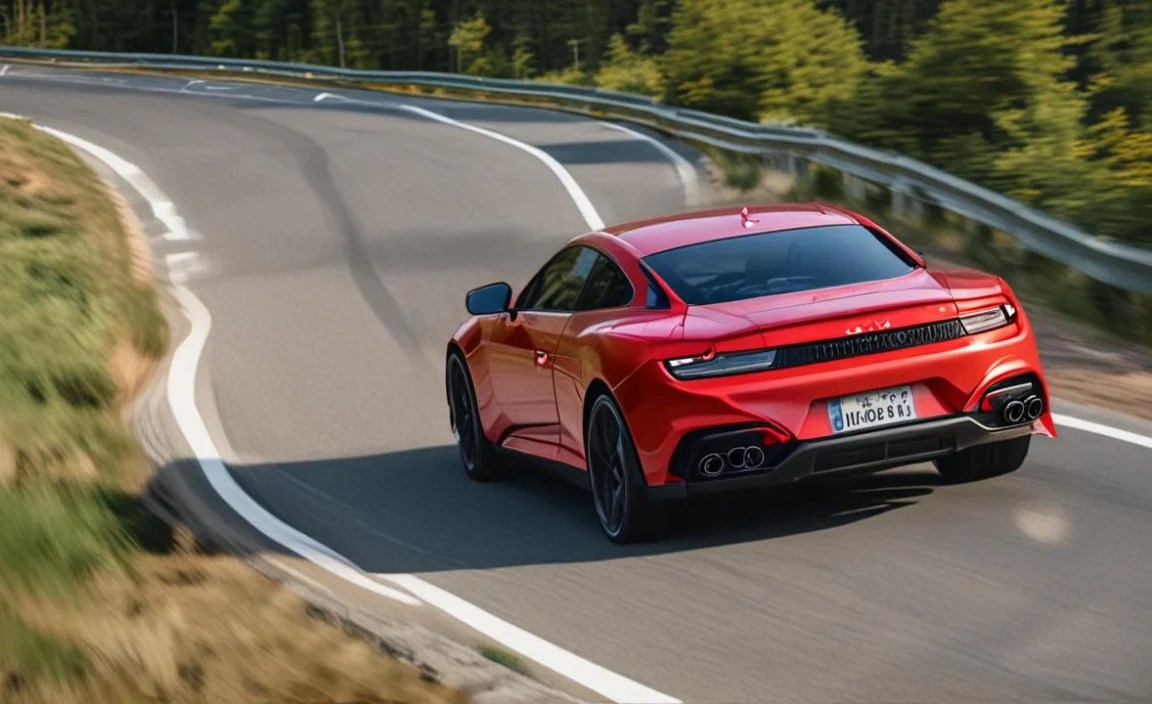
Now that you understand the technology, how can you best experience and leverage the EQC’s impressive cornering capabilities?
- Familiarize Yourself with Drive Modes: Spend time experimenting with ECO, Comfort, and Sport modes on different types of roads. Notice how the car’s character changes, particularly how Sport mode firms up the handling and sharpens responses in corners.
- Smooth Inputs are Key: The EQC’s systems are designed to work best with smooth acceleration, braking, and steering inputs. Avoid abrupt movements, especially in dynamic driving situations. The car will respond best when you anticipate the corner and guide it smoothly.
- Trust the Technology: Don’t be afraid to push the EQC moderately into a corner. The combination of its low center of gravity, intelligent torque distribution, and the ESP system is designed to keep you safe and in control. You’ll likely find you can carry more speed with more confidence than you might expect.
- Maintain Your tires: As discussed, well-maintained tires with adequate tread depth and correct pressure are crucial. Regularly check their condition and replace them when they show signs of wear.
- Consider Performance Tires: If you frequently find yourself on winding roads and desire even greater lateral grip, consider upgrading to a set of premium performance-oriented tires when it’s time for a replacement.
- Regular Maintenance Checks: Ensure your EQC receives its scheduled maintenance. This includes checks of the suspension, steering, and braking systems, all of which are critical for safe and effective cornering.
Troubleshooting Common Cornering Issues (Beginner’s Guide)

While the EQC is engineered for exceptional performance, occasional issues might arise. Here are a few beginner-friendly points to consider:
- Tire Noise or Roar in Corners: This can often indicate uneven tire wear, alignment issues, or simply that the tires are at the end of their life. If the noise is new or has changed significantly, it’s worth a professional inspection.
- Vibrations or Shuddering during Cornering: This could be a sign of a few things, including wheel bearing issues, a warped brake rotor (especially if it happens when braking in a turn), or even a bent wheel rim from hitting a pothole.
- Pulling to One Side in Corners: This strongly suggests an alignment problem. Your wheels might not be pointed straight, causing resistance and a tendency to drift. This is something a Mercedes-Benz service center can rectify.
- Warning Lights Related to Stability or Traction: If your EQC’s ESP or traction control warning lights illuminate, it indicates a fault within these systems. This could be related to wheel speed sensors, steering angle sensors, or issues with the motor or braking control. A diagnostic scan is necessary.
For any persistent unusual noises, vibrations, or warning lights, it’s always best to consult a qualified Mercedes-Benz technician. They have the specialized tools and expertise to diagnose and repair complex automotive systems accurately. You can find reputable service centers via the official Mercedes-Benz USA dealer locator.
Frequently Asked Questions (FAQs)
What makes the Mercedes-Benz EQC corner so well compared to other SUVs?

The EQC corners exceptionally well due to its low center of gravity from the battery pack, intelligent dual-motor all-wheel-drive system that precisely manages torque, and available adaptive suspension systems. These elements work together to minimize body roll, maximize grip, and provide a stable, confident feel through turns.
Is the EQC’s cornering ability affected by its weight?

While the EQC is heavier than many gasoline SUVs due to the battery, its weight is positioned very low in the chassis. This low center of gravity actually enhances its cornering stability by reducing the tendency for body roll, making it feel more planted and secure than heavier vehicles with a higher center of gravity.
Do I need to do anything special to get the best cornering performance from my EQC?

For everyday driving, simply drive normally! For optimal performance, ensure your tires are properly inflated and in good condition. Experimenting with the Comfort and Sport drive modes will help you appreciate the different handling characteristics the EQC offers.


