
Proven Bidirectional EV Charging Mercedes: Effortless Power
Bidirectional EV Charging Mercedes lets your electric Mercedes-Benz power your home or the grid, offering incredible flexibility and energy independence. This advanced technology, often referred to as Vehicle-to-Grid (V2G) or Vehicle-to-Home (V2H), allows your car to do more than just drive. Effortless power is now at your fingertips, turning your luxury EV into a mobile energy hub.
Driving a Mercedes-Benz electric vehicle opens up a world of innovation. One of the most exciting advancements right now is bidirectional charging. Imagine your luxury electric car not only taking power from the grid to charge its battery but also sending power back to your home or even the electrical grid. This might sound like science fiction, but it’s becoming a reality for Mercedes-Benz owners. It’s a game-changer for energy management, offering peace of mind and potential savings. Let’s explore how this sophisticated technology works and what it means for you.
What is Bidirectional EV Charging?

Bidirectional EV charging, also known by its more technical terms Vehicle-to-Grid (V2G) and Vehicle-to-Home (V2H), is a revolutionary technology that allows an electric vehicle’s battery to store energy and then discharge it. Instead of a one-way street where electricity flows only from the charger to the car, bidirectional charging creates a two-way highway. This means your electric Mercedes-Benz can act as a mobile power source, sending electricity back to where it’s needed.
Think of your EV’s large battery as a massive, portable power bank. When plugged in, it can receive electricity to recharge. However, with bidirectional charging, it can also send that stored electricity out. This capability can be used in several ways: to power your house during an outage, reduce your electricity bills by using stored energy during peak hours, or even to supply power back to the electrical grid itself. This technology, integrated into select Mercedes-Benz EQ models, is poised to transform how we interact with energy.
The Magic Behind Bidirectional Charging: V2G & V2H Explained

Bidirectional charging encompasses two primary applications: Vehicle-to-Home (V2H) and Vehicle-to-Grid (V2G). Understanding the difference is key to appreciating the full potential of this technology.
Vehicle-to-Home (V2H)
Vehicle-to-Home (V2H) is perhaps the most intuitive application for most EV owners. In this scenario, your electric Mercedes-Benz acts as a backup power source for your residence. If there’s a power outage, your car can automatically disconnect from the grid and begin supplying electricity to your home’s essential appliances. This is incredibly valuable, ensuring you have light, refrigeration, and connectivity even when the main power goes down. It provides a significant level of energy independence and protection against disruptions.
To utilize V2H, you typically need a few components:
- A bidirectional charging station (also known as an inverter or wall box).
- A home energy management system to control the power flow.
- Your compatible Mercedes-Benz EQ vehicle.
This system ensures that your home receives power from the EV battery without any interruption or manual intervention when the grid fails. When grid power is restored, the system seamlessly switches back, and the EV can begin recharging.
Vehicle-to-Grid (V2G)
Vehicle-to-Grid (V2G) takes the concept a step further. Instead of just powering your home, your EV can also send electricity back to the utility grid. This is usually done during periods of high demand or when there’s a shortage of electricity from other sources. In return for allowing the utility to use your car’s battery capacity, you can often receive financial compensation or electricity credits.
V2G technology plays a vital role in grid stabilization. It helps utilities manage fluctuations in electricity supply and demand, especially with the increasing integration of renewable energy sources like solar and wind, which can be intermittent. By acting as a distributed energy storage network, these EVs can help prevent blackouts and reduce the need for expensive “peaker plants” that are often fired up only during peak demand times.
Key benefits of V2G include:
- Grid Support: Helps balance supply and demand.
- Revenue Generation: Owners can earn money by providing grid services.
- Renewable Energy Integration: Supports the wider adoption of green energy.
- Reduced Carbon Footprint: Decreases reliance on fossil fuel-powered peaker plants.
For V2G to work, your charging infrastructure must communicate directly with the grid operator and your vehicle. This involves sophisticated software and hardware, often managed by specialized aggregators who coordinate many EVs to act as a single power source for the utility.
Mercedes-Benz Pioneers Bidirectional Charging

Mercedes-Benz is at the forefront of integrating this advanced technology into its luxury electric vehicles. The focus is on delivering seamless integration and practical benefits to owners, making the transition to electric mobility even more appealing.
Mercedes-Benz’s commitment to bidirectional charging is evident through its partnerships and development of compatible charging solutions. While specific model availability and regional rollout can vary, the company is actively developing and testing V2G and V2H capabilities for its EQ lineup. This means that as the technology matures and charging infrastructure becomes more widespread, owners of future and potentially current Mercedes-Benz EQ models will be well-positioned to leverage these powerful features.
The aim is to offer charging solutions that are not just about convenience but also about smart energy management. Customers can anticipate an ecosystem where their vehicle, home, and the grid work in harmony, optimizing energy usage and cost-effectiveness.
How Does Bidirectional EV Charging Work? The Technical Flow
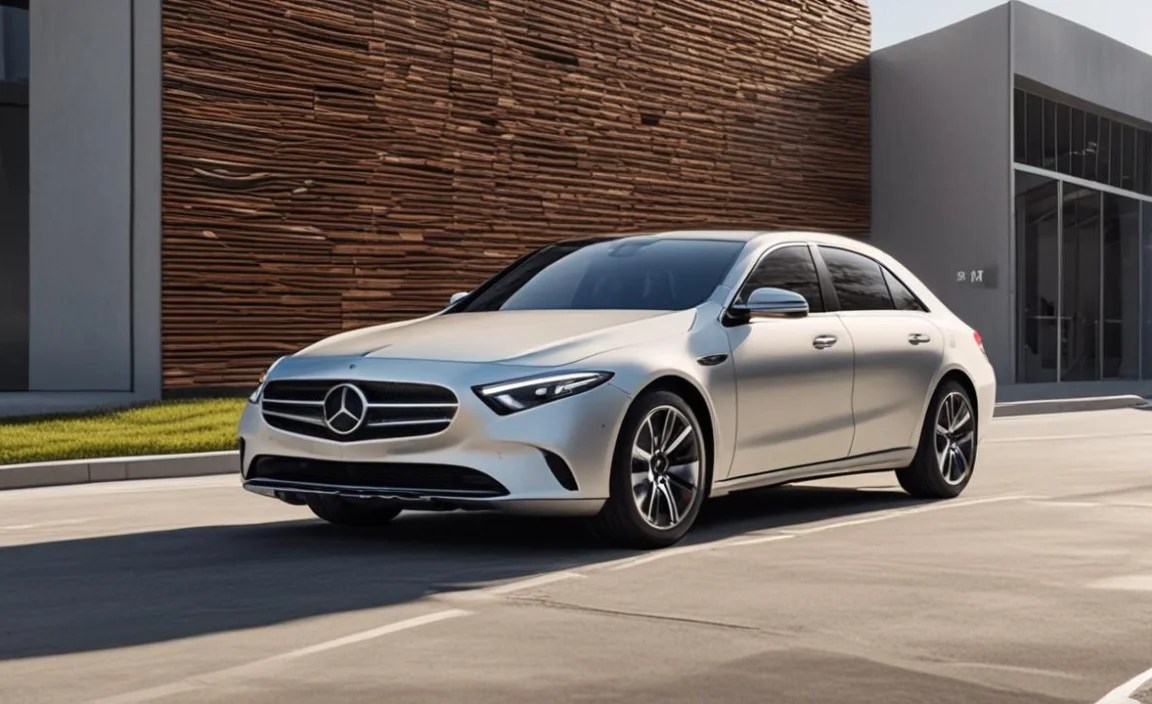
At its core, bidirectional EV charging relies on specialized hardware and intelligent software to manage the flow of electricity. It’s a complex interplay that needs to be incredibly safe and efficient.
Here’s a simplified breakdown of the process:
- Vehicle Communication: Your Mercedes-Benz EV’s battery management system (BMS) communicates with the charging station and, if applicable, the home energy system or grid. This ensures the battery is charged or discharged safely, staying within its optimal operating parameters.
- The Inverter is Key: The electricity stored in your EV’s battery is Direct Current (DC). Most homes and the grid use Alternating Current (AC). A crucial component, often integrated into the bidirectional charging station, is an inverter. This device converts DC power from the car’s battery into AC power that can be used by your home appliances or sent to the grid. It also converts AC power from the grid back into DC for charging the battery when needed.
- Smart Charging Infrastructure: A bidirectional charging station (or wall box) is essential. This unit is designed to handle two-way power flow, unlike standard chargers that only allow current to flow in one direction. It acts as the gateway between your car, your home’s electrical panel, and potentially the utility grid.
- Home Energy Management (for V2H): If you’re using V2H, a home energy management system (HEMS) plays a critical role. It monitors your home’s power consumption and the grid status. When a power outage is detected, or during peak grid demand for V2G, the HEMS signals the charging station to start discharging power from your EV to your home. It also manages when to switch back to grid power and when to recharge the vehicle.
- Grid Communication (for V2G): For V2G, the system needs to communicate with the utility or a grid operator. This allows the car to send power when the grid needs it and receive commands about when to charge or discharge. This interaction is managed through smart meters and communication protocols.
The system prioritizes safety, ensuring that the car is only discharged when it’s safe to do so and that the power fed back into the home or grid meets all safety and quality standards. Mercedes-Benz is working to make this complex process as user-friendly as possible.
Key Components for Bidirectional Charging
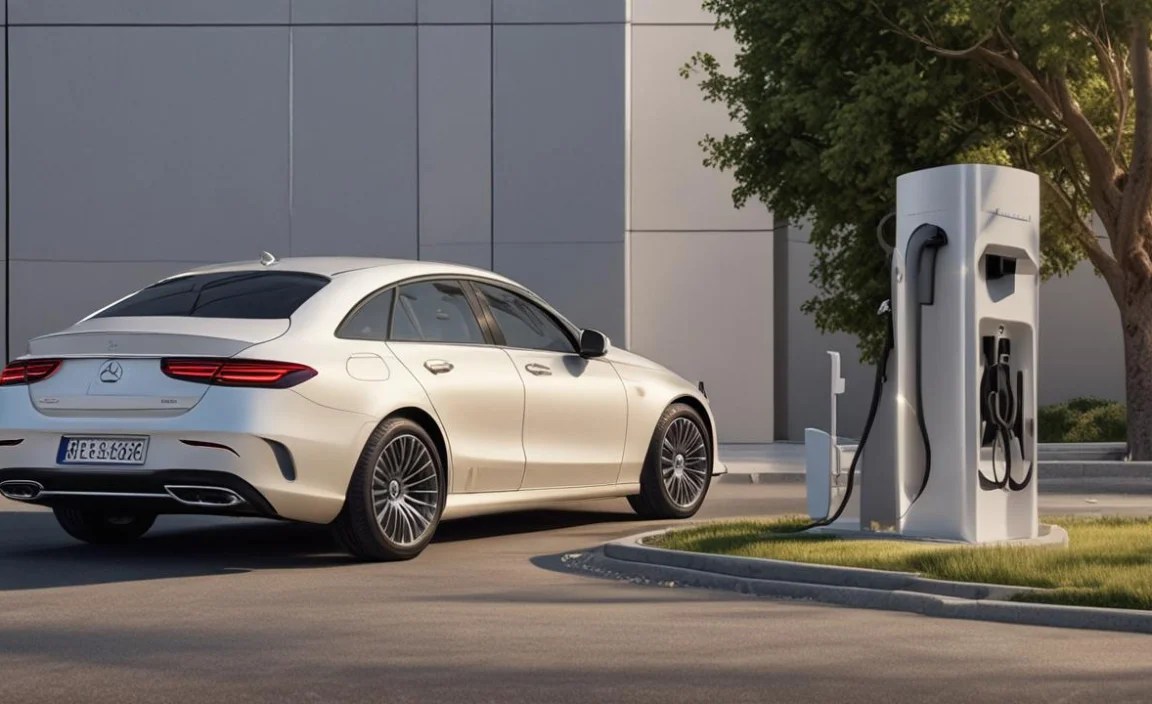
To unlock the power of bidirectional charging with your Mercedes-Benz, several key components need to be in place. These work together to enable the seamless flow of energy.
- Compatible Mercedes-Benz EQ Vehicle: Not all EVs are created equal when it comes to V2G/V2H. Your Mercedes-Benz EQ model must be equipped with the necessary hardware and software to support bidirectional power flow. Mercedes-Benz is strategically introducing this capability into its electric fleet.
- Bidirectional Wall Charger/Inverter: This is the heart of the system. Unlike standard EV chargers, a bidirectional unit can both accept and supply AC power, facilitating the transfer of energy to and from your vehicle’s battery. Leading manufacturers are developing these, and Mercedes-Benz often partners with or recommends specific models. For example, the Wallbox in partnership with Mercedes-Benz is evolving to support these capabilities. Mercedes-Benz’s dedication to battery technology extends to these innovative uses.
- Home Energy Management System (HEMS): For V2H functionality, a HEMS is crucial. It acts as the brain of your home’s energy ecosystem, managing power sources (grid, solar, EV battery) and loads (appliances). It allows for intelligent decision-making, like prioritizing power delivery from the EV during an outage.
- Utility Integration (for V2G): V2G requires seamless communication between the charging system, your vehicle, and the electrical grid. This often involves agreements with your utility provider and potentially a third-party energy aggregator that manages your car’s participation in grid services.
- Smart Meter: A smart meter is essential for accurately measuring and communicating electricity usage to and from the grid, which is vital for V2G services and billing.
The availability and specific requirements for these components can vary by region. It’s always advisable to consult with your Mercedes-Benz dealer and a qualified electrician to ensure compatibility and proper installation.
Effortless Power: The Benefits of Bidirectional Charging
Bidirectional charging offers a compelling array of advantages, turning your electric Mercedes-Benz into a multifaceted asset for your home and the environment.
For the Owner:
- Energy Independence and Resilience: Enjoy peace of mind knowing your home can be powered during grid outages. This is invaluable for keeping essential services running.
- Cost Savings: Optimize your electricity expenses. Charge your car when electricity is cheap (e.g., overnight or during off-peak hours) and use that stored energy to power your home during expensive peak hours, reducing your utility bills.
- Potential Revenue Streams: Through V2G programs, you can earn money or credits by allowing your EV’s battery to support the grid when needed.
- Extended Functionality: Your vehicle becomes more than just transportation – it’s a flexible energy resource for your property.
- Reduced Wear on Home’s Electrical System: In scenarios like powering a home, the EV battery can often provide a more stable and controlled power source than traditional backup generators.
For the Grid and Environment:
- Grid Stabilization: V2G services help utilities manage demand, prevent brownouts, and ensure a reliable power supply, especially as more variable renewable energy sources come online.
- Support for Renewable Energy: EV batteries can store excess renewable energy generated during sunny or windy periods and then release it when needed, making renewables more dependable.
- Reduced Emissions: By reducing the need for fossil-fuel-powered “peaker plants” that run only during high demand, V2G can lead to lower overall carbon emissions.
- Efficient Energy Use: It promotes a more efficient use of the electricity generated, reducing waste and optimizing the overall energy infrastructure.
These benefits collectively highlight how bidirectional charging transforms the role of the electric vehicle, making it an integral part of a smarter, more resilient, and sustainable energy future.
Are All Mercedes-Benz EVs Bidirectional?
No, not all Mercedes-Benz electric vehicles (EVs) currently support bidirectional charging out-of-the-box. The implementation of bidirectional charging capabilities is an advanced feature that requires specific hardware and software integration within the vehicle and its charging systems.
Mercedes-Benz is actively developing and rolling out this technology. Newer EQ models are more likely to be designed with future bidirectional charging in mind. The company is often seen testing these capabilities with partners and has announced plans to integrate V2G and V2H functionality into its electric portfolio. However, it’s crucial to check the specific specifications of the model year and trim you are interested in, or the capabilities of your current vehicle.
Key points to consider:
- Model Year: This technology is often introduced progressively.
- Specific EQ Models: Certain high-end or future EQ models may be prioritized for this feature.
- Software Updates: In some cases, bidirectional capabilities might be enabled through over-the-air (OTA) software updates for vehicles that are already equipped with the necessary hardware.
- Regional Availability: Deployment of V2G and V2H infrastructure and services can vary significantly by country and even by local utility.
Always consult the official Mercedes-Benz specifications for your region or a Mercedes-Benz dealership to confirm if a particular EV model supports bidirectional charging and what the requirements are for enabling it.
Installation and Setup: Getting Started with Bidirectional Charging
Setting up bidirectional charging is a more involved process than a standard Level 2 charger installation. It requires careful planning and professional execution to ensure safety and optimal performance.
Step-by-Step Guide to Installation:
- Confirm Vehicle Compatibility: First, ensure your Mercedes-Benz EQ model is indeed capable of bidirectional charging. Refer to your vehicle’s manual or consult with your dealer.
- Choose a Bidirectional Charging Station: Select a wall charger that is certified for bidirectional operation and is compatible with your Mercedes-Benz vehicle. Mercedes-Benz sometimes partners with charging providers, so inquire about recommended partners or approved equipment.
- Consult a Qualified Electrician: This is non-negotiable. Bidirectional charging involves more complex electrical work, potentially including higher voltage connections and communication wiring for home energy management systems or grid interaction. A licensed electrician experienced with EV charging infrastructure is essential.
- Assess Your Home’s Electrical System: The electrician will assess your home’s main electrical panel and service capacity. Bidirectional charging, especially when powering your entire home (V2H), can draw significant power. Your home’s infrastructure may need upgrades to handle this.
- Plan for Home Energy Management (Optional but Recommended for V2H): If you plan to use V2H, discuss integrating a Home Energy Management System (HEMS). The electrician can help install and configure this system to communicate effectively with the charger and your home’s loads.
- Install the Charging Station: The electrician will securely mount the bidirectional charger, make the necessary electrical connections, and ensure it’s properly grounded and protected.
- Software Configuration and Testing: After physical installation, the charging station and any connected HEMS will need to be configured. This involves setting parameters for charging, discharging, and communication protocols. Thorough testing is conducted to ensure everything functions as expected and safely.
- Grid Connection and Aggregator Setup (for V2G): If you plan to participate in V2G programs, you will need to coordinate with your local utility and potentially an energy aggregator. This may involve additional permissions, smart meter installations, and sign-ups for specific grid service programs.
Important Note: Regulations and available V2G/V2H programs vary by location. Always ensure your installation complies with local building codes and utility requirements. Reputable sources like the U.S. Department of Energy’s Alternative Fuels Data Center provide general guidance on EV charging infrastructure.
Understanding Charging Speeds and Battery Health
Bidirectional charging introduces considerations for charging speeds and the long-term health of your Mercedes-Benz EV’s battery.
Charging and Discharging Speeds
The speed at which your electric Mercedes-Benz can charge or discharge depends on several factors:
- Charger Capability: The maximum power (kW) the bidirectional wall charger can deliver or accept.
- Vehicle’s Onboard Charger/Inverter: The EV’s internal hardware limits how quickly it can accept AC power or invert DC power for discharge.
- Battery’s State of Charge (SoC): Batteries charge and discharge fastest when they are in the middle of their SoC range. Very low or very high SoC can result in slower rates.
- Battery Temperature: Extreme temperatures (hot or cold) can lead to reduced charging and discharging speeds to protect the battery.
- Grid/Home Demand: For V2H, the speed of power delivery to your home will be limited by what your home’s electrical system can handle and what your battery can supply. For V2G, the utility or aggregator will dictate the rate.
Bidirectional discharging (V2H/V2G) is often designed to be at a moderate pace, typically in the range of 7-11 kW, similar to a Level 2 charger. This is usually sufficient to power essential home loads or provide


