
Mercedes SUV Engine Lineup: Ultimate Power
Quick Summary:
Exploring the Mercedes SUV engine lineup reveals a spectrum of power designed for every need, from efficient four-cylinders to potent V8s. Whether you prioritize fuel economy, thrilling acceleration, or robust towing, Mercedes-Benz offers an engine that perfectly balances luxury, performance, and cutting-edge technology for its SUV models.
Choosing the right Mercedes-Benz SUV can feel like navigating a luxury showroom filled with tempting options. You’re drawn to the craftsmanship, the advanced technology, and the undeniable prestige. But when it comes to the heart of the machine – the engine – the choices can seem complex. Which engine offers the best blend of power and efficiency for your daily commute? What kind of performance can you expect from the AMG variants? Understanding the Mercedes SUV engine lineup is key to finding the SUV that truly fits your driving style and needs. Don’t worry, we’ll break down each engine option, making it easy to understand what powers these incredible machines.
Understanding the Heartbeat: Mercedes-Benz SUV Engine Philosophies

Mercedes-Benz approaches its SUV engine development with a clear focus: delivering a refined yet potent driving experience that aligns with the brand’s luxury ethos. This means more than just raw horsepower. It’s about smooth power delivery, advanced engineering for efficiency, and an intuitive connection between the driver and the road. Whether you’re looking for an engine to effortlessly cruise down the highway, tackle challenging terrain, or experience exhilarating acceleration, Mercedes-Benz has engineered a solution.
The brand offers a diverse range of powertrains across its extensive SUV portfolio, which includes models like the compact GLA and GLB, the mid-size GLC and GLE, the full-size GLS, and the adventurous G-Class. Each engine is designed to complement the specific character and purpose of the SUV it inhabits. This ensures that the engine isn’t just a component, but an integral part of the vehicle’s overall identity and capability.
The Core of the Lineup: Inline-4 and Inline-6 Engines

The backbone of the Mercedes-Benz SUV engine lineup often features sophisticated four-cylinder and six-cylinder engines. These are not your average inline engines; Mercedes-Benz consistently engineers them for impressive power output and remarkable efficiency, often enhanced by advanced turbocharging and mild-hybrid technology.
The Versatile Inline-4
You’ll find the turbocharged 2.0-liter inline-four cylinder engine in many of Mercedes-Benz’s smaller and mid-size SUVs. This engine is a masterclass in balancing performance and economy. It’s designed to provide peppy acceleration for city driving and confident merging onto highways, all while sipping fuel judiciously.
Key Characteristics of the Inline-4:
- Turbocharging: Forced induction allows for greater power from a smaller displacement, improving both performance and efficiency.
- Direct Injection: Precise fuel delivery leads to better combustion, enhanced power, and reduced emissions.
- Optional Mild-Hybrid Systems (EQ Boost): Many modern inline-4 engines are paired with a 48-volt mild-hybrid system. This system provides a temporary boost of power (typically around 13-20 horsepower) during acceleration, smoother transitions for the start/stop system, and allows for more aggressive energy recuperation during braking. It’s a seamless way to improve responsiveness without a significant increase in fuel consumption.
For instance, in models like the GLC 300, the inline-four offers a sprightly performance that belies its size, making it a popular choice for those seeking a premium compact SUV experience. The integration of EQ Boost makes the power delivery feel more robust and refined than a traditional internal combustion engine alone.
The Smooth Inline-6
Stepping up in both size and smoothness, the turbocharged 3.0-liter inline-six cylinder engine is a staple in Mercedes-Benz’s larger SUVs and higher trim levels. Inline-six engines are known for their inherent balance and smooth operation, and Mercedes-Benz takes this a step further with its signature engineering.
Key Characteristics of the Inline-6:
- Inherent Balance: The inline-six configuration is naturally balanced, leading to minimal vibrations and a supremely smooth running experience.
- Turbocharged Power: Like the inline-four, the inline-six benefits from turbocharging to deliver substantial horsepower and torque figures.
- Integrated Starter Generator (ISG) / EQ Boost: Almost universally, these engines feature Mercedes-Benz’s sophisticated mild-hybrid system, the ISG. This system offers more significant electrical assistance than the 48V systems found on some four-cylinders, providing up to 20-21 horsepower and substantial torque fill for even more seamless acceleration and improved efficiency. This technology significantly enhances responsiveness and reduces the lag often associated with turbocharging.
- Advanced Emissions Control: These engines are engineered with state-of-the-art emissions control systems to meet stringent global standards.
You’ll find this powerhouse in models like the GLE 450 and GLS 450, where it provides effortless acceleration and a sense of effortless capability, whether you’re hauling passengers or towing a trailer. The integration of EQ Boost is particularly noticeable here, making the large SUV feel surprisingly agile and responsive.
The Pinnacle of Performance: AMG V8 Engines

For those who crave uncompromised power and a visceral driving sensation, the AMG V8 engines are the ultimate expression of Mercedes-Benz SUV performance. AMG, Mercedes-Benz’s in-house performance division, takes already capable engines and elevates them to extraordinary levels, tuning them for maximum output, exhilarating sound, and razor-sharp responsiveness.
These handcrafted engines are the heart of the AMG SUVs, transforming luxury vehicles into high-performance machines that can rival dedicated sports cars. The AMG V8 lineup is typically centered around a twin-turbocharged 4.0-liter V8 engine, but the specific tuning and output vary significantly across models to achieve distinct performance characteristics.
The Mighty 4.0-Liter V8 Biturbo
This engine is the workhorse of the AMG SUV range, found in performance-oriented versions of models like the GLC, GLE, and GLS, as well as the iconic G-Class. AMG engineers meticulously tune this V8 to deliver:
- Immense Horsepower and Torque: Even in its “entry-level” AMG form (e.g., AMG GLC 43, which uses a version of the 3.0L I6 but is often grouped mentally with V8 power), and certainly in the V8 models (e.g., AMG GLE 53, which also uses a V6, but thinking of the V8 powerhouses now), the output is substantial. The true V8 AMG models, however, push boundaries. For example, the AMG GLE 63 S can produce upwards of 603 horsepower and 750 lb-ft of torque.
- Twin-Turbo Pcharge: Two turbochargers, often mounted in the ‘V’ of the engine, provide immediate boost and dramatic power delivery.
- AMG-Tuned Exhaust: The exhaust systems are specifically designed to produce an aggressive, unmistakable AMG sound that enhances the driving experience.
- Handcrafted “One Man, One Engine” Philosophy: Many AMG V8 engines are assembled by a single technician, embodying the brand’s commitment to precision and quality.
- Active Engine Mounts: These mounts can adjust their stiffness to provide a more comfortable ride during cruising and a firmer connection during spirited driving.
The AMG V8 engines are not just about straight-line speed; they are engineered to provide exceptional handling and braking capabilities to match the power, creating a balanced and thrilling performance package.
Special Mentions: Diesel and Plug-In Hybrid Options

While gasoline engines dominate the lineup, Mercedes-Benz also offers alternative powertrains in certain markets and for specific SUV models, catering to diverse customer needs related to fuel efficiency and driving range.
Diesel Power (where available)
In markets where diesel is still a popular choice, Mercedes-Benz offers robust diesel engines. These are typically inline-four or inline-six configurations designed for excellent torque, fuel efficiency, and long-distance cruising capability. They provide a different character of power, with strong low-end grunt ideal for towing and relaxed highway driving.
Plug-In Hybrid (PHEV) Technology
Mercedes-Benz is aggressively expanding its plug-in hybrid (PHEV) offerings across its SUV range. These vehicles combine a gasoline engine with a powerful electric motor and a substantial battery pack, offering:
- Electric-Only Range: The ability to drive significant distances (often 30-50 miles or more, depending on the model and battery size) on electric power alone, ideal for urban commuting and reducing local emissions dramatically.
- Combined Power: When the gasoline engine and electric motor work together, they can deliver performance figures comparable to, or even exceeding, some AMG models.
- Charging Flexibility: PHEVs can be charged at home via a standard outlet or a dedicated wall charger, or at public charging stations.
- Fuel Efficiency: When used for short trips or with regular charging, PHEVs can offer exceptionally high miles per gallon, significantly reducing fuel costs.
Models like the GLC 300e/350e and GLE 350e/560e showcase this technology, blending electric luxury with the familiar Mercedes-Benz SUV driving experience. For more information on charging infrastructure and best practices, resources like the U.S. Department of Energy’s Alternative Fuels Data Center offer valuable insights into managing electric vehicle charging.
Performance Specifications Table
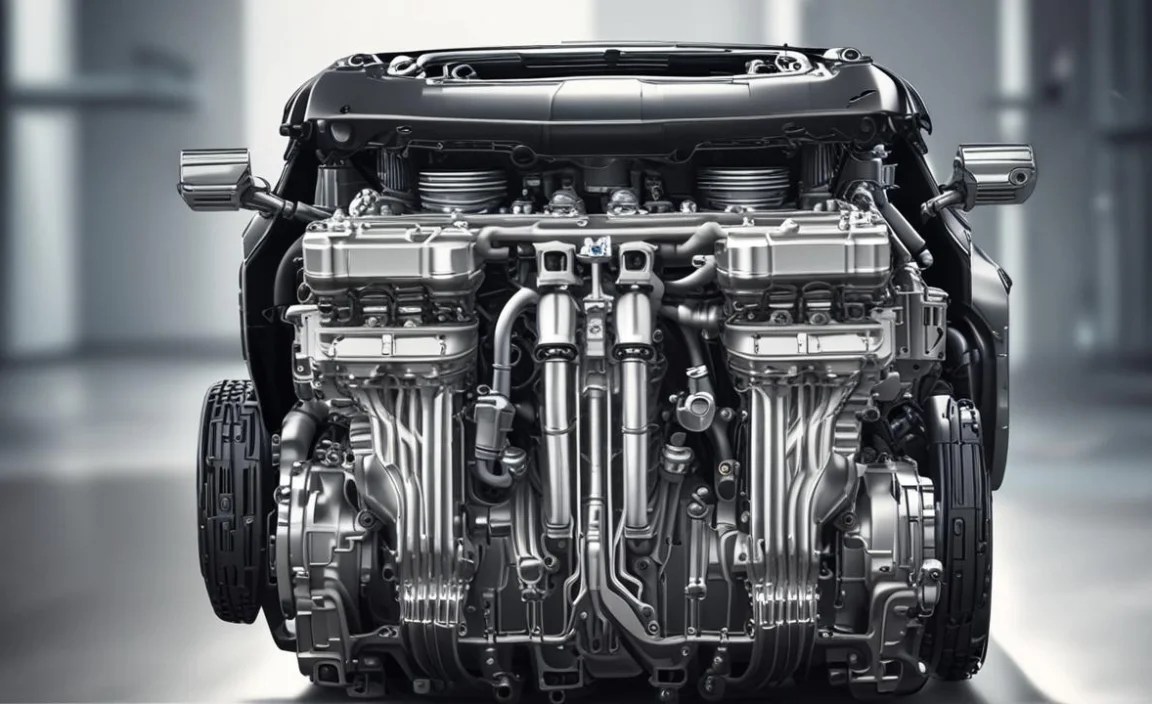
To provide a clearer overview of the power differences, here’s a look at some representative engine outputs across the Mercedes-Benz SUV lineup. Please note that specific figures can vary by model year, trim level, and market.
| SUV Model (Example) | Engine Type | Displacement | Horsepower (Approx.) | Torque (Approx. lb-ft) | Key Characteristics |
|---|---|---|---|---|---|
| GLA 250 / GLB 250 | 2.0L Turbo Inline-4 | 1991 cc | 221 hp | 258 lb-ft | Efficient, agile, good for city/suburban use. |
| GLC 300 | 2.0L Turbo Inline-4 with EQ Boost | 1991 cc | 255 hp (+13 hp EQ Boost) | 273 lb-ft (+100 lb-ft EQ Boost transient) | Smooth, refined, good balance of power and economy. |
| GLE 450 | 3.0L Turbo Inline-6 with EQ Boost | 2996 cc | 362 hp (+21 hp EQ Boost) | 369 lb-ft (+184 lb-ft EQ Boost transient) | Effortless power, exceptionally smooth, strong all-rounder. |
| GLS 450 | 3.0L Turbo Inline-6 with EQ Boost | 2996 cc | 362 hp (+21 hp EQ Boost) | 369 lb-ft (+184 lb-ft EQ Boost transient) | Luxurious, powerful, capable for hauling and towing. |
| AMG GLC 43 | 3.0L Turbo V6 | 2996 cc | 385 hp | 384 lb-ft | Sporty, responsive, engaging driving dynamics. |
| AMG GLE 53 | 3.0L Turbo Inline-6 with EQ Boost | 2996 cc | 429 hp (+21 hp EQ Boost) | 384 lb-ft (+184 lb-ft EQ Boost transient) | Dynamic, powerful, blends sportiness with luxury. |
| AMG GLE 63 S | 4.0L V8 Biturbo with EQ Boost | 3982 cc | 603 hp (+21 hp EQ Boost) | 627 lb-ft (+184 lb-ft EQ Boost transient) | Extreme performance, exhilarating acceleration, athletic handling. |
| AMG G 63 | 4.0L V8 Biturbo | 3982 cc | 577 hp | 627 lb-ft | Iconic power, rugged performance, unmatched presence. |
How to Choose the Right Engine for Your Mercedes SUV
Selecting the perfect engine involves considering your driving habits, priorities, and the specific needs of your lifestyle. Here’s a breakdown to guide your decision:
For the Daily Commuter & City Driver:
- Focus: Fuel efficiency, nimble handling, comfortable ride, and sufficient power for city traffic.
- Recommended Engines: The turbocharged 2.0-liter inline-four (especially with mild-hybrid) found in models like the GLA 250, GLB 250, GLC 300. If electric-only commuting is a goal, explore the PHEV variants like the GLC 300e.
- Why: These engines offer a great balance, are easy to maneuver in tight spaces, and won’t break the bank at the pump.
For the Family Hauler & Highway Cruiser:
- Focus: Smoothness, ample power for merging and overtaking, comfortable long-distance journeys, and good towing capacity.
- Recommended Engines: The turbocharged 3.0-liter inline-six with EQ Boost, as seen in the GLE 450 or GLS 450.
- Why: The inline-six provides effortless power delivery, a serene cabin experience due to its inherent balance, and enough grunt for carrying multiple passengers and luggage or towing.
For the Performance Enthusiast:
- Focus: Maximum acceleration, thrilling sound, sporty handling, and an engaging driving experience.
- Recommended Engines: Any AMG-tuned V8 (or even the AMG inline-six models like the GLE 53) found in AMG variants like the AMG GLE 63 S, AMG GLS 63, or AMG G 63.
- Why: These are engineered for pure performance, offering supercar-level acceleration and dynamic capabilities that transform these luxury SUVs into true performance machines.
For the Eco-Conscious Driver:
- Focus: Minimizing emissions and fuel consumption, with the option for electric-only driving.
- Recommended Engines: Plug-in Hybrid (PHEV) models. These allow for electric-only driving for daily commutes and efficient gasoline power for longer trips.
- Why: PHEVs offer the best of both worlds, providing daily electric commuting without range anxiety from solely electric vehicles.
The Role of EQ Boost (Mild-Hybrid Technology)
You’ll notice EQ Boost mentioned frequently, and it’s a crucial part of Mercedes-Benz’s strategy to enhance performance and efficiency across its engine lineup. EQ Boost, powered by a 48-volt mild-hybrid system, is more than just an electric assist; it’s an integrated component that contributes significantly to the driving experience:
- Torque Fill: Provides instant torque when you accelerate from a stop or low speeds, smoothing out the power delivery from turbo engines and reducing lag.
- Sailing Function: Allows the engine to shut off during gentle deceleration or when coasting, saving fuel.
- Recuperation: Harvests energy during braking and deceleration, storing it in a small battery to power the system and assist the engine.
- Smoother Start/Stop: Makes the engine start/stop function virtually imperceptible, improving comfort.
- Electric Boost: Delivers a temporary surge of power during acceleration, making the vehicle feel more responsive and sprightly.
This technology is a key differentiator, setting Mercedes-Benz mild-hybrids apart by offering a more noticeable and beneficial integration than some other manufacturers’ systems.
Frequently Asked Questions (FAQ)
Q1: What is the base engine in most Mercedes-Benz SUVs?
A: The most common base engine for many Mercedes-Benz SUVs, particularly in their compact and mid-size offerings like the GLA, GLB, and GLC, is a turbocharged 2.0-liter inline-four cylinder engine. It’s designed to provide a good balance of power and efficiency for everyday driving.
Q2: Which Mercedes-Benz SUV engines are best for towing?
A: For towing, you’ll generally want engines with significant torque. The turbocharged inline-six engines (like in the GLE 450 and GLS 450) and especially the AMG V8 engines (like in the AMG GLE 63, AMG GLS 63, and AMG G 63) offer the most robust towing capabilities due to their higher torque ratings and overall power output.


