
Mercedes-Benz Electric Vehicle Resale Value: Your Ultimate Advantage
Mercedes-Benz electric vehicle resale value is remarkably strong, thanks to the brand’s reputation for quality, advanced technology, and enduring luxury. Owning a Mercedes-Benz EV means investing in a vehicle designed to hold its value, offering a significant advantage when it’s time to sell or trade in. This guide explains why and how to maximize yours.
Thinking about buying a Mercedes-Benz electric vehicle (EV) or wondering how much your current one will be worth down the road? It’s a common question, especially with the rapid evolution of electric car technology. Many people worry that EVs might depreciate quickly, but when it comes to a brand like Mercedes-Benz, the picture is often much brighter. You’ve chosen a vehicle known for its engineering, luxury, and innovation, and these qualities play a huge role in its long-term value. This guide is designed to demystify Mercedes-Benz EV resale value, explain what factors influence it, and offer practical tips to ensure your investment remains as strong as possible. Get ready to feel confident about your decision and understand the unique advantages of owning a premium electric Mercedes.
Understanding Mercedes-Benz EV Resale Value

When we talk about resale value, we’re referring to how much a vehicle is expected to be worth after a certain period of ownership. For luxury brands like Mercedes-Benz, this is influenced by a combination of factors that go beyond just the basic function of transportation. It’s about brand prestige, technological advancement, build quality, and the overall ownership experience.
Mercedes-Benz has a long-standing reputation for crafting vehicles that are built to last and maintain their appeal. This heritage extends seamlessly into their electric vehicle lineup. Unlike some early EVs from less established brands, Mercedes-Benz EVs are designed with the same meticulous attention to detail and premium materials that customers expect. This commitment to quality is a fundamental driver of strong resale values.
The German automaker’s foray into the electric space, with models like the EQS, EQE, EQB, and EQC, has been characterized by cutting-edge technology, sophisticated design, and impressive performance. These aren’t just electric cars; they are unequivocally Mercedes-Benz vehicles, equipped with advanced driver-assistance systems, intuitive infotainment, and powerful, efficient powertrains. This holistic approach makes them desirable not just when new, but also as pre-owned vehicles for a wider audience.
Why Mercedes-Benz EVs Stand Out

Several key characteristics contribute to the robust resale value of Mercedes-Benz electric vehicles:
- Brand Reputation: Mercedes-Benz is synonymous with luxury, reliability, and engineering excellence. This global recognition instills confidence in buyers, even in the used car market.
- Advanced Technology: From the MBUX (Mercedes-Benz User Experience) infotainment system to sophisticated battery management and charging capabilities, Mercedes-Benz EVs are at the forefront of automotive innovation.
- Build Quality and Durability: The robust construction and high-quality materials used in Mercedes-Benz vehicles contribute to their longevity and ability to withstand the test of time and mileage.
- Design Appeal: Mercedes-Benz vehicles, including their electric models, feature timeless and elegant designs that remain attractive for years.
- Performance: The dynamic driving experience, often enhanced by powerful electric powertrains, appeals to a broad range of drivers.
Key Factors Influencing Mercedes-Benz EV Resale Value

While the Mercedes-Benz name carries significant weight, several specific factors directly impact how much your electric vehicle will be worth over time. Understanding these can help you make informed decisions during your ownership journey.
1. Battery Health and Longevity

The battery is the heart of any electric vehicle. Its health, capacity, and expected lifespan are critical determinants of resale value. Modern EV batteries, especially those from premium manufacturers like Mercedes-Benz, are designed for durability. The brand often incorporates advanced battery thermal management systems and robust engineering to ensure longevity.
Mercedes-Benz provides comprehensive battery warranties (typically 8 years or 100,000 miles, whichever comes first, for models like the EQS and EQE) that cover defects and guarantee a minimum battery capacity. This warranty significantly reduces buyer anxiety about battery degradation in the used market. Data from battery health reports, often accessible through the car’s infotainment or a connected app, can provide objective proof of the battery’s condition, boosting confidence for potential buyers.
For the latest information on battery warranties and performance expectations, it’s always best to consult the official Mercedes-Benz specifications for your specific model year. You can often find this information on the Mercedes-Benz USA owner’s portal.
2. Model and Trim Level
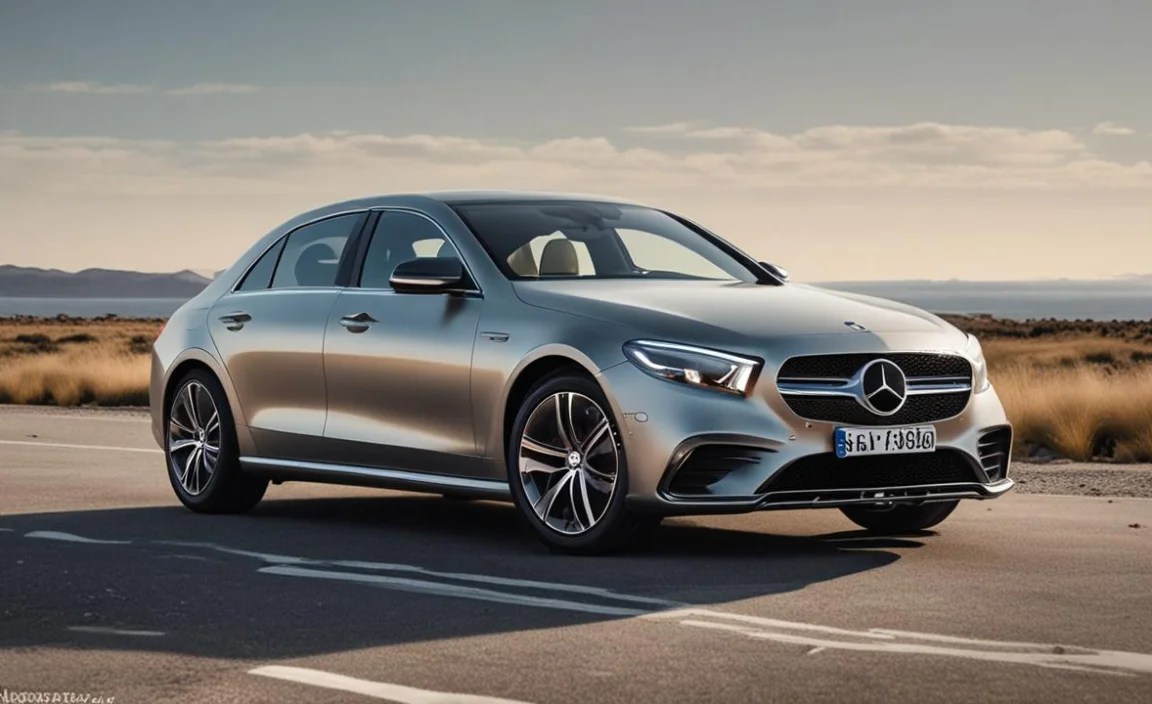
As with traditional gasoline-powered vehicles, certain Mercedes-Benz EV models and higher trim levels tend to hold their value better. Flagship models like the EQS Sedan and SUV, representing the pinnacle of electric luxury and technology, often have stronger residual values. Similarly, models equipped with premium packages, performance upgrades (like AMG Line variants), or desirable optional features will generally command higher prices in the pre-owned market.
The desirability of specific body styles also plays a role. For instance, if there’s high demand for electric SUVs, the EQB or EQE SUV might see stronger resale than a less popular sedan configuration, depending on market trends. Staying informed about current market demands can be beneficial.
3. Mileage and Condition

This is a universal factor in vehicle depreciation. Lower mileage and excellent physical condition (both interior and exterior) will always result in a higher resale value. Regular maintenance, careful driving, and prompt attention to any cosmetic or mechanical issues are crucial.
For EVs, this also includes maintaining good battery health through mindful charging habits (e.g., avoiding constant deep discharges or prolonged periods at 100% charge when not necessary) and protecting the vehicle from extreme environmental conditions.
4. Technology and Features
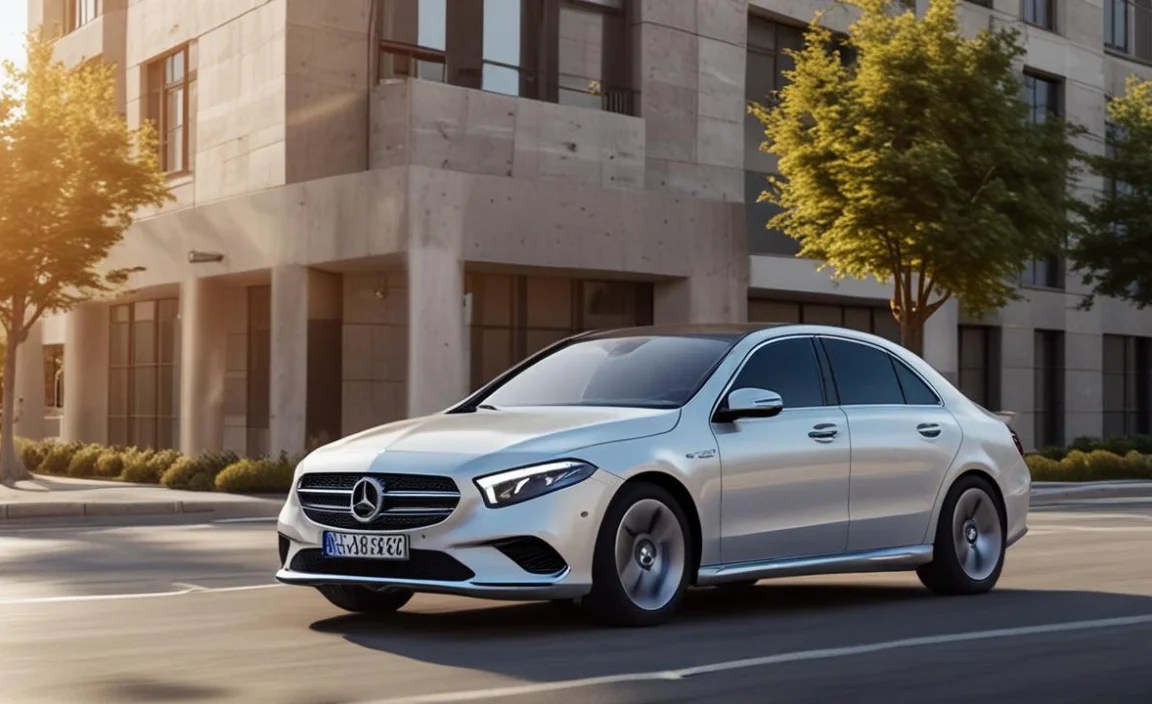
Mercedes-Benz is a pioneer in automotive technology. Features like their advanced MBUX system, augmented reality navigation, sophisticated driver-assistance suites (like DISTRONIC PLUS), and premium sound systems are significant selling points. Vehicles equipped with the latest and most sought-after technological advancements will retain their appeal and value longer.
As technology evolves, older models might seem less cutting-edge. However, Mercedes-Benz often maintains a certain level of technological integration and quality that keeps their vehicles desirable even as newer iterations emerge. The over-the-air (OTA) update capability on many Mercedes-Benz EVs also helps keep their software features current, positively impacting resale value.
5. Vehicle History and Maintenance Records

A clean vehicle history report, free from accidents or significant repairs, is vital. Documented, regular maintenance performed by authorized Mercedes-Benz service centers is equally important. This provides prospective buyers with assurance that the vehicle has been well cared for throughout its life, adding significant value.
Keeping meticulous records of all services, inspections, and any repairs can make a substantial difference when you negotiate a sale. It demonstrates transparency and diligent ownership.
6. Market Demand and Trends

The broader market for electric vehicles, as well as the specific demand for luxury EVs, plays a significant role. As more consumers become comfortable with EV technology and governments push for electrification, demand for well-maintained, high-quality pre-owned EVs, especially from reputable brands like Mercedes-Benz, is likely to remain strong.
Factors like charging infrastructure availability, government incentives (though these primarily affect new car purchases, they can indirectly influence the used market perception), and fuel prices can all influence the desirability of EVs relative to traditional internal combustion engine (ICE) vehicles.
Maximizing Your Mercedes-Benz EV Resale Value: A Practical Guide

You’ve made a significant investment in a Mercedes-Benz electric vehicle. Here’s how to ensure that investment retains as much value as possible:
1. Prioritize Regular Maintenance
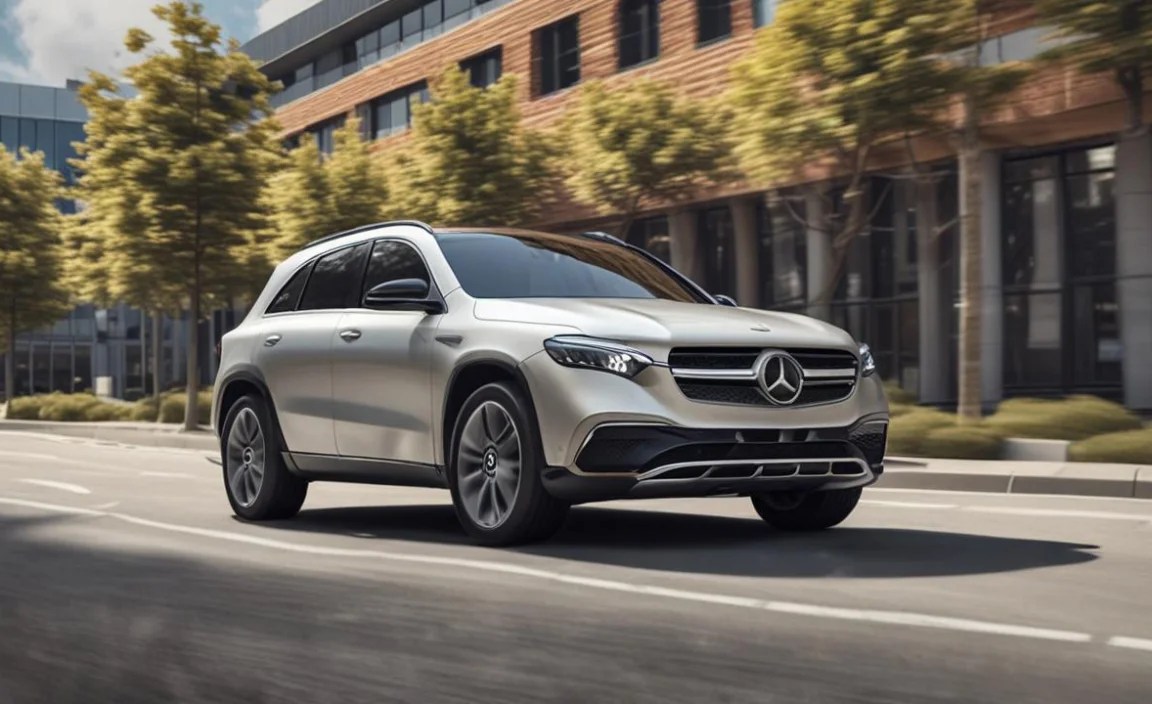
Adhering to the manufacturer’s recommended maintenance schedule is paramount. This includes routine checks on the battery cooling system, suspension, brakes (which often experience less wear in EVs due to regenerative braking), tires, and all electronic systems.
Use only authorized Mercedes-Benz service centers or highly reputable EV specialists. This ensures that any work done is to the brand’s exacting standards and that specialized diagnostic tools are utilized. Keep all service records meticulously. A digital record, easily accessible through the Mercedes me app or your personal cloud storage, is an excellent idea.
2. Maintain Optimal Battery Health

While Mercedes-Benz batteries are built to last, mindful charging practices can contribute to their long-term health and, by extension, your vehicle’s resale value.
- Avoid Frequent Deep Discharges: Try to charge your vehicle before the battery level drops below 20%.
- Limit Constant 100% Charging: For daily use, charging to around 80% or 90% is often sufficient and less taxing on the battery over the long term. Reserve 100% charges for longer trips when maximum range is needed.
- Utilize Scheduled Charging: If your utility offers off-peak electricity rates, use the vehicle’s or charger’s scheduling feature to charge at optimal times. This also helps manage battery temperature.
- Mindful Fast Charging: While DC fast charging is convenient, relying on it exclusively for everyday charging can accelerate battery degradation slightly more than Level 2 AC charging. Use it when necessary, but prioritize slower charging for daily top-ups.
- Temperature Management: Avoid leaving your EV parked in extreme heat or cold for extended periods if possible. The vehicle’s thermal management system works hard, but minimizing exposure to extremes is always beneficial.
3. Keep the Exterior and Interior Pristine

A car that looks as good as new will always fetch a better price. This means:
- Regular Washing and Waxing: Protect the paint from environmental damage, bird droppings, and contaminants.
- Interior Cleaning and Protection: Vacuum regularly, clean upholstery and surfaces with appropriate products, and consider protective coatings for leather and trim.
- Wheel and Tire Care: Keep wheels clean and free from brake dust. Ensure tires are properly inflated and rotated.
- Paint Protection Film (PPF) or Ceramic Coating: Consider investing in a high-quality PPF for high-impact areas (front bumper, hood, fenders) or a ceramic coating for the entire vehicle. These offer excellent protection against scratches, chips, and environmental marring and can be a significant selling point.
4. Address Minor Issues Promptly

Don’t let small problems snowball. A chipped windshield, a minor scratch, a squeaky door hinge, or a burnt-out interior bulb can detract from the vehicle’s perceived value. Addressing these quickly and professionally prevents them from becoming bigger concerns for a potential buyer.
5. Be Strategic with Modifications

While performance upgrades and aesthetic enhancements can be appealing to some, they can significantly hurt resale value for a luxury EV. Mercedes-Benz vehicles are appreciated for their sophisticated, factory-designed balance. Non-OEM modifications can raise concerns about reliability, warranty implications, and whether the vehicle has been driven excessively hard.
If you do choose to modify, ensure they are reversible and of the highest quality. Keep all original parts. For most owners focused on maximizing resale value, it’s often best to stick to the factory specifications.
6. Leverage Technology Features
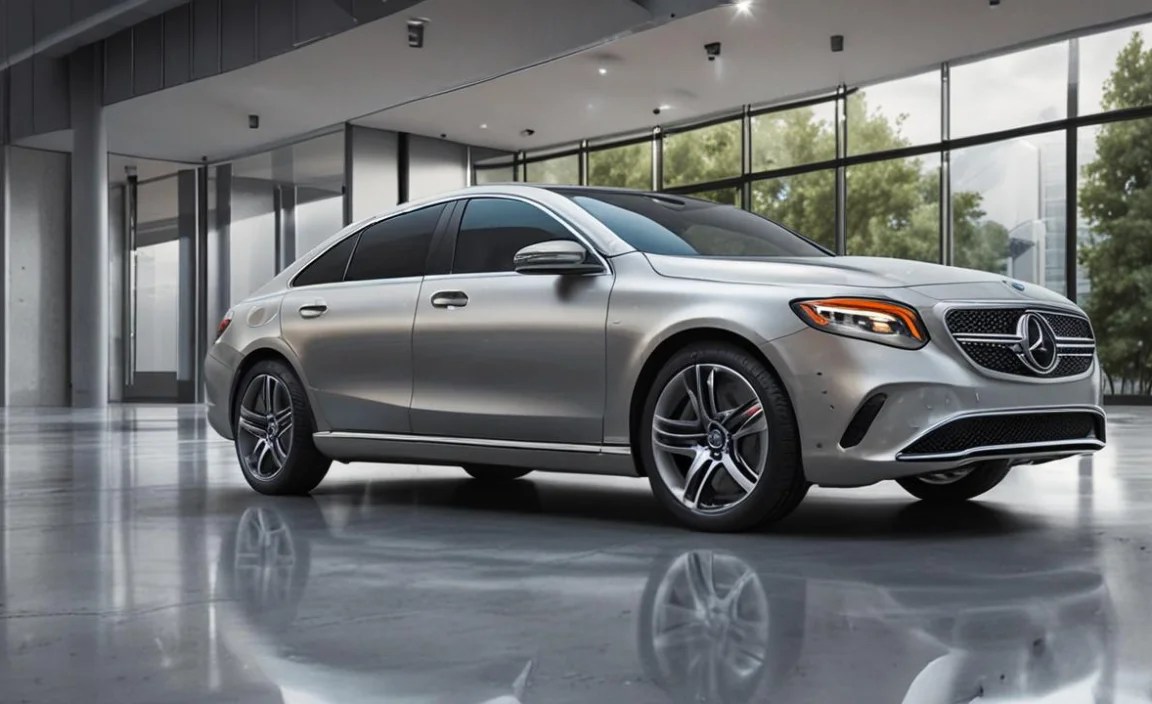
Ensure you are familiar with all the technological features of your Mercedes-Benz EV. Buyers will want to see these systems functioning perfectly. This includes the infotainment, navigation, climate control, advanced driver-assistance systems (ADAS), and connectivity features (like the Mercedes me app). Regularly check for and install over-the-air (OTA) software updates to keep the vehicle’s technology current.
Understanding how to use these features and being able to demonstrate them to a potential buyer is a valuable asset. If there are any glitches or non-functioning features, get them repaired by an authorized service center.
7. Documentation is Key
Compile a comprehensive dossier for your vehicle:
- All service and repair invoices.
- Owner’s manual and warranty information.
- Records of any accessories or upgrades.
- Vehicle history reports (if you’ve obtained them periodically).
- Battery health reports (if accessible and favorable).
Presenting a well-organized portfolio of documents builds trust and can command a premium price.
Resale Value Benchmarking: What to Expect

Predicting exact resale values is challenging due to market fluctuations, but we can look at general trends and reputable sources. For luxury EVs, depreciation tends to be steeper initially compared to their gasoline counterparts, but it often levels out for well-maintained premium models.
Analysts generally agree that brands with strong loyalties, robust engineering, and advanced technology, such as Mercedes-Benz, tend to retain value better than mass-market brands or those with less proven EV technology.
Here’s a general overview of how different factors might play out in terms of depreciation from a new purchase, keeping in mind these are estimates and can vary:
| Factor | Impact on Resale Value (Estimated) | Notes |
|---|---|---|
| Brand Reputation (Mercedes-Benz) | +15-25% over average | Strong brand equity reduces depreciation |
| Battery Technology & Warranty | +10-20% for robust systems with long warranties | Reduces buyer concerns about future costs |
| Mileage (e.g., per 10,000 miles below average) | +1-2% | Lower mileage significantly boosts value |
| Vehicle Condition (Excellent) | +5-10% | Immaculate interior/exterior justifies premium |
| High-Demand Trim/Features | +5-10% | Desirable options like AMG Line, advanced ADAS |
| Aftermarket Modifications (Non-OEM) | -10-25% (can be more) | Often seen as a liability unless high-end and reversible |
| Accidents/Poor History | -15-30% (or more) | Severe impact on value and marketability |
Keep in mind that industry depreciation guides, like those from Kelley Blue Book or Edmunds, provide valuable insights. However, for luxury EVs, real-world market demand can sometimes lead to values that outperform these general benchmarks, especially for highly sought-after models.
Sources like Kelley Blue Book (KBB) regularly publish lists of vehicles with strong resale values, and premium brands often feature prominently.
The Future of Mercedes-Benz EV Resale Value

The outlook for Mercedes-Benz electric vehicle resale values appears robust. As the automotive industry continues its transition to electrification, the demand for high-quality, premium EVs is expected to grow. Mercedes-Benz is strategically positioned to capitalize on this trend.
The company’s commitment to its ‘Electric Only’ (EQ) strategy, with significant investments in battery technology, software development, and charging infrastructure, signals a long-term focus on its electric future. This dedication reassures consumers and investors that Mercedes-Benz is not just dabbling in EVs but is fully committed to leading the luxury segment.
Furthermore, as battery technology improves and production scales up, the cost of battery replacement (a major concern for early EV buyers) is likely to decrease, further supporting the long-term value retention of EVs. The increasing availability and speed of charging infrastructure will also make EV ownership more practical and desirable for a wider audience, boosting the appeal of the used market.
Mercedes-Benz’s reputation for quality and brand loyalty is a critical asset. This brand equity translates into a higher level of confidence among pre-owned buyers, who trust the engineering and reliability associated with the three-pointed star. This trust is fundamental to maintaining strong resale values, even as the EV landscape evolves.
Expert Insights
Automotive industry analysts often highlight the importance of brand perception and product consistency in resale value. For luxury brands like Mercedes-Benz, the transferable quality and perceived prestige of their vehicles mean that their EVs are likely to follow a depreciation curve that is more favorable than many competitors. This is supported by their continued innovation in areas like battery efficiency, range, and charging speed, which keeps their models competitive and desirable.
The focus on sustainable luxury and advanced digital integration within Mercedes-Benz EVs also aligns with evolving consumer preferences. As buyers increasingly prioritize technology, environmental consciousness, and a premium ownership experience, vehicles that effectively deliver on these fronts will naturally command higher values in the resale market.
Frequently Asked Questions (FAQ)
Q1: Are Mercedes-Benz EVs generally good at holding their value?

Yes, Mercedes-Benz electric vehicles tend to hold their value well compared to many other EVs. This is due to the brand’s strong reputation for quality, luxury, advanced technology, and engineering, which instills confidence in pre-owned buyers.
Q2: Does battery degradation significantly affect the resale value of a Mercedes-Benz EV?


