
Citan Van Cargo Safety: Essential Tips
Quick Summary
Ensuring Citan van cargo safety is vital for protecting your goods and preventing accidents. Focus on proper loading, securement techniques using appropriate tools, weight distribution, and regular checks. By following these essential tips, you’ll keep your cargo safe and your Citan van operating at its best.
Welcome, fellow Mercedes-Benz enthusiasts and hardworking Citan van owners! We all rely on our vans to keep our businesses moving and to transport our valuable goods safely. Sometimes, the sheer amount of cargo we need to carry can feel overwhelming, and the thought of it shifting or getting damaged during transit is a real worry. It’s a common frustration for many van operators, but with a little know-how, you can transform your Citan into a secure and reliable transporter. This guide is designed to give you the confidence and the practical steps you need to master Citan van cargo safety. We’ll break down everything from how to load smarter to the best ways to secure your items, ensuring peace of mind on every journey. Let’s get started!
Why Citan Van Cargo Safety Matters

Ensuring the safety of your cargo in a Mercedes-Benz Citan van isn’t just about protecting your goods; it’s fundamentally about road safety for everyone. Loose cargo can become a projectile in an emergency stop or a sharp turn, posing a significant risk to the driver, passengers, and other road users. Beyond the immediate danger, improperly secured loads can lead to:
- Damage to Goods: Everything from delicate electronics to construction materials can suffer irreparable damage, leading to costly replacements and lost business.
- Damage to the Van: Shifting cargo can also damage the interior of your Citan, scratching panels, denting walls, or even damaging the flooring.
- Legal Repercussions: Many regions have strict regulations regarding cargo securement. Fines and penalties can be substantial if your load is deemed unsafe, and in severe cases, it could even ground your vehicle. For example, in the UK, the Department for Transport provides guidance on securing loads to prevent them from falling onto the road. You can find helpful resources on their website regarding vehicle standards and enforcement.
- Insurance Issues: In the unfortunate event of an accident, if it’s found that cargo wasn’t properly secured, your insurance claim could be invalidated.
A secure load means a safer journey, fewer headaches, and a more professional operation. It’s an investment in your business and your well-being.
Understanding Your Citan Van Cargo Space

The Mercedes-Benz Citan is intelligently designed with cargo capacity in mind, but knowing its specifics is the first step to optimizing safety. The Citan typically comes in various lengths and roof heights, offering different cargo volumes. Understanding the exact dimensions and cubic capacity of your specific model is crucial. Don’t guess; check your owner’s manual or the specifications sheet for your Citan. Knowing the maximum payload capacity is equally important. This is the maximum weight your Citan is legally and safely allowed to carry, including cargo, passengers, and fuel. Overloading your van not only compromises handling and increases wear and tear but is also a serious safety hazard and a legal offense. You can usually find the payload information on a sticker inside the driver’s door frame or in your vehicle’s documentation.
The interior of the Citan is designed with practicality in mind, often featuring:
- Robust Flooring: Providing a stable base for your cargo.
- Tie-Down Points: Strategically placed lashing eyes to secure your load. It’s vital to know where these are and how many your model has.
- Paneling: Protective interior paneling helps prevent damage from shifting cargo.
Familiarize yourself with these features; they are your allies in cargo security.
Essential Cargo Securement Techniques
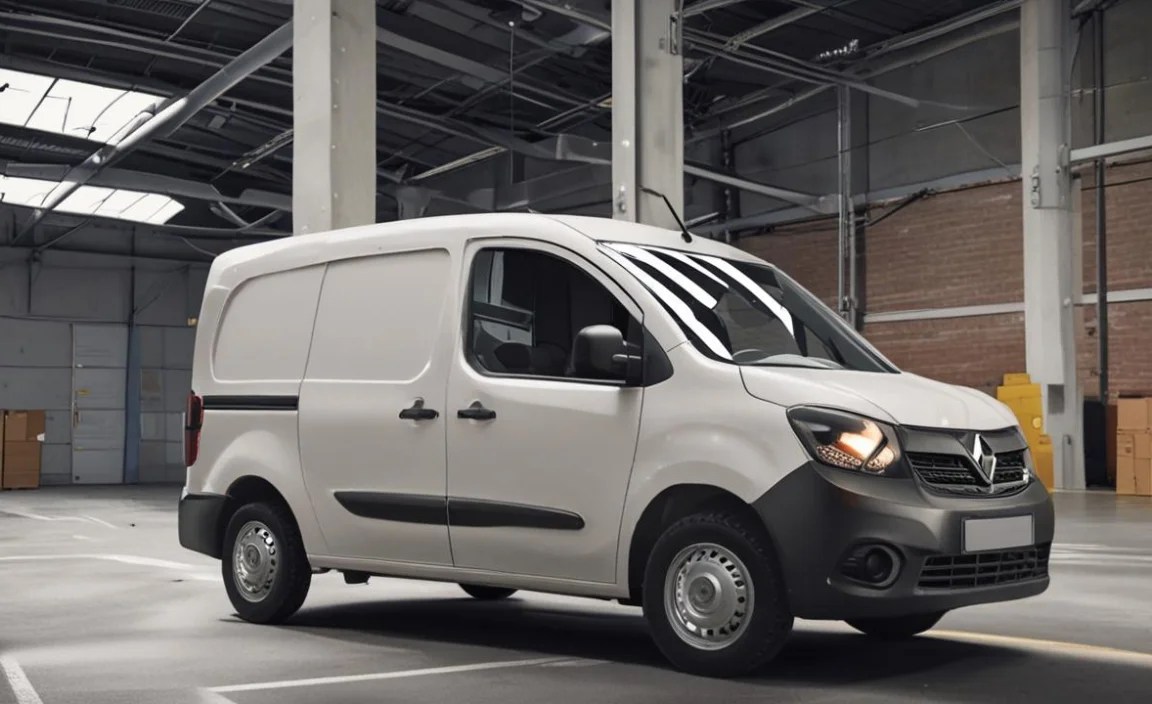
This is where the magic happens – transforming a collection of items into a stable, safe load. Proper securement isn’t just about throwing in a few bungee cords; it requires a systematic approach. The key principles are to prevent movement in all directions: forward, backward, sideways, and vertically (upward lifting).
Floor Loading and Weight Distribution
The foundation of safe cargo begins with how you place items within the van. Always aim to:
- Place Heavy Items First: Position the heaviest and bulkiest items at the front of the cargo area, as close to the bulkhead (the wall behind the driver’s cabin) as possible. This helps keep the weight low and centered, improving stability and vehicle balance.
- Distribute Weight Evenly: Avoid concentrating all the weight on one side. Aim for a balanced distribution across the width of the cargo area. This prevents the van from leaning or becoming unstable, especially when cornering.
- Fill Gaps: Use smaller, lighter items or appropriate packing materials to fill any gaps between larger items. This prevents them from shifting against each other during transit.
- Stack Carefully: If stacking items, ensure they are stable and not at risk of toppling. Secure them as you stack.
Proper weight distribution is critical not only for cargo safety but also for the Citan’s handling characteristics. An unbalanced load can make steering and braking unpredictable, even in a van known for its car-like driving experience.
Using Tie-Down Points and Straps
Your Citan is equipped with lashing points (tie-down points) designed to secure your cargo. These are your primary tools for preventing movement. When using them:
- Locate All Points: Identify all the lashing points available in your Citan’s cargo area. They are typically found on the floor, and sometimes on the walls.
- Choose the Right Straps: Use appropriate cargo straps, such as ratchet straps or cam straps, made from strong webbing material. Avoid using basic bungee cords for anything heavy or crucial, as they can stretch and fail. Ensure straps are rated for the weight you are securing. For heavy-duty applications, consider consulting experts like those at CargoEquipment.com, which offers insights into different types of tie-down straps and their uses.
- Angle is Key: Attach straps to the lashing points and your cargo at an angle that provides tension in multiple directions. Straps pulling from opposite directions create a strong, stable hold.
- Tension Properly: Tighten straps securely using the ratchet mechanism. The cargo should feel held firmly in place, with minimal slack. However, overtightening can damage your cargo or the van’s interior. Aim for snug and secure.
- Check Regularly: During longer journeys, stop at safe intervals to re-check the tension of your straps. Vibrations and shifts can loosen them over time.
Other Securement Tools
Depending on the nature of your cargo, you might need additional tools:
- Cargo Nets: Excellent for securing oddly shaped items or a collection of smaller goods.
- Load Securing Bars: Telescopic or expandable bars that can brace cargo against the walls or bulkhead of the van.
- Anti-Slip Mats: Placing these under pallets or heavy items can prevent them from sliding, especially when used in conjunction with straps.
- Edge Protectors: When using straps over sharp edges of cargo, use edge protectors to prevent the straps from fraying or breaking.
- Load Dividers: For larger vans, these can create separate compartments for different types of goods.
Investing in the right tools can make a significant difference in cargo security and the longevity of your equipment.
Specific Cargo Considerations

Different types of cargo require different approaches to ensure safety. What works for hauling furniture might not be ideal for transporting fragile electronics or a load of chemicals.
Transporting Fragile Items
When transporting delicate goods like glassware, electronics, or sensitive equipment:
- Use Ample Padding: Wrap items individually with bubble wrap, foam, or moving blankets.
- Pack in Sturdy Boxes: Use double-walled cardboard boxes and fill any voids with packing peanuts, crumpled paper, or air pillows.
- Secure Boxes to Each Other: Use tape or shrink wrap to bundle boxes together, then secure the larger bundles.
- Position Carefully: Place fragile boxes in the center of the van, away from the walls and doors, and ideally on top of heavier, stable items (properly secured, of course).
- Label Clearly: Mark boxes clearly as “Fragile” and indicate the correct upright orientation.
Hauling Heavy Equipment and Machinery
For substantial items like tools, construction equipment, or even large appliances:
- Use Pallets: Whenever possible, place heavy items on pallets for easier movement and securing.
- Employ Heavy-Duty Straps: Invest in robust ratchet straps with higher weight ratings.
- Use Multiple Anchor Points: Don’t rely on a single strap. Use all available, appropriate lashing points to distribute the load.
- Brace Accordingly: If an item has an uneven base or is tall, use additional blocking or bracing to keep it stable.
- Consider a Ramp: Loading heavy items might require a sturdy ramp. Ensure the ramp itself is securely positioned and the van’s braking system is engaged.
Transporting Liquids and Loose Materials
Transporting liquids (in containers) or loose materials like sand, gravel, or grain requires specific precautions:
- Secure Containers Tightly: Ensure all lids are sealed and containers are upright and stable. Use straps to hold them in place.
- Prevent Tipping: Place containers in a way that prevents them from tipping over. Using crates or creating temporary barriers can help.
- For Loose Materials: If hauling in bulk (e.g., in a trailer towed by the Citan, or within a specially adapted van), ensure the containment is robust and can handle the weight and potential shifting. Be aware of weight distribution and overflow potential. Check local regulations for transporting bulk materials.
Pre-Trip and Regular Checks

Cargo safety isn’t a set-it-and-forget-it task. It requires diligence both before you set off and periodically during your journey.
Pre-Trip Inspection Checklist
Before every trip, take a few minutes to run through this checklist:
- Review Load Plan: Mentally (or physically) confirm the weight distribution and placement of your cargo.
- Visual Cargo Check: Look at the entire load. Does anything appear unstable or out of place?
- Strap Tension: Gently push and pull on your cargo. Does it move at all? Check the tightness of all straps and any other securing devices.
- Van Integrity: Ensure no cargo is pressing against doors, windows, or internal components that could be damaged or create a hazard.
- Tire Pressure and Suspension: A load that is correctly distributed on a properly inflated tire and healthy suspension will behave much better.
Periodic Checks During Journeys
For longer trips, stopping every hour or two (where safe to do so) to perform a quick check is highly recommended:
- Re-check Straps: The most crucial check. Vibrations are notorious for loosening straps.
- Listen for Noises: Unusual rattles or thuds from the cargo area could indicate shifting.
- Observe Handling: Does the van feel different? Is there any pulling or instability?
These checks take minimal time but can prevent catastrophic failures.
Understanding Weight Limits and Legalities
This is a critical aspect of Citan van cargo safety that many overlook. Exceeding weight limits has serious consequences.
Gross Vehicle Weight (GVW) and Payload
Your Citan has a Gross Vehicle Weight (GVW) rating – the maximum allowed total weight of the vehicle, including the chassis, body, engine, fuel, driver, passengers, and cargo. The payload is the maximum weight of the cargo you can carry. Your Citan’s payload capacity is calculated by subtracting the vehicle’s kerb weight (unladen weight including essential fluids and a standard driver) from the GVW.
Example:
If your Citan has a GVW of 2,200 kg and a kerb weight of 1,400 kg, your maximum payload is 800 kg.
Always refer to your Citan’s specific documentation for exact figures. Many commercial vehicle operators use scales to verify their load weight before setting off. You can often find public weighbridges at service stations or industrial estates. In the UK, the gov.uk website provides comprehensive information on UK vehicle weight limits.
Load Securement Regulations
Regulations on how cargo must be secured vary by region and country. These laws are in place to prevent accidents. Common requirements include:
- Load must not shift: It should remain stable and secure under all normal driving conditions.
- No loose parts: Nothing should fall from the vehicle onto the road.
- Adequate securing devices: Using appropriate straps, nets, or bars as needed.
- Weight distribution: Ensuring the load doesn’t adversely affect the vehicle’s stability.
Ignorance of the law is no defense. If you operate commercially, familiarize yourself with the specific cargo securement laws in your operating region. Many transportation authorities offer detailed guides and training materials.
Table: Comparison of Securement Methods
Here’s a quick look at common securement methods for your Citan van:
| Method | Best For | Pros | Cons | Citan Van Applicability |
|---|---|---|---|---|
| Ratchet Straps | Heavy, bulky items like furniture, machinery, pallets | High tension, very secure, adjustable | Can overtighten and damage cargo, requires anchor points | Excellent. Utilizes Citan’s floor lashing points effectively. |
| Cargo Nets | Irregularly shaped items, lighter goods, preventing items from shifting | Versatile, good for mixed loads, easy to deploy | Less effective for very heavy items on their own, can snag | Good for lighter loads or securing items within a larger load. |
| Load Securing Bars | Bracing against walls or bulkheads, securing long items | Creates rigid bracing, prevents lateral movement |


