
MPVs With Best Cornering Stability: Ultimate Drive
Quick Summary:
Discover MPVs engineered for exceptional cornering stability, transforming family drives into confident, dynamic experiences. Learn how advanced suspension, weight distribution, and driver aids provide a secure and engaging feel, even on winding roads.
When you think of MPVs (Multi-Purpose Vehicles), images of spacious interiors and practical family hauling often come to mind. However, the thought of navigating tight corners or spirited drives in a larger vehicle might not seem ideal. Many assume that practicality has to come at the expense of driving dynamics. But what if you could have both? What if your MPV could feel planted and reassuring, even when you’re tackling a winding country lane? It might sound surprising, but modern engineering has made significant strides in enhancing the cornering stability of these versatile vehicles.
The key lies in sophisticated chassis design, advanced suspension systems, and thoughtful weight management. These technologies work together to counteract the natural tendencies of a taller, heavier vehicle to lean and feel uncertain when turning. Gone are the days when an MPV meant compromising on driver enjoyment.
In this guide, we’ll demystify how MPVs achieve impressive cornering stability, what features to look for, and highlight some exceptional examples. You’ll learn how to identify vehicles that offer a secure, engaging, and ultimately more enjoyable drive. Let’s explore how your family mover can also be a confident handler.
Understanding Cornering Stability in MPVs
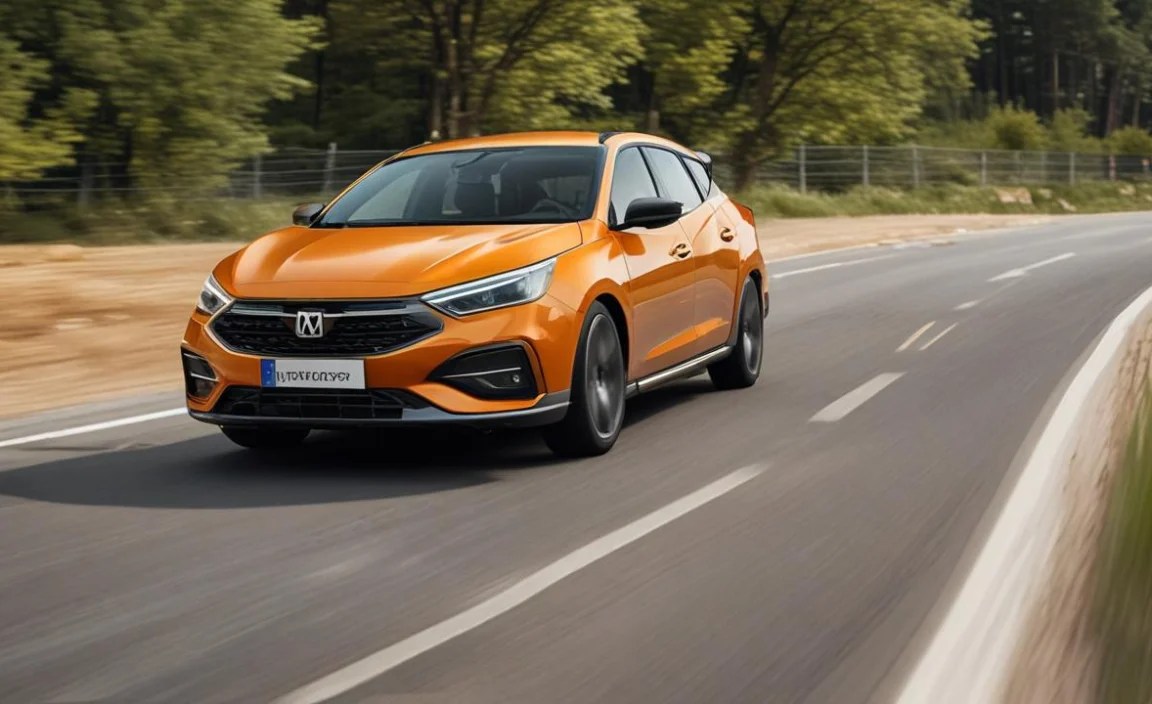
Cornering stability refers to how well a vehicle maintains its balance and control when turning. For an MPV, which typically has a higher center of gravity than a sedan or sports car due to its size and passenger capacity, achieving good cornering stability is a significant engineering challenge. Factors that contribute include suspension design, tire technology, weight distribution, electronic stability systems, and even chassis rigidity.
Key Engineering Factors for Enhanced Stability
Several crucial elements are at play in making an MPV feel stable through turns:
- Suspension System: The type and tuning of the suspension are paramount. Independent multi-link rear suspensions, advanced damping systems (like adaptive or continuously variable dampers), and carefully calibrated anti-roll bars help minimize body roll and keep the tires firmly planted on the road.
- Chassis Rigidity: A strong, stiff chassis provides a solid foundation for the suspension to work effectively. Increased structural integrity means less flex and distortion during cornering, translating to more predictable handling.
- Weight Distribution: While MPVs are inherently heavier, engineers strive for an optimal weight distribution, ideally close to a 50/50 front-rear split. This balanced load helps all four tires contribute evenly to grip and stability during turns.
- Tires: The tires are the only point of contact with the road. Specially designed tires with stiffer sidewalls and advanced tread patterns can significantly improve lateral grip and steering response.
- Electronic Stability Control (ESC) and Traction Control: These sophisticated electronic systems act as a safety net, intervening automatically by applying brakes to individual wheels or reducing engine power to prevent skids and maintain directional control when the vehicle detects a loss of traction. The effectiveness and calibration of these systems are vital for perceived stability.
- Low Center of Gravity Design (where possible): While MPVs are tall, designers work to keep the vehicle’s overall center of gravity as low as practical. This can involve careful placement of heavy components like engines and batteries.
The Role of Advanced Technology
Modern MPVs often incorporate technologies borrowed from more performance-oriented vehicles. For instance, adaptive suspension systems can adjust damping rates in real-time based on road conditions and driving style. Torque-vectoring systems, though less common in traditional MPVs, can actively distribute power between wheels to improve agility and cornering grip. Advanced steering systems also contribute, offering precise feedback and responsiveness that belies the vehicle’s size.
What to Look for When Choosing a Stable MPV

When you’re in the market for an MPV that excels in cornering stability, here are the features and specifications to prioritize:
Key Features to Consider:
- Independent Rear Suspension: While not exclusive to high-end models, independent rear suspension setups (like multi-link or double-wishbone) generally offer superior wheel control and ride comfort compared to a simpler torsion beam. This allows wheels to better follow the contour of the road during cornering, maintaining contact and grip.
- Larger Diameter Wheels and Lower Profile Tires: Typically, larger wheels (e.g., 18 inches and above) come with lower profile tires. These tires have shorter, stiffer sidewalls, which reduce the tendency to deform during cornering, leading to sharper steering response and less body roll.
- Sport or Adaptive Suspension Packages: Many manufacturers offer optional sport suspension tunes or adaptive damping systems. These can significantly enhance handling by providing firmer damping and better body control, often with adjustable modes to suit different driving conditions.
- Torque-Vectoring or Advanced All-Wheel Drive (AWD) Systems: In some premium MPVs, advanced AWD systems can actively manage power distribution between wheels. Torque-vectoring, in particular, can send more power to the outside rear wheel during a turn, effectively pulling the vehicle through the corner and enhancing agility.
- Electronic Stability Control (ESC) Tuning: The effectiveness of ESC systems varies. Models that offer a wider range of adjustments or are known for their subtle, less intrusive intervention during spirited driving might feel more stable and engaging.
- Low Center of Gravity Design: Look for vehicles that have been designed with a focus on keeping the weight low. This is often evident in specifications and reviews that mention agile handling despite the MPV form factor.
Performance Specifications to Note:
While official figures for “cornering stability” aren’t typically published, you can infer stability from related metrics:
- Weight Distribution (Front/Rear): A closer to 50/50 split is generally better.
- Track Width and Wheelbase: A wider track and a longer wheelbase can contribute to greater stability.
- Tire Specifications: Pay attention to the tire size and aspect ratio (the middle number in tire dimensions, e.g., 225/55R17). A lower aspect ratio (e.g., /45 or /40) indicates a shorter sidewall, leading to firmer handling.
MPVs Renowned for Exceptional Cornering Stability

While the MPV segment has seen a decline in favor of SUVs, some manufacturers have excelled in developing models that offer a surprisingly dynamic driving experience. Here are a few examples of MPVs (or vehicles often fulfilling MPV roles with car-like handling) that have been praised for their cornering prowess:
Luxury and Premium Segment Examples
In the premium space, manufacturers often leverage advanced technologies to elevate the driving experience:
- Mercedes-Benz V-Class (especially with optional dynamic suspension): The V-Class, often seen as a luxury shuttle, can be surprisingly capable. With optional AIRMATIC suspension or the AGILITY CONTROL suspension, it offers a refined ride that also manages body roll effectively in corners. Its sophisticated chassis and advanced electronic aids are finely tuned to provide a secure, stable feel, even when loaded.
- BMW 2 Series Active Tourer / Gran Tourer: BMW’s foray into the MPV segment brought its characteristic sporty handling. The 2 Series Active Tourer and its longer sibling, the Gran Tourer, were praised for their car-like driving dynamics, responsive steering, and well-controlled body movements, making them feel much smaller and more agile than their size suggests.
Performance-Oriented and Sporty MPVs
Some MPVs actively lean into offering a sportier drive:
- Ford S-Max: Historically, the Ford S-Max has stood out for its surprisingly athletic handling. It often received accolades for its sharp steering, firm but compliant suspension, and minimal body roll for its class, making it a highly engaging MPV to drive dynamically. Ford’s chassis tuning expertise is evident here.
- Volkswagen Touran: While more comfort-oriented than the S-Max, the VW Touran also balances practicality with competent handling. Its well-engineered chassis and responsive steering provide a reassuring feel on the road, contributing to good stability during cornering.
Practical Alternatives with Car-Like Dynamics
Sometimes, vehicles that aren’t strictly MPVs offer similar practicality with superior dynamics.
- Some Station Wagons (e.g., Audi RS6 Avant, BMW M550i xDrive Touring): While not MPVs, high-performance station wagons often offer the space and versatility for families while providing exceptional cornering stability due to their lower ride height, sophisticated AWD systems, and performance-tuned suspensions. These are often the benchmark for a driver-focused large car.
- Performance SUVs: Similarly, performance-oriented SUVs from brands like Porsche (Cayenne), Lamborghini (Urus), or Mercedes-AMG (GLE 63 S) offer very high levels of cornering stability, but with a different driving feel due to their higher stance.
Comparing Suspension Technologies

The suspension system is the heart of a vehicle’s cornering ability. Understanding the different types and their impact can help you appreciate how MPVs achieve stability.
Common Suspension Types and Their Characteristics:
Here’s a look at common suspension setups found in vehicles, along with their general impact on handling:
| Suspension Type | Description | Impact on Cornering Stability | Typical Vehicle Application |
|---|---|---|---|
| MacPherson Strut | Combines shock absorber and spring into a single unit that also acts as a steering pivot. Simple and cost-effective. | Can limit camber control, potentially reducing grip in hard cornering. Less sophisticated than multi-link. | Front suspension in many mainstream cars, SUVs, and some MPVs. Also used in rear for some smaller vehicles. |
| Double Wishbone | Uses two wishbone-shaped arms to locate the wheel. Allows for precise control over wheel geometry (camber, caster) during suspension travel. | Excellent for maintaining tire contact patch and providing consistent grip. Offers superior handling and ride quality. | Performance cars, sports cars, some luxury vehicles, and often as a rear suspension in performance applications. |
| Multi-Link Rear Suspension | A more complex system using multiple (typically 3-5) links to control wheel movement independently. | Highly effective at isolating road imperfections while maintaining optimal tire contact. Provides excellent stability, grip, and ride comfort, especially on uneven surfaces and during cornering. | Common in rear suspension of many modern sedans, SUVs, and premium MPVs. Considered a benchmark for rear suspension performance. |
| Torsion Beam Axle | A simpler setup where wheels are connected by a beam that twists to allow suspension movement. | Cost-effective and compact, but offers less independent wheel control. Can lead to increased body roll and reduced grip compared to independent systems. | Rear suspension in many smaller hatchbacks, some sedans, and budget-oriented vehicles. Occasionally found in the rear of some MPVs for space-saving. |
Active and Adaptive Systems
Beyond fixed mechanical designs, advanced systems actively enhance stability:
- Adaptive Dampers: These systems continuously adjust the stiffness of the shock absorbers. In corners, they firm up to reduce body roll. On straight roads, they soften for a more comfortable ride.
- Air Suspension (e.g., AIRMATIC): This replaces traditional springs with air springs. It allows for ride height adjustment and can also actively manage the damping characteristics to improve stability during cornering and comfort during cruising.
- Anti-Roll Bars (Stabilizer Bars): These are standard across most vehicles but their size and stiffness are critical. Thicker, stiffer anti-roll bars connect the left and right sides of the suspension, significantly reducing body lean during cornering.
For a truly stable MPV, look for models that employ multi-link rear suspension and, ideally, offer adaptive damping or air suspension options. These technologies provide a significant advantage in managing the vehicle’s height and mass.
The Impact of Tires on Cornering Performance

Even the most advanced suspension can be let down by poor tires. The tires are the critical interface between your MPV and the road, and their characteristics play a profound role in how stable and planted the vehicle feels during cornering.
Understanding Tire Sidewalls and Grip
The tire’s sidewall is the flexible part of the tire between the rim and the tread. Its stiffness directly impacts how the tire behaves under lateral (sideways) forces experienced during cornering:
- Stiffer Sidewalls: Tires with stiffer sidewalls are less prone to deforming or “rolling over” when subjected to cornering forces. This resistance to deformation means less wasted energy and a more direct transfer of steering inputs to the road. The result is a sharper steering response, less perceived body roll, and a more stable, connected feel.
- Lower Aspect Ratios: The aspect ratio of a tire is expressed as a percentage (e.g., 55 in 225/55R17). It represents the tire’s sidewall height as a proportion of its width. A lower aspect ratio (e.g., 45, 40, or 35) means a shorter, and thus generally stiffer, sidewall. This is a principal reason why performance tires often have lower profiles.
- Tread Compound and Pattern: The rubber compound used in the tread affects grip levels, especially in varied conditions. Wider tread blocks and optimized patterns enhance the contact patch and provide better mechanical grip.
Tire Choices for Enhanced Stability
When looking for an MPV, consider the tire specifications. Larger diameter wheels (17-inch, 18-inch, or larger) often come equipped with lower profile tires that contribute to better stability. Always check the vehicle’s specifications for the recommended tire sizes and consider performance-oriented tires if you prioritize handling. For example, a tire labeled “UHP” (Ultra High Performance) will typically offer superior grip and stability compared to a standard all-season tire.
Resources like NHTSA’s guide to tires provide excellent information on tire types, sizes, and safety ratings, helping you understand what to look for.
Driver Aids That Enhance Cornering Stability
Modern MPVs are equipped with a suite of electronic driver aids that significantly bolster cornering stability, especially for less experienced drivers or in challenging conditions. These systems work invisibly in the background, ready to intervene when needed.
Understanding Key Electronic Systems
- Electronic Stability Control (ESC): This is arguably the most critical system. ESC uses sensors to detect if the vehicle is losing steering control (e.g., understeer or oversteer). If it detects a deviation from the driver’s intended path, it can automatically apply brakes to individual wheels and/or reduce engine power to help the driver regain control. The sophistication and calibration of ESC systems vary, with some offering more progressive intervention.
- Traction Control System (TCS): TCS prevents wheel spin during acceleration, particularly on slippery surfaces. By reducing power or applying brakes to spinning wheels, it helps maintain forward momentum and stability.
- Anti-lock Braking System (ABS): ABS prevents the wheels from locking up under heavy braking. This allows the driver to maintain steering control even during emergency stops, which is crucial for avoiding obstacles.
- Brake Assist (BA) or Emergency Brake Assist (EBA): These systems detect emergency braking situations and automatically apply maximum brake force, even if the driver hasn’t pressed hard enough on the pedal. This shorter stopping distance is vital for overall vehicle control.
- Torque Vectoring: In some advanced MPVs or performance variants, torque vectoring systems can actively distribute engine torque between the wheels. During cornering, some systems can send more power to the outside wheels, effectively “pulling” the car through the turn and enhancing agility and stability.
These electronic helpers are not just for safety; they actively contribute to a feeling of confidence and stability when cornering, making even large vehicles more predictable and forgiving.
Driving Techniques for Maxima Stability in Your MPV
While technology plays a huge role, how you drive your car also significantly impacts its stability and safety. Even in an MPV designed for stability, adopting good driving habits can make a substantial difference.
Smooth Inputs Are Key
MPVs, with their taller stance, are more susceptible to the effects of abrupt inputs. Smoothness is your best friend:
- Smooth Steering: Avoid jerky, sudden movements of the steering wheel. Gentle, progressive steering inputs allow the tires to grip gradually and prevent unsettling the car’s balance.
- Smooth Braking: Anticipate stops and brake early and smoothly. Hard, late braking can upset the car’s weight distribution and reduce traction.
- Smooth Acceleration: Accelerate gently, especially out of corners or on slippery surfaces. Aggressive acceleration can cause wheel spin and destabilize the vehicle.
Looking Ahead and Cornering Lines
Vision is critical for stability:
- Look Where You Want to Go: Your hands tend to


