
MPVs vs SUVs: The Ultimate Perfect Choice
MPVs vs. SUVs: The Ultimate Perfect Choice
For families and individuals seeking versatile and practical vehicles, the choice between an MPV and an SUV can be a delightful dilemma. Both offer ample space and modern features, but they cater to slightly different needs. Understanding their core differences will help you pinpoint the perfect vehicle for your lifestyle.
Choosing a new car can feel like navigating a maze. You want something practical, comfortable, and suited to your daily life, but the sheer variety of options can be overwhelming. Two popular categories that often cause confusion are MPVs (Multi-Purpose Vehicles) and SUVs (Sport Utility Vehicles). While both can be fantastic choices for families and those needing extra space, they possess distinct characteristics that make one a better fit than the other for specific needs. This guide will demystify the differences, explore their strengths, and help you confidently make the “ultimate perfect choice” for you.
Understanding the Core Differences: MPVs vs. SUVs
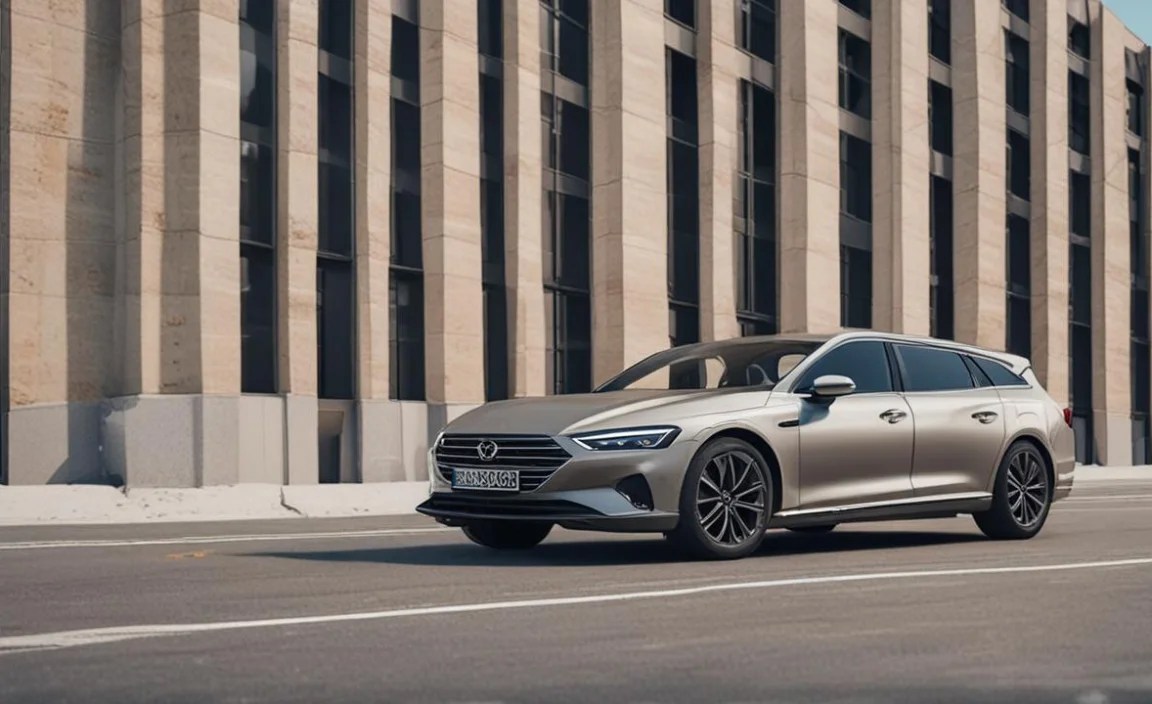
At their heart, MPVs and SUVs are designed to offer more space and versatility than a typical sedan or hatchback. However, their origins, design philosophies, and intended uses set them apart quite significantly. Think of it as the difference between a spacious, comfortable family lounge on wheels and a capable adventure companion.
What Exactly is an MPV?
MPVs, also known as minivans in some regions, are purpose-built for passenger carrying and cargo flexibility. Their design typically prioritizes interior volume, ease of access, and passenger comfort above all else. Imagine a boxy yet aerodynamic shape designed to maximize every inch of internal space. Sliding doors on many MPVs are a hallmark, offering unparalleled ease of entry and exit, especially in tight parking spots.
Key characteristics of an MPV:
- Tall, Boxy Design: Optimized for interior space and headroom.
- Sliding Rear Doors: Common for easy passenger access.
- Flexible Seating Arrangements: Often with fold-flat or removable seats for maximum cargo versatility.
- Car-like Driving Dynamics: Generally built on car platforms, offering a comfortable and familiar ride.
- Emphasis on Practicality: Designed for hauling people and their belongings efficiently.
What Exactly is an SUV?
SUVs, or Sport Utility Vehicles, started as vehicles that combined the comforts of a passenger car with the off-road capabilities and ruggedness of a traditional utility vehicle. While many modern SUVs lean more towards urban comfort and style, the core concept remains: a vehicle built for a more active or adventurous lifestyle, often with higher ground clearance and available all-wheel-drive (AWD) or four-wheel-drive (4WD) systems.
Key characteristics of an SUV:
- Higher Ground Clearance: For enhanced capability on uneven terrain and better visibility.
- Taller Stance: Gives a commanding presence and a feeling of security.
- Available AWD/4WD: For improved traction in inclement weather or off-road conditions.
- Robust Styling: Often featuring more muscular lines and rugged aesthetics.
- Versatile, but often with less focus on pure passenger volume than an MPV.
MPVs vs. SUVs: Key Comparison Points
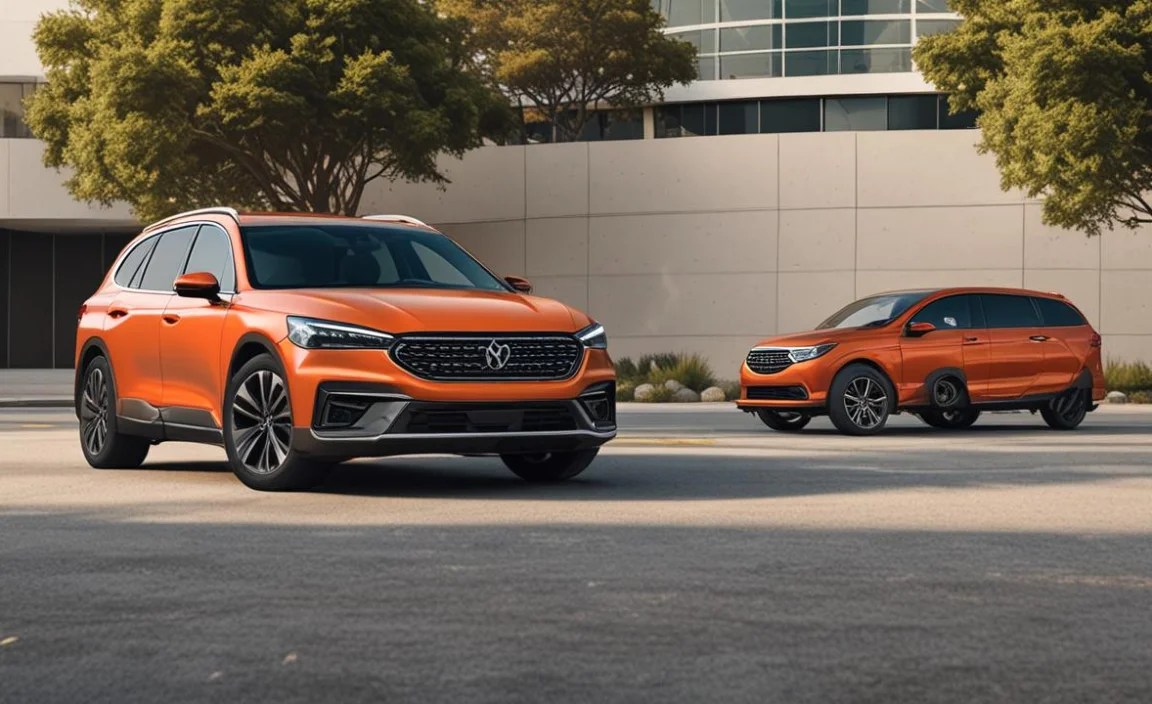
Now that we understand the fundamentals, let’s dive into a direct comparison across several crucial areas. This will help you see how each type of vehicle stacks up for your specific needs.
Space and Versatility
This is arguably the biggest differentiator. MPVs generally excel in maximizing interior volume for passengers and cargo. Their taller, boxier shape creates more useable space. Seats can often be configured in numerous ways—sliding, reclining, folding flat, or even being removed entirely to create vast cargo floors. This makes them incredibly adaptable for everything from daily school runs to large shopping trips and family holidays laden with luggage.
SUVs also offer good space, and larger models can rival MPVs for passenger room. However, the sloping rooflines and styling of many SUVs can sometimes compromise rear headroom and overall cargo capacity compared to a similarly sized MPV. While SUVs offer versatility, it’s often more focused on a mix of people and gear for potential adventures rather than pure people-carrying efficiency.
Driving Dynamics and Performance
MPVs are typically built on car platforms, meaning they drive much like a car. This translates to comfortable, predictable handling, a smooth ride, and good fuel efficiency. They are designed for optimal comfort on paved roads, making them ideal for long commutes and city driving. Their lower center of gravity compared to SUVs also contributes to less body roll in corners.
SUVs, particularly those with higher ground clearance and more robust suspension, can offer a more commanding view of the road. Their driving experience can vary greatly depending on their size and whether they are front-wheel drive (FWD) or all-wheel drive (AWD). While many modern SUVs offer car-like ride quality, some can feel more truck-like, especially larger, body-on-frame models. The availability of AWD/4WD is a significant advantage for SUVs, providing confidence in slippery conditions.
Fuel Efficiency
Historically, MPVs have often held an edge in fuel efficiency due to their more aerodynamic, car-like construction and often smaller engine options. Their weight and design are generally optimized for efficient on-road driving. However, the automotive world is constantly evolving. Many modern SUVs, especially smaller crossovers, are achieving excellent miles per gallon (MPG) figures, sometimes rivaling or even surpassing comparable MPVs, particularly with hybrid and electric powertrains becoming more common.
You should always check the specific MPG ratings for any model you are considering. Factors like engine size, drivetrain (FWD vs. AWD), and vehicle weight play a significant role. For those prioritizing fuel economy, smaller compact SUVs and many hybrid MPVs are excellent places to start looking.
Towing and Off-Road Capability
When it comes to towing and tackling rough terrain, SUVs typically have the advantage. Their higher ground clearance allows them to navigate obstacles more easily, and the availability of robust AWD or 4WD systems provides superior traction. Larger SUVs, often built on truck-like chassis’, are designed with towing capacities in mind, making them suitable for pulling caravans, boats, or trailers. Many modern SUVs are equipped with sophisticated traction management systems that enhance their off-road prowess.
MPVs are generally not designed for significant towing or off-road excursions. Their lower ground clearance and car-based suspension make them less suited for unpaved roads or challenging conditions. While they can handle light towing for small trailers, they are not the ideal choice for heavy-duty hauling or serious adventuring.
Safety Features
Both MPVs and SUVs generally score very well in safety ratings. Modern vehicles from reputable manufacturers are equipped with advanced safety technologies. You can expect features like multiple airbags, anti-lock braking systems (ABS), electronic stability control (ESC), and increasingly, sophisticated driver-assistance systems such as adaptive cruise control, lane-keeping assist, and automatic emergency braking.
The higher driving position in SUVs can provide a greater sense of security and visibility. However, the inherent design of MPVs, focused on passenger protection and often with a lower center of gravity, also makes them very safe vehicles. It’s crucial to research the specific safety ratings and features of any model you are considering, as these can vary significantly between makes and models, regardless of whether it’s an MPV or an SUV. Organizations like the National Highway Traffic Safety Administration (NHTSA) in the US and Euro NCAP in Europe provide comprehensive safety assessments.
Cost and Value
The initial purchase price can vary widely for both MPVs and SUVs, depending on the brand, size, trim level, and features. Generally, compact SUVs tend to be more affordable than their larger counterparts. Similarly, entry-level MPVs can be very competitively priced, offering excellent value for money, especially for families prioritizing space and practicality.
When considering long-term value, fuel efficiency, maintenance costs, and potential resale value all come into play. Luxury brands like Mercedes-Benz offer exceptional quality and features in both MPV (e.g., the V-Class) and SUV (e.g., the GLC, GLE, GLS) formats, but these will command a premium price. For budget-conscious buyers, seeking out well-equipped non-luxury options that fit your needs is key. Consider the total cost of ownership, not just the sticker price.
When to Choose an MPV

An MPV is likely your perfect choice if you:
- Prioritize passenger comfort and space: Especially for larger families or when regularly transporting multiple people.
- Need maximum cargo flexibility: The ease of reconfiguring seats for bulky items is a significant advantage.
- Value ease of access: Sliding doors are a game-changer, particularly for households with young children or elderly passengers.
- Tend to do mostly urban or highway driving: Their car-like handling and ride comfort are ideal for these scenarios.
- Seek excellent practicality at a potentially lower cost of entry: MPVs often offer more interior space for your money.
Example Scenarios for MPVs
- The growing family that needs room for children, car seats, grandparents, and all their gear for weekend trips.
- The individual who frequently carpools or transports groups for social events.
- Someone who performs a lot of ‘big shop’ runs or occasionally needs to move larger items like furniture or sporting equipment.
When to Choose an SUV

An SUV is probably best for you if you:
- Desire higher ground clearance and a commanding driving position: For better visibility and to handle rougher roads or light off-roading.
- Frequently encounter adverse weather conditions: Available AWD/4WD provides crucial traction.
- Lead an active lifestyle: Think camping, hiking, or towing a trailer for outdoor adventures.
- Appreciate a more rugged aesthetic and a sense of robust capability.
- Want the versatility to venture off the beaten path occasionally.
Example Scenarios for SUVs
- A couple or small family who enjoys weekend getaways to national parks or camping sites.
- An individual who lives in an area with frequent snow or unpaved roads.
- Someone who needs to tow a small boat or trailer for recreational activities.
- Those who simply prefer the feel and look of a taller, more commanding vehicle.
Looking at Mercedes-Benz Options

For those who appreciate luxury, advanced engineering, and refined driving experiences, Mercedes-Benz offers compelling options in both categories.
Mercedes-Benz MPVs
The Mercedes-Benz V-Class represents the pinnacle of luxury MPVs. It blends exceptional spaciousness and seating flexibility with the sophisticated comfort, advanced technology, and premium materials that Mercedes-Benz is renowned for. It’s essentially a lounge on wheels, perfect for executive transport, family outings where comfort is paramount, or VIP shuttling. It offers a serene cabin experience and a smooth, compliant ride, making every journey a pleasure.
Mercedes-Benz SUVs
Mercedes-Benz offers a comprehensive range of SUVs, from the compact GLA and GLB, through the popular GLC and the larger GLE, to the flagship GLS. Each model caters to slightly different needs:
- GLA: A compact, stylish SUV with a raised driving position and a hint of off-road capability, perfect for city dwellers.
- GLB: Offers a more practical, boxier design than the GLA, with an available third row of seating, bridging the gap between compact and mid-size.
- GLC: A highly popular mid-size SUV known for its balanced blend of luxury, performance, and practicality. Available in SUV and Coupe forms.
- GLE: A larger, more luxurious SUV providing more space, advanced technology, and optional third-row seating.
- GLS: The “S-Class of SUVs,” offering unparalleled luxury, space for seven adults, and robust capability.
Many Mercedes-Benz SUVs are available with the brand’s intelligent 4MATIC all-wheel-drive system, enhancing traction and confidence in all conditions. Performance enthusiasts will also gravitate towards the AMG versions of these SUVs, which offer exhilarating acceleration and dynamic handling.
Comparing Specifications: A Table Example
To illustrate the differences more concretely, let’s consider a hypothetical comparison between a mid-size MPV and a comparable mid-size SUV. For this example, we’ll use general characteristics often found in these segments, rather than specific models, to highlight the typical trade-offs.
| Feature | Mid-Size MPV (Typical) | Mid-Size SUV (Typical) |
|---|---|---|
| Seating Capacity | 7-8 (with flexible configurations) | 5-7 (often with an optional third row) |
| Cargo Volume (Max) | Very High (often > 2,000 liters with seats folded) | High (can be slightly less than MPV due to styling) |
| Ground Clearance | Lower (~6-7 inches) | Higher (~7-9+ inches) |
| Drivetrain Availability | Primarily Front-Wheel Drive (FWD) | FWD and All-Wheel Drive (AWD) options |
| Towing Capacity | Limited (e.g., up to 2,000 lbs) | Moderate to High (e.g., 3,500 – 7,500+ lbs) |
| Fuel Efficiency (Typical) | Good to Very Good | Moderate (improving significantly in modern models) |
| Driving Dynamics | Car-like, comfortable, smooth | Commanding, can be more rugged (varies greatly) |
| Access | Excellent (sliding doors common) | Good (conventional doors) |
Frequently Asked Questions (FAQ)
Q1: Are MPVs considered safe for families?
A: Yes, absolutely. Modern MPVs are designed with safety as a top priority and typically achieve excellent safety ratings. They are equipped with numerous airbags, advanced stability control systems, and often come with a host of driver-assistance technologies. Their lower center of gravity can also contribute to stable handling.
Q2: Can SUVs handle rough roads like dirt tracks or gravel?
A: Most SUVs, due to their higher ground clearance and available AWD/4WD systems, are well-equipped to handle rough roads, dirt tracks, and gravel much better than MPVs. However, the degree of capability varies significantly by model, with dedicated off-road focused SUVs offering the most prowess.
Q3: Which is generally more fuel-efficient, an MPV or an SUV?
A: Historically, MPVs have often been more fuel-efficient due to their lighter weight and more aerodynamic, car-like designs. However, with advancements in powertrain technology, especially in smaller compact SUVs and hybrid variants of both vehicles, the gap has narrowed significantly. It’s always best to check the specific MPG ratings for the models you’re interested in.
Q4: Is an MPV or an SUV better for carrying lots of luggage?
A: For sheer volume and ease of loading bulky items, an MPV often has the edge due to its taller, more utilitarian interior design and flat-folding seats. However, larger SUVs also offer substantial cargo space that can rival many MPVs, especially in their maximum configuration.
Q5: What are the main advantages of sliding doors on an MPV?
A: Sliding doors offer unparalleled convenience, especially in confined spaces like parking lots. They provide a wider opening for easier entry and exit, making them ideal for loading children into car seats, helping elderly passengers, or carrying bulky strollers and gear. They also reduce the risk of dinging adjacent cars.
Q6: Do all SUVs have four-wheel drive?
A: No, not all SUVs come standard with four-wheel drive (4WD) or all-wheel drive (AWD). Many are offered with front-wheel drive (FWD) as the standard configuration, with AWD/4WD available as an optional upgrade. Some smaller, car-based SUVs (often called crossover SUVs) may only be available in FWD.
For more detailed information on drivetrain options and their benefits, you can consult resources like the Cars.com guide on AWD vs. 4WD.
Conclusion: Making Your Perfect Choice
The quest for the “ultimate perfect choice” between an MPV and an SUV ultimately boils down to your personal priorities and lifestyle. There’s no single winner; rather, there’s a best fit for everyone.
If your life revolves around maximizing passenger comfort, needing abundant flexible space for


