
Mpvs With Best Acceleration: Ultimate Performance
Quick Summary
Looking for MPVs with thrilling acceleration? While often associated with practicality, select MPVs, particularly performance-oriented trims and electric models, offer surprisingly potent acceleration, blending family-friendly space with exhilarating speed.
When you think of an MPV, images of spacious interiors and practicality likely come to mind. These vehicles are designed for families, road trips, and hauling gear. However, the automotive landscape is always evolving, and some MPVs are redefining expectations by offering impressive acceleration. You might be surprised to learn that a vehicle designed for maximum utility can also deliver a thrilling driving experience. This guide is here to demystify which MPVs pack a punch, helping you find one that doesn’t compromise on performance.
Many drivers believe that MPVs are inherently slow and uninspiring. This is a common misconception, especially with the advancements in engine technology and the rise of electric powertrains. The market now offers a variety of MPVs that can accelerate quicker than many sporty sedans from just a few years ago. If you’re seeking a vehicle that combines ample passenger and cargo space with a satisfying surge of speed, you’re in the right place. We’ll explore the factors contributing to MPV acceleration and spotlight some of the best-performing models currently available.
Understanding MPV Acceleration
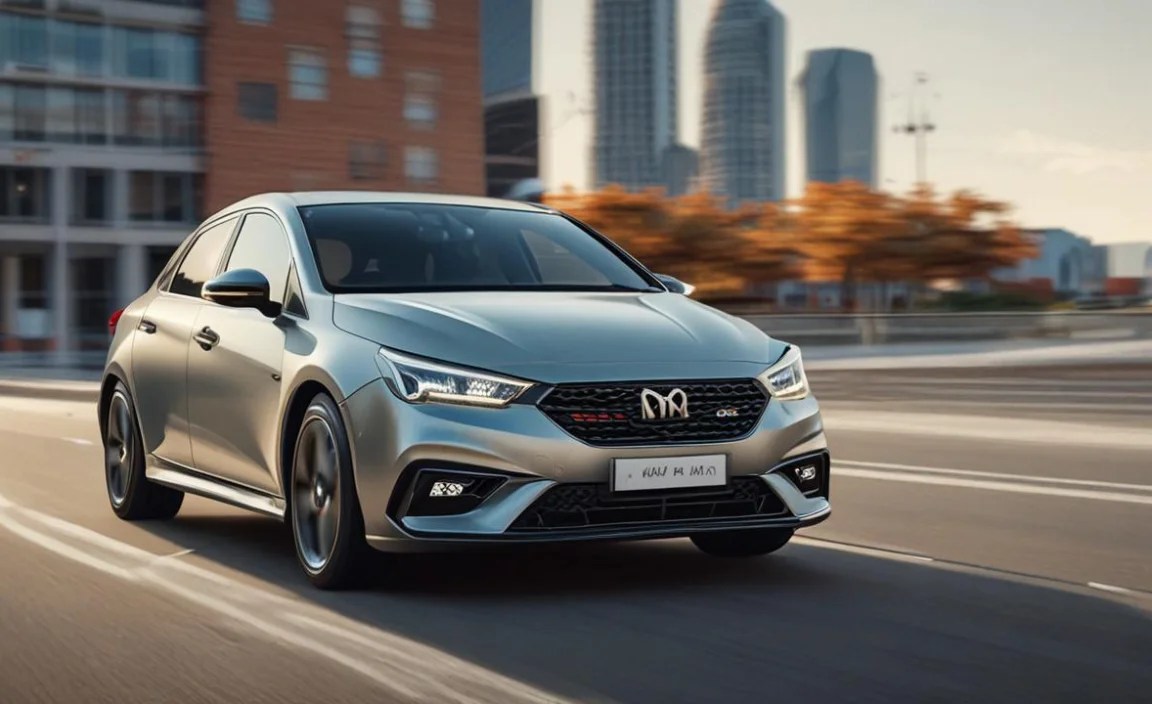
MPV acceleration, often measured by 0-60 mph (0-97 km/h) times, is influenced by several key factors. It’s not just about raw power; it’s a symphony of engine output, vehicle weight, drivetrain, and transmission tuning. Understanding these elements can help you appreciate why some family haulers can feel remarkably swift.
Engine Power and Torque
The heart of any vehicle’s acceleration lies in its engine. For MPVs, this can range from efficient turbocharged gasoline engines to robust diesel units, and increasingly, powerful electric motors. More horsepower (a measure of engine’s peak power) and torque (a measure of an engine’s rotational force) generally translate to quicker acceleration off the line. Torque is particularly important for the initial thrust that gets a heavy vehicle moving.
Vehicle Weight
MPVs, by their nature, are typically heavier than sedans or hatchbacks due to their larger size, seating capacity, and construction. This added weight is a significant factor that manufacturers must overcome to achieve good acceleration. Lightweight materials and efficient design play a crucial role in mitigating this.
Drivetrain and Transmission
The way power is delivered to the wheels also matters. All-wheel-drive (AWD) systems can often provide better traction off the line compared to front-wheel-drive (FWD) or rear-wheel-drive (RWD) setups, reducing wheel spin and enabling a quicker start. The type of transmission also impacts acceleration. Modern automatic transmissions, especially those with multiple gears and quick shift times, or dual-clutch transmissions (DCTs), can optimize power delivery for rapid acceleration. Continuously Variable Transmissions (CVTs) are often tuned for fuel efficiency, but some performance-oriented CVTs can also contribute to brisk acceleration.
Aerodynamics
While MPVs are not typically designed for high-speed racing, their aerodynamic profile can still influence acceleration, especially at higher speeds. A more streamlined design can reduce drag, allowing the engine’s power to be used more effectively for forward motion.
The Rise of Performance MPVs

Gone are the days when MPVs were solely about practicality. Automakers have recognized a niche for consumers who desire the utility of an MPV but don’t want to sacrifice driving engagement or performance. This has led to the development of specific trims and even dedicated performance models that prioritize acceleration.
Performance Trims
Many manufacturers offer sportier or performance-oriented trims of their standard MPV models. These often feature upgraded engines, sport-tuned suspensions, enhanced braking systems, and sometimes more aggressive styling. These tweaks can significantly improve acceleration figures.
Electric and Hybrid Powertrains
The electrification of the automotive industry has been a game-changer for MPV acceleration. Electric motors deliver instant torque, providing a powerful surge from a standstill that often surpasses traditional gasoline engines. Many electric MPVs offer breathtaking acceleration, making them some of the quickest vehicles in their class. Plug-in hybrid (PHEV) models can also offer a boost in performance, especially when their electric motors are engaged.
Top MPVs with Great Acceleration

While “performance MPV” might sound like an oxymoron to some, several models genuinely impress with their turn of speed. These vehicles prove that you don’t have to compromise. Here are some MPVs that stand out for their acceleration capabilities, focusing on models known for their impressive performance figures. Please note that specific acceleration times can vary based on trim level, options, and testing conditions. We’ll primarily focus on civilian market MPVs widely available.
Mercedes-Benz EQV
For those who appreciate luxury and cutting-edge technology, the Mercedes-Benz EQV stands out as a pioneer in the electric MPV segment. It combines the spaciousness and comfort expected of a Mercedes-Benz with the silent, instant torque of an electric powertrain. While its primary focus is on refined transport, its acceleration is surprisingly brisk for its size and segment.
The EQV utilizes a powerful electric motor linked to its rear axle, providing smooth and immediate acceleration. This electric setup means there are no gears to shift, leading to a seamless surge of power. The torque-maximum, a substantial 369 lb-ft (500 Nm), is available from 0 rpm, allowing the EQV to get up to speed with an urgency that belies its family-oriented nature.
Key Performance Aspects:
- Electric Powertrain: Instant torque delivery for rapid off-the-line acceleration.
- Smooth Power Delivery: No gear shifts mean a continuous, exhilarating push.
- Refined Experience: Combines performance with Mercedes-Benz’s signature luxury and quiet cabin.
While official 0-60 mph figures are not always prominently advertised for the EQV, independent tests and reviews suggest it can achieve this benchmark in the mid-to-high 8-second range, making it one of the quickest large electric MPVs available. This is remarkable considering its substantial size and passenger-carrying capabilities. For an in-depth look at Mercedes-Benz’s electric innovations, their official site is a great resource: Mercedes-Benz Electric Innovation.
Kia Carnival (Certain Trims)
The Kia Carnival has redefined what many people expect from a minivan, often marketed as a “Grand Utility Vehicle.” While it excels in practicality, certain trims offer drivetrains that provide more than adequate acceleration for everyday driving and confident merging onto highways. The focus here is on the accessibility of good performance combined with the inherent utility.
For models equipped with the more powerful engine options, the Carnival offers a compelling blend of space and swiftness. For instance, the 3.5-liter V6 engine available in many markets delivers robust power, enabling the Carnival to move its substantial weight with authority. This engine provides ample torque for overtaking maneuvers and merging into traffic without drama.
Performance Overview:
- Engine Options: Typically features a powerful V6 gasoline engine that offers a good balance of power and refinement for its class.
- Torque for Overtaking: Sufficient low-end torque makes merging and overtaking easier.
- Practical Performance: Offers a daily-drivable acceleration that feels substantial.
While not a dedicated performance vehicle, the Kia Carnival, especially with its V6 engine, often achieves 0-60 mph times in the low-to-mid 7-second range. This is a very respectable figure for a vehicle of its size and class, demonstrating that practicality and spirited acceleration can coexist. For consumer reviews and specifications, Kia’s official Carnival page – check local market for specifics is a valuable reference.
Ford Explorer (Certain Trims)
The Ford Explorer, while often categorized as an SUV, shares many characteristics with larger MPVs in terms of passenger and cargo capacity, making it a relevant consideration for those seeking versatile family transport. Certain Explorer trims, particularly those with V6 or EcoBoost engines, are renowned for their strong acceleration, blending the capability of an SUV with the punch of a performance vehicle.
The Explorer offers a range of powertrains designed to deliver performance. The 3.0-liter EcoBoost V6 engine, for example, found in higher trims like the ST, produces significant horsepower and torque. This powertrain, paired with a responsive transmission and available all-wheel drive, allows the Explorer to achieve impressive acceleration figures that can rival many sports cars.
Explorer’s Performance Highlights:
- Powerful EcoBoost Engines: Options like the 3.0L V6 offer substantial horsepower and torque.
- ST Trim: A dedicated performance variant that enhances acceleration and handling.
- All-Wheel Drive (AWD): Improves traction for quicker launches from a standstill.
The Ford Explorer, especially in its ST guise, can achieve 0-60 mph in as little as 5 seconds flat, an astonishing figure for a three-row vehicle. This level of performance is a testament to Ford’s engineering in balancing utility with speed. For detailed specifications on the Explorer and its performance variants, visit the official Ford Explorer website.
Tesla Model X
When it comes to electric MPVs (or in this case, a crossover SUV with MPV-like practicality), the Tesla Model X is a benchmark for performance. It famously combines falcon-wing doors and a spacious, high-tech interior with acceleration that can genuinely shock occupants. Tesla has always prioritized performance in its EVs, and the Model X is no exception.
The Model X, particularly in its Plaid configuration, utilizes a tri-motor all-wheel-drive system to deliver mind-bending acceleration. Electric motors provide instant torque, and with Tesla’s expert calibration and hardware, they can launch the vehicle from 0 to 60 mph with astonishing speed. The efficiency of electric powertrains means that a significant portion of available power is translated directly into forward motion.
Model X Performance Features:
- Tri-Motor AWD (Plaid): Delivers incredible power and traction for launch.
- Instant Electric Torque: The hallmark of EV acceleration, providing immediate response.
- Drag Strip Capability: Often outperforms many dedicated sports cars in acceleration tests.
The Tesla Model X Plaid is one of the quickest production vehicles on the planet, regardless of segment, capable of 0-60 mph in under 2.5 seconds according to Tesla’s claims. Even the regular Long Range model offers acceleration in the low 3-second range. This pushes the boundaries of what anyone would expect from a vehicle of its size. Explore more at Tesla Model X Official Page.
BMW 2 Series Active Tourer (Certain Performance-Oriented Models)
While not a traditional large MPV, the BMW 2 Series Active Tourer occupies the compact premium MPV segment and has, in certain performance-focused iterations, offered spirited acceleration. BMW’s engineering prowess ensures that even their more utilitarian models can exhibit a degree of sporting character.
Models like the 225i Active Tourer, when equipped with more powerful petrol engines, can provide a truly engaging driving experience. These engines are often turbocharged and combined with BMW’s renowned transmissions to deliver swift acceleration. BMW’s focus on driver dynamics means that even an MPV benefits from responsive throttle input and confident power delivery.
Active Tourer Performance:
- Turbocharged Engines: Provide a good blend of power and efficiency.
- BMW Drivetrain Tuning: Excellent transmission and engine integration for responsive acceleration.
- Compact and Agile: Lighter than larger MPVs, allowing for quicker acceleration with less power.
Specific 0-60 mph times vary by generation and engine, but performance models of the 2 Series Active Tourer could achieve this in the mid-to-high 6-second range, a very brisk pace for a car of its dimensions and practicality. For BMW’s current offerings and technologies, refer to BMW’s official 2 Series Active Tourer page.
Factors Influencing Real-World Acceleration

The numbers you see in brochures or reviews are based on ideal conditions. In the real world, several factors can affect how quickly your MPV actually accelerates:
- Weather Conditions: Hotter weather can sometimes reduce engine performance due to less dense air. Cold, dry air is often ideal for maximum power.
- Tire Condition and Type: Worn tires or tires not suited for performance (e.g., all-season touring tires) can lead to wheelspin and reduced acceleration.
- Vehicle Load: The more passengers and cargo you have, the more weight the engine has to move, impacting acceleration times.
- Fuel Quality: Using the recommended octane rating for your vehicle is crucial for optimal engine performance.
- Driver Skill: For vehicles with manual transmissions (less common in modern MPVs), driver skill plays a significant role. Even with automatics, smooth pedal application can make a difference.
When to Prioritize Acceleration in an MPV

While acceleration might not be the primary reason for choosing an MPV, it offers tangible benefits in several scenarios:
- Overtaking: Sufficient acceleration makes overtaking slower vehicles on two-lane roads safer and quicker.
- Merging onto Highways: Having the power to accelerate rapidly to highway speeds is essential for safe merging.
- Carrying Heavy Loads: When the MPV is fully loaded with passengers and luggage, strong acceleration helps maintain momentum and prevent sluggishness.
- Driving Engagement: For those who still enjoy a responsive and dynamic driving experience, good acceleration adds an element of fun to even daily commutes.
- Towing: While not all MPVs are designed for towing, those that are benefit from strong acceleration to get a trailer moving.
Comparing Acceleration Metrics
To better understand the performance of these MPVs, looking at specific metrics is helpful. Here’s a simplified comparison of 0-60 mph times for some of the vehicles discussed. Remember, these are approximate figures and can vary.
| Vehicle Model | Trim/Engine | Approx. 0-60 mph (seconds) | Powertrain Type |
|---|---|---|---|
| Tesla Model X | Plaid | < 2.5 | Electric |
| Ford Explorer | ST (3.0L EcoBoost V6) | ~ 5.0 | Gasoline (Turbo V6) |
| BMW 2 Series Active Tourer | 225i (e.g., 2.0L Turbo) | ~ 6.5 – 7.0 | Gasoline (Turbo Inline-4) |
| Kia Carnival | 3.5L V6 | ~ 7.0 – 7.5 | Gasoline (V6) |
| Mercedes-Benz EQV | Electric Drive | ~ 8.0 – 9.0 | Electric |
This table illustrates the diverse range of acceleration capabilities within the MPV and related segments. Electric vehicles often take the lead here due to the inherent nature of electric motor torque delivery. However, some gasoline-powered options also deliver very impressive performance.
Future Trends in MPV Acceleration
The automotive world is rapidly evolving, and the trend towards electrification and advanced powertrain technology means that MPV acceleration will likely continue to improve. We can expect:
- More Powerful EVs: As battery technology advances and costs decrease, more electric MPVs will emerge with even greater performance capabilities.
- Enhanced Hybrid Systems: Hybrid technology will likely offer better integration for improved acceleration without sacrificing fuel economy.
- Advanced Engine Technologies: Even in internal combustion engines, new technologies like variable compression and sophisticated turbocharging will contribute to better performance.
- Lighter Materials: Increased use of aluminum and other lightweight alloys in vehicle construction will help reduce weight, directly benefiting acceleration.
Frequently Asked Questions (FAQ)
MPVs with Best Acceleration: FAQs, Answered
Here are answers to some common questions about MPVs and their performance.
What does 0-60 mph measure?
0-60 mph (or 0-97 km/h) is a standard measure of a vehicle’s acceleration performance. It indicates how quickly a car can accelerate from a complete stop to 60 miles per hour. Lower numbers mean faster acceleration.


