
Smart Vehicle Emergency Response: Your Ultimate Protection
Smart vehicle emergency response systems are sophisticated technologies designed to automatically detect a crash and alert emergency services, providing critical, rapid assistance when you might be unable to.
Imagine a scenario where an unexpected event happens on the road. You might find yourself in a situation where you can’t call for help. Fortunately, modern vehicles, especially those in the Mercedes-Benz lineup, are equipped with advanced systems to ensure your safety. These “smart” technologies are designed to act on your behalf in emergencies, making driving a more secure experience for everyone. This guide will explore how these systems work, what they offer, and why they are an invaluable part of your vehicle’s protection suite. Get ready to understand how your car can become your advocate in critical moments.
What is Smart Vehicle Emergency Response?

Smart vehicle emergency response refers to a collection of technologies integrated into a car that can automatically detect an accident or other critical situation and initiate a call to emergency services. This system is designed to be a lifesaver, especially in situations where the driver or passengers are incapacitated and unable to call for help themselves. It leverages various sensors and communication modules to provide immediate assistance, significantly reducing response times and potentially improving outcomes.
At its core, the system aims to bridge the gap between an incident occurring and professional help arriving. This is often achieved through a combination of crash detection, location services, and automated communication. Think of it as an invisible co-pilot, constantly monitoring for your well-being and ready to act when needed most. Mercedes-Benz, for instance, has long been at the forefront of safety innovation, and their implementation of these systems is a testament to their commitment to occupant protection.
How Smart Emergency Response Systems Work

These intelligent systems operate through a sophisticated interplay of sensors, communication hardware, and software algorithms. When an event like a collision occurs, multiple components within the vehicle work in concert to assess the situation and dispatch help.
Crash Detection

The primary trigger for an automatic emergency response is crash detection. Vehicles are equipped with an array of sensors that continuously monitor driving dynamics and impact forces. These typically include:
- Accelerometers: These sensors measure changes in velocity. During a crash, they detect sudden, significant decelerations.
- Gyroscopes: These measure rotational changes, helping to identify rollovers.
- Impact Sensors: Strategically placed around the vehicle, these sensors detect direct impact forces.
- Airbag Deployment Sensors: The deployment of airbags is a strong indicator of a severe collision, often triggering the emergency response.
When these sensors register forces or movements beyond a predefined threshold, the system is activated. The complexity of the algorithms ensures that minor bumps or rough roads do not falsely trigger an alert, while still being sensitive enough to detect serious incidents.
Communication and Location

Once a severe incident is detected, the system immediately initiates a communication sequence:
- Telematics Unit: This is the central communication hub. It contains a built-in cellular modem and GPS receiver.
- GPS Receiver: Precisely determines the vehicle’s location. This information is crucial for emergency responders to find the scene quickly.
- Cellular Modem: Establishes a connection to a public safety answering point (PSAP) or a dedicated emergency call center.
The system will attempt to establish a voice connection to the emergency dispatcher. If the occupants can speak, they can provide additional details. If there’s no response or the occupants are unable to communicate, the system transmits an automated message containing vital data:
- Vehicle make and model
- Number of occupants (if determinable)
- Direction of travel
- Exact location (GPS coordinates)
- Nature of the incident (e.g., rollover, frontal impact)
This real-time data allows emergency services to understand the severity of the situation before they even arrive.
Manual Activation

In addition to automatic detection, most smart vehicle emergency response systems also allow for manual activation. This is typically done via a dedicated button within the vehicle’s cabin, often labeled with an “SOS” symbol or a call icon. Pressing this button will initiate the same communication and location-sharing process as an automatic trigger, allowing occupants to call for help if they witness an accident, experience a medical emergency, or feel threatened.
Key Features and Benefits of Smart Vehicle Emergency Response

The integration of smart emergency response technologies offers a multitude of advantages, primarily centered around enhanced safety and peace of mind for drivers and passengers. These systems go beyond basic safety features to provide proactive and automated assistance.
Faster Emergency Response Times

This is perhaps the most significant benefit. By automatically detecting a crash and relaying precise location data, these systems can cut down critical minutes in getting help to the scene. This is particularly vital in remote areas, during adverse weather conditions, or when accidents occur on less-traveled roads where they might not be immediately discovered by other motorists.
Support for Incapacitated Occupants

A primary design goal is to assist drivers and passengers who may be unconscious or otherwise unable to call for help. This includes severe accidents, medical emergencies while driving, or even situations where the driver suffers a sudden illness. The system acts as a guardian, ensuring help is summoned even when you can’t.
Location Accuracy

Traditional methods of calling for help might involve describing your location, which can be difficult or impossible after an accident. Smart emergency response systems use GPS to pinpoint the exact location, eliminating guesswork and ensuring first responders go directly to the incident site. Reputable sources like the National Highway Traffic Safety Administration (NHTSA) highlight the importance of accurate location data in emergency situations.
Reduced Anxiety and Increased Peace of Mind

Knowing that your vehicle is equipped with a system that can automatically call for help in an emergency provides a significant sense of security. This peace of mind is especially valuable for individuals who drive frequently, travel long distances, or have loved ones who do.
Enhanced Vehicle Security and Tracking

While not their primary function, the telematics systems used for emergency response can also contribute to vehicle security. In some premium vehicles, features like stolen vehicle tracking or remote diagnostics might leverage the same technology. This layered approach adds to the overall value and safety proposition.
Potential for Reduced Insurance Premiums

Some insurance providers may offer discounts for vehicles equipped with advanced safety features, including automatic emergency notification systems. The logic is that faster response times and improved safety can lead to fewer severe outcomes, potentially reducing claim severity.
The Mercedes-Benz Emergency Services Ecosystem
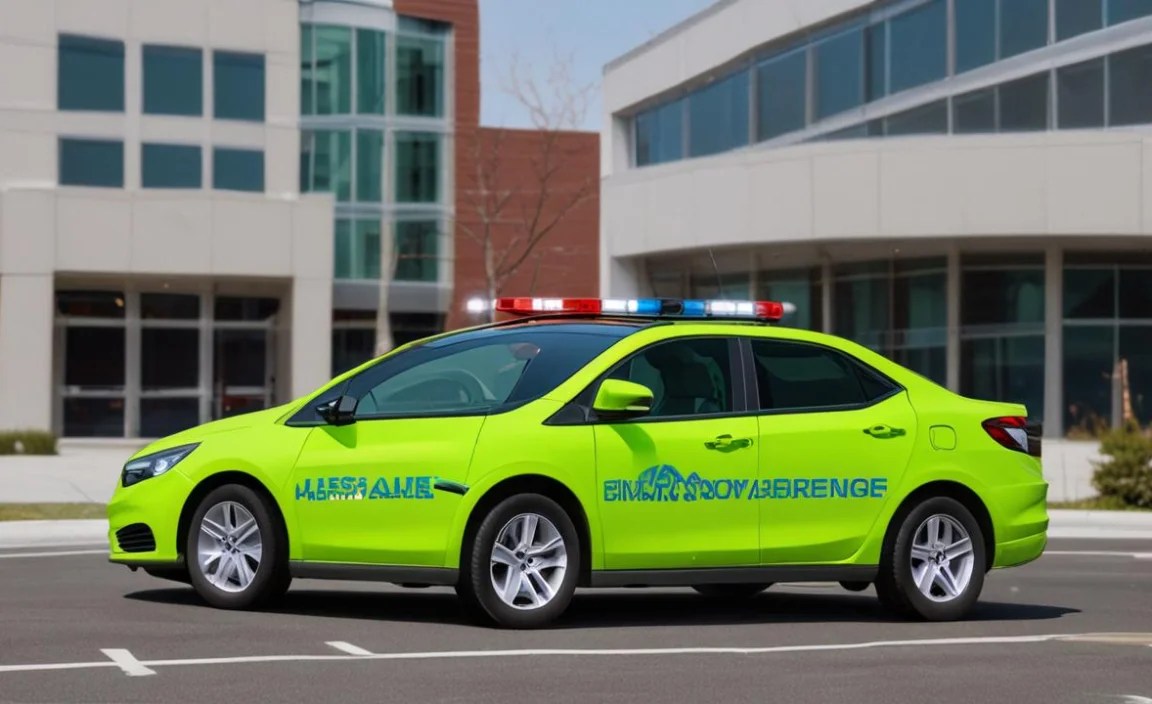
Mercedes-Benz has a well-established suite of services that fall under the umbrella of emergency response, often referred to as “mbrace®” or related connected services. These digital services leverage sophisticated in-vehicle technology to provide assistance when you need it most.
Extensive SOS Functionality

Mercedes-Benz vehicles equipped with the appropriate telematics module feature a dedicated SOS button. Pressing this button connects you to the Mercedes-Benz Emergency Call Service. This service operates 24/7 and is designed to:
- Rapidly Assess Your Situation: Trained operators will determine the nature of your emergency.
- Determine Your Location: Using advanced GPS, they pinpoint your exact whereabouts.
- Dispatch Appropriate Assistance: They will contact local emergency services (police, ambulance, fire department) and provide them with all necessary information.
- Offer Guidance: In many cases, they can offer support and guidance until help arrives.
Furthermore, in the event of a severe accident that triggers airbags or seatbelt pretensioners, the system can automatically summon this Emergency Call Service without any input from the occupants. This automatic feature underscores Mercedes-Benz’s commitment to occupant safety.
Real-Time Traffic Information

Beyond immediate emergency calls, connected services in Mercedes-Benz vehicles provide valuable real-time traffic data. This can help drivers avoid situations that might lead to accidents by rerouting them around congestion, accidents, or road closures. While not a direct emergency response function, it contributes to overall driving safety and stress reduction.
Concierge Services

Some Mercedes-Benz connected service packages may also include concierge features. While these are more lifestyle-oriented, they indirectly contribute to a worry-free driving experience. For instance, the ability to get assistance with directions or information can prevent potentially distracting or risky situations.
Remote Diagnostics and Assistance

The connectivity also allows for remote diagnostics. If your vehicle detects a potential issue, it can alert you and, in some cases, even transmit diagnostic data to your dealer. This proactive approach can help prevent breakdowns that might otherwise lead to stressful or dangerous situations on the road.
What to Expect During an Emergency Call

Understanding the process can help reduce anxiety if you ever need to use the system, whether automatically or manually triggered. Here’s a breakdown of what typically happens:
Automatic Activation Scenario

1. Impact Detection: A significant collision occurs, and the vehicle’s sensors detect the severity.
2. System Engagement: The emergency response system activates automatically.
3. Location Pinpointing: The GPS module precisely determines the vehicle’s coordinates.
4. Call Initiation: The telematics unit dials the designated emergency number.
5. Data Transmission: Vehicle information (make, model, location, direction, VIN) is sent to the emergency call center.
6. Voice Communication: If possible, a voice connection is established. If the occupants are unable to respond, automated information continues to be relayed.
7. Emergency Services Alerted: The call center dispatches the appropriate local emergency responders to the transmitted location.
8. Follow-up: The call center may attempt to maintain contact until help arrives.
Manual Activation Scenario

1. Button Press: You or a passenger presses the “SOS” or emergency call button.
2. Call Initiation: The system immediately initiates a call to the Mercedes-Benz Emergency Call Service.
3. Verbal Communication: A highly trained operator will speak with you directly.
4. Information Exchange: You will be asked about the nature of your emergency (e.g., accident, medical issue, breakdown, or danger).
5. Location Confirmation: The operator will confirm your vehicle’s location, which is automatically provided via GPS.
6. Dispatch of Services: Based on your description, the operator will contact and dispatch the relevant emergency services.
7. Support Provided: The operator will stay on the line, offering reassurance and comfort, and relaying any further information to responders until help arrives.
It’s important to note that the specific details and capabilities can vary slightly depending on the model year, the region, and the specific connected services package subscribed to. However, the core function of automatically or manually connecting you to help remains consistent.
Important Considerations and Maintenance

While these smart systems are designed to be highly reliable, there are a few crucial points to keep in mind to ensure they function optimally when needed.
Subscription Services
Many advanced connected services, including emergency call features and their associated telematics, are often part of a subscription package. It’s essential to understand if your vehicle requires an active subscription for these services to function. Mercedes-Benz offers various mbrace® packages, and the Emergency Call (eCall) functionality might be included in the base package or a premium tier. Always check your vehicle’s documentation or your Mercedes-Benz dealer for precise details on your subscription status and the services it covers.
System Updates
Like any sophisticated technology, the software that powers your vehicle’s emergency response system may receive updates. These updates can improve performance, fix bugs, or add new features. Ensure your vehicle’s telematics system and infotainment software are kept up-to-date through authorized service centers or, in some cases, over-the-air (OTA) updates. Regular servicing at a Mercedes-Benz dealership is the best way to ensure these systems are current.
Power Source

The emergency response system relies on the vehicle’s electrical system. In the event of a severe crash, the main battery could be damaged or disconnected. Many systems are designed with a backup battery specifically for the telematics unit, ensuring the emergency call can still be made even if the primary vehicle battery is compromised. It’s good practice to ensure your vehicle’s battery is in good condition as part of regular maintenance.
Understanding Limitations

While incredibly advanced, these systems are not foolproof. Their effectiveness can be influenced by external factors such as:
- Network Coverage: Cellular service is required. In areas with no or very weak signal, the system may not be able to establish a connection.
- GPS Signal Interference: Dense urban canyons, tunnels, or extreme weather can sometimes interfere with GPS accuracy.
- Vehicle Damage: Catastrophic damage that destroys the telematics unit or its antenna can render the system inoperable.
It’s also important to remember that the system is designed for emergencies. It’s not a substitute for roadside assistance for minor issues like a flat tire or running out of fuel. For those situations, you would typically use a different service.
Frequently Asked Questions
What is the minimum speed for the automatic emergency call to activate?

The system doesn’t rely on a minimum speed. Instead, it’s triggered by the intensity of the impact and the forces detected by the sensors. This means it can activate even at lower speeds if the impact is severe enough to deploy airbags or cause significant structural deformation.
Is the emergency call service

In many regions, like Europe with its mandated eCall system, the basic automatic emergency call functionality is provided free of charge for the life of the vehicle. However, in North America and for enhanced features beyond the basic emergency call (like remote diagnostics, parking aids, or concierge services), a subscription to a connected services package, such as Mercedes me connect (formerly mbrace®), is typically required.
Can I call for help manually if I have a breakdown?

While you can press the SOS button to initiate a call, the system is primarily designed for life-threatening emergencies. For standard roadside assistance (like towing for a breakdown or a flat tire), you would typically use a separate service or a different button if your vehicle is equipped with one, or call your roadside assistance provider directly.
Does emergency response work in tunnels or areas with no cell service?

The system requires a cellular signal to communicate with emergency services and GPS signal for location. If you are in a tunnel or an area with absolutely no cellular coverage, the system may not be able to place a call. In such situations, you would need to wait until you are in an area with reception or find another way to call for help.
How does Mercedes-Benz know if it was a false alarm?
When the system is triggered, it seeks to establish a voice connection. If an operator can speak with you and you confirm it’s a false alarm, they will cancel the dispatch. If no voice response is received after an automatic trigger, emergency services are dispatched based on the data provided. Operators are trained to use protocols to verify the situation as much as possible, often using the transmitted data about impact severity.


