
Animal Detection Car System: Ultimate Luxury Protection
A car’s animal detection system uses sensors and cameras to identify animals on the road, warning the driver or even braking automatically to prevent collisions. This advanced luxury protection feature enhances safety, especially during nighttime driving or in areas with abundant wildlife.
Encountering an animal on the road can be a startling and potentially dangerous event, especially when driving your cherished Mercedes-Benz. The sudden appearance of a deer, fox, or other creature can lead to swerving or hard braking, risking not just your safety and your vehicle’s integrity, but also that of the animal. Fortunately, modern luxury vehicles are equipped with sophisticated technologies designed to mitigate these risks. One such innovation is the animal detection car system, an integral part of your car’s advanced safety suite. This system acts as an extra pair of eyes, offering unparalleled peace of mind and premium protection.
We understand that navigating the intricacies of automotive technology can sometimes feel daunting. That’s why we’re here to demystify the animal detection system. In this comprehensive guide, we’ll break down exactly how this remarkable feature works, what it protects you from, and how it contributes to the ultimate luxury protection every Mercedes-Benz owner deserves. Get ready to explore how this intelligent system keeps you and your vehicle safe from unexpected encounters with wildlife.
Understanding the Animal Detection Car System

Your Mercedes-Benz, a paragon of engineering and safety, often incorporates advanced driver-assistance systems (ADAS) that go beyond what was imaginable just a few years ago. The animal detection car system is a prime example of this innovative spirit. Designed with the utmost care and precision, it’s engineered to be a vigilant guardian, safeguarding you during your journeys.
What is an Animal Detection Car System?

At its core, an animal detection car system is a highly advanced technological feature integrated into a vehicle’s safety architecture. Its primary purpose is to identify animals on or near the roadway, providing timely alerts or even intervening to prevent a potential collision. This system is a sophisticated evolution of standard driver aids, specifically tuned to recognize the unique shapes and movements of various animals.
How Does it Work? The Technology Behind the Shield

The magic behind the animal detection system lies in its combination of cutting-edge sensors and intelligent software. These systems typically employ a multi-pronged approach:
- Cameras: High-resolution cameras, often integrated into the front grille or windshield, capture images of the road ahead. These cameras are equipped with sophisticated image recognition algorithms that can distinguish between mundane objects like road signs and the distinct silhouettes and behaviors of animals. Manufacturers often train these algorithms on vast datasets of animal images in various lighting and weather conditions.
- Radar and/or Lidar: Alongside cameras, radar and/or lidar sensors play a crucial role. Radar uses radio waves to detect objects and measure their distance and speed, while lidar uses laser pulses to create precise 3D maps of the surroundings. These sensors are particularly effective in low-visibility conditions, such as fog, heavy rain, or at night, complementing the visual data from cameras.
- Infrared and Thermal Imaging (in some models): Some high-end luxury vehicles may also feature infrared or thermal cameras. These cameras detect heat signatures, making it easier to spot animals, especially mammals, during darkness when they might otherwise be invisible to standard cameras.
- Sensor Fusion: The real brilliance of these systems lies in “sensor fusion.” This is the process of combining data from multiple sensors (cameras, radar, lidar) to create a more comprehensive and accurate understanding of the environment. By cross-referencing information, the system can reduce false positives (mistaking a shadow for an animal) and increase the likelihood of correctly identifying a genuine threat.
- Artificial Intelligence (AI) and Machine Learning (ML): The underlying software that interprets sensor data often utilizes AI and ML. These technologies allow the system to learn and improve over time, becoming better at recognizing a wider variety of animals and predicting their movements.
The Role of Sophisticated Algorithms

These systems don’t just see shapes; they analyze patterns. Algorithms are trained to recognize the characteristic gait of a deer, the sudden movement of a rabbit, or the presence of a larger animal like a boar. This analysis includes:
- Size and Shape Recognition: Identifying objects that fall within the typical size range and shape of common wildlife.
- Movement Analysis: Detecting erratic or unpredictable movements that are common to animals crossing roads.
- Behavioral Prediction: In advanced systems, algorithms can attempt to predict an animal’s trajectory based on its current movement.
Benefits of an Animal Detection Car System

The integration of an animal detection system in your Mercedes-Benz is more than just a technological marvel; it’s a tangible enhancement to your driving experience and safety. It offers a range of benefits that contribute to the overall luxury and security of your travels.
Enhanced Safety for You and Your Loved Ones

The most significant benefit is, of course, collision avoidance. By providing early warnings or initiating emergency braking, the system drastically reduces the risk of a high-speed impact with an animal. Such impacts can cause severe damage to your vehicle, leading to costly repairs, and more importantly, can result in injuries to occupants. An animal detection system acts as a crucial layer of defense against these dangers.
Protection for Wildlife

Beyond the occupants of the vehicle, these systems also contribute to the humane treatment of wildlife. By helping drivers avoid collisions, the system prevents tragic outcomes for animals, reducing the number of roadkill incidents. This aligns with a responsible and ethical approach to sharing our roads with the natural world.
Reduced Vehicle Damage and Associated Costs

A collision with an animal, even a smaller one, can inflict significant damage. This can include broken headlights, dented body panels, damaged radiators, and even engine issues. Such repair needs can be costly and time-consuming. By preventing these collisions, the animal detection system helps safeguard your investment and minimizes unexpected out-of-pocket expenses.
Increased Confidence During Night and Low-Visibility Driving

Animals are often most active at dawn, dusk, and during the night. These are precisely the times when visibility is compromised, making it harder for drivers to spot them. An animal detection system, especially one equipped with thermal imaging or advanced radar, can “see” in the dark or fog, providing crucial awareness and confidence when navigating through areas prone to wildlife activity.
A Hallmark of Luxury and Advanced Technology

The inclusion of such sophisticated technology underscores the luxury and innovation synonymous with the Mercedes-Benz brand. It signifies a commitment to pioneering safety features that offer not just convenience, but genuine protection, adding to the overall premium driving experience.
How the System Interfaces with the Driver
Understanding how an animal detection car system communicates with you is key to leveraging its protection effectively. Mercedes-Benz designs these systems to be intuitive and informative, ensuring you receive critical warnings without causing undue distraction.
Auditory Alerts
Upon detection of a potential hazard, the system will typically issue an audible warning. This might be a unique chime, a beep, or a voice alert that prompts the driver to pay closer attention and potentially take action. The sound is designed to be noticeable but not jarring, fitting seamlessly within the cabin’s sophisticated ambiance.
Visual Cues and Warnings
Most systems also provide visual cues on the vehicle’s dashboard or infotainment display. This can range from an icon highlighting the detected animal’s location on a graphical representation of the road ahead to more direct warning messages. Some advanced systems might even overlay the detected object onto the live camera feed displayed on the central screen.
Automatic Braking (Active Brake Assist with Animal Recognition)

In the most critical situations, when a collision is imminent and the driver hasn’t reacted sufficiently, the animal detection system can engage the vehicle’s braking system. This function, often part of a broader “Active Brake Assist” or “Collision Prevention Assist” feature, will apply the brakes automatically to reduce the impact speed or, ideally, bring the vehicle to a complete stop before the animal is struck. Mercedes-Benz’s systems are designed to be responsive yet smooth, aiming to assist the driver rather than taking over abruptly where unnecessary.
Integration with Other Safety Systems

The animal detection system doesn’t operate in isolation. It’s often integrated with other Mercedes-Benz safety technologies, such as:
- Adaptive Cruise Control (DISTRONIC): The system can inform DISTRONIC to adjust speed or prepare for braking if an animal is detected ahead.
- Lane Keeping Assist: While not directly preventing animal strikes, the awareness provided by animal detection can work in conjunction with lane keeping systems to maintain stable driving.
- Pre-Safe® Systems: If a collision with an animal is unavoidable, Pre-Safe® systems might be activated, which can prepare the vehicle and occupants for impact by tightening seatbelts, adjusting seat positions, and closing windows.
Practical Considerations and Limitations
While incredibly advanced, it’s important to understand that no system is infallible. Being aware of the capabilities and limitations of your animal detection system ensures you use it most effectively.
Factors Affecting Performance
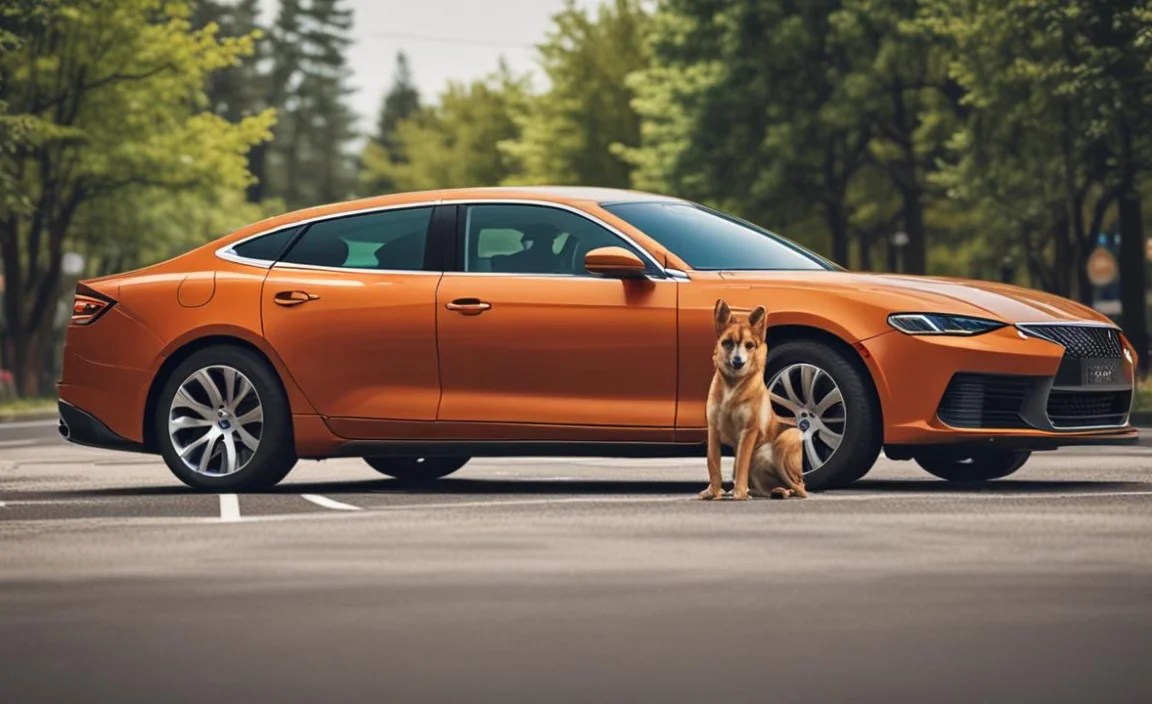
Several environmental and situational factors can influence the system’s effectiveness:
- Lighting Conditions: While improved by thermal or radar sensors, extreme darkness can still pose challenges for camera-based systems.
- Weather: Heavy rain, snow, or fog can obscure sensors, potentially reducing detection accuracy.
- Animal Size and Speed: Very small animals (e.g., rodents, small birds) or animals moving extremely erratically might not always be detected or predicted accurately.
- Road Conditions: Complex road layouts, poor markings, or the presence of other vehicles can sometimes interfere with accurate detection.
- Sensor Obstruction: Mud, snow, ice, or debris covering the sensors (grille, windshield) will impair their function. Regular cleaning is essential.
What the System Typically Detects

Most animal detection systems are optimized for larger mammals commonly found on or near roads, such as:
- Deer
- Elk
- Moose
- Wild Boar
- Large Dogs
- Horses
Smaller animals like rabbits, foxes, or cats may be less consistently detected, although technology is constantly improving.
It’s an Aid, Not a Replacement for Driver Attention

Crucially, the animal detection system is a driver assistance feature. It is designed to supplement, not replace, the driver’s vigilance. You must always remain attentive to the road, especially when driving in areas known for wildlife. The system provides an extra layer of safety, but your awareness and judgment remain paramount.
To understand the specific capabilities and limitations of your Mercedes-Benz model’s animal detection system, it is always recommended to consult your owner’s manual, which provides detailed information tailored to your vehicle. You can also find valuable insights from the National Highway Traffic Safety Administration (NHTSA) regarding advanced driver-assistance technologies.
Maintaining Your Animal Detection System

Like any sophisticated piece of automotive technology, the animal detection system requires nominal care to ensure it functions optimally. Regular maintenance will help prolong its effectiveness and reliability.
Keeping Sensors Clean

The cameras and radar sensors are typically located behind the front grille or on the windshield. It is vital to keep these areas clean. Gently wash them with a soft cloth and mild automotive soap. Avoid abrasive cleaners or high-pressure washing directly on the sensor areas.
Windshield Care
If your vehicle uses a camera mounted behind the windshield, ensure the glass in front of the camera is free from significant chips, cracks, or excessive dirt. A clean, uncompromised windshield is crucial for the camera’s line of sight. For guidance on windshield care, you might find information on reputable auto glass repair sites helpful.
Software Updates
Your Mercedes-Benz’s advanced systems, including the animal detection technology, are often updated through software. Ensure your vehicle receives regular maintenance and software updates from an authorized Mercedes-Benz service center. These updates can improve performance, expand detection capabilities, and fix any potential issues.
Understanding Warning Lights

If a warning light related to the driver assistance systems illuminates on your dashboard, it indicates a problem with the system, which could include the animal detection functionality. It’s important to have this checked by a qualified technician promptly. Ignoring such warnings could disable the system and other related safety features.
Comparing Animal Detection Systems (General Features)

While Mercedes-Benz leads the way in luxury automotive safety, other manufacturers also offer similar technologies. Here’s a general comparison of features you might find, though specific implementations vary greatly.
| Feature | Typical Implementation | Mercedes-Benz Approach (General) |
|---|---|---|
| Detection Technology | Cameras, radar, sometimes lidar. | Multi-sensor fusion (high-res cameras, advanced radar, sometimes thermal imaging). |
| Alerts to Driver | Auditory chimes, visual icons on dashboard. | Distinct auditory warnings, clear visual alerts on MBUX display and instrument cluster. |
| Automatic Intervention | Often integrated into AEB (Autonomous Emergency Braking) systems. | Active Brake Assist with intelligent animal recognition, capable of emergency braking. |
| Type of Animals Detected | Primarily larger mammals (deer, boar). | Optimized for larger mammals, with ongoing improvements for broader detection. |
| Operation Conditions | Varies; can be limited by heavy fog, snow, or direct sunlight glare. | Designed for improved low-light and variable weather performance, but still subject to physical limitations. |
| System Name | Various manufacturer-specific names (e.g., Animal Detection, Wildlife Assist). | Often part of the Driver Assistance Package, integrated with functions like Active Brake Assist. |
It’s worth noting that the sophistication and effectiveness of these systems can vary significantly not only between brands but also between model years and trim levels within the same brand. Mercedes-Benz consistently pushes the boundaries with its integrated safety solutions.
The Future of Animal Detection Systems

The evolution of automotive technology is relentless, and animal detection systems are set to become even more sophisticated. Engineers are continuously working to enhance their capabilities, making our roads safer for everyone, including our animal companions.
- Expanded Detection Range: Future systems will likely be able to detect a wider variety of animals, including smaller ones, with greater accuracy.
- Predictive Analytics: Advancements in AI will enable systems to better predict animal behavior and potential crossing paths, offering even earlier warnings and more precise interventions.
- V2X Communication: Vehicle-to-everything (V2X) communication could allow cars to share information about animal sightings with each other and with infrastructure, creating a networked safety net. Imagine a car detecting a deer and sending a subtle, anonymized alert to approaching vehicles.
- Integration with Smart City Infrastructure: In some areas, sensors deployed on roads could communicate with vehicles to warn them of wildlife hotspots or recent animal crossings.
- Improved Performance in Adverse Conditions: Ongoing sensor development and AI improvements aim to overcome current limitations in fog, heavy rain, and darkness.
These advancements promise a future where driving is even safer, and the risk of animal-vehicle collisions is dramatically reduced. For more on the future of automotive safety, the Vehicle-to-Everything (V2X) standards development offers a glimpse into such connected futures.
Frequently Asked Questions (FAQ)
Q1: Does my Mercedes-Benz have an animal detection system?

Many newer Mercedes-Benz models come equipped with advanced driver-assistance systems that include animal detection capabilities, often as part of the Driver Assistance Package or specific safety suites. The best way to confirm if your specific vehicle has this feature is to consult your owner’s manual or check the vehicle’s window sticker/specifications. Some systems may be specifically designed for larger animals.
Q2: How can I activate or deactivate the animal detection system?

Animal detection systems are typically integrated into broader safety systems like Active Brake Assist. You can usually manage these systems through your vehicle’s infotainment system, often under menus like “Driver Assistance,” “Safety,” or “Active Safety.” While you can often deactivate related functions, it is generally recommended to keep safety features like animal detection active for optimal protection.
Q3: Can the animal detection system detect all types of animals?

Most animal detection systems are primarily designed to detect larger mammals that pose the most significant risk in collisions, such as deer, wild boar, and elk. They are less likely to reliably detect very small animals like rodents, birds, or cats, although technology is continuously improving. Always drive with caution, especially in areas where smaller wildlife is common.
Q4: What happens if the system detects an animal?

When an animal is detected and a collision risk is identified, the system typically provides:


