
MPVs With Advanced Safety Features: Ultimate Protection
MPVs with advanced safety features offer unparalleled peace of mind for families, providing cutting-edge technology to proactively protect occupants. These vehicles integrate intelligent systems designed to prevent accidents and mitigate their impact, making them the ultimate choice for safeguarding loved ones on every journey.
Traveling with family is a joy, but it also brings a heightened sense of responsibility. We all want to ensure our loved ones are as safe as possible when on the road. When it comes to MPVs, or Multi-Purpose Vehicles, the focus often shifts towards practicality and space. However, the most forward-thinking MPVs now excel in a critical area: advanced safety. These aren’t just about rigid frames and airbags anymore; they’re about intelligent systems working together to anticipate and react to potential hazards. If you’ve been wondering how modern MPVs can offer truly superior protection, you’re in the right place. We’ll explore the transformative technologies that define safety in today’s family vehicles.
The Evolution of MPV Safety: Beyond the Basics

For years, car safety was primarily measured by crash test ratings and the presence of fundamental features like seatbelts and airbags. While these remain crucial, the definition of “safe” has dramatically evolved. Modern MPVs are now equipped with sophisticated electronic driver assistance systems (ADAS) that actively work to prevent accidents from happening in the first place. This proactive approach marks a significant leap forward, especially for vehicles designed to carry families.
Think of it this way: passive safety features, like airbags, are there to protect you during a collision. Active safety features, on the other hand, are designed to help you avoid that collision altogether. The latest MPVs are packed with a suite of active and passive safety technologies that work in concert to create a remarkably secure environment for everyone inside.
Key Advanced Safety Features Explained
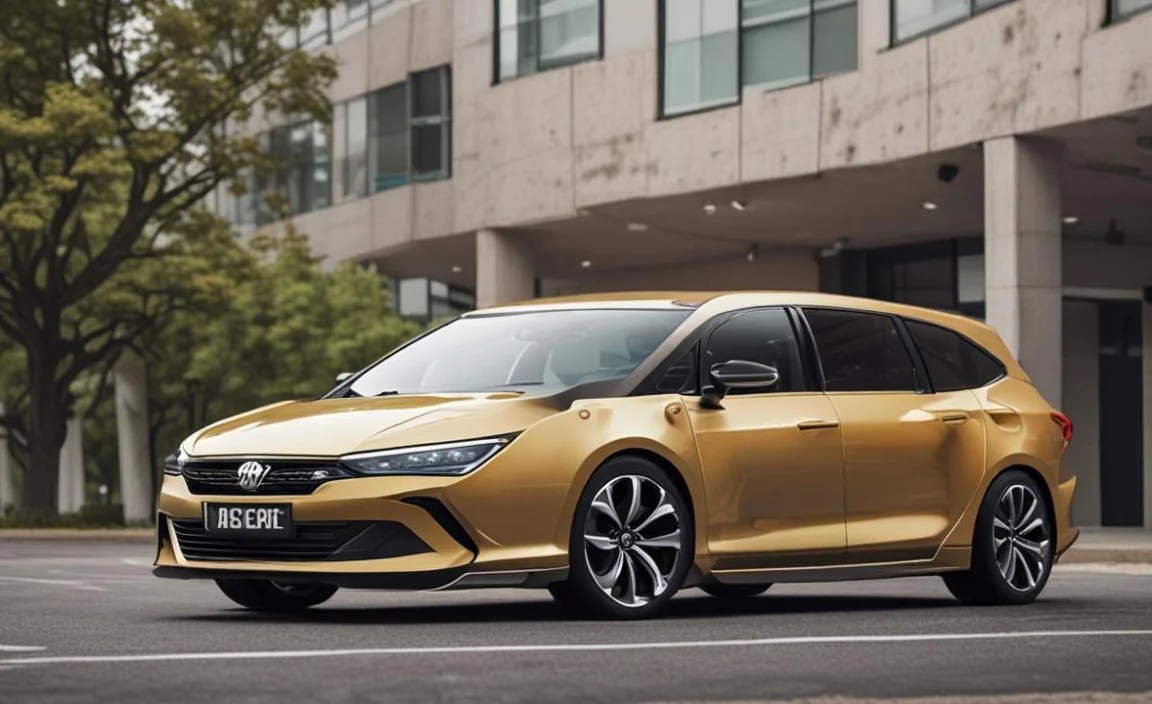
Understanding these features can seem daunting, but they are designed to be intuitive. Here’s a breakdown of what to look for:
1. Predictive and Adaptive Systems
These are the “brains” behind many advanced safety functions. They use sensors, cameras, and radar to monitor the vehicle’s surroundings and anticipate potential dangers.
- Adaptive Cruise Control (ACC): This system goes beyond traditional cruise control by automatically adjusting your speed to maintain a safe distance from the vehicle in front. If the car ahead slows down, your ACC will too, and it will accelerate back to your set speed when the path is clear. Some advanced ACC systems can even handle stop-and-go traffic.
- Forward Collision Warning (FCW) & Automatic Emergency Braking (AEB): FCW systems use sensors to detect an imminent collision with a vehicle or pedestrian ahead. They’ll alert you with visual and auditory warnings. If you don’t react, AEB can automatically apply the brakes to help prevent or mitigate the impact. This is a game-changer for urban driving.
- Lane Keeping Assist (LKA) & Lane Departure Warning (LDW): LDW alerts you if your vehicle begins to drift out of its lane without signaling. LKA goes a step further by providing gentle steering intervention to nudge the vehicle back into its lane. This is incredibly helpful on long highway drives or when fatigue might set in.
2. Situational Awareness Technologies
These features give drivers a better understanding of what’s happening around the MPV, reducing blind spots and improving maneuverability.
- Blind Spot Monitoring (BSM): BSM uses sensors to detect vehicles in your blind spots. It typically warns you with a light on your side mirror, only illuminating when a vehicle is detected. This is vital for safe lane changes.
- Rear Cross-Traffic Alert (RCTA): When reversing out of a parking spot, RCTA uses sensors to detect approaching vehicles from either side. It provides an audible and visual warning, helping you avoid backing into traffic.
- 360-Degree Camera System: Often presented as a bird’s-eye view on your infotainment screen, this feature stitches together images from multiple cameras around the vehicle to give you a comprehensive view of your surroundings. It’s exceptional for parking and navigating tight spaces.
- Parking Assist Systems: These systems can range from simple parking sensors to fully automated parking, where the car steers itself into a parking space.
3. Post-Collision Safety
While the goal is always to avoid an accident, advanced MPVs also incorporate features to enhance safety even if a collision occurs.
- Advanced Airbag Systems: Modern MPVs often feature more airbags than just the front ones, including side curtain airbags, knee airbags, and even center airbags to prevent occupants from colliding with each other in a side impact.
- Intelligent Post-Collision Systems: Some vehicles are equipped to automatically unlock doors, turn on hazard lights, and even contact emergency services after detecting a significant impact.
- Active Head Restraints: Designed to reduce whiplash injuries, these head restraints move forward in a rear-end collision, cushioning the head.
What Makes an MPV Ideal for Advanced Safety?

MPVs inherently offer a larger cabin, which can be designed to better accommodate advanced safety structures and the sophisticated sensors required for ADAS. Their typically longer wheelbases can also contribute to a more stable ride, which aids in the performance of these safety systems.
Furthermore, manufacturers often equip their MPV flagships with the latest and greatest safety innovations, as these vehicles often appeal to the family-oriented demographic who prioritize protection above all else. This means you’ll frequently find the most comprehensive safety suites on top-tier MPVs.
Understanding the Technology: How it Works (Simplified)

The magic behind advanced safety features relies on a network of sensors, cameras, radar, and sophisticated software working together. These components constantly scan the environment around the vehicle. When an anomaly is detected – such as a car braking suddenly, a pedestrian stepping into the road, or the vehicle drifting towards a lane marker – the system analyzes the situation with incredible speed.
Based on this analysis, the system decides on the appropriate action: alerting the driver, providing steering assistance, or applying the brakes. The goal is always to give the driver maximum time and control to avoid a collision, or to minimize the impact if one is unavoidable.
External Resources for Safety Information:
For independent and authoritative data on vehicle safety, the National Highway Traffic Safety Administration (NHTSA) in the United States provides comprehensive crash test results and safety ratings. You can explore their findings and learn more about their New Car Assessment Program (NCAP) at nhtsa.gov. Similarly, the European New Car Assessment Programme (Euro NCAP) offers detailed safety assessments for vehicles sold in Europe and beyond, available at euroncap.com.
Choosing an MPV with Advanced Safety: A Practical Guide

When you’re in the market for an MPV prioritizing safety, here’s what to consider:
- Prioritize ADAS Suites: Look beyond individual features. Many manufacturers offer comprehensive safety packages that bundle several advanced systems. These often provide the most integrated and effective protection.
- Check Standard vs. Optional Features: Note which safety features are standard on the trim level you’re considering and which are optional extras. Sometimes, opting for a higher trim or a specific package is necessary to get the most advanced safety tech.
- Read Reviews and Safety Reports: Consult automotive reviews and, most importantly, official safety agency ratings like those from NHTSA or Euro NCAP. These provide unbiased assessments of how well a vehicle performs in real-world scenarios and crash tests.
- Test Drive and Experience the Systems: During a test drive, pay attention to how the advanced safety features function. Do the alerts feel intrusive or helpful? Can you easily understand what the car is trying to communicate?
- Consider Your Driving Habits: If you do a lot of highway driving, Adaptive Cruise Control and Lane Keeping Assist are invaluable. If you’re in a busy city, Forward Collision Warning and Rear Cross-Traffic Alert will be your best friends.
Examples of MPVs Known for Advanced Safety
While specific models and their safety feature availability change annually, certain brands consistently lead the pack in integrating advanced safety into their MPV offerings. These often include premium brands that can afford to invest heavily in R&D.
Premium Segment Examples: Look towards manufacturers renowned for their engineering and safety innovation. These vehicles often feature a standard or highly comprehensive suite of ADAS, including advanced sensor arrays, more sophisticated AI for predictive braking, and often include driver assistance packages that offer semi-autonomous driving capabilities on highways. Features like adaptive cruise control with steering assist, advanced pedestrian detection, and comprehensive blind-spot intervention systems are common.
Mainstream Segment Examples: Many mainstream manufacturers are also making advanced safety features more accessible. You’ll find excellent safety packages on popular models, often including AEB, LDW, BSM, and RCTA as standard or part of affordable option groups. These brands recognize that safety is a primary purchasing driver for families.
For the most cutting-edge systems, particularly those offering enhanced semi-autonomous driving functions such as advanced lane centering and traffic jam assist, it’s often the luxury brands that lead. For instance, systems like Mercedes-Benz’s DRIVE PILOT (in applicable models) represent the pinnacle of current automotive safety and driver assistance technology. These systems use a complex interplay of radar, lidar, cameras, and navigation data to achieve a high level of automation under specific conditions.
To get the most current information on specific models, you should always refer to the latest manufacturer brochures and official safety ratings from organizations like the NHTSA or Euro NCAP.
The Role of Passive Safety in Modern MPVs
While active safety systems aim to prevent accidents, passive safety remains the last line of defense. Modern MPVs are engineered with advanced structural designs to absorb and dissipate crash energy, protecting the occupants within the safety cell.
MPV Safety Structure Design
MPVs are typically built with reinforced A, B, and C pillars, substantial cross-members, and energy-absorbing crumple zones at the front and rear. The larger cabin space also allows for more sophisticated airbag deployment systems, including:
- Frontal Airbags: Standard driver and passenger airbags. Many are now “smart” airbags that can deploy with varying force based on occupant size and impact severity.
- Side Airbags: Protect the torso in side impacts.
- Side Curtain Airbags: Deploy along the sides of the windows to protect the heads of occupants in side impacts and rollovers.
- Knee Airbags: Protect the lower limbs of front occupants in frontal collisions.
- Center Airbags: Some vehicles are now equipped with an airbag between the front seats to prevent occupants from colliding with each other.
MPV Safety Features Comparison Table
This table provides a general overview. Specific features vary by model and trim level. Always confirm with the manufacturer.
| Feature Category | Common Features | Benefit | Typical Availability |
|---|---|---|---|
| Preventative & Predictive | Forward Collision Warning (FCW), Automatic Emergency Braking (AEB), Adaptive Cruise Control (ACC) | Helps avoid or mitigate frontal impacts. Maintains safe following distance. | Standard or optional on most new MPVs. |
| Lane & Steering Control | Lane Departure Warning (LDW), Lane Keeping Assist (LKA), Lane Centering Assist | Keeps the vehicle centered within its lane. Warns of unintentional drifts. | Increasingly standard, often bundled in safety packages. |
| Situational Awareness | Blind Spot Monitoring (BSM), Rear Cross-Traffic Alert (RCTA), 360-Degree Camera System | Enhances visibility around the vehicle. Aids in safe lane changes and reversing. | Common on mid-to-high trims, or as part of option groups. |
| Passive & Post-Collision | Multiple Airbags, High-Strength Steel Body Structure, Seatbelt Pretensioners | Protects occupants during a crash. Reduces impact severity. | Standard on all modern MPVs. |
The Future of MPV Safety
The automotive industry is constantly pushing the boundaries of safety technology. We can expect to see even more sophisticated AI-powered systems, improved sensor technology for all-weather performance, and a greater integration of vehicle-to-everything (V2X) communication. V2X allows vehicles to communicate with other vehicles, infrastructure, and pedestrians, creating an even more connected and safer driving environment.
As we move towards electric MPVs, engineers will also have new opportunities with platform design to further optimize safety cell structures and integrate battery protection systems seamlessly. The inherent advantages of electric powertrains, such as lower centers of gravity due to battery placement, can also contribute to enhanced stability and reduced rollover risk.
Frequently Asked Questions (FAQ)
What is the difference between active and passive safety features?
Active safety features help prevent accidents from happening. Examples include Automatic Emergency Braking and Lane Keeping Assist. Passive safety features help protect occupants if an accident does occur. Examples include airbags and strong car body structures.
Are advanced safety features on MPVs truly effective?
Yes, numerous studies and real-world data show that advanced driver assistance systems (ADAS) significantly reduce accident rates and the severity of injuries. Features like AEB and BSM have proven particularly effective.
Do I still need to pay attention if my MPV has advanced safety features?
Absolutely. These systems are designed to assist, not replace, the driver. You must remain alert and ready to take control at all times. They are there to help you, not to drive for you.
Is it worth paying extra for advanced safety packages?
For most families, the answer is a resounding yes. The potential to avoid a serious accident, protect loved ones, and reduce insurance costs makes advanced safety packages a valuable investment in peace of mind.
How do I know which safety features are most important for me?
Consider your typical driving environment. City dwellers might prioritize collision avoidance and parking aids, while those who drive long distances may benefit more from adaptive cruise control and lane-keeping systems.
Can advanced safety features malfunction?
Like any complex technology, ADAS can sometimes malfunction, though this is rare. Issues can arise from sensor obstruction (e.g., snow, mud), extreme weather, or system faults. It’s important to keep sensors clean and have any system warnings checked by a professional.
Are all MPVs equipped with the same advanced safety features?
No, feature availability varies significantly by manufacturer, model, and trim level. Premium brands often offer more advanced systems as standard, while mainstream brands may offer them in optional packages or on higher trim levels.
Conclusion: Driving with Unparalleled Confidence
Choosing an MPV with advanced safety features is a powerful statement about your priorities. It’s about leveraging cutting-edge technology to create the safest possible environment for your most precious cargo – your family. From proactive collision avoidance systems that act as an extra set of eyes on the road, to robust passive safety structures designed to protect in the event of an impact, these vehicles offer comprehensive protection. By understanding the technologies available and looking for them when you shop, you can drive with an unparalleled sense of confidence, knowing your MPV is working tirelessly to keep everyone on board safe on every adventure, big or small.


