
Mercedes-Benz Adaptive Headlights: Perfect Performance
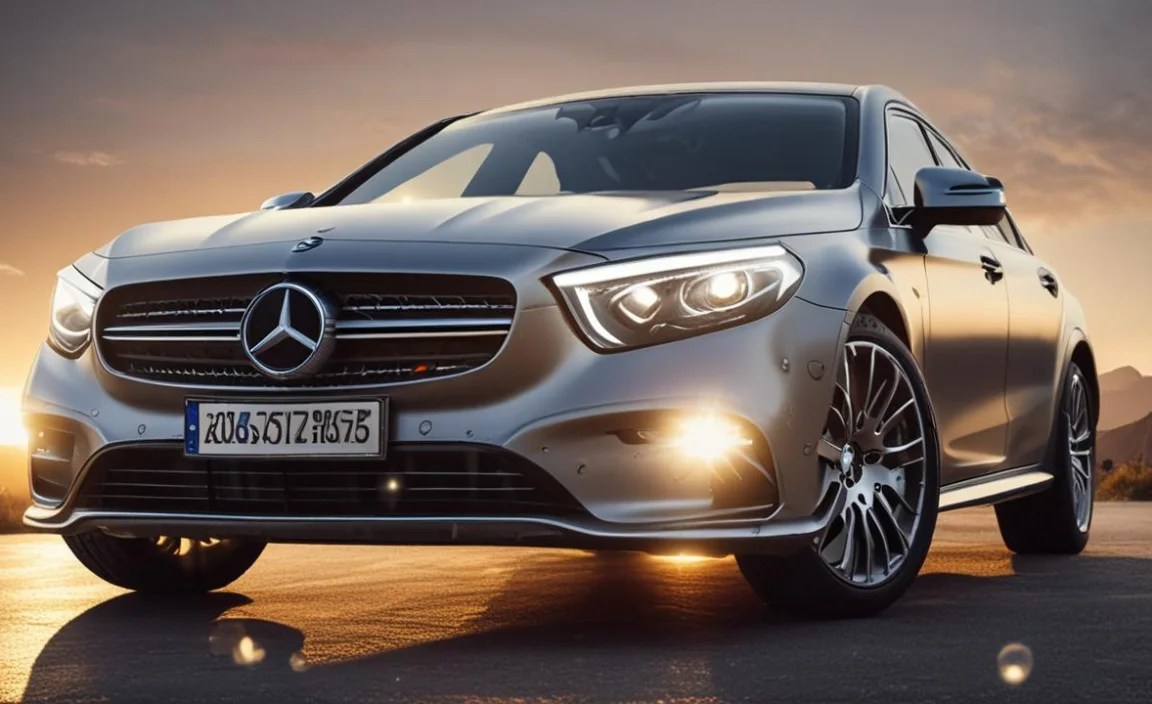
Mercedes-Benz Adaptive Headlights provide perfect performance by intelligently adjusting beam pattern and intensity based on driving conditions, speed, and steering input, enhancing visibility and safety.
Driving at night, especially on unfamiliar roads, can be a challenge. You need to see clearly to navigate safely, react to hazards, and avoid fatigue. Traditional headlights offer a static beam, which can be insufficient in many situations. This is where Mercedes-Benz’s innovative Adaptive Headlight technology truly shines, offering a dynamic and intelligent lighting solution designed for unparalleled visibility and safety.
This advanced system goes beyond simple on/off functionality. It actively works to illuminate the road ahead in the most effective way possible, adapting to your driving environment in real-time. For any Mercedes-Benz owner, understanding how this technology enhances your driving experience is key to appreciating the brand’s commitment to innovation and safety. We’ll break down exactly what makes these lights so special and how they achieve their perfect performance.
What Are Mercedes-Benz Adaptive Headlights?

Mercedes-Benz Adaptive Headlights, often referred to as Active Curve Illumination or cornering lights, are a sophisticated lighting system designed to significantly improve visibility and safety during nighttime driving and in adverse weather conditions. Unlike conventional headlights that project a fixed beam, adaptive headlights dynamically adjust their light output and pattern based on various driving factors.
These systems integrate sensors and advanced control modules to constantly monitor your vehicle’s speed, steering angle, and even ambient light conditions. This real-time data allows the headlights to intelligently adapt, providing optimal illumination precisely where and when you need it most. The core idea is to proactively enhance your vision, reducing the risk of accidents and making nighttime driving a much less stressful experience.
How Do They Work? The Magic Behind the Beams

The brilliance of Mercedes-Benz Adaptive Headlights lies in their multi-faceted approach to illuminating your path. They combine several technologies to achieve a truly responsive and illuminating experience. Let’s explore the key components and functions:
Intelligent Light System (ILS)
Many Mercedes-Benz models equip the Intelligent Light System (ILS), which is the umbrella term for their advanced adaptive lighting suite. ILS integrates various lighting functions that adapt automatically. This includes:
- Active Curve Illumination: This is a cornerstone of adaptive lighting. When you turn the steering wheel, the headlights actually swivel in the direction of the turn. This illuminates the road ahead in your intended path, making winding roads and turns much more visible. The angle of the swivel typically increases with lower speeds, providing more pronounced illumination in tight corners.
- Bi-Xenon or LED Technology: ILS systems predominantly utilize high-intensity Bi-Xenon or advanced LED lighting units. These provide brighter, whiter light that is closer to natural daylight, reducing eye strain and improving color recognition of road signs and hazards. Bi-Xenon systems often incorporate a single projector for both high and low beams, with a mechanism that moves a shield to switch between them. LED systems use individual LEDs that can be controlled independently for various functions.
- Country Roads Mode: At certain speeds (typically 30–50 mph), the system adjusts the beam pattern to widen and extend illumination down the side of the road, helping you spot pedestrians or animals that might stray onto the carriageway.
- Highway Mode: Above a certain speed (e.g., 55 mph), the system optimizes the headlight beam for higher speeds, extending the range and focusing the light further down the road.
- Enhanced Fog Lights: When fog lights are activated and the headlights are on low beam, the system can adjust the left headlight to tilt outward and downward. This reduces glare reflected off fog or mist and illuminates the road edge more effectively, improving side visibility.
- Active Light Functions: Depending on the specific ILS package, the system might offer an “active” cornering function where the light unit physically swivels, or simply a “passive” function where the light cone is widened.
LED Intelligent Light System (LED ILS)

The evolution of ILS brings us LED ILS, leveraging the advantages of light-emitting diodes. LED technology allows for more precise control, faster response times, and a more compact design. In addition to the functions found in Bi-Xenon ILS, LED ILS often includes:
- Adaptive Highbeam Assist: This is a game-changer. Instead of simply turning high beams on or off manually, Adaptive Highbeam Assist uses a camera to detect oncoming vehicles and vehicles ahead. It then automatically adjusts the high beams to avoid dazzling other drivers while still maximizing your own forward illumination. This can involve dimming specific sections of the beam or temporarily dipping the high beams.
- PRE-SAFE® Light: Sometimes integrated, this function can activate hazard lights and interior illumination if a collision is imminent, based on PRE-SAFE® system alerts.
MULTIBEAM LED Technology
For the most advanced lighting experience, Mercedes-Benz offers MULTIBEAM LED. This system takes adaptive lighting to an entirely new level:
- Individual LED Control: Each headlight unit contains over 80 individually controllable LEDs. This allows for extremely precise adjustments to the light distribution.
- 8-Way Matrix Control: Sophisticated algorithms analyze data from a camera mounted behind the windshield, detecting other road users and street lighting. The system then individually adjusts the light emitted by each LED section in 8 separate zones.
- Dynamic Light Distribution: MULTIBEAM LED creates light patterns that precisely match the driving situation. It can illuminate the road, curves, and corners with exceptional clarity without dazzling other drivers.
- Advanced Adaptive Highbeam: The intelligent high-beam function within MULTIBEAM LED is particularly impressive. It continuously adjusts the light pattern to provide the longest possible range of effective illumination without dazzling others. This means you can keep your high beams on almost all the time, allowing you to see significantly more of the road and its surroundings.
Benefits of Adaptive Headlights

The advantages of having adaptive headlights on your Mercedes-Benz are numerous, directly contributing to a safer and more comfortable driving experience. Here are the key benefits:
- Enhanced Visibility: By directing light where it’s needed most, adaptive headlights significantly improve how well you can see the road, your surroundings, and potential hazards, especially during turns and at different speeds.
- Improved Safety: Better visibility directly translates to increased safety. You’re more likely to detect and react to unexpected situations, such as pedestrians, cyclists, animals, or debris on the road, giving you more time to respond.
- Reduced Driver Fatigue: Strain on the eyes is a major contributor to driver fatigue, particularly on long night drives. The consistent and optimized illumination provided by adaptive systems reduces this strain, helping you stay more alert and focused.
- Increased Driving Comfort: Navigating winding roads or dark country lanes becomes much less intimidating with headlights that intuitively light up your path. This adds a significant layer of comfort and confidence to night driving.
- Automatic High Beam Functionality: Systems with Adaptive Highbeam Assist (especially MULTIBEAM LED) virtually eliminate the need for manual high beam operation. This ensures you always have the maximum possible light output without the risk of blinding other drivers, a significant convenience and safety improvement.
- Reduced Glare for Other Drivers: The intelligent control of light beams ensures that oncoming traffic and drivers ahead are not subjected to unnecessary glare, promoting courtesy and safety on the road.
- Compliance with Regulations: Modern adaptive lighting systems are designed to meet stringent automotive lighting regulations, ensuring optimal performance within legal frameworks. For more on automotive lighting standards, you can refer to resources from the National Highway Traffic Safety Administration (NHTSA).
Identifying Adaptive Headlights on Your Mercedes-Benz

Distinguishing whether your Mercedes-Benz is equipped with adaptive headlights, and which specific generation, can be done through a few indicators:
Visual Inspection of Headlight Units

- Projector Style: Many adaptive systems use projector-style headlights. While not exclusive, the presence of multiple projector lenses or distinct internal elements can be a clue.
- LED Matrix Design Look for complex internal structures within the headlight housing, especially noticeable in MULTIBEAM LED systems which feature many small, precisely arranged LEDs.
- Badging: Some models might have subtle badging or lettering within the headlight assembly itself, though this is less common.
Checking Vehicle Specifications
- Owner’s Manual: The most definitive source is your vehicle’s owner’s manual. It will detail the specific technologies installed on your car.
- Window Sticker (Original Purchase): If you have the original window sticker from when the car was new, it will list all optional packages and features, including the specific lighting system.
- VIN Decoder: Online VIN decoders can often provide a detailed list of your vehicle’s original factory options.
- Mercedes-Benz Service Information: Your local Mercedes-Benz dealership’s service department can look up your vehicle’s build sheet using your VIN.
Understanding the Adaptive Headlight Settings

Most Mercedes-Benz vehicles equipped with adaptive headlights have settings that you can access and adjust to suit your preferences and driving conditions. These controls are typically found:
- On the Steering Wheel: Many functions are controlled via buttons on the steering wheel, navigating through the instrument cluster’s menu.
- Infotainment System: Some settings for lighting, especially automatic functions like Adaptive Highbeam Assist, can be managed through the central COMAND or MBUX infotainment screen under the “Vehicle” or “Lights” menu.
Common settings and indicators to look for include:
| Setting/Indicator | Description | Location/How to Access |
|---|---|---|
| Headlight Control Stalk | The main dial for selecting between Off, Auto, Parking Lights, Low Beam. Look for additional symbols like a steering wheel with a light beam for the active curve feature. | Left side of the steering column. |
| “AUTO” Headlight Mode | When engaged, the headlights will automatically turn on and off based on ambient light levels. This is essential for other adaptive functions to work. | Headlight control stalk dial. |
| Adaptive Highbeam Assist (AHA) | An icon (often a blue headlight with radiating lines) on the instrument cluster indicates if AHA is active. It can usually be toggled on/off. | Infotainment system menu (e.g., Vehicle -> Lights -> Adaptive Highbeam Assist) or sometimes via a button on the stalk. |
| Active Curve Illumination Indicator | Some systems may display a subtle icon on the dash or within the instrument cluster when the cornering lights are actively swiveling. | Instrument cluster (often a symbol of a steering wheel and light). |
| Country/Highway Modes | These modes usually engage automatically based on speed. There might be an indicator on the dashboard confirming the mode. | Automatic based on vehicle speed; indicator lights on the dash. |
Important Note: The exact names and operation of these settings can vary slightly between Mercedes-Benz model years and specific trim levels. Always refer to your vehicle’s owner’s manual for precise instructions.
Maintenance and Troubleshooting

Mercedes-Benz adaptive headlights are designed to be reliable and largely maintenance-free. However, like any complex automotive system, issues can occasionally arise. Here’s what you should know regarding maintenance and common troubleshooting steps:
Routine Checks
- Regular Cleaning: Keep the headlight lenses clean. Dirt, grime, and road salt can obscure the light output and interfere with sensors for systems like Adaptive Highbeam Assist. Use a soft cloth and a mild automotive cleaner.
- Bulb Replacement: While Xenon bulbs last significantly longer than traditional halogens (often 50,000-100,000 miles), they do eventually need replacement due to dimming or complete failure. LED units are rated for the life of the vehicle but can fail individually.
- Sensor Integrity: The cameras and sensors used by adaptive systems are typically located behind the windshield or integrated into the bumper/grille. Ensure these areas are free of obstructions like excessive dirt, debris, or damage.
Common Issues and Troubleshooting
If your adaptive headlights aren’t performing as expected, here are some potential causes and what you can do:
| Symptom | Potential Cause(s) | Troubleshooting Steps |
|---|---|---|
| Headlights Not Swiveling (Turning) | • System disabled in menus. • Faulty headlamp leveling sensor. • Malfunctioning steering angle sensor. • Damaged headlight motor. • Blown fuse. |
• Check vehicle settings to ensure Active Curve Illumination is enabled. • Inspect for dashboard warning lights. • Consult a qualified technician. |
| Adaptive Highbeam Assist Not Working or Phased Out | • System disabled. • Camera obstructed or dirty. • Windshield replacement without proper recalibration. • Faulty camera. • Extreme weather obscuring camera view. |
• Ensure AHA is enabled in settings. • Clean the windshield and camera area. • If recently replaced windshield, ensure camera calibration was performed per Mercedes-Benz procedures for optimal function. Refer to expert calibration services if needed. |
| One Headlight Beam Pattern is Incorrect or Dim | • Xenon bulb nearing end of life. • LED module failure. • Ballast issues. • Control module fault. • Misalignment. |
• Check for dashboard warning lights related to your lights. • Consult a dealership or specialist for diagnosis, especially for LED systems which often require module replacement. |
| Headlights Not Adjusting for Speed (Country/Highway Modes) | • Speed sensors are not functioning correctly. • System disabled. • Vehicle speed signal issue. |
• Ensure the general headlight system is in “Auto” mode. • Check for any related warning lights. • Diagnosis by a technician is recommended. |
| General Warning Lights Related to Lights | • Numerous potential causes from electrical system faults to component failures. | • Always pay attention to dashboard warning messages. • Seek professional diagnosis from a Mercedes-Benz dealer or a qualified independent specialist. For complex diagnostics, specialized tools like Mercedes-Benz’s XENTRY diagnostic system are often required. |
When to Seek Professional Help: For most issues related to adaptive headlight systems, it is highly recommended to consult a Mercedes-Benz dealership or a reputable independent mechanic specializing in European vehicles. Complex electrical systems, precise aiming, and specialized diagnostic tools are often necessary for accurate repair. The precise calibration of cameras and sensors after component replacement or windshield repair is crucial for these systems to function correctly and safely. Improper calibration can lead to ineffective lighting or even glare for other drivers.
FAQs About Mercedes-Benz Adaptive Headlights
Are adaptive headlights worth the extra cost?

For most drivers, yes. The significant improvements in visibility and safety, especially during nighttime driving and in varied conditions, often justify the investment. The added comfort and reduced fatigue also contribute to a better ownership experience.
Can adaptive headlights be added to a Mercedes-Benz that didn’t come with them?

While technically possible in some cases, it’s extremely complex and expensive. It involves replacing the headlight assemblies, adding wiring harnesses, sensors, control modules, and extensive programming. It’s generally not a feasible or cost-effective retrofit for most owners.
<h3 id=”how-do-i-know-if-my-mer


