
Smart Car Driver Alerts: Essential Luxury Power
Smart car driver alerts are advanced safety systems designed to enhance your driving experience and protect you on the road. They offer peace of mind by warning you of potential hazards, making every journey smoother.
Driving a Mercedes-Benz is an experience of refined luxury and advanced engineering. Among the many innovations that contribute to this, the “smart car driver alerts” stand out. These aren’t just beeps and whistles; they are intelligent co-pilots, working tirelessly to keep you safe and informed without being intrusive. Many drivers wonder if these alerts are truly beneficial or just added complexity. The good news is, they are a cornerstone of modern luxury driving, offering a subtle yet powerful layer of security and convenience that elevates your time behind the wheel. We’ll explore what these smart alerts are, how they function, and why they are an essential part of your Mercedes-Benz.
Understanding these systems can transform your perception of driving technology from a novelty into a vital safety feature. Let’s break down the world of smart car driver alerts, making it easy to grasp their importance and how they contribute to the unparalleled Mercedes-Benz experience.
What Are Smart Car Driver Alerts?

Smart car driver alerts, often referred to as safety or driver-assistance systems, are a suite of technologies integrated into modern vehicles, especially luxury brands like Mercedes-Benz, designed to enhance driving safety and awareness. These systems utilize a network of sensors, cameras, radar, and sophisticated software to monitor the vehicle’s surroundings and the driver’s behavior. When a potential hazard or critical situation is detected, the system provides the driver with timely warnings, ranging from visual cues on the dashboard to audible alerts and even haptic feedback.
The primary goal of these alerts is to prevent accidents by either alerting the driver to dangers they might have missed or by intervening to mitigate a collision. Think of them not as taking control away from you, but as an always-vigilant co-pilot, offering an extra pair of eyes and a helping hand when you need it most. These systems are a testament to Mercedes-Benz’s commitment to “The Best or Nothing,” ensuring that innovation serves the ultimate purpose of protecting occupants.
Key Types of Smart Car Driver Alerts
Mercedes-Benz vehicles are equipped with a comprehensive suite of driver alerts, each designed to address specific driving scenarios. Understanding these different systems is the first step in appreciating their value.
Collision Prevention Assist PLUS (CPA PLUS)

This is a fundamental alert system designed to significantly reduce the danger of rear-end collisions. CPA PLUS uses radar to monitor traffic ahead. If it detects a risk of collision, it provides the driver with a visual warning. If the driver then brakes impulsively, the system can provide additional braking force precisely when it’s needed to help avoid or mitigate the impact. It’s a sophisticated system that has evolved over the years, becoming more intuitive and effective.
DISTRONIC PLUS (Adaptive Cruise Control with Steering Assist)

While DISTRONIC PLUS is primarily known for its adaptive cruise control capabilities—allowing the car to maintain a set speed and distance from the vehicle ahead—the “Steering Assist” component adds a crucial layer of smart alerting. It uses cameras to recognize lane markings and can actively help keep the vehicle centered within its lane. The alert aspect comes in when the system detects potential lane drift without the driver signaling, or if it needs the driver to take over steering.
For more detailed information on adaptive cruise control systems, the National Highway Traffic Safety Administration (NHTSA) provides excellent resources on various driver assistance technologies.
Blind Spot Assist

This system is invaluable for highway driving and changing lanes. Blind Spot Assist uses radar sensors to detect vehicles in the driver’s blind spots. If a vehicle is detected in a blind spot, a warning light illuminates in the corresponding side mirror. If the driver activates the turn signal while a vehicle is still in the blind spot, an additional audible warning is given, and the warning light flashes.
Lane Keeping Assist (LKA)

Similar in concept to the Steering Assist in DISTRONIC PLUS, Lane Keeping Assist uses cameras to monitor lane markings. If the vehicle unintentionally drifts out of its lane (without the turn signal being activated), LKA can warn the driver, typically with a vibration in the steering wheel or an audible alert. Some advanced versions can also gently intervene by applying slight steering torque to guide the vehicle back into its lane.
Attention Assist

This unique system is designed to detect signs of driver fatigue or distraction. By analyzing steering inputs and other driving behavior patterns over time, Attention Assist can detect drowsiness. If it senses that the driver’s concentration is waning, it will alert them with a visual warning (a coffee cup icon on the dashboard) and an audible chime, suggesting a break.
Active Parking Assist (PARKTRONIC)

While not strictly a “driver alert” in the sense of imminent danger, Active Parking Assist provides crucial alerts and guidance during parking maneuvers. It uses sensors to detect parking spaces and can autonomously steer the vehicle into parallel or perpendicular parking spots. It constantly alerts the driver to obstacles, distances, and required actions, ensuring a smooth and safe parking experience.
Crosswind Assist
A less commonly discussed but highly effective alert system, Crosswind Assist helps stabilize the vehicle when strong gusts of wind push it sideways, particularly on bridges or open roads. If strong crosswinds are detected, the system can apply selective braking to individual wheels to counteract the wind’s effect and keep the car on a stable course, often accompanied by a subtle steering correction. The driver might feel a slight brake application or notice increased stability.
How Smart Car Driver Alerts Work: The Technology Behind the Scenes
The sophistication of smart car driver alerts lies in the powerful combination of hardware and software working in unison. Here’s a glimpse into the technologies that make these systems effective:
Sensors: The Eyes and Ears of Your Mercedes

A variety of sensors are strategically placed around the vehicle to gather real-time data about the driving environment:
- Radar Sensors: Typically located in the front and rear bumpers, radar is excellent at detecting the speed and distance of other vehicles, even in adverse weather conditions like fog or heavy rain.
- Cameras: Mounted behind the windshield (often near the rearview mirror) or in the grille and mirrors, cameras are crucial for recognizing lane markings, traffic signs, pedestrians, and other vehicles.
- Ultrasonic Sensors: These short-range sensors are primarily used for parking assistance, detecting obstacles immediately around the vehicle.
- Lidar (Light Detection and Ranging): While less common in all base systems, Lidar uses laser pulses to create a detailed 3D map of the surroundings, improving object detection and distance measurement.
Processing Power: The Brains of the Operation

The data collected by these sensors is fed into a central control unit, often a dedicated Electronic Control Unit (ECU) or a more powerful domain controller. This “brain” analyzes the incoming information using complex algorithms. It compares the sensor data against pre-defined parameters for safe driving and potential hazards.
Actuation and Feedback: How the System Communicates

Once a potential risk is identified, the system needs to inform the driver and, in some cases, take action:
- Visual Alerts: Warnings appear on the instrument cluster, head-up display (HUD), or infotainment screen. These can be icons, text messages, or graphical representations of the situation.
- Audible Alerts: Distinctive chimes, beeps, or even spoken warnings are used to grab the driver’s attention. The nature of the sound often indicates the severity of the alert.
- Haptic Feedback: Vibrations through the steering wheel (like in Lane Keeping Assist) or the brake pedal are highly effective at providing immediate, tactile warnings that don’t require the driver to look away from the road.
- Brake Intervention: In systems like Collision Prevention Assist, the system can automatically apply the brakes to slow down the vehicle or prevent a collision.
- Steering Intervention: In more advanced systems, mild steering adjustments can be made to help keep the vehicle in its lane or to counteract external forces.
Benefits of Smart Car Driver Alerts
The integration of these advanced systems provides a multitude of benefits that go beyond mere convenience, directly impacting safety and the overall luxury driving experience.
Enhanced Safety and Accident Prevention

This is the most significant benefit. Alerts act as an extra layer of protection, helping to prevent common accidents like rear-end collisions, lane departures, and side-swipes. By warning drivers of potential dangers or intervening proactively, these systems can significantly reduce accident rates.
Reduced Driver Fatigue

Systems like DISTRONIC PLUS and Attention Assist reduce the cognitive load on the driver, especially during long journeys or in monotonous traffic. This allows the driver to focus more on the overall driving environment rather than the immediate mechanics of maintaining speed and lane position, leading to a more relaxed and less fatiguing drive.
Improved Parking Confidence

Navigating tight parking spaces can be stressful. With features like Active Parking Assist and the associated alerts, drivers can maneuver with much greater confidence, minimizing the risk of scuffs and dings to the vehicle.
More Comfortable and Relaxed Driving
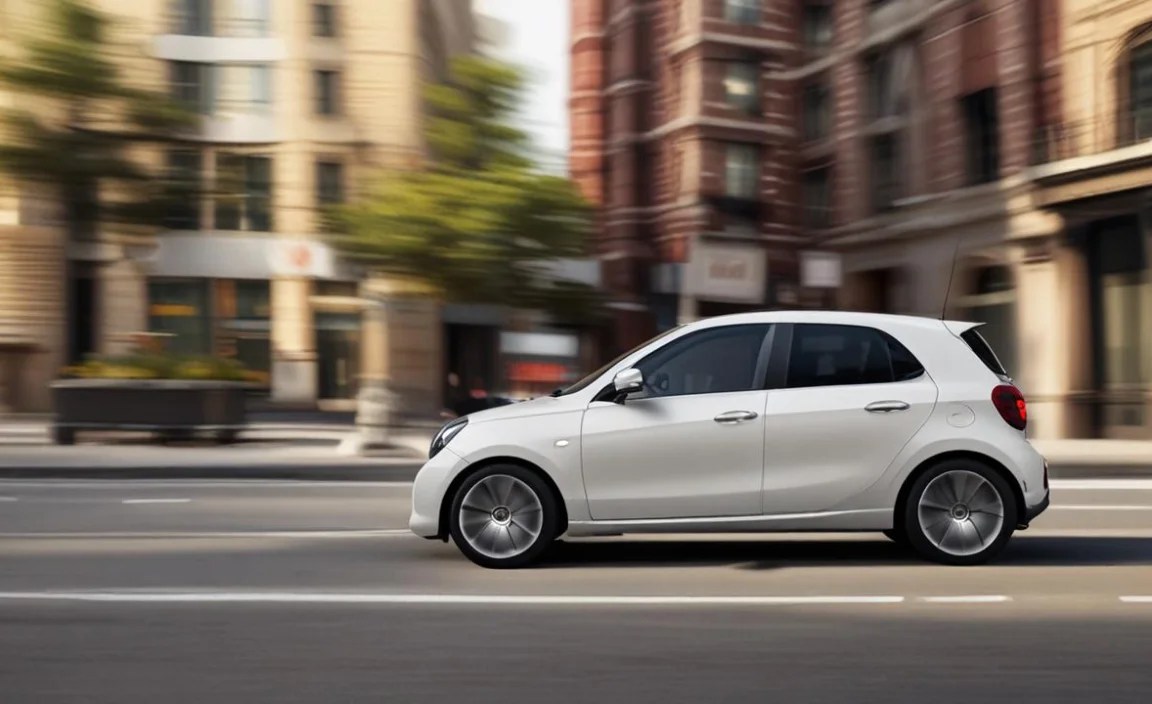
By handling some of the repetitive tasks of driving, like maintaining distance in cruise control or gently keeping the car centered in its lane, these systems contribute to a smoother, more comfortable, and less stressful driving experience. This aligns perfectly with the luxury ethos of a Mercedes-Benz.
Adaptability to Various Driving Conditions

These systems are designed to work in a wide array of conditions, from busy city streets to open highways. They adapt to traffic flow, road conditions, and even weather, providing relevant assistance when and where it’s needed.
Understanding and Customizing Your Alerts
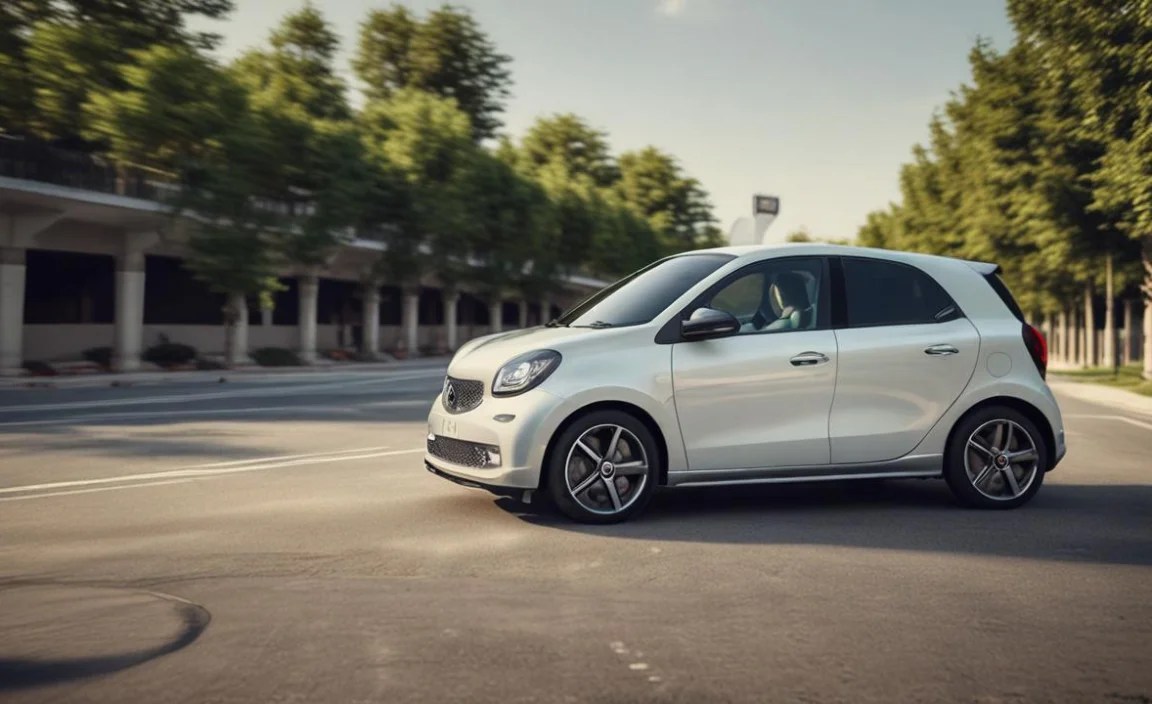
Modern Mercedes-Benz vehicles offer a degree of customization for these driver alerts, allowing owners to tailor the system’s behavior to their preferences. This ensures that the technology enhances, rather than detracts from, the driving experience.
Accessing System Settings

Most driver alert settings can be accessed through the vehicle’s infotainment system, usually via the “Settings” or “Driver Assistance” menu. Consult your owner’s manual for the exact location and options specific to your model. For example, you might find options to:
- Adjust the sensitivity of Blind Spot Assist.
- Modify the distance settings for DISTRONIC PLUS.
- Choose the type of warning for Lane Keeping Assist (e.g., vibration, sound, or visual).
- Turn certain alerts on or off entirely.
Interpreting Warning Lights and Sounds

Familiarizing yourself with the various warning lights and sounds is crucial. Mercedes-Benz uses a consistent visual language, but it’s wise to consult your manual for a definitive guide. Generally:
- Yellow/Amber Warnings: Often indicate a system is active or has a non-critical alert (e.g., a car detected in a blind spot).
- Red Warnings: Typically signify a more urgent situation or a system malfunction, requiring immediate attention.
- Audible Alerts: The pitch, tone, and duration of a sound usually correlate with the urgency of the warning.
It’s important to note that while these systems are incredibly advanced, they are aids. They are not a substitute for attentive driving. Always keep your eyes on the road, your hands on the wheel, and your mind engaged.
Limitations and Responsible Use of Driver Alerts

While incredibly beneficial, it’s essential to understand the limitations of smart car driver alerts and use them responsibly.
Environmental Factors
Sensor performance can be affected by extreme weather conditions such as heavy snow, fog, or ice. Road markings that are faded, covered, or unconventional can also sometimes confuse camera-based systems like Lane Keeping Assist.
System Dependencies
Many driver assistance systems are interdependent. For example, DISTRONIC PLUS relies on the radar sensors, and Lane Keeping Assist relies on cameras and clear lane markings. If one component is compromised (e.g., a sensor obstructed by mud), the related systems may be temporarily unavailable or function less effectively.
Driver Inattentiveness is Still a Risk
The greatest limitation is the temptation for drivers to become over-reliant on these systems and reduce their own vigilance. These advanced features are designed to assist, not to make a bad driver good. Distraction, fatigue, or impairment can still lead to accidents, regardless of the technology present.
Understanding System Intervention
While systems can brake or steer, they operate within specific parameters. They are not designed to handle every conceivable emergency scenario. The driver must always be prepared to take full control and react appropriately.
Smart Car Driver Alerts vs. Traditional Safety Features
It’s helpful to distinguish smart driver alerts from traditional safety features to appreciate their proactive nature.
| Feature Type | Primary Function | Example |
|---|---|---|
| Traditional Safety Features | Passive protection during/after an accident | Airbags, Seatbelts, Crumple Zones |
| Smart Car Driver Alerts | Active prevention of accidents | Blind Spot Assist, Collision Prevention Assist PLUS |
Traditional safety features work to protect you if an accident occurs. Smart driver alerts work to prevent the accident from happening in the first place. This proactive approach is a hallmark of luxury automotive innovation.
Maintaining Your Smart Driver Alert Systems
To ensure optimal performance of these sophisticated systems, a few maintenance considerations are important:
- Keep Sensor Areas Clean: Regularly clean the vehicle’s exterior, paying special attention to the areas where sensors and cameras are located (e.g., front grille, front and rear bumpers, windshield, side mirrors). Mud, snow, ice, or even heavy dirt can obstruct their view.
- Windshield Care: Any damage to the windshield, such as cracks or chips, especially in the area where the camera is mounted, can compromise the functionality of systems like Lane Keeping Assist. It’s advisable to get such damage repaired promptly by professionals.
- Regular Service: Ensure your vehicle receives regular maintenance as per Mercedes-Benz’s recommendations. Technicians will perform diagnostics on these electronic systems to ensure they are functioning correctly.
- Software Updates: Like any advanced technology, driver assistance systems benefit from software updates. These are typically performed during routine service appointments and can improve functionality and introduce new features.
For robust windshield repair and replacement services, consider reputable providers like those recommended by automotive industry associations or your insurance provider.
Frequently Asked Questions (FAQs)
Q1: Are smart car driver alerts mandatory for all Mercedes-Benz vehicles?
Not all driver alert features are standard on every model or trim level. However, Mercedes-Benz consistently equips its vehicles with a strong foundation of safety technologies, and many advanced alerts are available as standard or optional packages, particularly on higher trims and newer models.
Q2: Can I turn off the driver alert systems?
Yes, most driver alert systems can be adjusted or deactivated through the vehicle’s infotainment system settings. However, disabling these safety features is generally not recommended. You can often tailor their sensitivity or warning methods to your preference.
Q3: Do these alerts work in bad weather?
Many systems, particularly radar-based ones like DISTRONIC PLUS, perform well in various weather conditions. However, camera-based systems can be affected by heavy fog, snow, or rain, and their reliability may decrease. Always confirm system status on your dashboard.
Q4: How accurate are these alerts?
Mercedes-Benz systems are engineered to be highly accurate under normal driving conditions. However, they rely on sensor data and algorithms, which can occasionally be fooled by unusual road conditions, complex traffic scenarios, or sensor obstructions. They are aids, not infallible guardians.
Q5: What’s the difference between a warning light and an intervention?
A warning light (be it visual, audible, or haptic) alerts you of a potential hazard, giving you time to react. Intervention is when the system actively takes action, such as applying brakes (e.g., CPA PLUS) or making slight steering adjustments (e.g., some LKA systems), to mitigate a dangerous situation.
Q6: Do these alerts require a subscription?
The core functionality of the driver alert systems integrated at the time of purchase is typically not subscription-based. However, some connected services or advanced features that leverage these systems might have associated subscription fees, depending on the specific Mercedes-Benz model and services offered.
Conclusion
Smart car driver alerts represent a significant leap forward in automotive safety and luxury. They are not mere gadgets but sophisticated technologies meticulously engineered by Mercedes-Benz to provide drivers with enhanced awareness, reduce fatigue, and actively prevent accidents. From alerting you to a vehicle in your blind spot to assisting with emergency braking and maintaining your lane, these intelligent systems work silently in the background, making every drive more secure and enjoyable.
<p


