
Mercedes Actros Fuel-Saving Tips: Effortless Power
Quick Summary: Embrace effortless power and cost savings with your Mercedes Actros! Simple driving techniques, smart maintenance, and understanding your truck’s features can significantly boost fuel efficiency, reducing your operational costs and environmental impact without sacrificing performance.
Driving a Mercedes Actros is about experiencing engineered excellence, where power meets efficiency. For many drivers and fleet operators, maximizing fuel economy is a constant focus. Unexpectedly, achieving better fuel efficiency isn’t about driving a sluggish truck; it’s about driving smarter. The Actros, with its advanced technology, is already designed to be efficient, but a few key adjustments can unlock even greater savings. This guide will walk you through simple, effective strategies to help your Actros go further on less fuel. Let’s discover how to wield that effortless power more economically.
Why Fuel Efficiency Matters for Your Mercedes Actros

Fuel costs are a significant operating expense for any commercial vehicle owner or fleet manager. For a vehicle like the Mercedes Actros, renowned for its robust performance and long-haul capabilities, even small improvements in fuel consumption can translate into substantial savings over time. Beyond the financial benefits, reducing fuel usage also means a lower carbon footprint, contributing to environmental sustainability. Modern trucks like the Actros are packed with technology to aid efficiency, but driver behavior and regular maintenance play crucial roles. Understanding how your Actros works and adopting the right habits are key to unlocking its most economical performance.
Mastering the Art of Fuel-Saving Driving

The way you drive has a profound impact on your Actros’s fuel consumption. Fortunately, many fuel-saving driving techniques are intuitive and can be adopted with practice. These aren’t about driving slowly, but about driving smoothly and anticipating the road ahead.
1. Smooth Acceleration and Deceleration

Aggressive acceleration wastes fuel. Gradually increasing speed allows the engine to reach its most efficient operating range without unnecessary strain. Similarly, anticipating your stops and decelerating early, rather than slamming on the brakes, conserves momentum and reduces wear on your braking system. The Actros’s advanced transmission systems are designed to work best with smooth inputs.
2. Maintaining Optimal Speed

Every vehicle has an “optimal speed” where it’s most fuel-efficient. For most trucks, this is typically at a steady, lower-to-moderate highway speed. Driving at excessively high speeds dramatically increases aerodynamic drag, forcing the engine to work harder and consume more fuel. Consult your Actros’s manual for specific recommendations for your model, but generally, keeping the speed within a reasonable limit is key. The Federal Highway Administration (FHWA) highlights speed management as a critical factor in fuel economy.
3. Anticipating the Road Ahead

This is perhaps the most critical driving technique. Look far down the road to anticipate traffic lights, slow-moving vehicles, hills, and turns. This foresight allows you to adjust your speed proactively, minimizing the need for harsh braking or rapid acceleration. For instance, if you see a red light ahead, ease off the accelerator early and let the truck’s momentum carry you towards it, rather than accelerating hard and then braking at the last moment. This smooths out your driving rhythm and saves precious fuel.
4. Utilizing Cruise Control Effectively

For long stretches of highway driving, cruise control can be a valuable tool for maintaining a consistent speed. However, it’s important to use it wisely. On flat terrain, it’s excellent for maintaining optimal efficiency. On hilly terrain, however, it might cause the truck to accelerate aggressively uphill and then not decelerate enough downhill, which can sometimes be less efficient than manual control. Learn to adapt your cruise control usage or switch to manual control when necessary to optimize for the road conditions.
5. Minimizing Idling Time
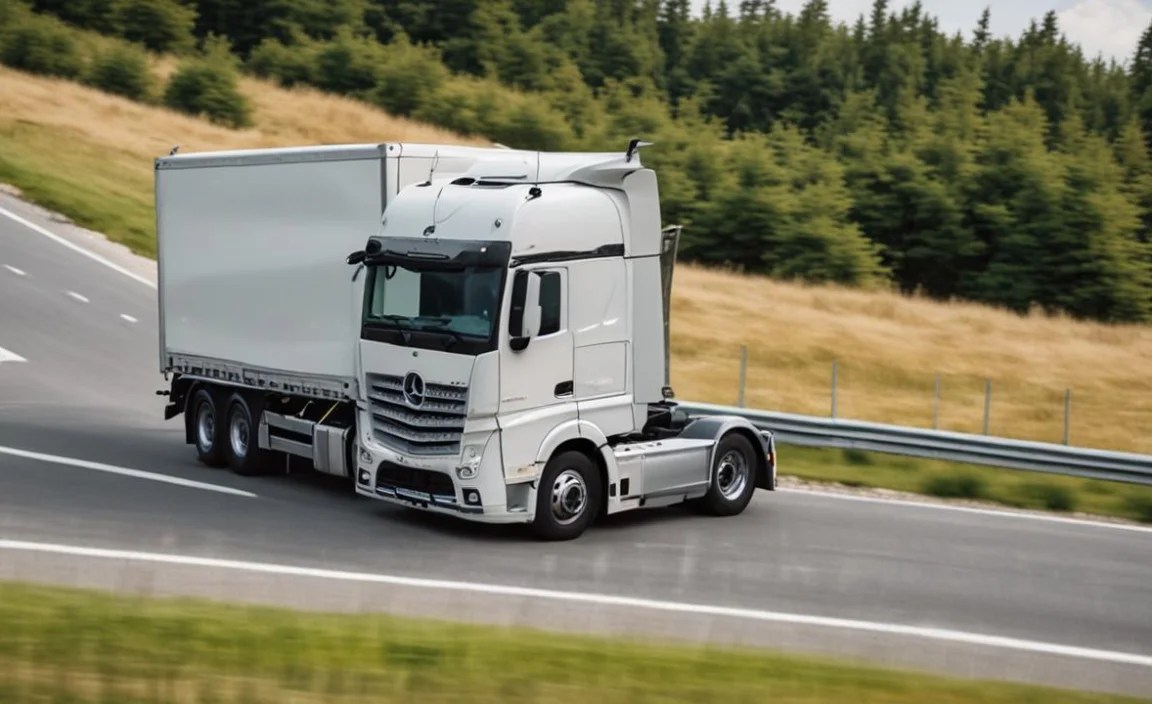
An idling engine consumes fuel without covering any distance. While some idling may be necessary for auxiliary equipment or temperature regulation, excessive idling is a significant fuel waste. Modern Actros trucks often have features like automatic engine shutdown timers to help prevent prolonged idling. If these aren’t applicable or active, make a conscious effort to shut off the engine during extended stops.
Leveraging Mercedes Actros Technology for Efficiency

Mercedes-Benz has integrated cutting-edge technology into the Actros to enhance both performance and fuel efficiency. Understanding and utilizing these features can make a significant difference.
1. Predictive Powertrain Control (PPC)
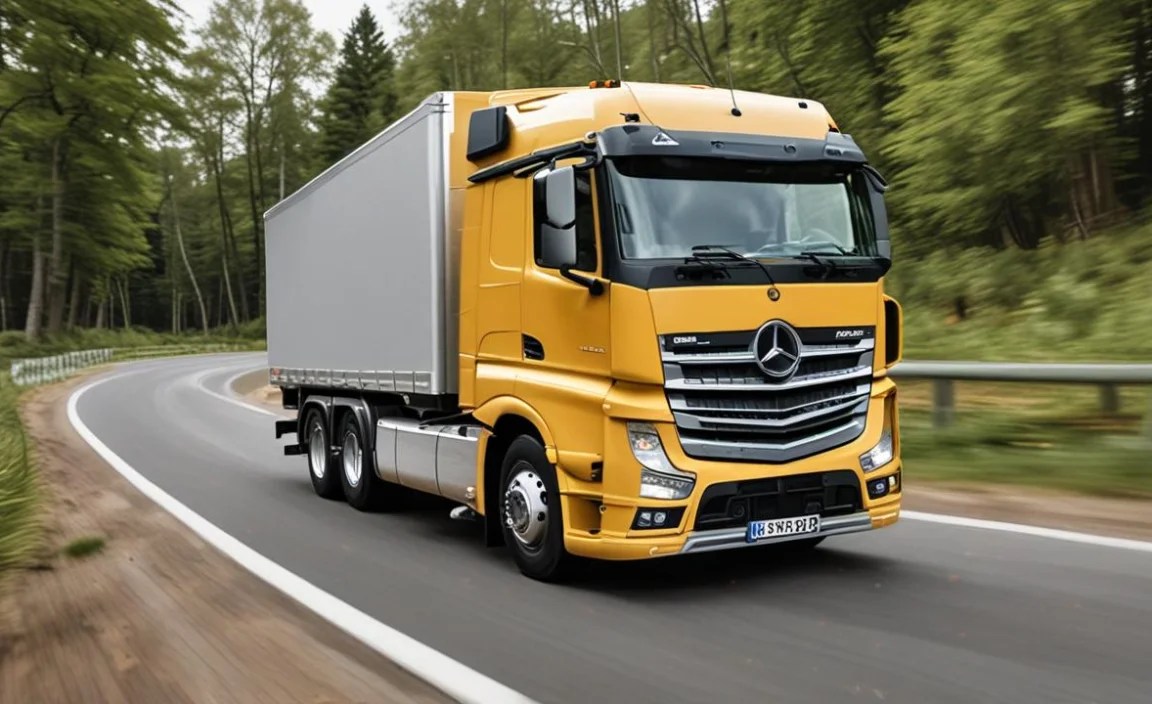
The Predictive Powertrain Control (PPC) system is a game-changer for fuel efficiency. It uses GPS data, 3D map data, and driving-assist systems to scan the road ahead for inclines and declines. Based on this information, it intelligently controls the engine, transmission, and brakes to find the most fuel-efficient driving style. For example, it can proactively adjust speed before an incline to build momentum, then allow the truck to roll downhill, saving fuel. Properly utilizing PPC can lead to substantial fuel savings, especially on varied terrain.
2. Eco Support and FleetBoard

Your Actros likely comes equipped with systems like Eco Support, which provides real-time feedback on your driving style and offers suggestions for improvement. This can include advising when to lift off the accelerator, suggesting optimal gear shifts, and indicating when you’re driving too aggressively. The FleetBoard telematics system offers even deeper insights. It collects data on your driving behavior, vehicle performance, and fuel consumption, providing comprehensive reports and analysis. This data is invaluable for identifying areas where drivers can improve their efficiency. Learning to interpret and act on the feedback from these systems is essential.
3. Aerodynamic Design

The Actros’s exterior design is meticulously crafted for optimal aerodynamics. Elements like the smooth lines, optimized mirror housings, and underbody paneling reduce air resistance. Ensuring these features are maintained – free from excessive dirt or damage – helps the truck slice through the air more effectively, contributing to better fuel economy. For example, properly sealed gaps and well-maintained fairings are crucial.
4. Low Rolling Resistance Tires

The choice of tires can directly impact fuel consumption. Tires designed for low rolling resistance require less energy to roll, directly translating to better MPG. Ensure your Actros is fitted with appropriate tires and that they are consistently inflated to the correct pressure. Underinflated tires increase rolling resistance significantly.
The Crucial Role of Vehicle Maintenance

A well-maintained truck is an efficient truck. Regular servicing and attention to detail can prevent minor issues from becoming major fuel-wasters.
1. Regular Servicing and Inspections

Adhere to Mercedes-Benz’s recommended service schedule for your Actros. Routine checks on the engine, transmission, and other critical components ensure they are operating at peak efficiency. This includes tasks like oil changes, filter replacements, and system diagnostics. A reputable Mercedes-Benz service center can identify potential issues before they impact fuel economy.
2. Tire Pressure Maintenance

Underinflated tires are a silent killer of fuel efficiency. They increase the effort required to move the vehicle. Regularly check your tire pressures using a reliable gauge and inflate them to the manufacturer’s recommended levels. You can usually find this information on a sticker in the driver’s door frame or in the owner’s manual. Proper tire pressure also enhances safety and tire longevity.
3. Air Filter and Fuel Filter Replacement

A dirty air filter restricts airflow to the engine, making it work harder and consume more fuel. Similarly, clogged fuel filters can impede fuel flow. Replacing these filters at recommended intervals is a simple yet highly effective way to maintain engine performance and fuel efficiency. Refer to your Actros’s service manual for the correct replacement intervals.
4. Engine Oil Quality
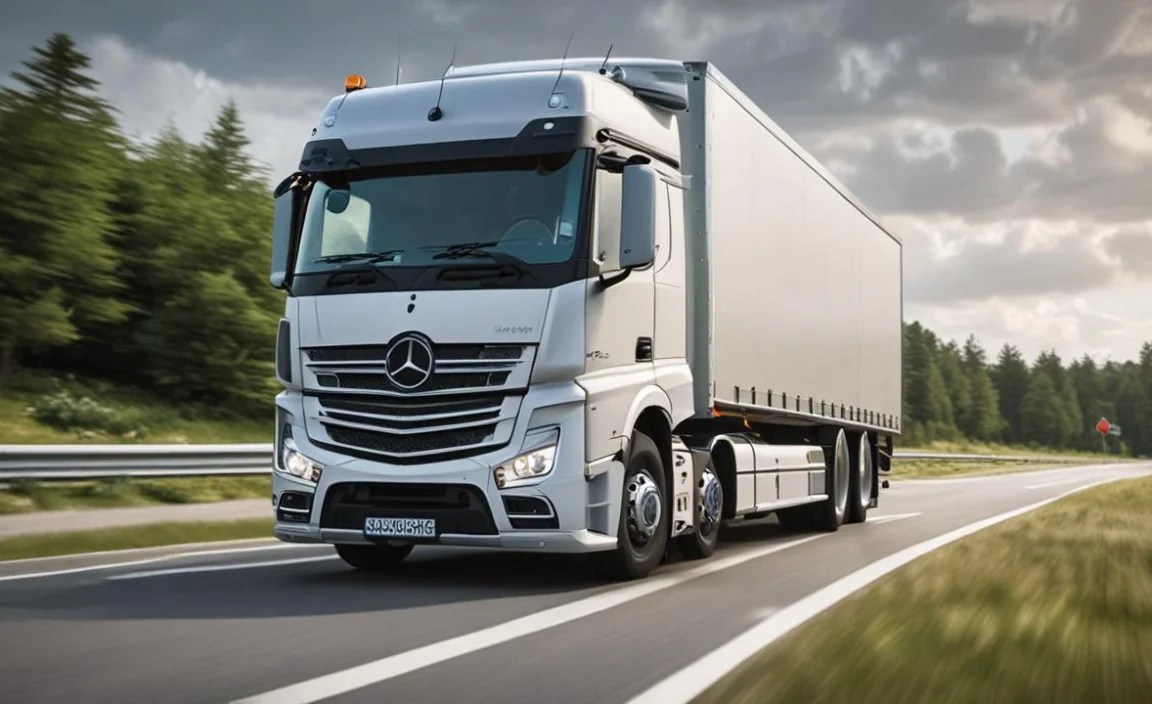
Using the correct, high-quality engine oil approved by Mercedes-Benz is vital. The right oil reduces friction between engine parts, allowing the engine to run more smoothly and efficiently. Dirty or incorrect oil can increase internal friction, leading to higher fuel consumption and increased engine wear.
5. Wheel Alignment
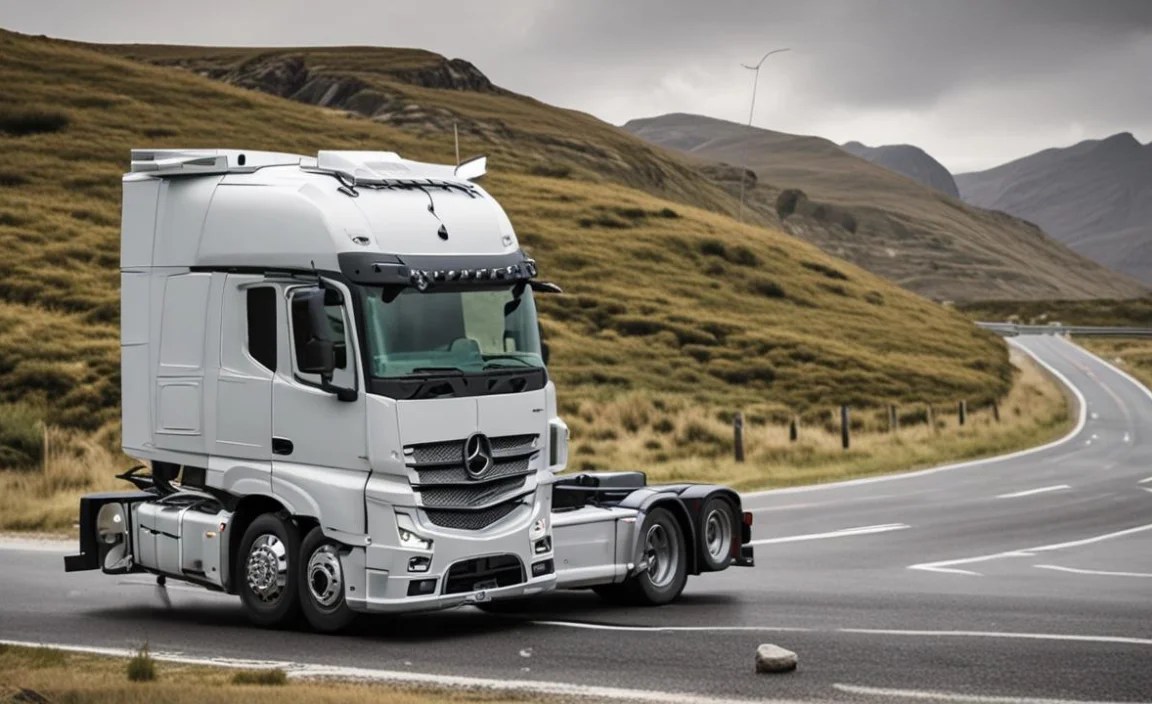
Misaligned wheels create drag, forcing the tires to scrub against the road surface. This not only wastes fuel but also causes premature tire wear. If you notice uneven tire wear or the truck pulling to one side, have the wheel alignment checked and adjusted promptly.
Beyond the Basics: Advanced Fuel-Saving Strategies

Once you’ve mastered the fundamentals, consider these additional strategies to push your fuel efficiency even further.
1. Load Optimization

The weight of your cargo directly impacts fuel consumption. While you can’t always control the weight of your loads, being aware of it is important. Overloading your Actros will significantly increase fuel usage. Ensure your loads are distributed evenly and comply with weight limits. Sometimes, optimizing the loading pattern can reduce the overall weight needed to achieve the same delivery goals.
2. Route Planning
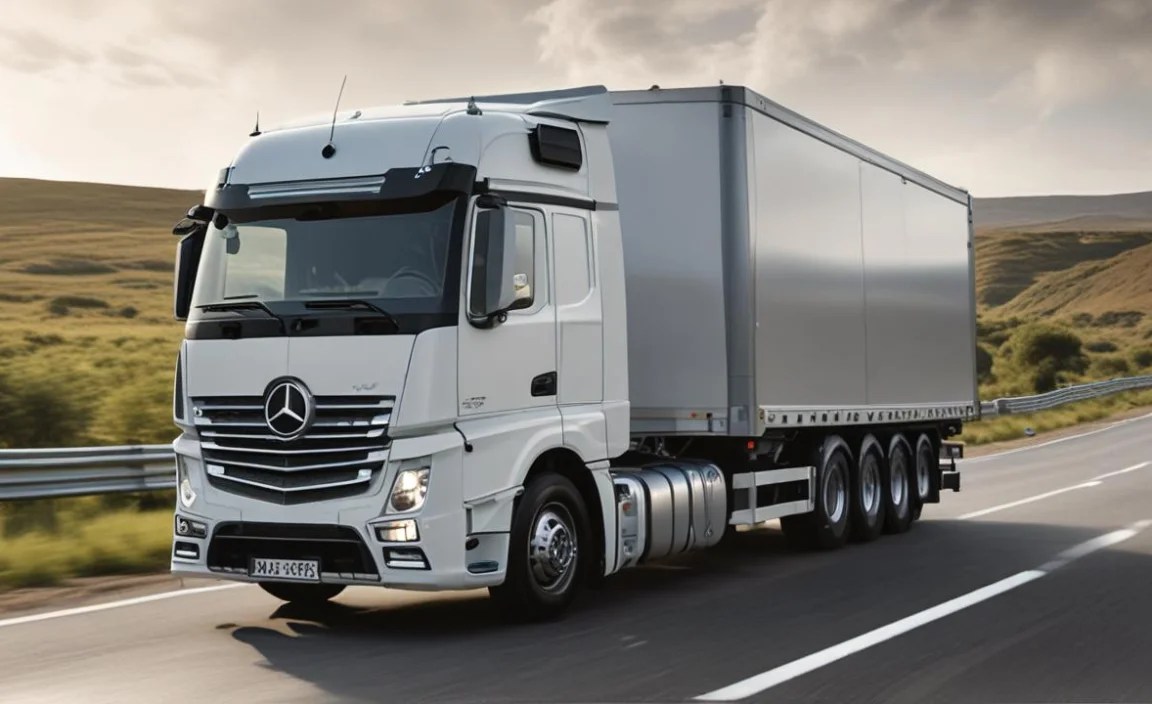
Smart route planning can save both time and fuel. Avoiding congested areas, hilly routes where possible, or routes with frequent stops can lead to more efficient journeys. Utilize navigation software that can factor in real-time traffic and suggest the most economical routes. Consider using route optimization software that takes into account factors like road gradients and speed limits.
3. Aerodynamic Add-ons

For some Actros configurations, especially those used for long-haul operations, additional aerodynamic aids can provide further benefits. This might include things like roof fairings (if not already fitted), side skirts, or chassis fairings to smooth airflow along the sides of the trailer and chassis. Always ensure any add-ons are approved by Mercedes-Benz or are rigorously tested for their intended purpose to avoid compatibility issues or unintended negative effects. For insights into truck aerodynamics, the Argonne National Laboratory has valuable research.
4. Driver Training and Feedback Programs
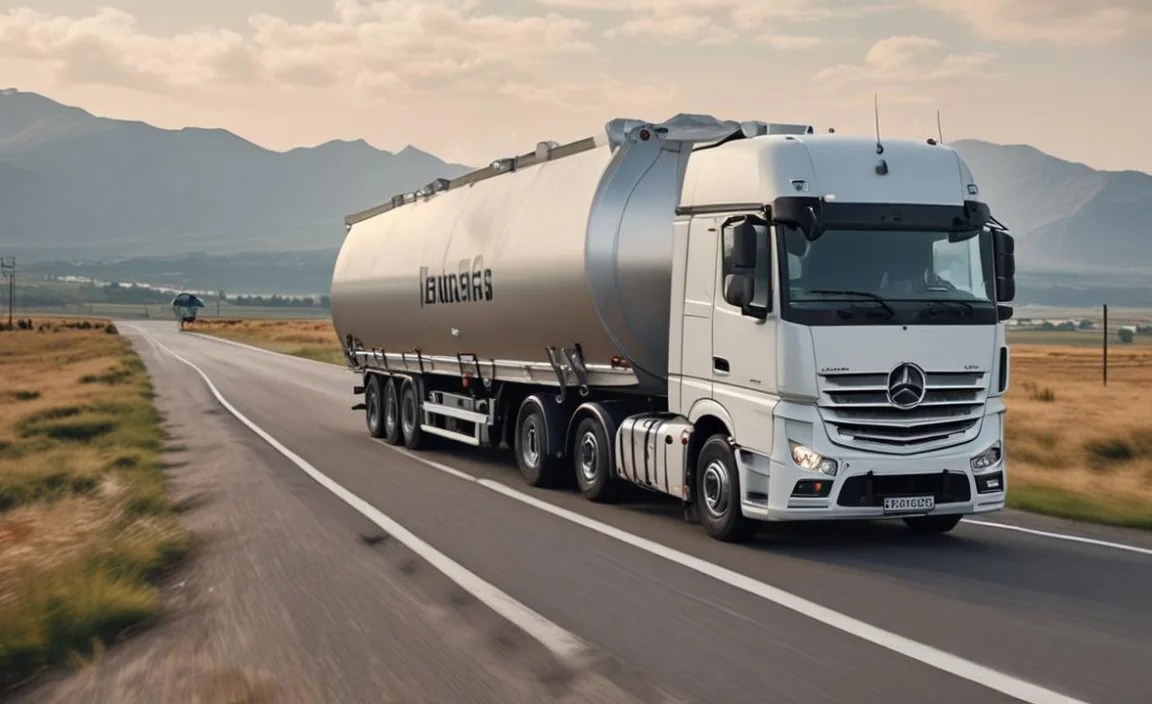
For fleet operators, implementing targeted driver training programs focused on fuel-efficient driving techniques can yield significant returns. Utilizing telematics data from FleetBoard to provide personalized feedback to drivers helps them understand their impact and improve. Positive reinforcement and rewarding efficient driving can also be highly effective motivational tools.
Key Factors Affecting Fuel Economy: A Quick Reference

Understanding which factors have the most impact can help you prioritize your efforts. Here’s a breakdown of the primary influences on your Mercedes Actros’s fuel economy:
| Factor | Impact on Fuel Economy | Notes |
|---|---|---|
| Driving Style (Acceleration, Braking, Speed) | High | Smoothness and anticipation are crucial. |
| Aerodynamics | High | Minimized drag is key, especially at speed. |
| Vehicle Maintenance (Tire Pressure, Filters) | Medium to High | Regular checks prevent efficiency loss. |
| Vehicle Speed | High | Higher speeds drastically increase fuel consumption. |
| Vehicle Weight (Cargo & Payload) | Medium | Every extra kilogram requires more fuel. |
| Route Conditions (Terrain, Traffic) | Medium | Hills and congestion increase fuel use. |
| Engine Technology & Features (PPC) | Medium to High | Utilizing smart systems significantly aids efficiency. |
Frequently Asked Questions (FAQs)
Q1: How much fuel can I realistically save by applying these tips?

A1: The amount of fuel you can save varies greatly depending on your current driving habits, the specific Actros model, the routes you take, and how consistently you apply these tips. However, studies and real-world fleet data suggest that optimizing driving style, utilizing features like PPC, and maintaining the vehicle properly can lead to fuel savings ranging from 5% to even 15% or more.
Q2: Is it always better to drive slower to save fuel?

A2: Not necessarily. While excessive speed is a major fuel guzzler, there’s an optimal speed range for maximum efficiency for most trucks. Driving too slowly can sometimes lead to inefficient gear selection and increased journey times without significant fuel gains. The key is maintaining a steady, appropriate speed for the road conditions and avoiding rapid acceleration and heavy braking.
Q3: How often should I check my tire pressure?

A3: Tire pressure should be checked at least once a week, and before any long journey. Temperature fluctuations can affect tire pressure, so it’s good practice to check them when the tires are cold for the most accurate reading. Consistent monitoring is vital for both fuel economy and safety.
Q4: What is Predictive Powertrain Control (PPC) and how does it work?

A4: Predictive Powertrain Control (PPC) is an intelligent cruise control system that uses GPS and map data to analyze the road topography up to 3 kilometers ahead. It automatically adjusts the vehicle’s speed, gear selection, and transmission to optimize fuel consumption by anticipating inclines and declines, allowing the truck to coast efficiently downhill and build momentum uphill where appropriate.
Q5: Are aerodynamic add-ons really worth the investment?

A5: For long-haul operations, aerodynamic add-ons like roof and side fairings can offer significant fuel savings by reducing air resistance. The return on investment depends on the type of operation, mileage driven, and the specific add-ons. It’s advisable to research and consult with experts or reputable suppliers to determine the most effective and cost-efficient options for your specific Actros configuration.
Q6: How doesFleetBoard help with fuel efficiency?

A6: FleetBoard is a comprehensive telematics system that collects data on your driving behavior, vehicle performance, and fuel consumption. It provides detailed reports and analyses, allowing you to identify inefficient driving patterns, track fuel usage over time, and benchmark performance. This data is invaluable for targeted driver training and continuous improvement in fuel efficiency.
Q7: Can using air conditioning affect my fuel economy?
A7: Yes, using the air conditioning system does consume extra fuel, as it puts an additional load on the engine. Minimizing its use when not strictly necessary, or using it in conjunction with fresh air ventilation to maintain a comfortable temperature, can help reduce this impact. In very hot conditions, it’s often more fuel-efficient to use the AC than to open windows at higher speeds due to increased aerodynamic drag.
Conclusion: Driving Towards a More Efficient Future
The Mercedes Actros is a marvel of engineering, designed for power, reliability, and, increasingly, efficiency. By implementing the fuel-saving tips discussed – from adopting smoother driving techniques and leveraging advanced onboard technology like PPC, to diligently maintaining your vehicle and optimizing your routes – you can significantly enhance your truck’s fuel economy. These strategies aren’t about compromising on performance; they are about harnessing the Actros’s effortless power in the most intelligent and economical way possible. Embracing these practices not only benefits your bottom line but also contributes to a more sustainable future.
Remember, consistent application and a mindful approach to driving are key. Your Mercedes Actros is ready to deliver, and by driving it efficiently, you ensure it does so for years to come, with less impact on your wallet and the environment.


