
Mercedes Sprinter Van Insurance Options: Perfect Coverage
Find the perfect Mercedes Sprinter van insurance by understanding coverage types, factors affecting cost, and how to get the best value. This guide breaks down your options to protect your investment and business.
If you’re the proud owner of a Mercedes-Benz Sprinter van, you know it’s more than just a vehicle – it’s a reliable workhorse, a mobile office, or the genesis of your next adventure. However, like any significant investment, protecting it with the right insurance is paramount. Navigating the world of commercial van insurance can feel complex, but it doesn’t have to be. This guide is designed to demystify Mercedes Sprinter van insurance options, helping you find the perfect coverage with confidence. We’ll walk you through everything you need to know, from essential coverage types to finding affordable policies.
Frequently Asked Questions About Mercedes Sprinter Van Insurance
Is Mercedes Sprinter van insurance expensive?
The cost of insuring a Mercedes Sprinter van can vary significantly. Factors like your Sprinter’s age, condition, usage (commercial vs. personal), location, driving record, and the amount of coverage you choose all play a role. While Sprinters can be more expensive to insure than standard cars due to their size, utility, and value, exploring different providers and coverage options can help you find competitive rates.
What is the difference between commercial and personal auto insurance for a Sprinter van?
Commercial auto insurance is designed for vehicles used for business purposes, such as delivering goods, transporting equipment, or carrying passengers for hire. It typically offers higher liability limits and broader coverage tailored to business risks. Personal auto insurance covers vehicles used primarily for non-business activities, like personal travel or recreation. If you use your Sprinter for any work-related activity, even occasionally, commercial insurance is usually required.
What factors influence the premium for Sprinter van insurance?
Several factors impact your premium. These include the Sprinter model and features (e.g., cargo capacity, engine type), the value of the van, how you use it (e.g., local deliveries vs. long-haul, passenger transport vs. cargo), your driving history, the location where the van is primarily garaged and operated, the chosen coverage levels and deductibles, and the insurance provider’s risk assessment.
Do I need specific insurance if I’ve converted my Sprinter into a camper or RV?
Yes, if you’ve converted your Sprinter into a campervan or RV, you’ll typically need specialized RV or motorhome insurance. This type of policy is designed to cover the unique aspects of a recreational vehicle, including its living quarters, appliances, and the risks associated with travel and vacation use. Standard commercial or personal auto policies may not adequately cover a converted Sprinter.
How can I lower my Mercedes Sprinter van insurance costs?
You can potentially lower your premiums by increasing your deductibles, choosing a van with fewer optional features, maintaining a clean driving record, taking defensive driving courses, bundling your policies (e.g., auto with home or business insurance), and shopping around for quotes from multiple insurers. Some insurers may also offer discounts for fleet vehicles or installment plans.
What is “gap insurance” and do I need it for my Sprinter?
Gap insurance covers the difference between the actual cash value of your van and the amount you still owe on your loan or lease if your Sprinter is totaled or stolen. It’s particularly important for newer vans or those with significant loans, as the vehicle’s value depreciates faster than the loan balance. If you have a loan or lease, gap insurance can be a valuable addition.
Understanding Your Mercedes Sprinter Van Insurance Options

Owning a Mercedes-Benz Sprinter van presents unique insurance needs, especially when the van is used for commercial purposes. Unlike a typical passenger car, a Sprinter is a substantial asset often integral to a business’s operation or a significant personal project. Finding the right insurance isn’t just about meeting legal requirements; it’s about safeguarding your livelihood and investment. Let’s break down the essential coverage options available for your Sprinter.
1. Liability Coverage: Protecting Others
This is the cornerstone of most auto insurance policies and is legally required in almost every state. Liability coverage helps pay for damages you cause to others in an accident where you are at fault. It splits into two main components:
- Bodily Injury Liability: Covers medical expenses, lost wages, and legal fees for individuals injured in an accident you caused.
- Property Damage Liability: Covers the cost of repairing or replacing property damaged in an accident you caused, such as another vehicle or fence.
For a Sprinter van, especially one used for commercial purposes, adequate liability limits are crucial. Accidents involving larger vehicles can result in more significant damages, so opting for higher limits than the state minimum is highly recommended to fully protect yourself and your business from potentially devastating lawsuits.
2. Collision and Comprehensive Coverage: Protecting Your Sprinter
These coverages protect your Mercedes Sprinter van itself against damage:
- Collision Coverage: Pays for damage to your Sprinter if it collides with another vehicle or object (like a pole or guardrail), regardless of who is at fault. This is vital for maintaining the value and drivability of your expensive Sprinter.
- Comprehensive Coverage: Covers damages to your Sprinter that are not caused by a collision, such as theft, vandalism, fire, natural disasters (hail, flood), and even hitting an animal.
These coverages are typically required by lenders if you have financed your Sprinter. For valuable vehicles like a Mercedes Sprinter, especially those used extensively, investing in both collision and comprehensive coverage provides peace of mind. You can choose deductibles for both, which is the amount you pay out-of-pocket before insurance kicks in. Higher deductibles usually mean lower premiums, but ensure you can afford the deductible amount if you need to file a claim.
3. Uninsured/Underinsured Motorist (UM/UIM) Coverage
This coverage protects you if you’re involved in an accident with a driver who doesn’t have insurance (uninsured) or doesn’t have enough insurance to cover the damages (underinsured). UM/UIM coverage can apply to:
- Bodily Injury: Covers your medical expenses and lost wages.
- Property Damage: Covers repairs to your Sprinter.
Given the size and value of a Sprinter, being involved in an accident with an uninsured or underinsured driver can lead to substantial repair costs or medical bills. This coverage is a smart addition to ensure you’re not left footing the bill for someone else’s lack of insurance.
4. Medical Payments (MedPay) & Personal Injury Protection (PIP)
These coverages help pay for medical expenses for you and your passengers, regardless of who is at fault for an accident. PIP is generally more comprehensive and is available in “no-fault” states, meaning it covers your medical costs regardless of fault. MedPay is a smaller amount of coverage usually available in all states. While liability covers injuries to others, these coverages focus on you and your passengers.
5. Specialized Sprinter Coverage Options
Depending on how you use your Sprinter, you might consider additional specialized coverages:
- Auto Substitution/Rental Reimbursement: If your Sprinter is in the shop for covered repairs, this coverage helps pay for a rental vehicle so you don’t lose business or personal time.
- Towing and Labor Coverage: Covers the cost of towing your Sprinter to a repair shop if it breaks down.
- Roadside Assistance: Similar to towing, this can cover services like battery jumps, tire changes, or fuel delivery.
- Custom Equipment Coverage: If you’ve added significant aftermarket equipment to your Sprinter (e.g., specialized shelving, advanced electronics, conversion outfits), you may need specific coverage for these custom parts beyond the standard vehicle value.
- Mexico Coverage: If you plan to drive your Sprinter into Mexico, standard US policies typically don’t cover you. You’ll need to purchase a separate Mexico insurance policy.
Commercial Sprinter Insurance: A Necessity for Businesses

If your Mercedes Sprinter is used for any business purpose – from delivery services, catering, mobile workshops, courier services, trades like plumbing or electrical work, to transporting equipment or tools – you will very likely need commercial auto insurance. Personal auto policies explicitly exclude business use, and attempting to use one can lead to denied claims and a lapse in coverage.
Commercial Sprinter insurance is tailored to the higher risks associated with business operations. Insurers consider factors such as the type of business, the nature of the goods transported, whether you carry passengers for hire, and the mileage driven.
Key Commercial Coverage Components
While liability, collision, and comprehensive are standard, commercial policies often include specific endorsements:
- Hired and Non-Owned Auto Liability: This protects your business if you rent or borrow vehicles for business use, or if an employee uses their personal vehicle for business tasks and causes an accident.
- Cargo Coverage: If your Sprinter transports goods, cargo insurance protects your merchandise or products against loss or damage while in transit. The amount of coverage needed depends on the value of the goods you typically carry. Reputable logistics resources like the Federal Motor Carrier Safety Administration (FMCSA) offer guidance on regulations for transporting goods, highlighting the importance of cargo protection.
- Business Interruption Insurance: While not directly vehicle insurance, this can be crucial for businesses heavily reliant on their Sprinter. If your van is out of commission due to a covered event, this coverage can help replace lost income.
Factors Affecting Commercial Sprinter Insurance Costs
Commercial policies are priced based on a deeper risk assessment:
- Type of Business: A high-risk business (e.g., moving services) will typically pay more than a lower-risk one (e.g., office supply delivery).
- Vehicle Usage: Long-haul commercial use generally incurs higher premiums than local delivery.
- Driver MVRs: Motor Vehicle Records (MVRs) for all drivers operating the Sprinter are heavily scrutinized.
- Coverage Limits: Higher liability limits and cargo amounts increase premiums.
- Geographic Area: Operating in areas with higher accident rates or theft percentages can increase costs.
Personal & Conversion Sprinter Insurance
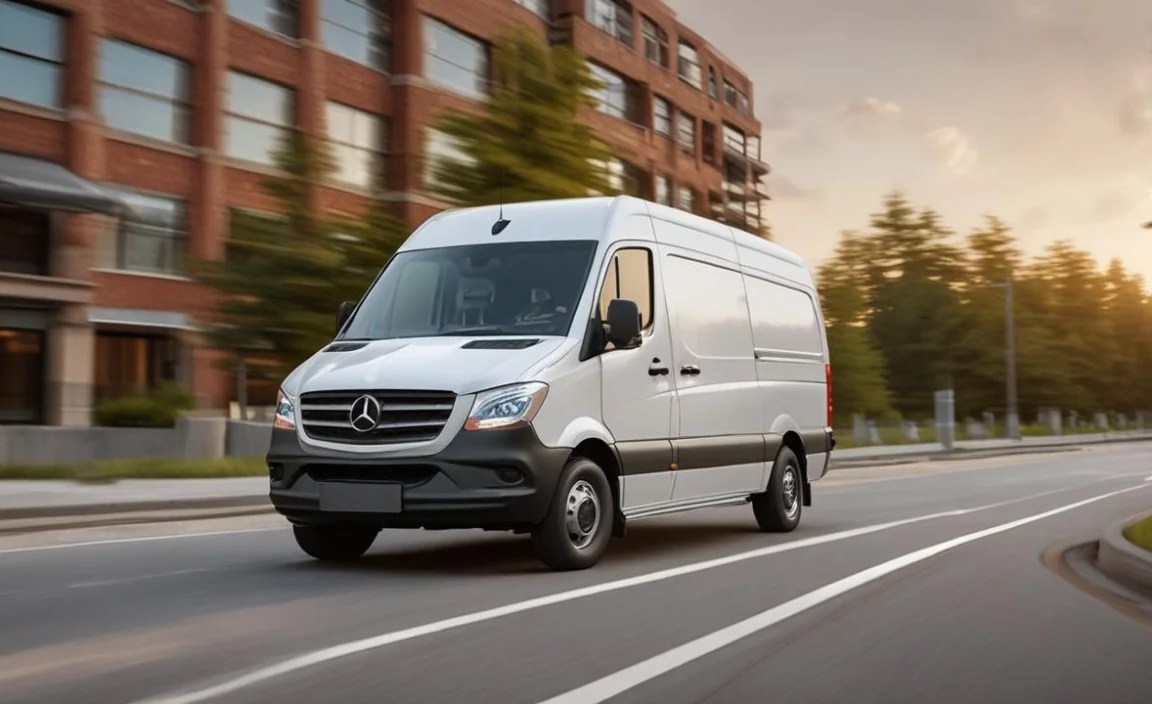
If your Sprinter is used for personal enjoyment, such as a campervan conversion, a mobile workshop for a hobby, or a weekend adventure vehicle, you’ll need insurance tailored to that use. While not business-focused, a converted Sprinter has unique insurance needs.
Campervan Conversion Considerations
When your Sprinter is converted into a campervan or RV, it transitions from a cargo van to a mobile dwelling. Standard commercial or cargo van insurance will not adequately cover the living amenities, custom fixtures, and personal belongings inside. You’ll typically need:
- RV or Motorhome Insurance: Most insurers will require you to classify your converted Sprinter as an RV or motorhome. This policy can cover the vehicle itself, the custom living quarters (appliances, fixtures, furniture), and your personal belongings.
- Agreed Value vs. Actual Cash Value: For custom builds, consider an “agreed value” policy where you and the insurer agree on the value of your converted Sprinter upfront. This is often better than “actual cash value” (ACV), which depreciates the value of the conversion over time.
- Specialty Conversion Insurers: Some insurance companies specialize in insuring custom and converted vehicles, understanding the unique aspects of a Sprinter conversion.
For DIY conversions, maintaining detailed records of all materials and labor costs can be instrumental in establishing the value for insurance purposes. Resources like DIY Incorporated often provide valuable insights into the process and considerations for undertaking custom vehicle builds.
Key Factors Affecting Sprinter Insurance Premiums

Regardless of how you use your Sprinter – for business or pleasure – several distinct factors will influence the cost of your insurance premiums. Understanding these can help you forecast costs and identify potential areas for savings.
1. Vehicle Specifics
- Model Year and Condition: Newer Sprinters with advanced safety features and higher market value will generally cost more to insure than older models.
- Engine and Drivetrain: Engine size or specific configurations might influence rates.
- Safety Features: Vans equipped with advanced safety technologies (e.g., adaptive cruise control, lane-keeping assist) might sometimes command lower premiums due to a reduced risk of accidents.
- Mileage: High annual mileage, common with commercial use, typically increases premiums.
2. Usage
- Commercial vs. Personal: As discussed, commercial use is almost always more expensive due to higher risk.
- Type of Cargo/Service: If used commercially, the risk associated with what you transport or the service you provide is a significant factor (e.g., transporting high-value electronics vs. basic tools).
- Geographic Area of Operation: Operating primarily in urban areas with higher traffic density and theft rates may lead to higher premiums than rural operation.
3. Driver Profile
- Driving Record: Accidents, tickets, and claims history for all drivers on the policy are paramount. A history of violations will increase premiums.
- Years of Driving Experience: Less experienced drivers often face higher rates.
- Age and Location: Demographics and location play a role in risk assessment.
4. Coverage Choices
- Coverage Limits: Higher liability, collision, and comprehensive limits will increase the premium.
- Deductibles: Choosing higher deductibles for collision and comprehensive can lower your premium.
- Add-ons: Selecting optional coverages like rental reimbursement or roadside assistance will increase the total cost.
5. Insurance Provider
Different insurance companies have different underwriting guidelines, risk appetites, and pricing models. Some may be more competitive for commercial vehicles, while others might specialize in personal lines or RV insurance. It’s essential to compare quotes from multiple providers.
Comparing Coverage Options: A Snapshot
Here’s a simplified look at how different coverages apply based on usage. Remember, specific policy details can vary widely by insurer.
| Coverage Type | Personal Use (Non-Commercial) | Commercial Use (Cargo) | Converted Campervan/RV |
|---|---|---|---|
| Liability | Required; limits vary by state. | Required; often higher limits recommended/required. | Required; limits vary by state. |
| Collision | Optional; recommended for newer/valuable vans. | Optional; recommended for newer/valuable vans. | Optional; recommended for custom builds. |
| Comprehensive | Optional; recommended for newer/valuable vans. | Optional; recommended for newer/valuable vans. | Optional; covers theft, weather damage to van & conversion. |
| UM/UIM | Optional/Required (state-dependent). | Optional/Required (state-dependent). | Optional/Required (state-dependent). |
| MedPay/PIP | Optional/Required (state-dependent). | Optional/Required (state-dependent). | Optional/Required (state-dependent). |
| Cargo Coverage | Not applicable. | Crucial; specific to goods transported. | Not applicable for vehicle; personal property coverage needed for contents. |
| Custom Equipment/Conversion Coverage | May be needed for significant upgrades. | May be needed for work-related equipment. | Essential for appliances, fixtures, furniture in conversion. |
| Rental/Substitution | Optional. | Highly recommended. | Optional. |
<h2 id=”how-to


