
Sprinter Van Conversion Kits: Ultimate Luxury Begins
Sprinter Van Conversion Kits: Ultimate Luxury Begins
Ready to transform your Mercedes-Benz Sprinter van into a luxurious mobile retreat? Sprinter van conversion kits offer a streamlined pathway to achieving this dream. These curated packages bundle essential components, simplifying the complex process of building out your van’s interior for ultimate comfort and utility. They are perfect for DIY enthusiasts or those seeking a guided approach to creating their bespoke living space on wheels, from essential living quarters to sophisticated amenities.
Embarking on a Sprinter van conversion can seem daunting. You might be dreaming of weekend getaways or full-time nomadic living, but the sheer scope of work involved can feel overwhelming. Where do you even begin? Fortunately, the world of Sprinter van conversion kits is designed to make this journey much more accessible. These kits act as a blueprint and a shortcut, delivering pre-designed solutions and essential components so you can focus on the customization and enjoyment of your new space. I’m here to guide you through what these kits offer and how they can be your first step toward ultimate luxury on the road.
Understanding Sprinter Van Conversion Kits
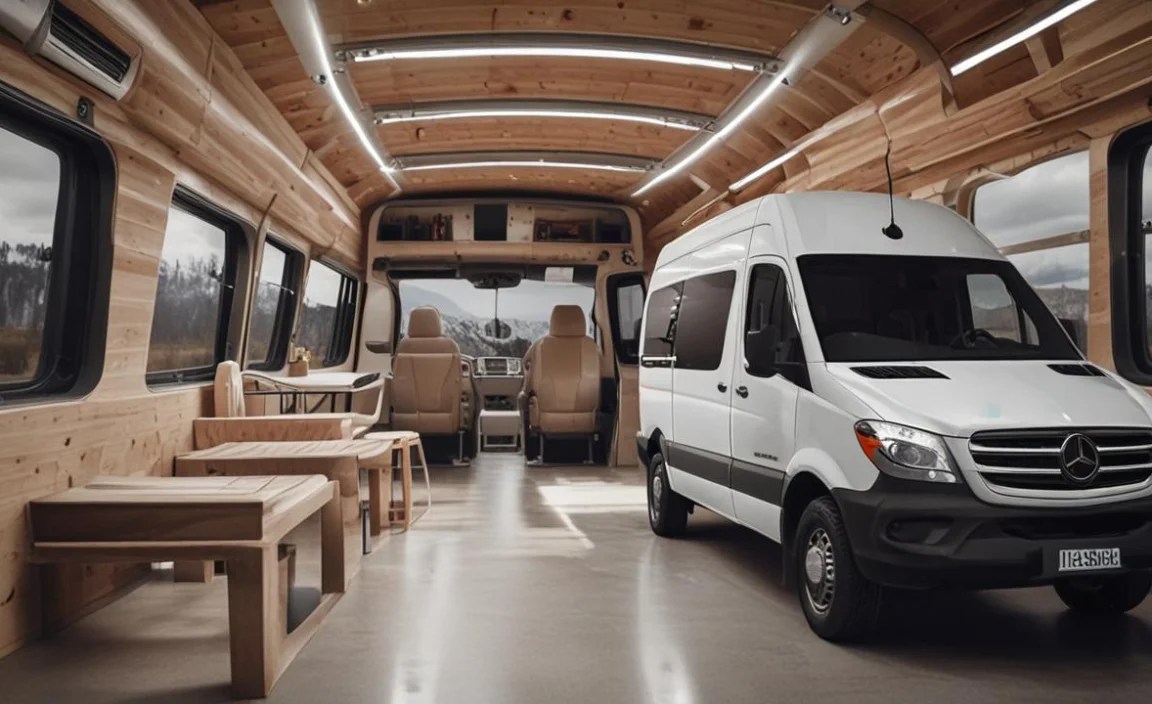
At their core, Sprinter van conversion kits are thoughtfully assembled collections of parts and designs intended to simplify the process of outfitting a van’s interior. Think of them as a head start. Instead of sourcing every piece of lumber, every electrical component, and every piece of cabinetry individually, a kit provides many of these elements, often pre-cut, pre-drilled, or designed to work together seamlessly. This approach significantly reduces planning time, minimizes the risk of design errors, and can even prove more cost-effective than a fully custom, piece-by-piece build.
The spectrum of kits available is broad, catering to different needs and budget levels. Some are very basic, focusing on foundational elements like wall panels and framing. Others are far more comprehensive, including complete kitchenettes, sleeping platforms, seating areas, and even integrated electrical and plumbing systems. The key benefit across all types is the standardization and often the expertise embedded within the design.Manufacturers of these kits have typically gone through extensive design and testing phases, ironing out common challenges faced by individual builders.
Types of Sprinter Van Conversion Kits
The market offers a variety of kits, each designed with a specific purpose or level of completion in mind. Understanding these variations will help you pinpoint the one that best suits your project goals.
Modular Kits: These kits are designed for maximum flexibility. You can often purchase individual modules—such as a galley kitchen unit, a bed platform, or a seating bench—and combine them to create your ideal layout. This is excellent for those who have a clear vision of specific functional areas but want help with the construction of those areas from high-quality materials.
Full Interior Kits: These are the most comprehensive options, providing most of the core interior components needed to make a van habitable. This can include wall coverings, ceiling panels, framing, flooring, a bed platform, cabinetry, and sometimes even a pre-wired electrical system. These kits aim to get you to a “finished” interior much faster.
Feature-Specific Kits: Some kits focus on a single, complex element. For example, you can find kits specifically for building out a functional kitchen galley, a comfortable sleeping loft, a swiveling seat base, or a sophisticated solar power system. These are great for adding specific conveniences or tackling challenging build aspects.
DIY-Friendly Component Kits: These kits provide pre-fabricated components that are easy to install but still require assembly and integration into your van. Examples include pre-cut wooden panels for walls and ceilings, or assembled cabinet boxes ready to be mounted. They offer more customization than full kits but eliminate much of the precision cutting and initial fabrication.
Benefits of Using a Conversion Kit
Opting for a Sprinter van conversion kit offers several compelling advantages over a ground-up, self-designed build.
Time Savings: This is perhaps the biggest draw. Kits eliminate countless hours spent on design, material sourcing, and precision cutting. What might take months of solo work can potentially be accomplished in weeks with a well-chosen kit.
Cost-Effectiveness: While upfront cost can seem significant, kits often include bulk discounts on materials and labor-saving designs. They can prevent costly mistakes, such as miscalculating material needs or purchasing incompatible components. Plus, they account for common waste, which is often built into the kit’s material.
Design Expertise: Reputable kit manufacturers have often spent considerable time refining their designs for functionality, aesthetics, and structural integrity. You benefit from their experience, ensuring a well-thought-out layout and robust construction.
Ease of Installation: Components are frequently designed for simple bolt-together or snap-fit assembly. Many kits come with detailed instructions and can be installed with basic to intermediate woodworking and mechanical skills.
Quality of Materials: Good kits utilize durable, lightweight, and high-quality materials suitable for the demanding environment of a moving vehicle. This ensures longevity and a premium feel.
Resale Value: A professionally designed and cleanly installed interior, often facilitated by a kit’s standardized components, can contribute positively to the van’s resale value.
Drawbacks to Consider
While beneficial, kits aren’t a perfect solution for everyone. It’s important to weigh the potential downsides:
Limited Customization: Even modular kits have design constraints. You may need to adapt or modify components to precisely match your unique needs or aesthetic preferences, which can add complexity.
Upfront Cost: A comprehensive kit represents a substantial initial investment. While it can save money and time overall, the upfront capital required might be higher than slowly acquiring components for a more budget-conscious, piecemeal build.
Compatibility: Ensure the kit is specifically designed for your Sprinter model and wheelbase. Even minor variations can lead to installation headaches.
Installation Skill Dependency: While designed for ease, installation still requires a certain level of DIY proficiency. If you’re not comfortable with tools or basic construction, you might still need to factor in professional installation costs.
Popular Sprinter Van Conversion Kit Components
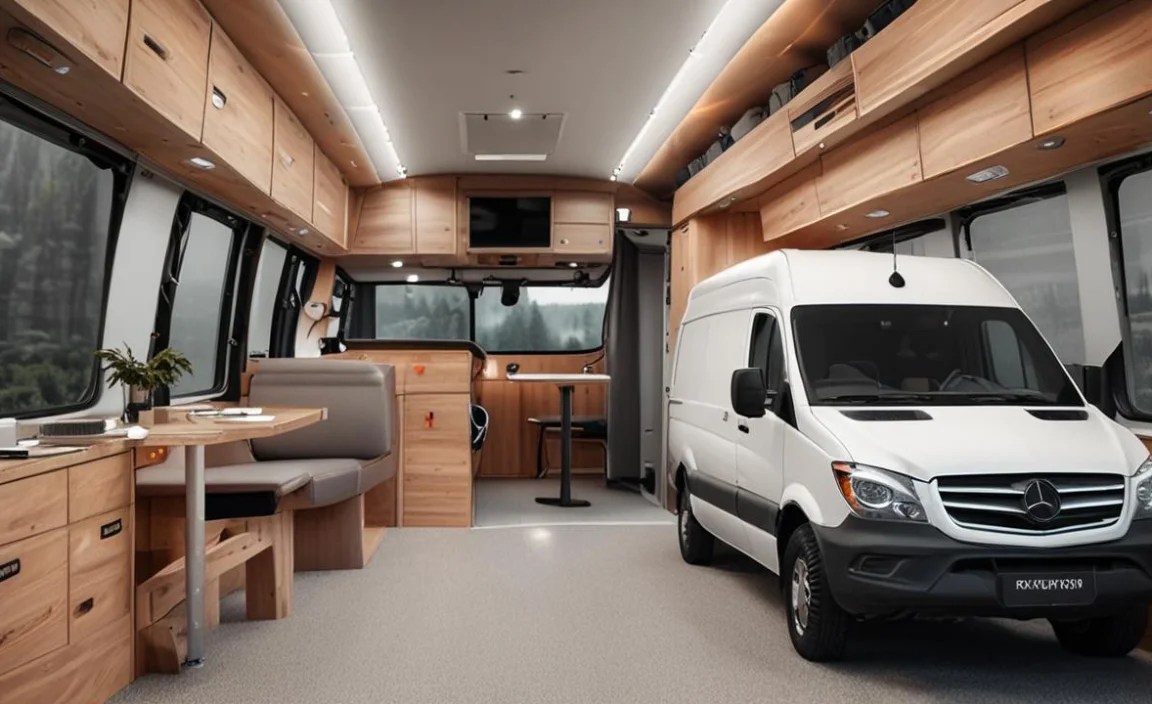
Conversion kits can vary widely in what they include, but several core components are common and essential for transforming a bare van into a functional living space. Understanding these commonly found elements will help you assess what’s included in different kits and what you might need to source separately.
1. Interior Panel Systems
The smooth, often ribbed interior walls of a Sprinter can be unsightly when left bare. Panel systems provide a clean, finished look and a surface to mount other components.
Wall and Ceiling Panels: These are typically made from lightweight materials like plywood, composite boards, or even specialized plastics. They can be pre-cut, pre-finished (e.g., painted, laminated), and designed to attach easily over the van’s existing ribs. Some kits offer options for insulation integration within these panels.
Flooring Systems: A durable and attractive floor is crucial. Kits often include pre-cut flooring, sometimes with integrated insulation or subflooring, ready to be laid down. Materials can range from wood-look vinyl to durable rubber.
2. Cabinetry and Storage Solutions
Efficient storage is paramount in a van conversion. Kits often feature cleverly designed cabinets and storage units that maximize space.
Galley Kitchen Units: These pre-built modules typically include countertops, sink integration, and storage space for cookware and food. They are often designed to fit specific locations within the van.
Overhead Cabinets: Utilizing the vertical space above seating areas or beds, these cabinets provide accessible storage for lighter items.
Drawer Systems and Storage Boxes: Many kits include integrated drawer solutions or modular storage boxes that fit seamlessly into the van’s framework.
3. Sleeping Platforms and Beds
A comfortable sleeping area is a cornerstone of any van conversion.
Fixed Bed Platforms: These are often robust frames designed to support a mattress, providing storage underneath. Kits may offer variations for different bed sizes (e.g., queen, full) and configurations (rear-facing, side-facing).
Convertible Dinettes/Beds: Some kits include seating areas that quickly convert into a sleeping space, maximizing functionality in smaller vans.
4. Seating Solutions
Comfortable seating is vital for living and working in your van.
Bench Seats: These can be fixed or designed with integrated storage. Some kits offer options that can also convert into beds.
Swivel Seat Bases: For the driver and passenger seats, swivel bases allow the front seats to rotate 180 degrees, becoming part of the van’s living area when parked. This is a popular accessory that some comprehensive kits might include or integrate into their designs.
5. Electrical and Power Systems
While some kits forgo complex electrical, many integrated ones offer rudimentary systems or prepare the van for them.
Wire Harnesses and Conduit: Kits designed for electrical integration may provide pre-made wire harnesses to simplify connecting batteries, solar panels, inverters, and outlets.
Mounting Brackets and Plates: Pre-fabricated mounts for batteries, charge controllers, and inverters can save significant fabrication time.
6. Other Amenities
Depending on the kit’s ambition, you might find integrated solutions for:
Water Systems: Tanks, pumps, and plumbing rough-ins.
Lighting: Pre-wired LED lighting strips or dome lights.
Insulation Kits: Specialized insulation panels designed to fit the van’s cavities.
How to Choose the Right Sprinter Van Conversion Kit

Selecting the perfect kit is crucial for a successful and enjoyable conversion project. Several factors should guide your decision-making process.
1. Define Your Needs and Budget
Before looking at kits, clearly identify what you want your converted Sprinter to do.
Usage: Will it be for weekend camping, full-time living, remote work, or adventure sports? Each use case dictates different priorities for space, amenities, and storage.
Occupancy: How many people will typically be sleeping or traveling in the van? This impacts bed size, seating, and overall usable space.
Amenities: What are your must-haves? A full kitchen? A dedicated bathroom? A robust off-grid power system? Be realistic about what fits within your chosen van model and budget.
Budget: Conversion kits range from a few thousand dollars to upwards of $20,000 or more for fully integrated systems. Establish a clear budget that includes the kit, any additional components, tools, and potential professional help.
2. Sprinter Model and Wheelbase Compatibility
Ensure the kit is specifically designed for your Sprinter’s year, model (e.g., 144-inch wheelbase, 170-inch wheelbase, High Roof). Even slight variations in dimensions can render a kit incompatible or require extensive modifications. Always check the manufacturer’s specifications.
3. Assess the Kit’s Completeness and Modularity
Consider how much of the build you want the kit to handle.
Level of Completion: Do you want a kit that provides basic framing and paneling, or one that includes almost everything from the bed frame to the cabinetry?
Modularity: If you envision a highly personalized layout, look for kits with modular components that can be rearranged or substituted.
4. Research Manufacturer Reputation and Reviews
As with any major purchase, due diligence is key.
Read Reviews: Search for customer reviews, forum discussions, and testimonials related to the kit manufacturer.
Check Build Galleries: Look at photos or videos of vans that have been converted using the specific kit you’re considering. Does the finished product align with your expectations?
Contact the Manufacturer: Ask questions about installation, materials, warranty, and support. A responsive and transparent manufacturer is a good sign.
5. Material Quality and Weight
In a vehicle, every pound counts, and durability is essential.
Material Composition: Is the kit made from weight-conscious yet sturdy materials? Plywood is common, but consider the type and thickness. Composites and aluminum can be lighter but often more expensive.
Finish: Does the kit come with a durable, appealing finish, or will you need to paint or seal it yourself?
6. Installation Requirements and Your DIY Skills
Be honest about your capabilities.
Tools: What specialized tools are required for installation?
Skill Level: The manufacturer should provide an estimated skill level needed. If it’s beyond your comfort zone, factor in the cost of professional installation.
Example Kit Comparison Table
To illustrate, let’s imagine comparing two hypothetical kits for a Mercedes-Benz Sprinter 144-inch High Roof:
| Feature | “AdventureLite” Starter Kit | “LuxuryCoach” Full Build Kit |
| :—————— | :————————– | :—————————– |
| Primary Focus | Basic interior shell | Turnkey living space |
| Components | Wall/Ceiling panels, basic bed frame | Full cabinetry, galley, bed, seating, basic electrical rough-in |
| Customization | High | Moderate |
| Installation Time | 50-100 hours | 150-300 hours |
| Estimated Cost | $3,000 – $6,000 | $15,000 – $25,000 |
| Materials | Baltic birch plywood | High-grade plywood,
laminate countertops, durable vinyl flooring |
| DIY Skill Level | Intermediate | Intermediate to Advanced |
| Best For | DIYers wanting a clean slate | Those seeking maximum convenience |
Step-by-Step Guide to Installing a Sprinter Van Conversion Kit
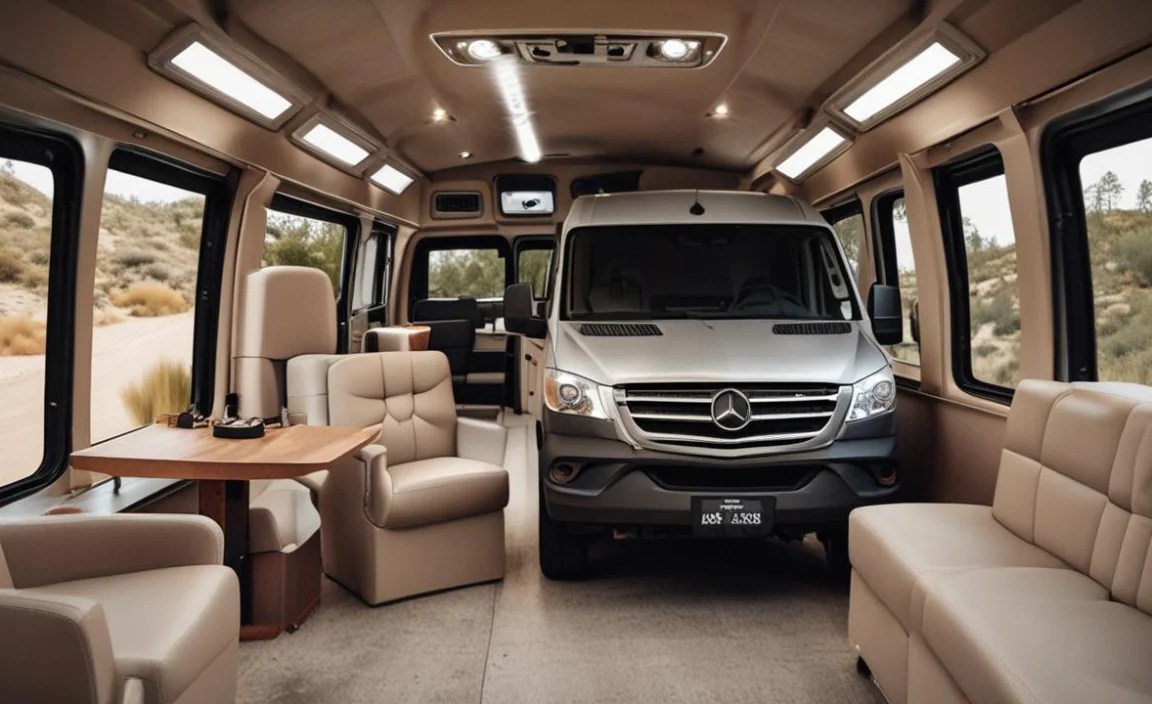
While specific installation steps vary significantly between manufacturers and kit types, most follow a general pattern. This guide provides a conceptual overview. Always refer to your kit’s detailed instructions.
Step 1: Prepare Your Van
This is the foundational stage and is critical for a successful build.
Clean Thoroughly: Remove any existing flooring, panels, or debris. Deep clean the interior and ensure it’s dry.
Inspect for Rust and Damage: Address any rust spots or damage to the van’s metal structure. A professional rust treatment might be necessary. Consult resources like the National Highway Traffic Safety Administration (NHTSA) for vehicle safety standards you should be aware of.
Plan Your Layout: Mark out where major components (bed, galley, seating) will go. Double-check measurements against the kit’s design.
Consider Insulation: If your kit doesn’t include insulation, now is the time to install it. Common materials include Thinsulate, Havelock wool, or spray foam. Proper insulation is key for comfort in all seasons.
Install Sound Deadening: Applying sound-deadening material (like Dynamat) to the metal panels reduces road noise and creates a more pleasant interior environment.
Step 2: Install Framing and Subflooring (If Applicable)
Many kits require a basic framing system to attach panels and build structures.
Assemble or Install Framing: Many kits come with pre-cut framing pieces designed to mount to the van’s internal ribs or floor. Follow the instructions precisely for secure attachment. This framing provides attachment points for walls, ceilings, and cabinets.
Lay Subflooring: If your kit requires a subfloor, install it now. This might involve cutting plywood to size and securing it to the van’s floor or to your newly installed framing.
Step 3: Install Wall and Ceiling Panels
This step begins to transform the bare metal interior.
Position Panels: Carefully align the pre-cut panels against the van’s interior ribs and framing.
Secure Panels: Use the provided hardware (screws, bolts, clips) to firmly attach the panels. Ensure they sit flush and create a smooth surface. Work from the front of the van towards the rear, or follow the kit’s recommended sequence.
Cut Openings: If your panels don’t have pre-cut openings for windows, vents, or electrical pass-throughs, you’ll need to cut these precisely.
Step 4: Assemble and Install Cabinetry and Furniture
This is where your van starts to feel like a living space.
Assemble Cabinet Boxes and Components: Follow the kit’s instructions to put together drawers, cabinet frames, bed frames, and seating structures.
Mount Components: Securely attach these assembled units to the van’s framing or floor. Use appropriate hardware and ensure everything is level and plumb. Pay close attention to weight distribution and structural integrity, especially for bed platforms.
Step 5: Install Electrical, Plumbing, and Finishing Touches
This phase integrates the functional systems and adds the final aesthetic touches.
Electrical Wiring: If your kit includes electrical components or wiring harnesses, follow the integrated instructions. If not, this is where you’d install your solar system, batteries, inverter, and outlets. You may want to consult resources like NFPA (National Fire Protection Association) for electrical safety codes.
Plumbing: Install water tanks, pumps, and connect sink and faucet lines if your kit features a galley.
Install Countertops, Doors, and Drawers: Fit the final pieces of your galley and cabinetry.
Add Trim and Details: Install any necessary trim pieces, seal edges, and add any final decorative elements.
Step 6: Final Inspection and Testing
Before you hit the road, perform a thorough check.
Check All Fastenings: Ensure all screws, bolts, and mounting hardware are tight.
Test Systems: Power up electrical systems, test lights, run water through plumbing, and ensure all moving parts (doors, drawers) operate smoothly.
Safety Check: Ensure no components obstruct safety features like seatbelts or airbags.
Popular Kit Manufacturers and Brands
The market for Sprinter van conversion kits is growing, with several reputable companies offering a range of products. Researching these brands can give you a good starting point for finding the right fit for your project.
* Exploria Van: Known for their premium, modular interior systems designed for Sprinters and other camper vans. They offer a


