
Mercedes W140 Flagship: The Ultimate Guide
Quick Summary: The Mercedes-Benz W140, produced from 1991 to 1998, is widely regarded as one of the last “over-engineered” Mercedes flagships. This guide covers its key features, model variations, maintenance considerations, and why it remains a sought-after classic, blending luxury with robust engineering. Explore what makes the W140 a standout in Mercedes-Benz history and learn how to care for one.
The Mercedes-Benz W140. Just the name evokes images of opulence, technological innovation, and rock-solid engineering. For many, it represents the pinnacle of Mercedes-Benz luxury. But navigating the world of the W140 can be daunting. From understanding the different engine options to knowing what to look for when buying one, there’s a lot to consider.
This comprehensive guide is designed to simplify everything you need to know about the W140. We’ll explore its history, delve into its features, discuss common maintenance points, and provide tips for finding the perfect W140 for you. Get ready to discover why this model remains a legend.
What is the Mercedes-Benz W140?

The Mercedes-Benz W140 is a series of flagship vehicles manufactured by Mercedes-Benz from 1991 to 1998. Available as a sedan and a coupe (C140), it replaced the W126 S-Class and set new standards for luxury, comfort, and technological advancements in the automotive industry.
Key Features of the W140:
- Double-pane windows: For superior sound insulation.
- Self-closing doors and trunk: Adding a touch of convenience and luxury.
- Electronically adjustable rear-view mirror: Automatically dims to prevent glare.
- Sophisticated climate control: Ensuring consistent cabin temperature.
- Powerful engine options: Including inline-6, V8, and V12 engines.
W140 Model Variations and Engine Options

The W140 was available with a range of engine options and trim levels. Here’s a breakdown:
Sedans:
- 300SE/SEL: Powered by a 3.2L inline-6 engine.
- S320: Renamed from 300SE/SEL in 1994.
- 400SE/SEL: Equipped with a 4.2L V8 engine.
- S420: Renamed from 400SE/SEL in 1994.
- 500SE/SEL: Featuring a 5.0L V8 engine.
- S500: Renamed from 500SE/SEL in 1994.
- 600SEL: The top-of-the-line model with a 6.0L V12 engine.
- S600: Renamed from 600SEL in 1994.
Coupes (C140):
- SEC420/S420 Coupe: V8 powered coupe.
- SEC500/S500 Coupe: V8 powered coupe.
- SEC600/S600 Coupe: V12 powered coupe.
Note: The “L” in SEL denotes a long-wheelbase version, offering more rear legroom.
Why the W140 is Considered a Flagship

The W140 earned its flagship status for several reasons:
- Over-Engineering: The W140 was developed with a “no expense spared” approach, resulting in exceptional build quality and durability.
- Advanced Technology: It introduced features like double-pane windows, self-closing doors, and sophisticated climate control systems.
- Luxurious Interior: The cabin was appointed with high-quality materials, providing unparalleled comfort and refinement.
- Powerful Engines: The V8 and V12 engine options delivered effortless performance and a smooth driving experience.
- Prestige and Status: Owning a W140 was a statement of success and sophistication.
Buying a Mercedes-Benz W140: What to Look For

If you’re considering purchasing a W140, keep these factors in mind:
1. Condition and Maintenance History
A well-maintained W140 is crucial. Look for a car with a complete service history and evidence of regular maintenance. Pay attention to:
- Fluid Changes: Oil, coolant, transmission fluid, and brake fluid.
- Suspension Components: Bushings, shocks, and springs.
- Brake System: Pads, rotors, and calipers.
2. Rust
Rust can be a significant issue, especially in areas with harsh winters. Inspect the following areas carefully:
- Wheel Arches: Check for bubbling paint or visible rust.
- Door Bottoms: Inspect the lower edges of the doors.
- Underbody: Look for rust on the frame and suspension components.
3. Engine and Transmission
Test drive the car thoroughly to assess the engine and transmission performance:
- Engine Smoothness: Listen for any unusual noises or vibrations.
- Transmission Shifts: Ensure smooth and precise gear changes.
- Oil Leaks: Check for any signs of oil leaks around the engine.
4. Electrical Systems
The W140 has complex electrical systems. Check the functionality of:
- Windows and Locks: Ensure all windows and locks operate smoothly.
- Climate Control: Verify that the A/C and heating systems work properly.
- Instrument Cluster: Check for any warning lights or malfunctions.
5. Interior Condition
Assess the condition of the interior:
- Leather Seats: Look for cracks, tears, or excessive wear.
- Wood Trim: Check for cracks or discoloration.
- Headliner: Inspect for sagging or stains.
Common Problems and Maintenance Tips
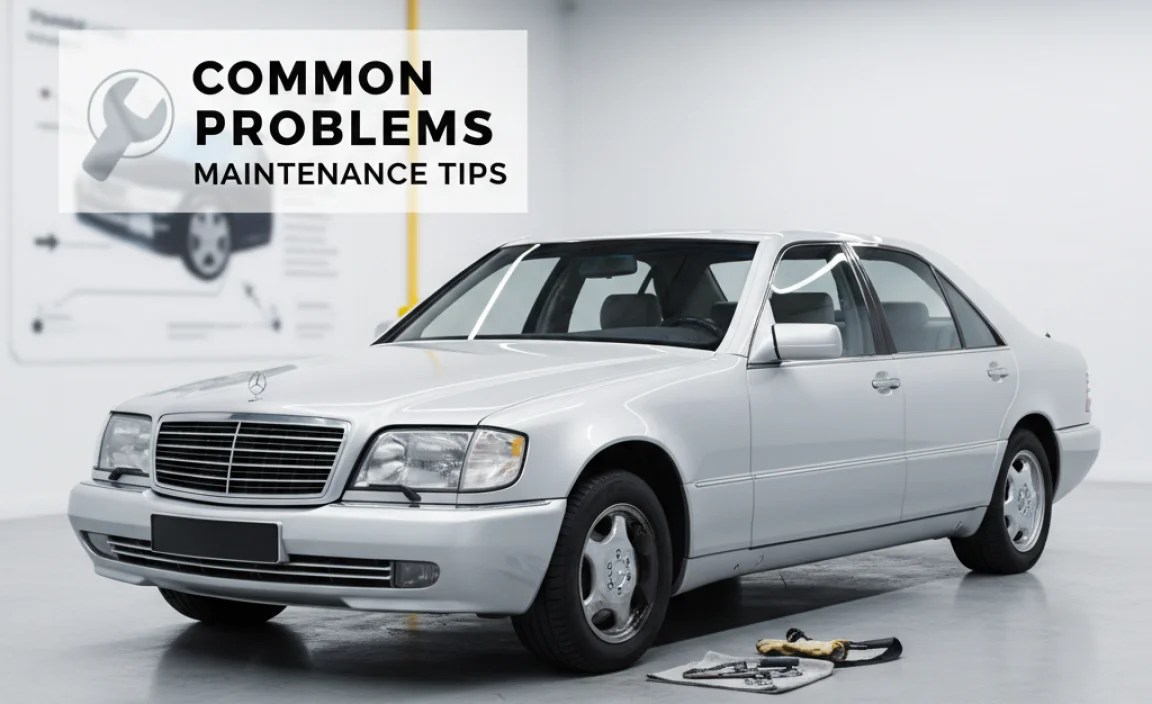
Like any older car, the W140 has its share of common problems. Here are some maintenance tips to keep your W140 running smoothly:
1. Hydraulic Suspension Issues
Some W140 models are equipped with hydraulic suspension, which can be prone to leaks and failures. Regular inspection and maintenance are essential. Consider replacing worn components with high-quality replacements.
2. Climate Control Problems
The climate control system can develop issues over time, such as malfunctioning actuators or a faulty compressor. Regular servicing and refrigerant top-ups can help prevent problems.
3. Electrical Component Failures
The W140’s electrical systems are complex, and various components can fail over time. Common issues include faulty sensors, relays, and wiring. Regular inspections and prompt repairs are crucial.
4. Rust Prevention
Protecting your W140 from rust is essential, especially if you live in an area with harsh winters. Consider applying rustproofing treatments and regularly washing and waxing the car.
5. Regular Servicing
Adhere to the recommended maintenance schedule and perform regular servicing, including oil changes, filter replacements, and fluid checks. This will help keep your W140 running smoothly and prevent costly repairs.
DIY Maintenance for the W140
Performing some basic maintenance tasks yourself can save you money and help you stay on top of your W140’s needs. Here are a few DIY tasks you can tackle:
- Oil Changes: Changing the oil and filter is a straightforward task that can be done at home with basic tools.
- Air Filter Replacement: Replacing the air filter is a simple job that can improve engine performance and fuel economy.
- Spark Plug Replacement: Replacing the spark plugs can help maintain engine performance and prevent misfires.
- Brake Pad Replacement: Replacing the brake pads is a more involved task but can be done at home with the right tools and knowledge.
Note: Always consult the W140 service manual and follow safety precautions when performing DIY maintenance.
W140: The Last of its Kind?
Many enthusiasts believe the W140 represents the last of the “over-engineered” Mercedes-Benz models. The focus on quality, durability, and technological innovation set it apart from later models. The W140 was built to last, with robust mechanicals and a level of craftsmanship rarely seen today.
W140 vs. Its Competitors
During its production run, the W140 competed with other luxury flagships, such as the BMW 7 Series (E38) and the Lexus LS400. Here’s a comparison:
| Feature | Mercedes-Benz W140 | BMW 7 Series (E38) | Lexus LS400 |
|---|---|---|---|
| Engine Options | Inline-6, V8, V12 | Inline-6, V8, V12 | V8 |
| Technology | Double-pane windows, self-closing doors | Navigation system, electronic damper control | Advanced sound system, air suspension |
| Ride Quality | Smooth and comfortable | Sporty and engaging | Smooth and refined |
| Build Quality | Exceptional | Excellent | Excellent |
Each car offered a unique blend of luxury, performance, and technology. The W140 stood out for its over-engineered construction and luxurious features, while the BMW 7 Series offered a sportier driving experience, and the Lexus LS400 provided exceptional reliability and refinement.
The W140 Legacy and Collectibility
Today, the Mercedes-Benz W140 is gaining recognition as a classic car. Its timeless design, luxurious features, and robust engineering make it a desirable collectible. Well-preserved examples are becoming increasingly valuable, especially those with low mileage and a complete service history.
Resources and Community
There are numerous online resources and communities dedicated to the Mercedes-Benz W140. These resources can provide valuable information, technical support, and a sense of community for W140 owners and enthusiasts.
- Online Forums: Websites like Benzworld and Mercedes-Benz Club of America offer forums where owners can discuss technical issues, share tips, and connect with other enthusiasts.
- Parts Suppliers: Online retailers such as Pelican Parts and AutohausAZ offer a wide range of parts and accessories for the W140.
- Service Manuals: Factory service manuals provide detailed information on maintenance and repair procedures. You can find these manuals online or through Mercedes-Benz dealerships.
Performance Upgrades and Modifications
While the W140 is already a capable and luxurious car, some owners choose to enhance its performance or customize its appearance. Here are a few popular upgrades and modifications:
- Suspension Upgrades: Upgrading the suspension can improve handling and ride quality. Options include aftermarket springs, shocks, and sway bars.
- Engine Tuning: Tuning the engine can increase horsepower and torque. Options include ECU remapping and performance exhaust systems.
- Wheels and Tires: Upgrading the wheels and tires can improve both performance and appearance. Choose wheels that complement the W140’s classic design.
- Interior Upgrades: Upgrading the interior can enhance comfort and luxury. Options include custom upholstery, upgraded sound systems, and aftermarket accessories.
The Future of the W140
As the W140 continues to age, it will likely become even more sought after by collectors and enthusiasts. Its combination of luxury, performance, and over-engineered construction makes it a unique and desirable classic. Whether you’re a long-time owner or a prospective buyer, the Mercedes-Benz W140 offers a rewarding ownership experience.
FAQ About the Mercedes-Benz W140
Here are some frequently asked questions about the Mercedes-Benz W140:
Q: What years was the Mercedes-Benz W140 produced?
A: The W140 was produced from 1991 to 1998.
Q: What are the different engine options available for the W140?
A: Engine options included inline-6, V8, and V12 engines.
Q: What does the “L” in SEL stand for?
A: The “L” denotes a long-wheelbase version, offering more rear legroom.
Q: What are some common problems with the W140?
A: Common problems include hydraulic suspension issues, climate control problems, and electrical component failures.
Q: Is the W140 a good investment?
A: Well-preserved examples are becoming increasingly valuable, especially those with low mileage and a complete service history.
Q: Where can I find parts and resources for my W140?
A: Online forums, parts suppliers, and service manuals are available to help you maintain and repair your W140.
Q: What makes the W140 special compared to other S-Class models?
A: The W140 is often considered the last of the “over-engineered” Mercedes, with exceptional build quality and advanced features for its time, setting a high bar for luxury and durability.
Conclusion
The Mercedes-Benz W140 remains a symbol of automotive excellence. Its blend of luxury, technology, and robust engineering has cemented its place in automotive history. Whether you’re a seasoned Mercedes-Benz enthusiast or simply appreciate fine automobiles, the W140 offers a unique and rewarding experience. By understanding its strengths, weaknesses, and maintenance requirements, you can ensure that your W140 continues to provide years of driving pleasure.
“`


