
Mercedes Wheels Upgrade: Choosing the Right Models
Want to give your Mercedes a fresh new look? Upgrading your wheels is a fantastic way to do it! You can boost its style and even improve performance. But with so many options, finding the right wheels can feel overwhelming. This guide simplifies everything, walking you through sizes, styles, and fitment. Get ready to make your Mercedes stand out!
In this article, we’ll cover:
- Understanding wheel sizes and fitment.
- Exploring different wheel styles.
- Choosing the right wheels for your Mercedes model.
- Where to buy your new wheels.
Understanding Wheel Basics
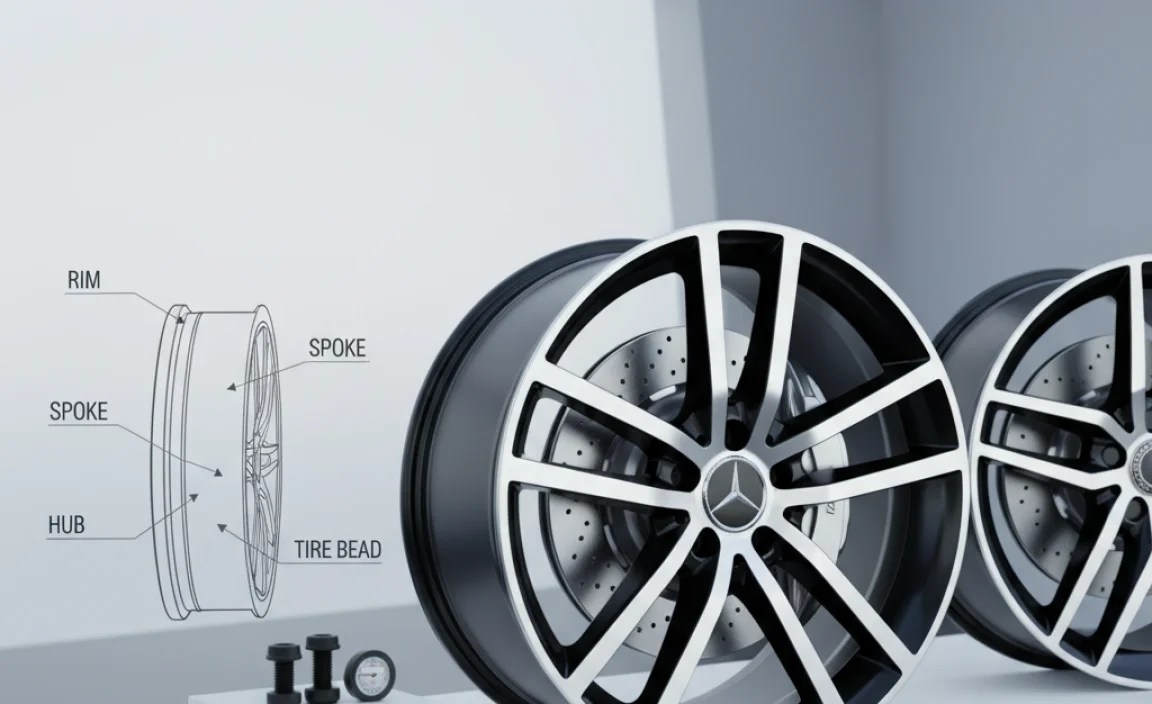
Before diving into specific Mercedes wheel models, let’s cover some basics. Understanding these terms will help you make an informed decision.
Wheel Size
Wheel size is measured in inches and usually refers to the diameter of the wheel. For example, a 19-inch wheel has a 19-inch diameter. The right wheel size depends on your Mercedes model and your personal preferences.
Wheel Width
Wheel width is also measured in inches and refers to the distance between the inner and outer edges of the wheel. A wider wheel can accommodate a wider tire, which can improve grip and handling.
Bolt Pattern
The bolt pattern is the configuration of the bolt holes on the wheel. It’s crucial to match the bolt pattern of your new wheels to your Mercedes. A mismatched bolt pattern means the wheels won’t fit.
Offset
Offset is the distance between the wheel’s mounting surface and its center line. It’s measured in millimeters. The offset affects how the wheel sits in the wheel well. The correct offset ensures the wheel doesn’t rub against the suspension or fender.
Center Bore
The center bore is the diameter of the hole in the center of the wheel. It needs to match the diameter of the hub on your Mercedes. If it doesn’t match, you might need hub-centric rings to ensure a proper fit.
Choosing the Right Wheel Size

The right wheel size depends on your Mercedes model and your goals. Here’s a quick guide:
- Stock Size: Sticking with the original wheel size ensures a comfortable ride and maintains the car’s original handling characteristics.
- Plus Sizing: Increasing the wheel diameter by one or two inches can improve the car’s appearance and handling. For example, upgrading from 18-inch to 19-inch wheels.
- Minus Sizing: Decreasing the wheel diameter can improve ride comfort and winter performance. This is common for winter tires, where a smaller wheel with a taller tire sidewall can provide better grip in snow and ice.
Always check your owner’s manual or consult with a tire professional to ensure the new wheel size is compatible with your Mercedes.
Exploring Wheel Styles
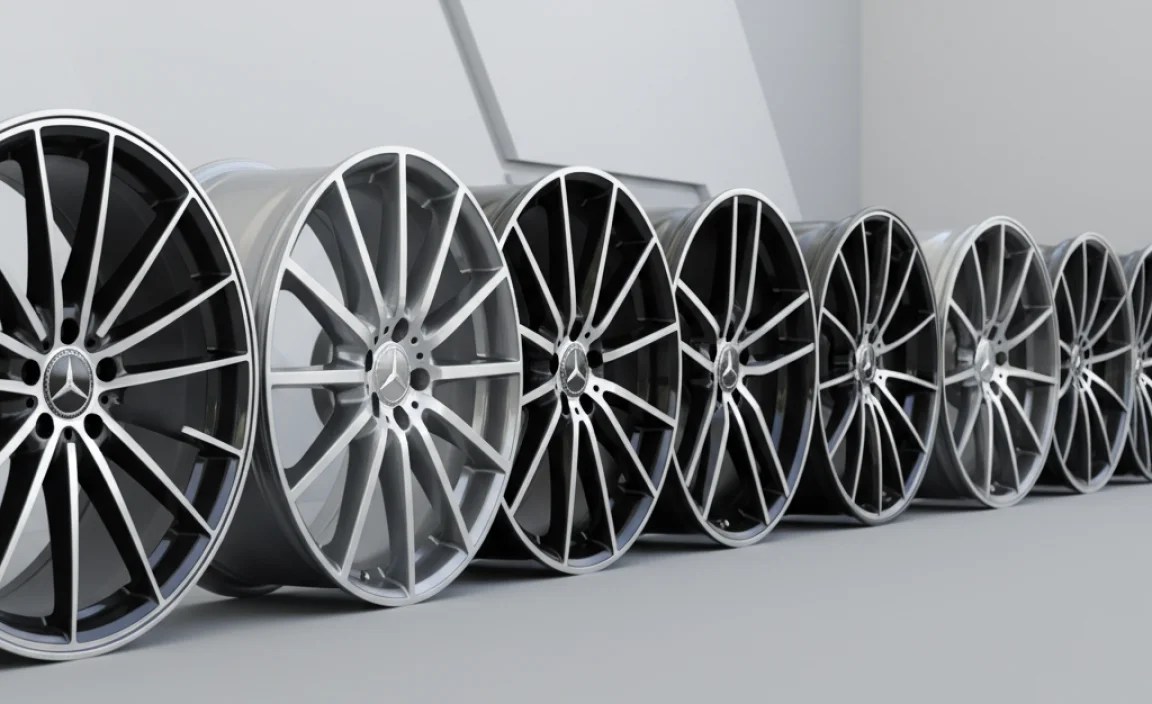
Mercedes wheels come in various styles, each offering a unique look. Here are some popular options:
- Multi-Spoke Wheels: These wheels feature many spokes, providing a classic and elegant appearance. They are often found on luxury models.
- Five-Spoke Wheels: A sporty and aggressive style, five-spoke wheels are common on AMG models and performance-oriented vehicles.
- Mesh Wheels: Mesh wheels have a complex, intricate design that adds a touch of sophistication to any Mercedes.
- Forged Wheels: Forged wheels are lightweight and strong, improving performance and handling. They are often more expensive but offer significant benefits.
- Aftermarket Wheels: These wheels are made by third-party manufacturers and come in a wide variety of styles and finishes.
Wheel Materials and Finishes

The material and finish of your wheels can significantly impact their appearance and durability. Here are some common options:
- Alloy Wheels: Made from aluminum or magnesium alloys, alloy wheels are lightweight and strong. They offer a good balance of performance and aesthetics.
- Steel Wheels: Steel wheels are more durable and affordable than alloy wheels. They are often used for winter tires.
- Chrome Finish: Chrome wheels have a shiny, reflective surface that adds a touch of luxury to your Mercedes.
- Matte Black Finish: Matte black wheels offer a sporty and aggressive look. They are popular on AMG models and performance-oriented vehicles.
- Silver Finish: Silver wheels are a classic and versatile option that complements any Mercedes model.
- Painted Finish: Painted wheels come in a variety of colors, allowing you to customize the look of your Mercedes.
Choosing Wheels for Specific Mercedes Models

The best wheels for your Mercedes depend on the specific model. Here are some recommendations for popular models:
Mercedes-Benz C-Class
The C-Class is a compact executive car that offers a balance of luxury and performance. Popular wheel options include:
- 18-inch Multi-Spoke Wheels: These wheels provide a classic and elegant look.
- 19-inch Five-Spoke Wheels: These wheels add a sporty touch to the C-Class.
- Aftermarket Alloy Wheels: Many aftermarket options are available, allowing you to customize the look of your C-Class.
Mercedes-Benz E-Class
The E-Class is a mid-size luxury car that offers a comfortable ride and advanced technology. Popular wheel options include:
- 19-inch Multi-Spoke Wheels: These wheels enhance the E-Class’s luxurious appearance.
- 20-inch AMG Wheels: AMG wheels add a sporty and aggressive touch to the E-Class.
- Forged Alloy Wheels: Forged wheels improve the E-Class’s handling and performance.
Mercedes-Benz S-Class
The S-Class is a full-size luxury car that offers the ultimate in comfort and refinement. Popular wheel options include:
- 20-inch Multi-Spoke Wheels: These wheels complement the S-Class’s elegant design.
- 21-inch Forged Wheels: Forged wheels enhance the S-Class’s performance and handling.
- Chrome Wheels: Chrome wheels add a touch of luxury and sophistication to the S-Class.
Mercedes-Benz GLC
The GLC is a compact SUV that offers a blend of practicality and luxury. Popular wheel options include:
- 19-inch Alloy Wheels: These wheels provide a balanced look for the GLC.
- 20-inch AMG Wheels: AMG wheels add a sporty touch to the GLC.
- Aftermarket Wheels: Many aftermarket options are available, allowing you to customize the look of your GLC.
Mercedes-Benz GLE
The GLE is a mid-size SUV that offers a spacious interior and advanced technology. Popular wheel options include:
- 20-inch Alloy Wheels: These wheels enhance the GLE’s luxurious appearance.
- 21-inch AMG Wheels: AMG wheels add a sporty and aggressive touch to the GLE.
- Forged Alloy Wheels: Forged wheels improve the GLE’s handling and performance.
Where to Buy Mercedes Wheels
You can buy Mercedes wheels from several sources:
- Mercedes-Benz Dealerships: Dealerships offer genuine Mercedes wheels that are guaranteed to fit your vehicle.
- Online Retailers: Websites like Tire Rack, Discount Tire, and Amazon offer a wide selection of wheels at competitive prices.
- Local Tire Shops: Local tire shops can provide expert advice and installation services.
- Aftermarket Wheel Manufacturers: Companies like BBS, HRE, and Vossen specialize in high-quality aftermarket wheels.
Installation Tips
Installing new wheels can be a DIY project, but it’s essential to follow these tips for safety and proper fitment:
- Use the Right Tools: You’ll need a lug wrench, torque wrench, and jack.
- Follow the Torque Specifications: Use a torque wrench to tighten the lug nuts to the manufacturer’s specifications.
- Check the Fitment: Ensure the wheels don’t rub against the suspension or fender.
- Consider Professional Installation: If you’re not comfortable installing the wheels yourself, have them installed by a professional.
Cost Considerations
The cost of upgrading your Mercedes wheels can vary widely depending on the size, material, and brand. Here’s a general idea:
- Alloy Wheels: $200 – $1000 per wheel
- Forged Wheels: $1000 – $5000 per wheel
- Installation: $50 – $200 per wheel
Consider these factors when budgeting for your wheel upgrade:
- Wheel Size: Larger wheels typically cost more.
- Wheel Material: Forged wheels are more expensive than alloy wheels.
- Brand: Premium brands like BBS and HRE command higher prices.
- Installation Costs: Factor in the cost of professional installation if you’re not doing it yourself.
Performance Benefits
Upgrading your Mercedes wheels can offer several performance benefits:
- Improved Handling: Lighter wheels can reduce unsprung weight, improving handling and steering response.
- Better Acceleration: Lighter wheels can improve acceleration by reducing rotational inertia.
- Enhanced Braking: Lighter wheels can improve braking performance by allowing the suspension to react more quickly.
- Improved Ride Quality: The right wheel and tire combination can improve ride quality by absorbing bumps and vibrations.
Aesthetic Enhancements
Beyond performance, upgrading your wheels can dramatically improve the look of your Mercedes:
- Customization: Wheels are a great way to personalize your Mercedes and make it stand out.
- Enhanced Appearance: New wheels can give your Mercedes a more aggressive, sporty, or luxurious look.
- Improved Resale Value: A well-chosen set of wheels can increase the resale value of your Mercedes.
Mercedes Wheels Upgrade Models: Key Considerations
To recap, here’s a table summarizing the key considerations when upgrading your Mercedes wheels:
| Consideration | Details |
|---|---|
| Wheel Size | Diameter and width of the wheel. Choose based on your Mercedes model and driving preferences. |
| Bolt Pattern | Ensure the bolt pattern matches your Mercedes for proper fitment. |
| Offset | The distance between the wheel’s mounting surface and its centerline. Correct offset prevents rubbing. |
| Wheel Style | Multi-spoke, five-spoke, mesh, forged, etc. Choose a style that complements your Mercedes. |
| Wheel Material | Alloy, steel, forged. Alloy offers a balance of weight and strength; forged is lightweight and strong. |
| Finish | Chrome, matte black, silver, painted. Choose a finish that matches your Mercedes’ color and style. |
| Cost | Budget for the wheels, tires, and installation. Forged wheels and premium brands cost more. |
| Performance | Lighter wheels improve handling, acceleration, and braking. |
Potential Problems and How to Avoid Them
Upgrading your Mercedes wheels isn’t always smooth sailing. Here are some potential issues and how to steer clear of them:
- Incorrect Fitment: This is the most common problem. Double-check your Mercedes’ bolt pattern, offset, and center bore before buying.
- Tire Rubbing: If the wheels are too wide or the offset is incorrect, the tires might rub against the fenders or suspension. Consult a professional for the right size.
- Poor Quality Wheels: Cheap, low-quality wheels can be dangerous. Stick to reputable brands and check reviews.
- Compromised Ride Quality: Changing wheel sizes can affect ride comfort. Larger wheels with low-profile tires can make the ride harsher.
- TPMS Issues: Tire Pressure Monitoring System (TPMS) sensors might need to be transferred or replaced when you get new wheels.
Maintaining Your New Wheels
To keep your new Mercedes wheels looking their best, follow these maintenance tips:
- Regular Cleaning: Wash your wheels regularly with soap and water to remove dirt, brake dust, and road grime.
- Waxing: Apply a coat of wax to protect the finish and make cleaning easier.
- Avoid Harsh Chemicals: Don’t use harsh chemicals or abrasive cleaners, as they can damage the finish.
- Check Tire Pressure: Maintain the correct tire pressure to ensure even wear and optimal performance.
- Inspect for Damage: Regularly inspect your wheels for cracks, bends, or other damage.
Mercedes Wheels Upgrade Models: Examples
Here’s a table featuring some specific Mercedes wheel upgrade models along with brief descriptions:
| Wheel Model | Description | Suitable For |
|---|---|---|
| AMG Multi-Spoke | Elegant and sporty design, often finished in silver or black. | C-Class, E-Class |
| Vossen HF-5 | Hybrid Forged wheel with a split five-spoke design, customizable finishes. | C-Class, E-Class, S-Class |
| BBS CH-R | Classic motorsport-inspired design, lightweight and durable. | C-Class, CLA |
| HRE FF11 | FlowForm wheel with a modern, intricate design. | E-Class, CLS |
| Mercedes 5-Twin-Spoke | Classic Mercedes design, offering a balance of style and performance. | GLC, GLE |
FAQ About Mercedes Wheel Upgrades
Here are some frequently asked questions about upgrading Mercedes wheels:
- Will changing my wheels affect my Mercedes’ warranty?
- Using aftermarket wheels *shouldn’t* void your entire warranty, but if the new wheels cause a problem, the dealer might not cover the repair. Always check with your dealer first.
- How do I find the right bolt pattern for my Mercedes?
- Your Mercedes’ bolt pattern is usually in your owner’s manual or online. You can also ask a tire professional.
- Can I use different size wheels on the front and rear of my Mercedes?
- Staggered setups (different sizes front and rear) can improve handling but aren’t suitable for all models, especially those with 4MATIC all-wheel drive. Check your owner’s manual or ask a pro.
- What are hub-centric rings, and do I need them?
- Hub-centric rings fill the gap between the wheel’s center bore and the car’s hub. They reduce vibration and ensure a proper fit, especially with aftermarket wheels.
- How often should I clean my Mercedes wheels?
- Clean your wheels every two weeks, or more often if you drive in harsh conditions. Brake dust can damage the finish over time.
- Are expensive wheels worth the cost?
- More expensive wheels are often lighter, stronger, and better-looking. They can improve performance and last longer, but it depends on your budget and priorities.
- Can I install new wheels myself?
- Yes, if you have the right tools and know-how. But if you’re unsure, professional installation is always the safest bet.
Conclusion
Upgrading your Mercedes wheels is a rewarding way to enhance its style and performance. By understanding wheel sizes, styles, and fitment, you can choose the perfect wheels for your vehicle. Whether you opt for a classic multi-spoke design or a sporty forged wheel, the right set of wheels will make your Mercedes stand out and provide an enjoyable driving experience. Remember to prioritize safety and consult with professionals when needed, and you’ll be cruising in style in no time!
“`


