
Mercedes EQV vs Ford E-Transit Comparison: Unbelievable Luxury
Quick Summary
For unparalleled luxury and passenger comfort in an electric van, the Mercedes EQV is the clear choice over the Ford E-Transit. While the E-Transit excels in utility, the EQV delivers an executive-class experience with refined interiors and a smoother ride, making it ideal for discerning travellers and VIP transport.
Choosing the right electric van can feel overwhelming, especially when comparing luxury versus utility. Many drivers are curious about how the ultra-luxurious Mercedes EQV stacks up against the highly capable Ford E-Transit. It’s a common question for those seeking a premium electric van experience. Is the E-Transit a worthy alternative, or does the EQV’s opulent design and comfort set it in a league of its own? You’ve come to the right place. This guide will break down the key differences, focusing on what makes the EQV truly luxurious and how it compares to the more utilitarian E-Transit. Get ready to understand which electric van offers the ultimate in comfort and class.
Mercedes EQV vs. Ford E-Transit: A Tale of Two Electric Vans

The electric vehicle revolution is transforming every segment of the automotive market, from compact city cars to heavy-duty trucks. Vans, once purely functional workhorses, are now also entering the luxury space. Mercedes-Benz, a brand synonymous with luxury, has introduced the EQV, a fully electric MPV designed to offer premium comfort and advanced technology. Conversely, Ford, a titan in the commercial vehicle sector, has launched the E-Transit, an electric version of its immensely popular Transit van, focusing on practicality, range, and utility.
This comparison isn’t about finding a winner in every category, but rather understanding where each van shines. The Mercedes EQV aims to redefine electric passenger transport, offering an experience akin to a luxury sedan. The Ford E-Transit, on the other hand, targets businesses and individuals who need robust electric capability for hauling goods or people, without compromising on efficiency and modern features. Let’s dive into the specifics to see how these two electric giants differ, particularly when “unbelievable luxury” is the benchmark.
Design and Interior: The Heart of Luxury

When discussing luxury, the interior design and passenger experience are paramount. This is where the Mercedes EQV truly asserts its dominance, aiming to provide an environment that transcends the typical van experience.
Mercedes EQV Interior and Design Philosophy
The Mercedes EQV is built with passenger comfort and refinement as its top priorities. From the moment you step inside, you’re greeted with high-quality materials, meticulous craftsmanship, and a sophisticated ambiance. Mercedes-Benz has applied its signature luxury touches, including:
- Premium Seating: The EQV typically features plush, ergonomically designed seats that offer excellent support, even on long journeys. Upholstery options often include fine leather or high-quality fabrics. Seating configurations can vary, but often allow for flexible arrangements, perfect for VIP transport or family outings.
- Ambiance Lighting: Extensive ambient lighting systems allow occupants to customize the mood of the cabin, creating a serene or vibrant atmosphere.
- Advanced Infotainment: The MBUX (Mercedes-Benz User Experience) infotainment system is a hallmark of Mercedes-Benz luxury, featuring intuitive controls, high-resolution displays, and seamless smartphone integration.
- Noise Insulation: Significant effort has been put into sound deadening to ensure a remarkably quiet cabin, minimizing road and wind noise for a more peaceful journey.
- Spaciousness and Versatility: While luxurious, the EQV still offers ample space, with configurable seating to accommodate passengers and luggage comfortably.
The exterior design of the EQV is sleek and modern, reflecting its electric powertrain with understated elegance. It doesn’t scream for attention but rather exudes a sense of refined presence.
Ford E-Transit Interior and Design Philosophy
The Ford E-Transit, while benefiting from modern design and technology, is fundamentally a commercial vehicle engineered for durability and practicality. Its interior is designed with functionality and ease of use in mind.
- Durable Materials: The E-Transit uses robust, hard-wearing materials that are easy to clean and can withstand the rigors of daily use, whether for deliveries or passenger service.
- User-Friendly Controls: The cabin features a straightforward dashboard layout with accessible controls and Ford’s SYNC infotainment system, which is functional and easy to operate.
- Focus on Ergonomics: Driver comfort is a priority, with supportive seating designed for long working hours. However, the focus is on practicality rather than premium feel.
- Generous Space: The E-Transit offers vast interior space, crucial for cargo or a large number of passengers depending on the configuration. Its design prioritizes maximizing usable volume.
- Practicality over Plushness: While comfortable, the materials and overall ambiance are geared towards utility. Luxury features, if present, often come as optional extras or in higher trim levels that are still more utilitarian than the EQV.
The E-Transit’s exterior design is typically more boxy and purposeful, maximizing interior volume and aerodynamic efficiency for its intended use. It embodies a “built-to-work” ethos.
Performance and Powertrain: Electric Efficiency
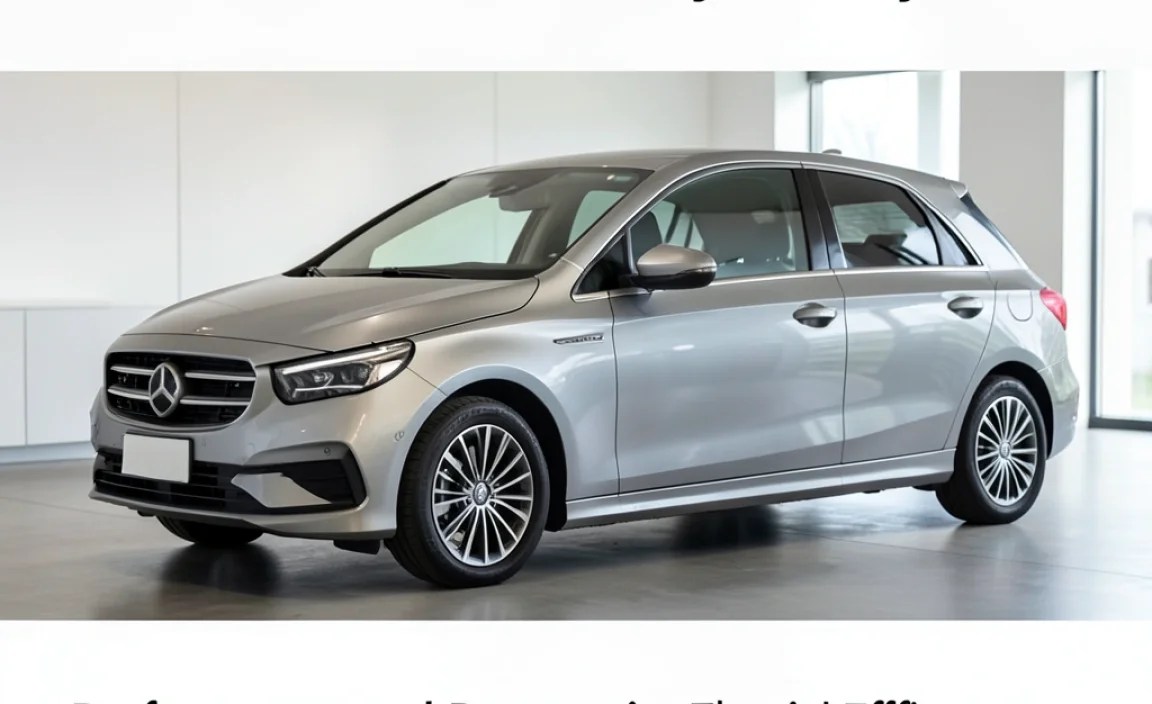
Both vans are electric, meaning they offer instant torque and a smooth driving experience. However, their performance characteristics are tuned for different priorities.
Mercedes EQV Powertrain and Driving Dynamics
The Mercedes EQV is powered by an electric motor that delivers smooth, responsive acceleration. Its focus is on a refined, effortless driving experience:
- Motor Output: The EQV typically features a motor producing around 204 horsepower, providing ample power for effortless cruising and overtaking.
- Battery Capacity: It comes with a substantial battery pack, offering a usable range suitable for most passenger transport needs. For specific figures, refer to the latest Mercedes-Benz EQV specifications.
- Range: While WLTP figures vary by model year and battery size, the EQV aims to provide a practical range for its intended luxury transport role.
- Ride Comfort: Mercedes-Benz engineers have placed a strong emphasis on ride quality, ensuring the EQV glides over road imperfections. The suspension is tuned for comfort, absorbing bumps and minimizing body roll.
- Quiet Operation: The inherent quietness of electric powertrains is amplified in the EQV through advanced insulation techniques, creating a serene cabin environment.
Ford E-Transit Powertrain and Driving Dynamics
The Ford E-Transit is designed to deliver robust performance for commercial applications, balancing power with efficiency and towing capability:
- Motor Output: The E-Transit offers a powerful electric motor, often with outputs exceeding 200 horsepower, designed for carrying heavy loads and maintaining speed.
- Battery Capacity: It features a large battery designed for extended range, essential for commercial use. Ford provides detailed range estimates on their official Ford E-Transit page.
- Range: The E-Transit is engineered to offer a competitive range, often prioritizing maximizing miles per charge for operational efficiency.
- Towing and Payload: While luxury is not its primary focus, the E-Transit is built for serious work, offering impressive towing capacity and payload ratings.
- Driving Feel: The E-Transit provides a solid, planted feel on the road, suitable for carrying cargo. The ride is firm and controlled, prioritizing stability over plushness.
Technology and Features: Innovation Meets Utility

Both vans are packed with technology, but the emphasis differs significantly.
Mercedes EQV Technology Highlights
The EQV is a showcase of Mercedes-Benz’s commitment to innovation and driver/passenger-centric technology:
- MBUX Infotainment System: Features like natural voice control, a large touchscreen, and intuitive navigation make interacting with the van effortless and enjoyable.
- Advanced Driver Assistance Systems (ADAS): The EQV often includes a suite of sophisticated safety features, such as adaptive cruise control, lane-keeping assist, blind-spot monitoring, and parking assistance, enhancing both safety and convenience.
- Connectivity: Seamless integration with smartphones, remote access via the Mercedes me app, and over-the-air updates keep the EQV at the forefront of automotive technology.
- Comfort-Enhancing Tech: Features like multi-zone climate control with pre-entry climate control, heated and ventilated seats, and ambient lighting contribute to the premium experience.
Ford E-Transit Technology Highlights
Ford has equipped the E-Transit with technology designed to improve productivity and user experience for commercial operators:
- SYNC 4 Infotainment: A modern and responsive system with features like Apple CarPlay, Android Auto, and cloud-connected navigation.
- Productivity Features: Available features like a large touchscreen, Wi-Fi hotspot, and integrated Ford Pro™ services can help businesses manage their fleets more effectively.
- Driver Assistance: While not as extensive as the EQV’s luxury-focused ADAS, the E-Transit offers essential safety and driver assistance technologies like pre-collision assist, lane-keeping aid, and reverse cameras.
- Fleet Management Tools: Ford Pro™ offers telematics solutions and apps designed to monitor vehicle health, optimize routes, and manage charging, crucial for business users. Learn more about Ford Pro™ connected services.
Practicality and Versatility: Space for Everyone and Everything

When it comes to space and how it’s utilized, both vans offer flexibility, but for different purposes.
Mercedes EQV Practicality
The EQV balances luxury with practical passenger-carrying capabilities:
- Seating Configurations: Typically configured for 7 or 8 occupants, with flexible seating that can be easily reconfigured or removed to optimize space for passengers or luggage.
- Luggage Space: Even with full passenger occupancy, the EQV provides a decent amount of luggage space, suitable for airport runs or short trips.
- Passenger Comfort: The primary focus is on ensuring every passenger enjoys a comfortable and relaxed journey, with easy access to their seats and personal space.
Ford E-Transit Practicality
The E-Transit is the master of utilitarian versatility:
- Cargo Volume: Available in various body styles and lengths, the E-Transit offers class-leading cargo volumes, making it ideal for deliveries, tradespeople, or fleet use.
- Payload Capacity: Designed to carry significant weight, the E-Transit is built for demanding jobs.
- Configuration Options: It can be configured for cargo, crew cab (carrying passengers and cargo), or even as a chassis cab for specialized upfits.
- Durability: The interior and exterior are designed for longevity and ease of maintenance in demanding environments.
Cost of Ownership and Availability
The pricing and availability of these vehicles reflect their distinct market positions.
Mercedes EQV Cost and Availability
As a premium product, the Mercedes EQV commands a higher price point, reflecting its luxury amenities, brand prestige, and advanced features. Availability may also be more limited, often targeting specific markets that demand luxury passenger transport solutions.
Ford E-Transit Cost and Availability
The Ford E-Transit is positioned to be a more accessible option, particularly for businesses looking to electrify their fleets. Its pricing is generally more competitive, and it is available in a wider range of configurations and markets, emphasizing its role as a work vehicle.
Head-to-Head Comparison Table
Here’s a quick overview of how the two vans stack up:
| Feature | Mercedes EQV | Ford E-Transit |
|---|---|---|
| Primary Focus | Luxury Passenger Transport, Executive Travel | Commercial Utility, Cargo & Passenger Hauling |
| Interior Luxury | Extremely High (Premium materials, ambient lighting, advanced MBUX) | Functional & Durable (Hard-wearing materials, practical design) |
| Passenger Comfort | Exceptional (Plush seating, quiet ride, refined cabin) | Good (Ergonomic for drivers, adequate for passengers) |
| Powertrain Feel | Smooth, Effortless, Refined Acceleration | Strong, Capable, Torque-Rich for Loads |
| Ride Quality | Plush, Glides over bumps | Firm, Controlled, Stable |
| Technology | Luxury-focused ADAS, MBUX, Premium Connectivity | Productivity-focused Tech, SYNC 4, Fleet Management |
| Cargo/Passenger Space | Optimized for 7-8 passengers, flexible luggage | Class-leading Cargo Volume, versatile configurations |
| Price Point | Premium | More Accessible, Commercial-focused |
| Target User | VIP transport, luxury shuttle services, discerning families | Delivery businesses, tradespeople, fleet operators |
When “Unbelievable Luxury” is the Goal: Why the EQV Wins
If your definition of an electric van experience centers around “unbelievable luxury,” then the Mercedes EQV is unequivocally the choice. It’s not merely about transportation; it’s about the journey itself.
The EQV’s commitment to luxury is evident in every detail. From the whisper-quiet cabin, meticulously insulated against the outside world, to the sumptuously appointed seats wrapped in high-quality materials, it cocoons its occupants in comfort. The advanced MBUX system provides not just entertainment and navigation but a seamless, intuitive interface that feels futuristic and effortless to use. Ambient lighting allows for mood setting, turning a simple drive into a sophisticated experience. For airport transfers, executive travel, or shuttling VIPs, the EQV delivers an experience that rivals luxury sedans and no detail is too small for Mercedes-Benz’s artisans.
While the Ford E-Transit is an impressive electric van in its own right, delivering exceptional utility and efficiency, it simply doesn’t compete in the luxury segment. Its focus is on hard work, durability, and cost-effectiveness for businesses. The interior materials, ride comfort, and overall ambiance are geared towards function, not pampering. Therefore, when comparing “Mercedes EQV vs Ford E-Transit” specifically through the lens of luxury, the EQV stands alone.
Frequently Asked Questions (FAQ)
What is the main difference between the Mercedes EQV and the Ford E-Transit?
The main difference lies in their intended purpose and luxury level. The Mercedes EQV is designed as a luxury passenger van, prioritizing comfort, refinement, and premium features. The Ford E-Transit is a commercial electric van focused on utility, cargo hauling, durability, and operational efficiency.
Which van is better for passenger comfort?
The Mercedes EQV is significantly better for passenger comfort. It features plush seating, superior noise insulation, advanced climate control, and a suspension tuned for a smooth, refined ride, offering an executive-class experience.
Can the Ford E-Transit be a luxurious van?
While the Ford E-Transit is modern and well-equipped for its class, it is not designed to be a luxury van. Its interior focuses on durable materials and practical functionality, rather than premium finishes and comfort-oriented amenities found in vehicles like the EQV.
What is the range difference between the EQV and E-Transit?
Range specifications vary greatly depending on specific battery sizes, model years, and driving conditions for both vans. Generally, both aim for practical ranges for their intended use. Commercial vans like the E-Transit often prioritize maximizing range for delivery routes, while the EQV offers sufficient range for passenger shuttle services.
Which van is more expensive?
The Mercedes EQV is considerably more expensive than the Ford E-Transit. This reflects Mercedes-Benz’s premium brand positioning, sophisticated luxury features, and advanced engineering.
Which is better for carrying cargo?
The Ford E-Transit is the clear winner for carrying cargo. It offers greater cargo volume, higher payload capacities, and is specifically engineered for demanding commercial use with durable construction.
Are both vans available in different sizes?
The Ford E-Transit is available in a wider array of lengths and roof heights to suit various commercial needs. The Mercedes EQV typically comes in a standard configuration optimized for passenger transport, although specific market variations might exist.
Conclusion: Luxury or Logistics?
When engaging in a “Mercedes EQV vs Ford E-Transit comparison” with “unbelievable luxury” as the driving factor, the answer is clear. The Mercedes EQV is built from the ground up to offer a premium, comfortable, and sophisticated passenger experience, setting a high bar for electric luxury vans. Its refined interior, advanced technology, and smooth driving dynamics make it the undisputed champion for discerning travellers and executive transport.
The Ford E-Transit, on the other hand, excels in its domain. It is a highly capable, efficient,


