
Mercedes EQV Adaptive Suspension: Essential, Proven Review
Yes, the Mercedes-Benz EQV’s adaptive suspension is an essential and proven system that significantly enhances ride comfort and handling. It intelligently adjusts damping to provide a smoother, more stable, and dynamically responsive driving experience, making it a worthwhile feature for luxury electric MPV owners.
As a Mercedes-Benz enthusiast and owner, I know how important it is to understand the technology that makes these vehicles so special. The Mercedes EQV, being an electric MPV, brings a unique set of engineering challenges and opportunities. One of the standout features that directly impacts your driving experience is its adaptive suspension. If you’ve ever wondered what makes the EQV so smooth and composed, even with a full load or on imperfect roads, this system is a big part of the answer. Let’s dive into what makes the EQV’s adaptive suspension so essential and why it’s a proven performer.
We’ll explore how it works, the benefits it brings to everyday driving and longer journeys, and why it’s a key component in the EQV’s overall luxury and practicality. By the end of this guide, you’ll have a clear understanding of this sophisticated system and appreciate its contribution to your driving pleasure.
What is Adaptive Suspension?

Imagine a suspension system that can think for itself. That’s essentially what adaptive suspension is. Unlike traditional passive suspension systems that have a fixed stiffness, adaptive suspension systems, like the one found in the Mercedes-Benz EQV, can actively change their characteristics in real-time. This means it can transform from soft and comfortable on a highway cruise to firm and supportive during spirited driving or when carrying heavy loads.
At its core, adaptive suspension uses sensors to monitor driving conditions and the vehicle’s behavior. These sensors detect things like steering input, braking, acceleration, road surface irregularities, and even how much weight is in the vehicle. This data is fed into a sophisticated control unit, a sort of on-board computer, which then instantly makes adjustments to the shock absorbers.
The primary goal is to achieve a perfect balance between ride comfort and dynamic handling. Traditional suspension systems often have to compromise; a softer setup glides over bumps but can feel wallowy when cornering, while a firmer setup provides better control but can transmit more road imperfections into the cabin. Adaptive suspension aims to eliminate this compromise, giving you the best of both worlds.
How the Mercedes EQV Adaptive Suspension Works (AIRMATIC)

The Mercedes-Benz EQV typically utilizes the AIRMATIC suspension system, a staple in many of Mercedes-Benz’s premium models. AIRMATIC, short for Adaptive Damping System, is an intelligent system that combines air springs with electronically controlled dampers. This integration allows for a highly customizable and responsive ride.
Here’s a breakdown of the key components and how they work together:
- Air Springs: Instead of traditional coil springs, the EQV’s AIRMATIC system uses air springs. These are essentially bellows filled with compressed air. The volume of air inside these bellows can be adjusted, allowing the system to raise or lower the vehicle’s ride height and change the spring rate. This is crucial for maintaining a consistent ride height regardless of the load, and for providing a plush initial ride.
- Electronic Dampers: These are the shock absorbers, but with a twist. Each damper has an electronically controlled valve that can precisely regulate the flow of hydraulic fluid. This control over fluid flow dictates how stiff or soft the damper is at any given moment. The control unit can alter the damping force in milliseconds, responding instantly to changing conditions.
- Sensors: A network of sensors continuously gathers data. These include wheel speed sensors, accelerometers (to measure vertical movement and forces), steering angle sensors, and ride height sensors. For the EQV, sensors monitoring the load in different seating rows might also be integrated to ensure optimal comfort for all passengers.
- Control Unit: This is the brain of the system. It processes the data from all the sensors and sends commands to the electronic dampers and air springs. The control unit uses complex algorithms to predict upcoming road conditions and driver inputs, proactively adjusting the suspension for optimal performance.
The system works by continuously measuring the vehicle’s vertical acceleration and wheel travel. Based on sensor inputs, the control unit decides how much pressure to apply to each air spring and how to adjust the damping force for each wheel independently. For instance, if the front wheels hit a bump, the system can stiffen the front dampers to minimize body roll and prevent excessive nose-diving, while potentially softening the rear dampers if needed for passenger comfort.
An important aspect for an MPV like the EQV is its ability to maintain a consistent ride height. Air springs automatically adjust to keep the vehicle level, even when fully loaded. This not only contributes to comfort but also ensures consistent aerodynamics and handling characteristics no matter how many passengers or how much luggage you’re carrying. You can learn more about the general principles of air suspension technology from resources like the SAE International, which often publishes research on automotive suspension innovations.
Key Benefits of the EQV’s Adaptive Suspension

The integration of AIRMATIC suspension in the Mercedes-Benz EQV brings a multitude of benefits to the driving and passenger experience. These advantages go beyond mere comfort, contributing to safety, versatility, and overall luxury.
Enhanced Ride Comfort

This is perhaps the most noticeable benefit. The ability of the suspension to constantly adapt means it can iron out road imperfections, from minor ripples to larger potholes, with remarkable effectiveness. The air springs provide a supple base, while the electronic dampers fine-tune the response, preventing abrupt jolts and minimizing vibrations transmitted into the cabin. This results in a remarkably smooth and serene ride, making long journeys less fatiguing for everyone onboard.
Improved Handling and Stability

While an MPV isn’t primarily a sports car, the EQV’s adaptive suspension significantly bolsters its dynamic capabilities. During cornering, the system stiffens the dampers on the outside wheels and softens those on the inside, reducing body roll and keeping the vehicle flatter and more stable. This improved composure instills greater confidence in the driver, especially when navigating winding roads or making sudden maneuvers. The electronic control also allows for quicker responses than conventional systems, contributing to a more agile feel.
Load-Leveling Capability
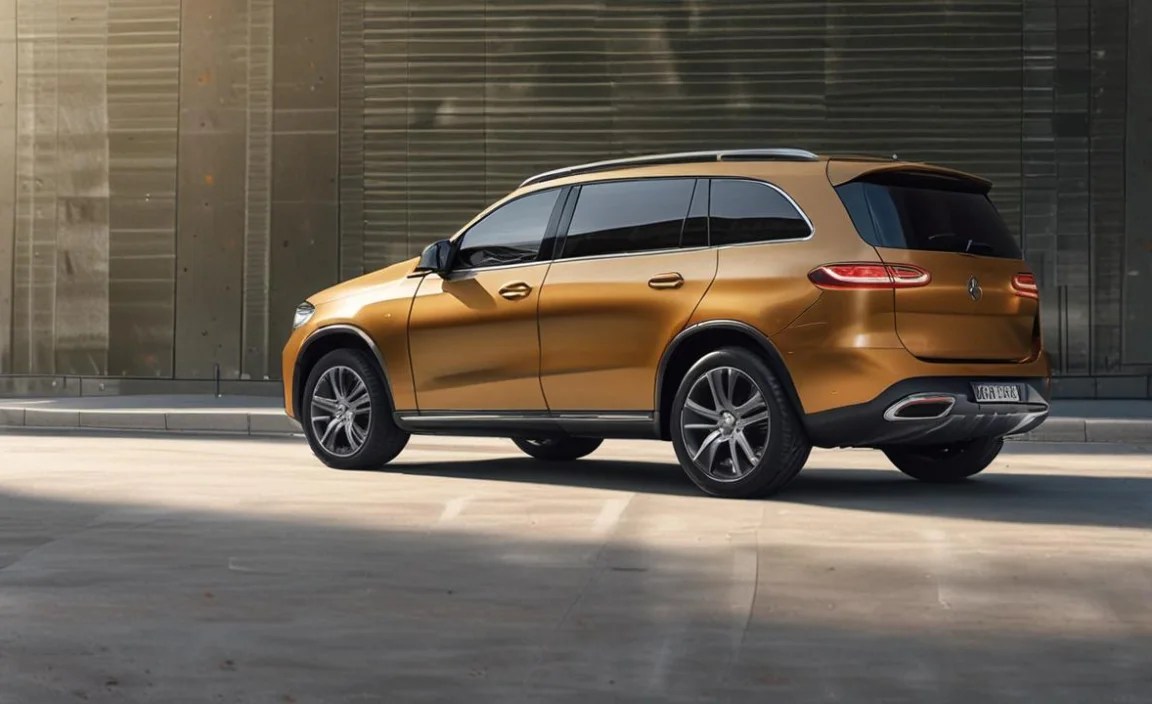
As a versatile MPV designed to carry passengers and cargo, the EQV can often have a variable load. The AIRMATIC system automatically adjusts the air springs to maintain a constant ride height, regardless of whether you’re carrying a light load or the maximum permissible weight. This ensures that the vehicle’s handling, braking, and headlight aim remain consistent and optimal, enhancing safety and driving predictability.
Adjustable Ride Height

In some configurations or models, AIRMATIC systems offer adjustable ride height. This can be beneficial for several reasons:
- Easier Entry and Exit: The vehicle can be lowered for passengers to step in and out more easily.
- Improved Aerodynamics and Efficiency: Lowering the vehicle at higher speeds can reduce drag, potentially improving the already impressive range of the EQV.
- Obstacle Clearance: Raising the ride height can provide extra clearance when navigating rougher terrain or speed bumps.
This adaptability adds a layer of practicality to the EQV, making it more versatile for various situations.
Reduced Noise, Vibration, and Harshness (NVH)

The sophisticated damping control and the inherent qualities of air springs contribute to a significant reduction in NVH. By absorbing many of the shocks and vibrations that would otherwise reach the cabin, the adaptive suspension helps create a quieter and more refined environment for occupants, a crucial factor in a luxury vehicle.
Adaptive Suspension Modes in the EQV

Many Mercedes-Benz models equipped with AIRMATIC suspension offer different driving modes, and the EQV is no exception. These modes allow the driver to tailor the suspension’s behavior to their preference or current driving situation. While specific mode names might vary slightly by model year and region, they typically fall into these categories:
Here’s how these modes generally translate:
| Mode | Suspension Characteristic | Primary Benefit |
|---|---|---|
| Comfort/Comfort+ | Softer damping, more compliance, higher priority on absorbing road impacts. Comfort+ may bias towards even softer settings or a slightly higher ride height for maximum smoothness. | Maximum ride comfort, ideal for long journeys, uneven roads, and passenger well-being. |
| Sport/Sport+ | Firmer damping, reduced body roll, more direct feedback. Sport+ might lower the vehicle slightly and further enhance responsiveness. | Improved handling, greater stability during dynamic driving, a more connected feel to the road. |
| Individual | Allows the driver to select their preferred suspension setting, often in combination with other vehicle dynamics (e.g., steering, powertrain). | Personalized driving experience tailored to specific preferences. |
Selecting the right mode can significantly alter the character of the EQV. For a relaxed family trip, ‘Comfort’ is the obvious choice. If you find yourself on a twisty road and want a more engaging drive, ‘Sport’ will provide a noticeable difference. The ability to switch between these characteristics makes the EQV exceptionally versatile.
Is the Adaptive Suspension Worth It on the EQV?

The question of whether a particular feature is “worth it” is subjective and depends heavily on individual priorities and budget. However, for a premium electric MPV like the Mercedes-Benz EQV, the AIRMATIC adaptive suspension system is widely considered a highly valuable, if not essential, upgrade or standard feature. Here’s why:
For the Driver:
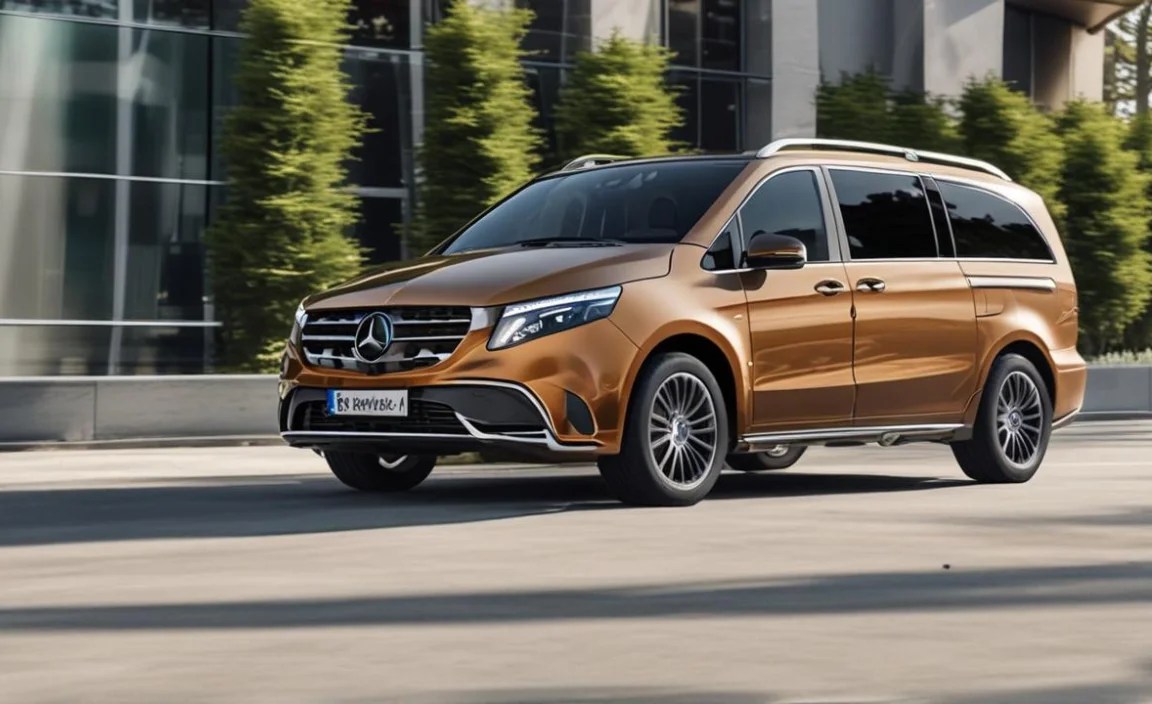
- Reduced Fatigue: A smoother ride means less driver fatigue on long trips.
- Increased Confidence: Improved stability and handling in various conditions lead to greater driving confidence.
- Enhanced Control: The ability to firm up the suspension when needed provides better control during demanding situations.
For the Passengers:
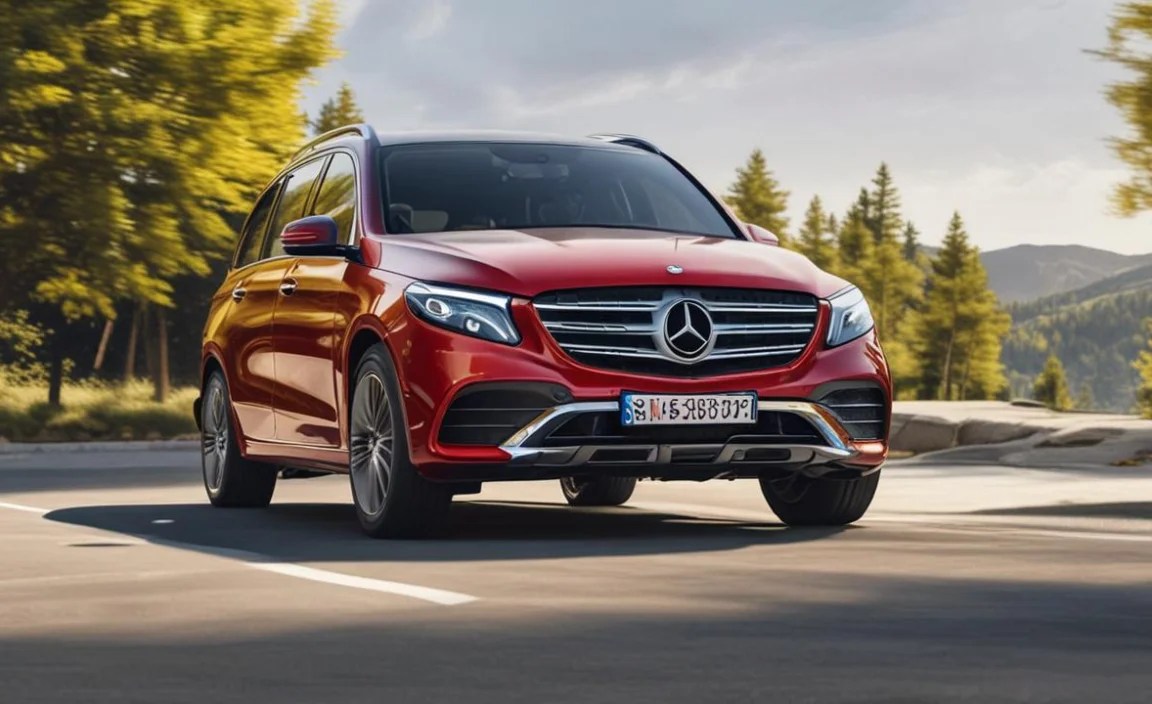
- Superior Comfort: Passengers experience a much smoother and more refined ride, with road imperfections largely absorbed.
- Reduced Motion Sickness: For those prone to travel sickness, the reduced bouncing and rolling can be a significant benefit.
- Luxury Experience: The overall sense of comfort and refinement contributes to the premium luxury experience expected from a Mercedes-Benz.
For Practicality:

- Consistent Performance: Load-leveling ensures consistent driving dynamics, irrespective of passenger or cargo load.
- Versatility: Adjustable ride height (if available) adds practical benefits for loading, unloading, and different driving environments.
Considering the EQV is positioned as a luxurious and technologically advanced vehicle, the adaptive suspension complements its core purpose perfectly. It elevates the passenger experience from merely transportation to true comfort and refinement, which is a hallmark of the Mercedes-Benz brand. For many buyers, the peace of mind and elevated experience it provides justify the cost.
Maintenance and Longevity of AIRMATIC Systems

Like any advanced automotive system, the AIRMATIC adaptive suspension requires some consideration regarding maintenance to ensure its longevity and continued optimal performance. Fortunately, modern AIRMATIC systems are designed for reliability and durability.
General Maintenance Tips:

- Regular Inspections: Have your suspension system inspected during routine service appointments. Technicians can check for leaks in the air springs, inspect air lines, and ensure the electrical components are functioning correctly.
- Cleanliness: Keep the area around the air springs and mounts clean. Dirt and debris can sometimes accelerate wear on seals and bellows.
- Avoid Overloading: While the system is designed for load-leveling, consistently exceeding the vehicle’s weight limits can put undue stress on the components.
- Professional Servicing: While basic checks can be done by a skilled DIYer, repairs or adjustments to the AIRMATIC system should ideally be performed by a qualified Mercedes-Benz technician. They have the specialized tools and diagnostic equipment needed. You can find information on Mercedes-Benz service intervals and recommendations on their official website.
Common Issues and Longevity:

While generally robust, AIRMATIC systems can, over time, encounter issues such as:
- Air Leaks: The most common issue over many years of service. Leaks can develop in the air springs or the hoses connecting them. Symptoms include the vehicle sagging on one corner, a constant compressor running, or the ride becoming noticeably stiffer.
- Compressor Failure: The air compressor provides the air for the system. If it fails, the suspension will not be able to adjust and may default to its lowest setting.
- Sensor Malfunctions: Faulty ride height sensors or accelerometers can send incorrect data to the control unit, leading to the suspension behaving erratically.
With proper care and professional attention when needed, AIRMATIC systems in Mercedes-Benz vehicles are known to last for many years and hundreds of thousands of miles. Modern advancements in materials and electronics have made them more reliable than earlier generations. As with any sophisticated engineered system, timely detection and resolution of minor issues can prevent more significant and costly repairs down the line.
Alternatives and Competitors

While the Mercedes-Benz EQV stands out, it’s not the only electric MPV or luxury van offering advanced suspension technology. Understanding the landscape helps appreciate the EQV’s position:
Other Electric MPVs/Vans:

The electric van segment is growing. Competitors might offer adaptive damping or advanced passive suspension systems, but fully adaptive air suspension like Mercedes’ AIRMATIC is less common, especially in the MPV form factor. Some electric larger vans focus more on load capacity and range, sometimes prioritizing simpler, more robust suspension setups. However, as the market matures, we may see more direct competitors offering similar comfort and handling technologies.
Internal Combustion Engine (ICE) Luxury MPVs:

In the ICE segment, vehicles like the Mercedes-Benz V-Class (which shares much of its platform with the EQV) or premium minivans from other brands often offer adaptive suspension options. These systems, while similar in principle, might be tuned slightly differently due to the inherent weight and driving dynamics of internal combustion engines versus electric powertrains.
What Makes EQV’s AIRMATIC Stand Out?

The integration within the EQV’s electric platform is key. The instant torque and quiet operation of electric powertrains are beautifully complemented by truly adaptive suspension. The system can be finely tuned to leverage the benefits of the electric drivetrain, such as the low center of gravity due to battery placement, to achieve an exceptional balance of comfort and dynamic capability. The comprehensive tuning by Mercedes-Benz engineers ensures a cohesive and luxurious experience that is hard to replicate.
Conclusion
The Mercedes-Benz EQV’s AIRMATIC adaptive suspension system is far more than just another optional extra; it’s a cornerstone of the vehicle’s promise of refined luxury, exceptional comfort, and dynamic composure. By intelligently managing air springs and electronically controlled dampers, it delivers a driving and riding experience that adapts seamlessly to the road and your needs.
From smoothing out the harshest bumps to providing a stable and confident feel when cornering, this system enhances every aspect of your journey. For families, business professionals, or anyone who values comfort and a premium driving experience in an electric MPV, the adaptive suspension is an essential component that justifies its inclusion. It exemplifies Mercedes-Benz’s commitment to technological innovation and passenger well-being, ensuring that every trip in the EQV is a pleasurable one.
Frequently Asked Questions (FAQ)
Is the adaptive suspension standard on all Mercedes-Benz EQV models?

Availability can vary by market and model year. Historically, adaptive suspension systems like AIRMATIC have often been offered as an optional upgrade or part of higher trim levels on many Mercedes-Benz vehicles. It’s always best to check the specific configuration or options list for the EQV model you are interested in to confirm its inclusion.
Can adaptive suspension be retrofitted to a car that didn’t come with it?

While technically possible in


