
Coupe Car Design Preview: Stunning & Effortless
Quick Summary:
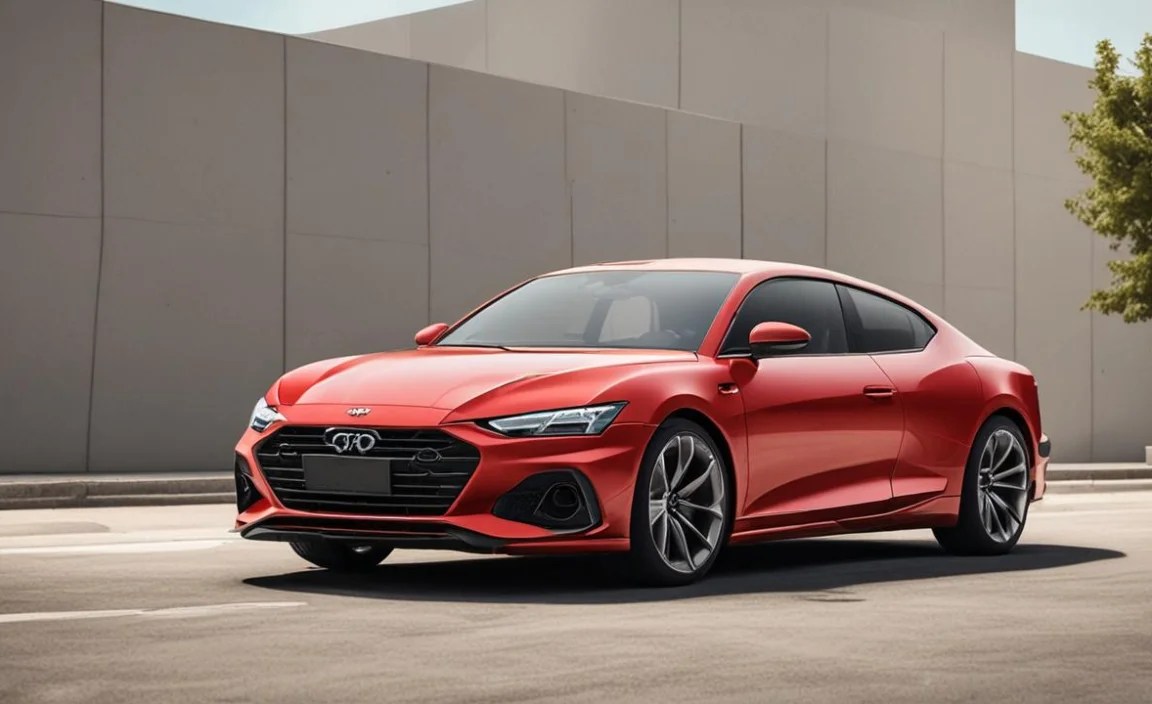
Coupe car design is all about sleek, sporty aesthetics. Expect a low-slung profile, a sloping roofline, and a generally athletic stance. This design prioritizes style and a dynamic driving feel, offering a visually striking and effortlessly cool presence on the road.
Coupe Car Design Preview: Stunning & Effortless
The allure of a coupe car is undeniable. It’s a design statement, a promise of performance, and a symbol of sophisticated style. But what truly makes a coupe design so captivating? This guide will break down the essential elements that define stunning and effortless coupe car design, making it easier for you to appreciate and understand these automotive masterpieces.
Whether you’re admiring a new model on the street or considering your next purchase, understanding the nuances of coupe design will deepen your appreciation for these iconic vehicles. Join me as we explore the principles that make coupe cars stand out with their unmistakable elegance and sportiness.
Understanding the Foundation: What Makes a Coupe a Coupe?

At its core, a coupe is a passenger car with a sloping roofline and usually two doors. While this is the basic definition, modern automotive design has evolved these principles to create a diverse range of stunning vehicles that embody both sportiness and luxury. The emphasis is often on a compact, aerodynamic silhouette that suggests speed and agility even when standing still.
The sloping roofline is perhaps the most defining characteristic. It typically starts its descent from just behind the front doors, sweeping gracefully towards the rear of the car. This distinguishes it from sedans, which maintain a more upright roofline for rear passenger headroom. The result is a sleeker, more dynamic profile that’s instantly recognizable.
Key Design Elements of a Stunning Coupe
Several key design elements work in harmony to create the “stunning and effortless” appeal of coupe cars. These aren’t just about aesthetics; they often contribute to the car’s aerodynamic performance and driving dynamics.
- Sloping Roofline: As mentioned, this is the hallmark. It creates a smooth, uninterrupted flow from the windshield to the trunk, giving the car a raked, athletic appearance.
- Two-Door Configuration: While not an absolute rule anymore (some manufacturers offer four-door coupes), the traditional coupe is a two-door vehicle, further emphasizing its sporty and often more personal nature.
- Low and Wide Stance: Coupes typically sit lower to the ground and often appear wider than their sedan counterparts. This enhances their aggressive look and contributes to better handling by lowering the center of gravity.
- Short Rear Overhang: The distance between the rear wheels and the bumper is often minimized, contributing to a compact and agile look. This can also improve the car’s agility in handling.
- Sculpted Body Panels: Modern coupe designs feature intricate lines and curves that play with light and shadow, adding depth and sophistication to the overall form. These are not just functional but artistic expressions.
- Emphasis on Aerodynamics: The smooth, flowing lines are not just for looks; they are carefully engineered to reduce drag and improve airflow, which is crucial for performance and efficiency.
- Elegant Proportions: Designers meticulously balance the length of the hood, cabin, and trunk to achieve a visually pleasing and harmonious silhouette.
These elements combine to create a car that looks poised, powerful, and undeniably stylish.
The Evolution of Coupe Design: From Classics to Contemporary

The concept of the coupe isn’t new. Its roots go back to the early days of automobiles, where designers sought to create more streamlined and sporting versions of existing models. Over the decades, the coupe has evolved significantly, reflecting changing tastes, technological advancements, and the pursuit of ultimate automotive aesthetics.
Early coupes were often more compact and less adorned than their larger counterparts. They focused on an intimate driving experience. As automotive technology advanced, so did the complexity and sophistication of coupe design. Think of the iconic American muscle cars of the 60s and 70s, or the sleek, futuristic designs that emerged in the late 20th century.
Milestones in Coupe Design
Several eras have significantly shaped our perception of coupe design:
- Pre-War Era: Simpler, more functional designs that paved the way for sportier interpretations.
- Post-War American “Fins”: While not exclusive to coupes, this era saw dramatic styling, with coupes adopting bold lines and chrome accents.
- The Muscle Car Era (1960s-70s): Characterized by aggressive stances, powerful engines, and often dramatic, muscular bodywork.
- European Sports Coupes (1970s-80s): Focus on precise engineering, aerodynamic efficiency, and refined luxury, exemplified by brands like Porsche and BMW.
- The “Four-Door Coupe” Revolution (2000s onwards): A controversial but popular trend where sedans adopted coupe-like styling, blurring the lines between body styles.
- Modern Era: Integration of advanced materials, LED lighting, and digital design tools, leading to increasingly sophisticated and personalized designs.
This evolution shows that while the core principles remain, the execution of coupe design is constantly being redefined.
Designing for Performance and Luxury

Coupe cars are often positioned as performance-oriented vehicles, and their design reflects this. Every curve, every line, is considered not just for its visual impact but also for its contribution to the car’s dynamics.
Aerodynamics plays a crucial role. A lower, sleeker profile reduces air resistance (drag), allowing the car to move through the air more efficiently. This benefits both speed and fuel economy. Features like integrated spoilers, diffusers, and carefully shaped underbodies are common. These aren’t just styling add-ons; they are functional components engineered to optimize airflow.
Weight distribution is another design consideration. Coupes often aim for a balanced weight distribution between the front and rear axles, which is ideal for handling and responsiveness. This can influence the placement of major components like the engine and drivetrain.
In the realm of luxury coupes, the design seamlessly blends performance aesthetics with premium materials and meticulous craftsmanship. The interior often mirrors the exterior’s elegance, featuring high-quality leather, brushed metals, and advanced infotainment systems. The goal is to create an experience that is both exhilarating to drive and supremely comfortable to occupy.
Exploring Different Coupe Archetypes
The term “coupe” is broad, encompassing a wide spectrum of styles and purposes. Understanding these archetypes can help you identify specific designs that appeal to you.
Performance Coupes
These are the quintessential sporty cars. They prioritize exhilarating driving dynamics, often featuring powerful engines, rear-wheel drive, and a driver-focused cockpit. Examples include the BMW M4 Coupe or the Porsche 911. Their design is aggressive, muscular, and aerodynamic.
Luxury Coupes
Combining performance capabilities with opulent interiors and cutting-edge technology, these coupes offer a refined driving experience. They often feature larger, more potent engines and sophisticated suspension systems. Think of models like the Mercedes-Benz E-Class Coupe or the Lexus LC 500. The design is elegant, sophisticated, and often graced with premium materials throughout.
Compact/Entry-Level Coupes
These coupes offer a taste of sporty styling and a more engaging drive at a more accessible price point. They might have smaller engines and fewer luxury features but still embody the coupe’s sleek form factor. Examples include the Toyota GR Supra or the BMW 2 Series Coupe. Design often focuses on sharp lines and a dynamic silhouette.
Grand Tourers (GT)
GT coupes are designed for comfortable, high-speed travel over long distances. They balance performance with luxury and practicality, often featuring more space in the rear than typical coupes and a more compliant ride. Models like the Aston Martin DB12 or the Bentley Continental GT exemplify this category. Their design is elegant, often with a long hood and a flowing, muscular body.
The Impact of Aerodynamics on Coupe Design

Aerodynamics is not just a buzzword in automotive design; it’s a fundamental principle, especially for coupes that often aim for high performance. The shape a car takes has a direct impact on how it interacts with the air as it moves, influencing everything from speed and fuel efficiency to stability and engine cooling.
Drag Reduction: The smooth, flowing lines of a coupe are designed to minimize air resistance. A lower coefficient of drag (Cd) means the engine has to work less to push the car through the air, leading to better fuel economy and higher top speeds. Consider the sleek, almost liquid-like surfaces of a modern sports coupe. This aesthetic is the result of extensive wind tunnel testing and computational fluid dynamics (CFD) analysis.
Downforce Generation: While reducing drag is important, many performance coupes also need to generate downforce. Downforce is a force that presses the car into the road, increasing tire grip and stability, especially at high speeds and during cornering. Elements like rear spoilers, diffusers (the part under the rear bumper), and carefully shaped underbodies are designed to manipulate airflow to create this effect. For instance, a well-designed rear diffuser can accelerate air exiting from under the car, creating a low-pressure zone that pulls the rear of the car down.
Cooling: The design of air intakes and exhaust outlets is also aerodynamically influenced. They need to efficiently channel air to cool the engine, brakes, and other critical components without creating unnecessary turbulence or drag. The placement and size of these openings are carefully calculated.
The principles of aerodynamics in Formula 1, while extreme, demonstrate the absolute importance of airflow in achieving peak performance. While road cars don’t typically feature the same extreme wings, the underlying concepts are applied with sophisticated precision.
Interior Design: The Coupe Experience
The interior of a coupe is as crucial to its identity as its exterior styling. It’s designed to complement the sporty, elegant exterior and offer a premium, driver-centric experience.
Driver-Focused Cockpit: The dashboard and controls are often oriented towards the driver, creating a sense of command and immersion. This can include angled center consoles, supportive sport seats, and a prominent driver’s display.
Premium Materials: Luxury coupes, in particular, use high-quality materials such as genuine leather, Alcantara, carbon fiber, brushed aluminum, and fine wood veneers. The fit and finish are impeccable, reflecting the car’s premium positioning.
Ergonomics and Comfort: Despite the sporty design, comfort is paramount. Seats are designed to provide support during spirited driving while remaining comfortable on longer journeys. Ambient lighting, advanced climate control, and sophisticated infotainment systems enhance the overall experience.
Aesthetic Cohesion: The interior design typically mirrors the exterior’s themes. If the exterior is sleek and minimalist, the interior will likely follow suit. If it’s more flamboyant, the interior will likely be equally expressive.
The balance between sporty ergonomics and luxurious comfort is what defines a successful coupe interior. It’s about creating a space that feels both exciting and refined.
Understanding Coupe Body Styles: Beyond the Two-Door
While the classic definition of a coupe implies two doors, the automotive landscape has evolved. Today, you’ll encounter variations that push the boundaries of this definition.
Traditional Two-Door Coupes
These are the pure form: two doors, a sloping roofline, and a sporty silhouette. They offer the most iconic coupe experience, often with a focus on agility and a driver-centric feel. They can range from compact sports cars to larger, more luxurious grand tourers.
Four-Door Coupes (Gran Coupes/Sportbacks)
This design trend, popularized in recent years, merges the sleek, sloping roofline of a coupe with the practicality of four doors. Manufacturers use various terms like “Gran Coupe,” “Sportback,” or simply “four-door coupe” to describe these vehicles. They offer easier rear-seat access and more passenger-friendly dimensions while retaining a coupe-like visual appeal. Brands that offer these include BMW (4 Series Gran Coupe) and Mercedes-Benz (CLA Coupe). The challenge in designing these vehicles lies in balancing the dramatic roofline with practical rear-door openings and headroom.
Fastbacks
A fastback is characterized by a single, continuous sloping roofline that extends all the way to the rear bumper. While many coupes feature a fastback-like profile, not all fastbacks are coupes (some sedans or hatchbacks can be fastbacks). The seamless flow from roof to tail is a key design element that adds to the aerodynamic and sporty look. The Ford Mustang is a classic example of a modern fastback coupe.
These variations highlight how designers adapt core coupe principles to meet evolving consumer needs and preferences, creating vehicles that are both stylish and functional.
Key Specifications to Look For in Coupe Design
When evaluating coupe car design, certain specifications can offer deeper insights into the design philosophy and intended performance. These numbers tell a story beyond just the visual appeal.
| Specification | Description | Typical Coupe Characteristics |
| :—————– | :————————————————————————————————————– | :——————————————————————————————— |
| Wheelbase | The distance between the center of the front and rear wheels. | Often shorter than sedans for agility, but can be longer in GTs for stability. |
| Overall Length | The total length of the vehicle from front to rear bumper. | Can vary widely, but often emphasizes compact proportions for sportiness or extended lines for GTs. |
| Height | The vertical distance from the ground to the highest point of the car. | Significantly lower than sedans, contributing to a lower center of gravity and sporty look. |
| Width | The distance between the car’s widest points, excluding mirrors. | Often wider than sedans to enhance stability and road presence. |
| Ground Clearance | The distance between the lowest point of the car’s chassis and the ground. | Very low, critical for aerodynamics and handling but requires caution over bumps. |
| Overhangs | The distance from the wheels to the front (front overhang) and rear (rear overhang) of the car. | Typically short, especially the rear overhang, to create a more compact and dynamic appearance. |
| Aerodynamic Coefficients | Cd (coefficient of drag) and CL (coefficient of lift) values. | Low Cd is essential for efficiency and speed. CL can be positive or negative for downforce. |
These figures, often found in technical specifications or automotive reviews, provide a quantitative understanding of how a coupe’s design translates into its on-road behavior and visual presence.
The Future of Coupe Design
The automotive world is constantly innovating, and coupe design is no exception. As we move towards greater electrification and advanced autonomous driving technologies, the future of the coupe holds exciting possibilities.
Electrification’s Influence: Electric powertrains offer new design freedoms. Batteries can be integrated into the floor, allowing for lower ride heights and even more dramatic styling. The absence of a traditional engine bay offers opportunities to rethink proportions. We’re already seeing electric coupes with incredibly sleek designs and innovative lighting signatures.
Material Science: The use of lighter, stronger materials like advanced composites and alloys will continue to influence shape and form, allowing for more complex and efficient designs. This also contributes to better performance and range in electric vehicles.
Connectivity and AI: While not directly visual, the integration of advanced technology will shape the user experience within the coupe. This could lead to more minimalist or reconfigurable interiors as physical controls become less necessary.
The essence of the coupe – its sporty silhouette, dynamic profile, and emphasis on style – is likely to endure. However, the


