
Coupe Car Reliability Review: Proven Luxury Perfected
Quick Summary:
Coupe car reliability, especially for luxury brands like Mercedes-Benz, is often excellent. Proven engineering, rigorous testing, and premium materials contribute to dependable performance. Regular maintenance is key to preserving this trusted luxury, ensuring a smooth and enjoyable driving experience for years to come.
Choosing a coupe means embracing a blend of exhilarating performance and sophisticated style. But when it comes to luxury coupes, a crucial question often arises: how reliable are they? Many fear that exquisite design and cutting-edge technology might come at the cost of dependability. This can be a frustrating thought for any car buyer. Rest assured, with the right approach and understanding, you can navigate the world of luxury coupe reliability with confidence. We’re here to break down what makes certain coupes stand out in terms of longevity and what you can expect.
Understanding Coupe Car Reliability

The term “reliability” in the automotive world generally refers to a vehicle’s ability to perform its intended functions without breakdowns or significant issues over time. For luxury coupes, this concept gains an extra layer of significance. These vehicles are often packed with advanced technology, powerful engines, and meticulously crafted interiors. Therefore, their reliability is a testament to superior engineering, high-quality materials, and robust manufacturing processes.
When we talk about coupe car reliability, we’re looking beyond just avoiding roadside failures. We’re considering the consistent performance of the engine, transmission, electrical systems, and the overall driving experience. A reliable luxury coupe will continue to offer its signature blend of sportiness and comfort, even after years of ownership and miles on the odometer. It’s about the peace of mind that comes with knowing your sophisticated machine is built to last.
Factors Influencing Luxury Coupe Reliability
- Engineering and Design: The fundamental blueprint of a vehicle plays a massive role. Reputable luxury brands invest heavily in research and development, designing components to withstand stress and wear beyond typical expectations.
- Material Quality: From engine components to interior trims, the quality of materials used directly impacts longevity. Premium materials are often more durable and resistant to degradation.
- Manufacturing Processes: Precision engineering and stringent quality control during manufacturing are critical. Even the smallest deviation can affect long-term reliability.
- Technology Integration: While advanced tech enhances the driving experience, its complexity can sometimes introduce potential failure points. However, luxury manufacturers often integrate these systems with a focus on durability.
- Maintenance History: This is arguably the most critical user-controlled factor. A vehicle, regardless of its inherent build quality, will suffer if not properly maintained.
Mercedes-Benz Coupes: A Benchmark in Reliability

When discussing premium automotive reliability, Mercedes-Benz consistently emerges as a leader, and their coupes are no exception. The brand’s commitment to “The Best or Nothing” isn’t just a slogan; it’s embedded in their engineering philosophy. Mercedes-Benz coupes, from the sporty C-Class Coupe to the elegant E-Class Coupe and the breathtaking CLS, are designed with long-term durability in mind.
These vehicles benefit from decades of automotive innovation and a deep understanding of what makes a car reliable. Mercedes-Benz employs rigorous testing protocols, often exceeding industry standards. Their powertrains are known for their robustness, and their sophisticated electronic systems, while complex, are engineered for stability. This dedication translates into a driving experience that remains refined and dependable mile after mile.
What Makes Mercedes-Benz Coupes Reliable?
- Advanced Powertrain Engineering: Mercedes-Benz engines and transmissions are built to high tolerances and undergo extensive durability testing. They are designed for smooth power delivery and longevity.
- Robust Chassis and Suspension: The underlying structure and suspension systems are engineered to handle diverse driving conditions, providing both comfort and stability over many years.
- Durable Interior Materials: High-quality leather, meticulously finished wood and metal trims, and durable plastics ensure the cabin retains its luxurious feel and function.
- Sophisticated, Tested Electronics: While modern cars have complex electronics, Mercedes-Benz focuses on reliability through extensive testing and redundancy in critical systems.
- Comprehensive Safety Systems: Features like advanced braking, stability control, and airbag systems are not only crucial for safety but also built with a high degree of reliability.
Exploring Popular Mercedes-Benz Coupe Models and Their Reliability

Let’s delve into some of the most sought-after Mercedes-Benz coupes and what owners can generally expect regarding their reliability. It’s important to remember that individual experiences can vary based on maintenance, driving habits, and specific model years.
Mercedes-Benz C-Class Coupe (C300, AMG C43, AMG C63)
The C-Class Coupe offers an accessible entry into the world of Mercedes-Benz luxury coupes. It strikes a balance between sportiness and everyday usability.
- C300: Typically powered by a turbocharged 2.0-liter inline-four engine, the C300 is known for being a reliable performer. Its powertrain is well-matched to the car’s size and weight, leading to less strain and thus, good long-term durability. Common areas to check would be routine maintenance items like filters, fluids, and brake wear.
- AMG C43: This model steps up the performance with a potent twin-turbocharged V6 engine. While more performance-oriented, the V6 is still a robust unit. Owners should be mindful of more frequent oil changes and keeping an eye on AMG-specific components. The general consensus is good reliability for its performance class.
- AMG C63: The C63, with its legendary hand-built AMG V8 engine, offers blistering performance. While an iconic engine, its high-output nature means it requires meticulous care. Regular servicing, especially to the engine oil and transmission fluid, is paramount. Some specific model years might have known issues, so researching specific production years is advisable. However, in terms of overall engineering for extreme performance, the V8 is a marvel of reliability when properly maintained.
Mercedes-Benz E-Class Coupe (E350, E450, AMG E53)
The E-Class Coupe represents a more refined and luxurious step up, offering a more spacious cabin and a smoother ride compared to the C-Class.
- E350/E450: These models feature smooth and powerful turbocharged inline-six engines (mild-hybrid in later models). These powertrains are renowned for their refinement and impressive reliability. The integration of mild-hybrid technology adds efficiency without significantly compromising durability, provided the hybrid components are serviced as per schedule.
- AMG E53: This performance variant utilizes a similar turbocharged inline-six with EQ Boost mild-hybrid technology as the E450 but tuned for significantly higher output. It provides exhilarating acceleration while maintaining Mercedes-Benz’s focus on robust engineering. The blend of performance and advanced technology is well-executed, leading to commendable reliability for a car of its caliber.
Mercedes-Benz CLS (CLS 450, AMG CLS 53)
The CLS is a four-door coupe that blends the sleek profile of a coupe with the practicality of a sedan. It’s positioned as a statement of style and performance.
- CLS 450: Sharing its powertrain with the E450, the CLS 450 is equipped with the turbocharged inline-six engine and EQ Boost mild-hybrid system. This combination is known for being very reliable and smooth, offering a refined driving experience suitable for long journeys.
- AMG CLS 53: This is the performance pinnacle of the non-V8 CLS line. It features the same sophisticated inline-six powertrain as the CLS 450 but with higher performance tuning. Owners report that this system is impressively reliable for its output, thanks to sophisticated thermal management and robust build quality.
Long-Term Reliability and Maintenance
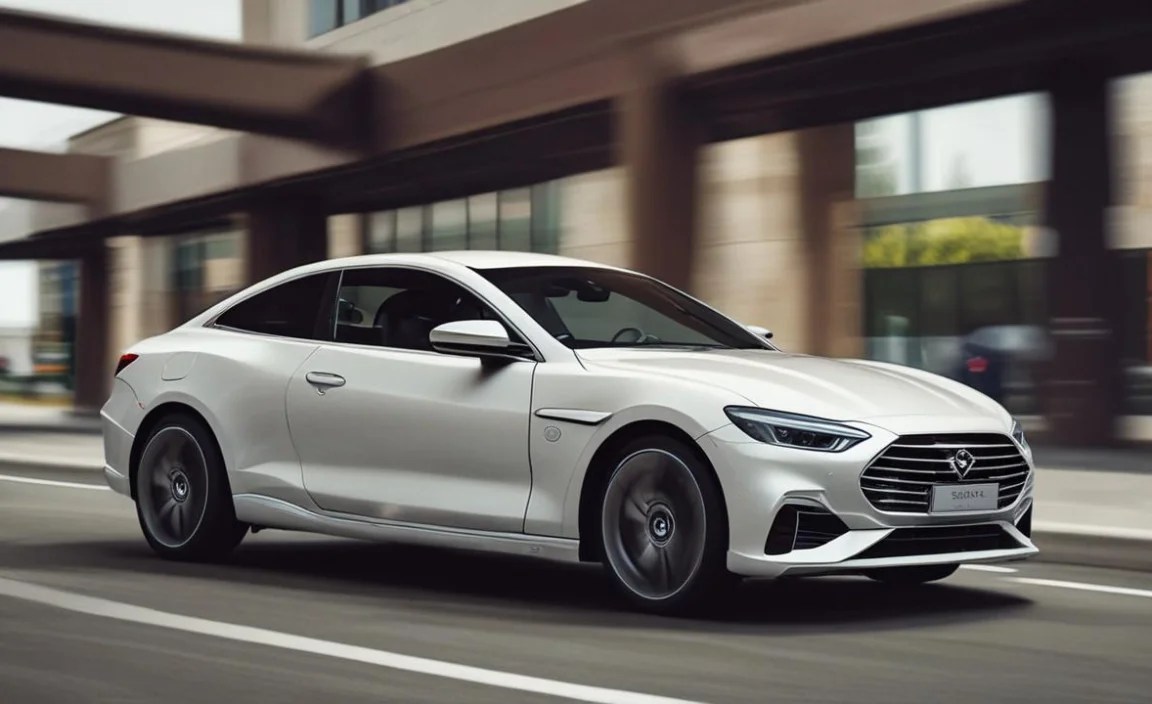
The proven luxury perfected in Mercedes-Benz coupes is directly linked to their long-term reliability, which is heavily influenced by diligent maintenance. These are sophisticated machines that require attention to detail.
Key Maintenance Practices for Coupe Reliability
- Adhere to the Factory Maintenance Schedule: This is the single most important factor. Mercedes-Benz provides a detailed service schedule for each model. Following this ensures that critical components are inspected, fluids are replaced, and potential issues are caught early. You can typically find your schedule in your owner’s manual or through a Mercedes-Benz dealership.
- Regular Oil Changes: Use the manufacturer-specified oil type and viscosity. For AMG models, consider more frequent oil changes due to higher operating temperatures and performance demands. Clean oil is crucial for engine longevity.
- Fluid Checks and Replacements: Beyond engine oil, other fluids like transmission fluid, brake fluid, coolant, and power steering fluid need periodic checks and changes. Refer to your service manual for intervals.
- Tire Rotation and Alignment: Proper tire maintenance ensures even wear and optimal handling. Regular rotations and alignment checks can prevent premature tire wear and contribute to a smoother ride.
- Brake System Inspection: Coupes often encourage spirited driving, meaning brake components can wear faster. Regular checks of brake pads and rotors are essential for safety and performance.
- Battery Health: Modern Mercedes-Benz vehicles are packed with electronics that can drain batteries. Ensuring your battery is healthy and holding a charge is important to prevent electrical gremlins.
- Software Updates: Mercedes-Benz vehicles rely on complex software for engine management, infotainment, and driver assistance systems. Keeping this software up-to-date through dealership visits can resolve bugs and improve performance and reliability. Visit the official Mercedes-Benz USA owner’s portal for more information on your specific model.
Common Wear-and-Tear Items
While luxury coupes are built to last, some components naturally wear out over time and use:
- Brake Pads and Rotors: As mentioned, these are consumables.
- Tires: Especially performance-oriented tires on performance coupes.
- Air Filters and Cabin Filters: Standard maintenance items affecting performance and air quality.
- Wiper Blades: Essential for visibility and need replacement periodically.
- Spark Plugs: Typically requiring replacement every 30,000-60,000 miles, depending on the engine.
Troubleshooting Common Issues
Even the most reliable vehicles can encounter minor issues. Here are a few common areas and how to approach them:
Infotainment System Glitches
Modern Mercedes-Benz vehicles feature sophisticated infotainment systems (like MBUX). Occasional glitches can occur. Often, a simple system reset (usually by holding down the power button for a specific duration) can resolve minor issues. If problems persist, a software update from a dealership might be necessary.
Minor Electrical Gremlins
With so many electronic modules, minor quirks can sometimes appear. These could range from a sensor fault light to an intermittent interior light. Diagnosis often requires specialized Mercedes-Benz diagnostic tools (like STAR/XENTRY). For minor issues, ensure all doors and windows are fully closed, as they communicate with various modules.
Engine Performance Changes
If you notice a decrease in power, rough idling, or unusual noises, it’s best to get it checked promptly. This could be due to anything from a faulty sensor to a clogged fuel injector. For DIYers comfortable with basic diagnostics, checking air and cabin filters can be a good first step. For anything more complex, professional diagnosis is recommended.
For those interested in performing their own maintenance and diagnostics, quality tools are essential. A good set of metric sockets and wrenches, along with a reputable OBD-II scanner that can read Mercedes-specific codes, can be invaluable. Brands like Bosch offer reliable diagnostic equipment for automotive professionals and advanced DIYers.
Coupe Car Reliability Review: A Comparative Look
While this review heavily emphasizes Mercedes-Benz due to their strong track record, it’s useful to understand how coupe reliability generally stacks up. Luxury coupes from brands like BMW, Audi, and Lexus also offer high levels of reliability, often employing similar strategies: robust engineering, premium materials, and advanced manufacturing.
However, Mercedes-Benz often distinguishes itself with a particularly strong emphasis on long-term durability and the refinement of its powertrains. The specific reliability ratings can vary by model year and reviewer, but Mercedes-Benz coupes consistently rank high in owner satisfaction and longevity studies when properly maintained.
Reliability Metrics and What They Mean
When you see reliability ratings, they often come from sources that track owner complaints, repair costs, and frequency of breakdowns. Some reputable sources include:
- Consumer Reports: Known for its extensive owner surveys and predictive reliability ratings.
- J.D. Power: Conducts studies on vehicle dependability and quality.
- RepairPal: Provides reliability ratings based on the frequency and cost of repairs.
According to various automotive analyses and owner surveys, Mercedes-Benz coupes, when well-maintained, often score well above average in reliability. For instance, models like the C-Class Coupe and E-Class Coupe are frequently cited for their dependable performance over the long haul. The key takeaway is that while all cars require maintenance, those from established luxury brands with a strong heritage tend to offer a more predictable and reliable ownership experience.
| Coupe Model Example | Typical Engine | General Reliability Outlook (with proper maintenance) | Key Maintenance Focus |
|---|---|---|---|
| Mercedes-Benz C300 Coupe | 2.0L Turbo-4 | Excellent | Routine fluid changes, filter replacements |
| Mercedes-Benz AMG C63 Coupe | 4.0L Twin-Turbo V8 | Very Good (requires meticulous care) | Frequent oil changes, transmission service, high-performance brake checks |
| Mercedes-Benz E450 Coupe | 3.0L Turbo-6 (Mild-Hybrid) | Excellent | Adherence to hybrid system service intervals, fluid checks |
| BMW 440i Coupe | 3.0L Turbo-6 | Very Good | Standard luxury car maintenance, e.g., oil changes, inspections |
| Audi A5 Coupe (45 TFSI) | 2.0L Turbo-4 | Very Good | Regular servicing, especially Quattro AWD system checks |
Is a Luxury Coupe Right for You?
The decision to invest in a luxury coupe hinges on your priorities. If you value style, performance, advanced technology, and a premium driving experience, and you’re prepared to commit to a structured maintenance plan, then a reliable luxury coupe can be an incredibly rewarding choice.
For those considering a Mercedes-Benz coupe, you’re investing in a legacy of engineering excellence. The “Proven Luxury Perfected” isn’t just a marketing phrase; it’s a descriptor of vehicles built with the intention of delivering exceptional performance and dependability over many years.
Remember to always do your due diligence. Research specific model years you’re interested in, check vehicle history reports if buying used, and ideally, have any pre-owned vehicle inspected by a qualified technician. Your dedication to maintenance will be the strongest predictor of your coupe’s long-term reliability and your overall satisfaction.
Frequently Asked Questions (FAQ)
How many miles can a reliable luxury coupe typically last?
A well-maintained luxury coupe, especially a Mercedes-Benz, can reliably last for 150,000 to 200,000 miles or even more. Crucial to this longevity is adhering strictly to the manufacturer’s recommended maintenance schedule and addressing any potential issues promptly.
Are Mercedes-Benz coupes more reliable than sedans?
Generally, the core mechanical components and engineering principles in Mercedes-Benz coupes and sedans are very similar. Reliability often depends more on the specific model, engine choice, and how well the vehicle has been maintained, rather than its body style.
What are the most common problems with luxury coupes?
Common issues can include electrical system glitches, infotainment quirks, and wear-and-tear items like brakes and tires due to spirited driving. However, for well-engineered vehicles like Mercedes-Benz, these are typically manageable with proper care and occasional specialized diagnostics.
Is it expensive to maintain a luxury coupe?
Yes, maintaining a luxury coupe is generally more expensive than a non-luxury vehicle. Parts and labor costs are higher. However, if you own a reliable model like a Mercedes-Benz and perform routine maintenance diligently, you can often avoid major, costly repairs.
Should I buy a used luxury coupe?
Buying a used luxury coupe can be a great way to get into a premium vehicle at a lower price. However, it’s critical to research the specific model’s reliability, get a pre-purchase inspection from a trusted mechanic specializing in luxury brands, and review its service history thoroughly.
What does “proven luxury perfected” mean in the context of car reliability?
It signifies that the luxury aspect of the vehicle is not just about aesthetics or features, but also about the proven dependability and long-term performance of its engineering and build quality. It suggests a refinement of luxury that


