
Coupe Car Made in Germany: Ultimate Performance
German coupe cars consistently deliver ultimate performance through meticulous engineering, advanced aerodynamics, and powerful drivetrains. Brands like Mercedes-Benz, BMW, and Audi are renowned for their dynamic handling, luxurious interiors, and exhilarating driving experiences, blending sportiness with everyday usability.
Driving a German coupe is an experience many car enthusiasts dream about. These striking machines offer a blend of head-turning style and exhilarating performance. But what makes a coupe car made in Germany stand out as the epitome of ultimate performance? It’s not just about raw power; it’s a symphony of advanced engineering, precise handling, and luxurious comfort that German automakers have perfected over decades. If you’ve ever wondered what sets these vehicles apart, or if you’re considering one for yourself, you’ve come to the right place. We’ll break down the key elements that define German coupe performance, making them a benchmark in the automotive world.
The Quintessential German Coupe: What Defines Ultimate Performance?

When we talk about “ultimate performance” in a German coupe, we’re not just referring to straight-line speed. It’s a holistic package that excites the driver and inspires confidence on every road. This package is built on several core pillars that German manufacturers have honed to perfection.
Engineering Excellence: The Foundation of German Performance
German automotive engineering is legendary. Companies like Mercedes-Benz, BMW, and Audi invest heavily in research and development, pushing the boundaries of what’s possible in vehicle design and construction.
Chassis Design: A rigid and well-balanced chassis is crucial for precise handling. German engineers use high-strength steel and aluminum alloys to create lightweight yet incredibly strong structures. This allows for better suspension response and improved stability during cornering.
Suspension Systems: From adaptive dampers to sophisticated multi-link setups, German coupes feature suspension systems designed for both sporty agility and comfortable cruising. They can adapt to different road conditions, ensuring optimal grip and a refined ride.
Aerodynamics: Sleek lines aren’t just for looks. German coupes are meticulously sculpted in wind tunnels to optimize airflow. This reduces drag, increases downforce for better stability at high speeds, and can even contribute to fuel efficiency. For instance, the subtle spoilers and diffuser elements found on many models play a significant role in their high-speed poise.
Powertrain Prowess: More Than Just Horsepower
The heart of any performance car is its engine, and German manufacturers have a rich heritage of creating potent and refined powerplants.
Engine Technology: Expect advanced technologies like direct injection, turbocharging, and variable valve timing. These innovations allow engines to produce impressive power and torque while maintaining a relatively efficient fuel economy and meeting strict emissions standards.
Transmission Choices: Whether it’s a lightning-fast dual-clutch transmission (DCT) or a buttery-smooth automatic, German gearboxes are engineered for performance. They offer rapid gear changes, seamless power delivery, and often include manual modes for driver engagement.
Drivetrain Layout: While rear-wheel drive (RWD) is a classic choice for sporty coupes due to its balanced handling characteristics, many German brands also offer all-wheel-drive (AWD) systems. These systems, like Audi’s quattro or Mercedes-Benz’s 4MATIC, can significantly enhance traction and stability, particularly in adverse weather conditions, without sacrificing too much of the sporty feel. You can read more about the benefits of AWD on the National Highway Traffic Safety Administration (NHTSA) website.
Driving Dynamics: The Thrill of the Drive
It’s the combination of these elements that creates the engaging driving experience so characteristic of German coupes.
Handling and Agility: German coupes are renowned for their sharp steering response, minimal body roll in corners, and predictable behavior. The engineering focuses on making the car feel like an extension of the driver’s will.
Braking Performance: Powerful and responsive brakes are essential for performance driving. German coupes typically feature large, high-performance brake systems that provide confident stopping power lap after lap or during spirited drives.
Driver Engagement: Beyond the raw numbers, German engineers pay close attention to the feedback the driver receives. The steering wheel, pedals, and seat all work together to keep the driver connected to the road and the car’s performance.
Iconic German Coupe Models and Their Performance DNA

Germany is home to several manufacturers renowned for their performance coupes. Let’s look at some of the most celebrated examples and what makes them special.
Mercedes-Benz: The Pinnacle of Luxury Performance
Mercedes-Benz coupes are synonymous with sophisticated performance, blending cutting-edge technology with luxurious comfort.
C-Class Coupe/E-Class Coupe: These models offer a refined driving experience, balancing sporty dynamics with the brand’s signature comfort. They are excellent choices for those who want performance they can enjoy daily.
AMG GT: This is pure sports car. Designed from the ground up by Mercedes-AMG, the GT line represents the pinnacle of Mercedes-Benz performance coupes. With potent V8 engines, dramatic styling, and track-inspired handling, it’s built for exhilarating driving.
CLE Coupe: Representing the latest in Mercedes-Benz coupe design, the CLE bridges the gap between former C-Class and E-Class Coupe segments, offering cutting-edge technology and a refined athletic presence.
BMW: The Ultimate Driving Machine
BMW has long been associated with sporty driving dynamics, and their coupes are a testament to this philosophy.
2 Series Coupe: A compact and agile coupe that embodies the classic BMW driving feel. It’s often lauded for its balanced chassis and engaging handling.
4 Series Coupe: Offering a sportier alternative to the 3 Series sedan, the 4 Series coupe provides sharper dynamics, distinctive styling, and powerful engine options.
8 Series Coupe: The flagship coupe from BMW, the 8 Series combines potent performance with grand touring luxury. It’s designed for high-speed cruising and dynamic driving with effortless power.
Audi: Sporty Sophistication and quattro Grip
Audi coupes are known for their elegant design, advanced technology, and the exceptional grip provided by their quattro all-wheel-drive system.
A5 Coupe: A stylish and competent coupe that strikes a balance between performance and everyday usability. Its well-appointed interior and smooth ride make it a pleasure.
TT Coupe: An icon of modern automotive design, the TT is celebrated for its unique styling, agile handling, and compact, sporty character. Sadly, production has ceased, making it a desirable collector’s item.
R8 Coupe: Audi’s supercar, the R8, is a masterpiece of engineering. With its mid-engine layout, potent V10 engine, and optional quattro system, it offers exotic car performance in a sophisticated package.
Here’s a quick comparison of some popular German performance coupes:
| Model | Engine Type (Typical) | Drivetrain | Performance Focus | Key Feature |
|---|---|---|---|---|
| Mercedes-AMG GT | V8 Bi-Turbo | RWD | Track-focused, exhilarating | Hand-built AMG engines, advanced aerodynamics |
| BMW M4 Coupe | Inline-6 Turbocharged | RWD (Optional xDrive AWD) | Balanced performance, driver engagement | Legendary M chassis tuning, potent engine |
| Audi RS5 Coupe | V6 Bi-Turbo | AWD (quattro) | All-weather performance, sophisticated power | quattro AWD grip, refined interior |
| Mercedes-Benz CLE Coupe | Inline-4/Inline-6 Turbocharged | RWD (Optional 4MATIC AWD) | Luxury sport, advanced tech | Cutting-edge MBUX infotainment, dynamic styling |
| BMW 4 Series Coupe | Inline-4/Inline-6 Turbocharged | RWD (Optional xDrive AWD) | Sporty GT, everyday driving | Balanced handling, modern BMW design |
Key Performance Technologies in German Coupes

German manufacturers are at the forefront of automotive technology, constantly innovating to enhance performance, safety, and the driving experience.
Dynamic Drive Control and Selectable Driving Modes
Most German performance coupes offer multiple driving modes, allowing the driver to tailor the car’s characteristics to their preference or driving conditions.
Comfort Mode: Prioritizes a smooth ride, relaxed steering, and gentle throttle response for everyday driving.
Sport Mode: Sharpens throttle response, stiffens the suspension, firms up steering, and alters transmission shift points for a more dynamic feel.
Sport+ Mode: An even more aggressive setting, often disabling traction aids further or allowing for greater wheel slip, and delivering the most responsive engine and transmission behavior.
Individual Mode: Allows drivers to customize specific parameters independently.
Advanced Drivetrain Technologies
Beyond basic RWD and AWD, German engineers employ sophisticated systems to maximize traction and performance.
Active Differentials: Limited-slip differentials (LSDs), particularly electronically controlled ones, can dynamically distribute torque between the rear wheels. This improves traction out of corners and enhances stability.
Torque Vectoring: Some advanced systems can brake individual wheels or send more power to the outside wheels in a turn, helping to rotate the car and improve cornering agility.
Performance Exhaust Systems: Often featuring active flaps, these systems can alter the exhaust note, making it deeper and more aggressive in sportier modes, while remaining quieter in comfort settings.
Driver Assistance and Performance Aids
While not directly part of the ‘driving performance’ in terms of speed, these technologies enhance safety and allow drivers to push limits more confidently.
Launch Control: Found on many high-performance models, this system optimizes engine and transmission settings for the quickest possible acceleration from a standstill.
Adaptive Cruise Control: Maintains a set speed and distance from the vehicle ahead, reducing driver fatigue on long journeys.
Lane Keeping Assist: Helps to keep the vehicle centered within its lane, providing an extra layer of safety.
You can learn more about advanced driver-assistance systems (ADAS) on the official U.S. Department of Transportation site.
Aerodynamics: The Unsung Hero of Performance

Aerodynamics plays a critical role in the performance and stability of any high-speed vehicle, and German coupes are masters of this discipline. It’s not just about making the car look sleek; it’s about managing the air that flows around and through the vehicle.
Reducing Drag for Speed and Efficiency
Drag is the resistance force air exerts on a moving vehicle. Lowering drag allows the car to reach higher speeds with the same amount of power and improves fuel efficiency.
Smooth Underbody: Many performance coupes have flat, enclosed underbodies to smooth airflow beneath the car.
Active Aerodynamics: Some high-performance models feature active elements like retractable spoilers or adjustable front splitters that deploy at higher speeds to optimize downforce and reduce drag.
Flush Surfaces: Designers work to make components like door handles and mirrors as flush with the body as possible to minimize air disturbance.
Generating Downforce for Stability
While reducing drag is important, generating downforce is crucial for keeping the car planted on the road at high speeds, especially during cornering.
Spoilers and Wings: Carefully designed rear spoilers or wings can dramatically increase downforce. The angle and shape are critical for performance.
Diffusers: The rear section of the underbody, known as the diffuser, helps to accelerate air exiting from under the car, creating a low-pressure area that pulls the car down.
Front Splitters: These extensions at the front of the car can help manage airflow and create downforce.
The interplay between drag reduction and downforce generation is a delicate balancing act perfected by German engineers in their coupe designs.
Interior Design and Driver Focus
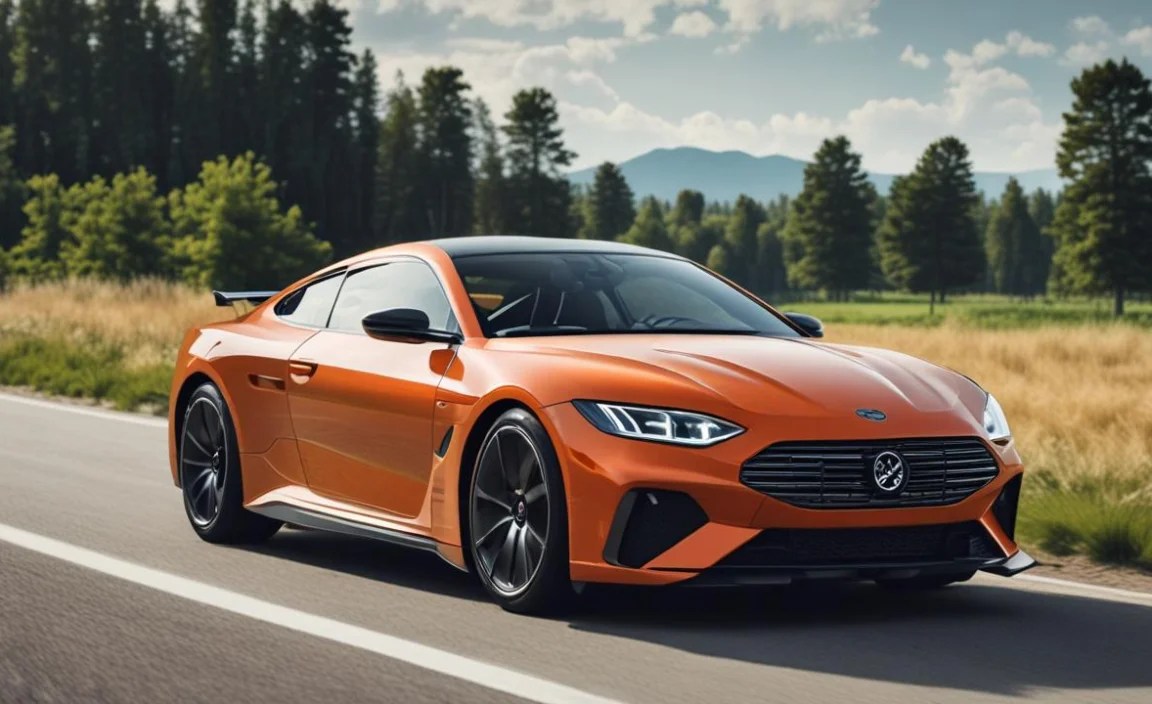
The performance of a car isn’t just about what it does on the outside; it’s also about how it makes the driver feel inside. German coupes excel at creating driver-focused cockpits that are both luxurious and functional.
Ergonomics and Driver Position
Sport Seats: Supportive seats with ample bolstering hold the driver firmly in place during spirited driving.
Adjustability: A wide range of adjustability for seats and steering wheels ensures drivers of all sizes can find an optimal driving position.
Pedal Placement: German engineers pay close attention to the distance and positioning of the pedals, facilitating smooth heel-and-toe downshifts for manual transmission enthusiasts.
Materials and Craftsmanship
Luxury is a hallmark of German automotive interiors. Expect high-quality materials and meticulous attention to detail.
Premium Leathers and Woods/Metals: Surfaces are often finished with supple leather, real wood veneers, or brushed aluminum and genuine carbon fiber trim.
Intuitive Layout: Controls are typically placed within easy reach, and the dashboard design often emphasizes the driver.
Advanced Infotainment: State-of-the-art infotainment systems, like Mercedes-Benz’s MBUX or BMW’s iDrive, provide seamless connectivity, navigation, and entertainment without being overly distracting.
The Driving Experience: Connecting Car and Driver
Ultimately, the performance of a German coupe comes down to the feeling it provides.
Steering Feel: Direct, communicative steering that relays road texture and intended direction with precision.
Engine Sound: A satisfying engine note that enhances the driving experience, often tunable with exhaust systems.
* Balanced Dynamics: The car feels stable and predictable, allowing the driver to explore its capabilities with confidence.
Understanding what makes a German coupe perform at its best can help you appreciate these vehicles more, whether you’re an owner or an admirer.
FAQ: Understanding German Performance Coupes
What is the main advantage of German coupe car engineering?
The primary advantage lies in their holistic approach, combining precise engineering, advanced aerodynamics, potent yet refined powertrains, and a focus on driver engagement to deliver exceptional performance, handling, and luxury.
Are German performance coupes good for daily driving?
Yes, many German performance coupes are designed with dual-purpose capability. While offering exhilarating performance, they also incorporate comfort-oriented features and advanced technology to make them suitable for daily commuting and long journeys.
What does “4MATIC” or “quattro” mean on a German coupe?
These are brand-specific terms for sophisticated all-wheel-drive (AWD) systems. They enhance traction and stability by distributing power to all four wheels, improving performance in various driving conditions, especially slippery surfaces.
How important is aerodynamics for a German coupe’s performance?
Aerodynamics is crucial. It helps reduce drag for higher top speeds and better efficiency, while also generating downforce to keep the car stable and planted at high speeds, particularly during cornering, enabling more aggressive driving.
Are German coupes reliable?
German luxury brands, while complex, generally offer good reliability, especially with proper and timely maintenance. However, specialized maintenance and repairs can sometimes be more costly than for non-luxury vehicles. It’s important to follow the manufacturer’s recommended service schedule.
What is the difference between a Mercedes-Benz AMG GT and a C-Class Coupe?
The AMG GT is a dedicated, high-performance sports car engineered for maximum performance and track capability, often featuring a more potent engine and more aggressive chassis tuning. The C-Class Coupe offers a more balanced blend of sporty driving and everyday luxury.
Are performance coupes made in Germany expensive to maintain?
Generally, yes. Performance-oriented vehicles, especially those from luxury German manufacturers, often require specialized parts and service, which can lead to higher maintenance and repair costs compared to more common passenger cars.
Conclusion: The Enduring Appeal of German Coupe Performance
German coupe cars represent a compelling fusion of automotive artistry and engineering prowess. They consistently set benchmarks for ultimate performance, not just through raw power, but through a sophisticated integration of chassis dynamics, aerodynamic efficiency, powertrain refinement, and luxurious driver-centric interiors. Brands like Mercedes-Benz, BMW, and Audi have cultivated a legacy of creating vehicles that are both exhilarating to drive and a pleasure to own.
Whether you’re drawn to the track-bred aggression of an AMG GT, the balanced sportiness of a BMW M-badged coupe, or the sophisticated grip of an Audi quattro, the commitment to ultimate performance is evident. These cars offer an unparalleled driving experience, delivering confidence-inspiring handling, responsive acceleration, and a tangible connection between driver and machine. They are a testament to German engineering’s dedication to pushing the boundaries of automotive excellence, offering a driving experience that continues to captivate enthusiasts worldwide. Owning or driving one is an entry into a world where performance, luxury, and cutting-edge technology converge seamlessly.


