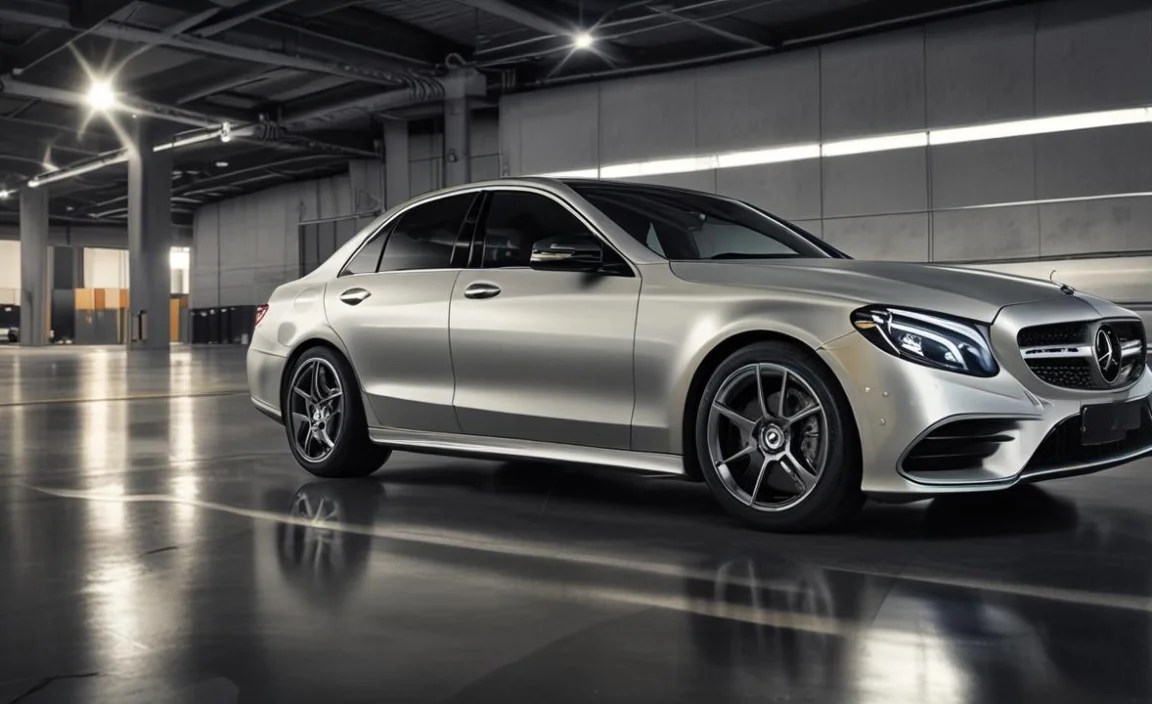
Mercedes-Benz Fuel Efficiency Technologies: Effortless Power
Mercedes-Benz engineers cutting-edge technologies to maximize fuel efficiency without sacrificing the exhilarating performance and comfort you expect. Experience effortless power that’s smarter and more economical.
Owning a Mercedes-Benz is a dream for many, blending unparalleled luxury with dynamic driving experiences. However, a common question that surfaces for new owners, and even seasoned enthusiasts, is how such powerful vehicles manage to be fuel-efficient. It can seem like a paradox: how can a car deliver potent acceleration and a smooth, refined ride while also being kind to your wallet at the pump and the environment? This is where Mercedes-Benz’s dedication to innovation truly shines. Forget the notion that efficiency means compromise; Mercedes-Benz has mastered the art of combining spirited performance with intelligent fuel-saving strategies. In this guide, we’ll demystify the advanced technologies that make this possible, helping you understand and appreciate the smart engineering under the hood of your Mercedes-Benz. Get ready to discover how effortless power meets exceptional economy.
Mercedes-Benz Fuel Efficiency Technologies: A Symphony of Engineering

Mercedes-Benz has a long-standing commitment to pushing the boundaries of automotive engineering, and fuel efficiency is a cornerstone of their philosophy. It’s not just about meeting regulations; it’s about enhancing the driving experience and providing sustainable luxury. This commitment is evident in the diverse array of technologies woven into their vehicle lineup, from compact sedans to robust SUVs. These systems work in harmony, often invisibly, to optimize every drop of fuel, ensuring that the power you feel is delivered with maximum effectiveness.
The Heart of Efficiency: Advanced Powertrains

At the core of any vehicle’s fuel consumption are its engine and transmission. Mercedes-Benz has invested heavily in developing powertrains that are both powerful and incredibly efficient. This involves a multi-faceted approach, focusing on combustion, friction reduction, and intelligent power delivery.
1. Turbocharging for Enhanced Power and Economy

Turbochargers are no longer just for sports cars. Mercedes-Benz utilizes advanced turbocharging technology across its range to maximize the power output of smaller, more efficient engines. A turbocharger uses exhaust gases to spin a turbine, which in turn forces more air into the combustion chamber. More air means more fuel can be injected, leading to a significant power boost without needing a larger, thirstier engine.
- How it Works: Exhaust gases spin a turbine, which drives a compressor.
- Benefit: Enables smaller engines to produce power comparable to larger naturally aspirated engines.
- Fuel Saving: Allows drivers to use smaller displacement engines, which are inherently more fuel-efficient during normal driving conditions.
2. Direct Injection Systems (BlueDIRECT)

Mercedes-Benz’s BlueDIRECT technology is a prime example of sophisticated engine management. Direct injection precisely sprays fuel directly into the combustion chamber, rather than into the intake manifold. This allows for more accurate fuel metering, optimal atomization, and improved combustion, especially under varying loads.
- Precision Fueling: Fuel is injected directly into the cylinder.
- Improved Combustion: Leads to more complete burning of fuel and reduced emissions.
- Enhanced Efficiency: Achieves higher power output with less fuel consumption.
3. Advanced Transmission Technologies

The transmission plays a critical role in keeping the engine in its most efficient operating range. Mercedes-Benz employs advanced automatic transmissions that offer more gears and faster, smoother shifts.
- 9G-TRONIC (9-Speed Automatic): With nine forward gears, the 9G-TRONIC allows the engine to operate at lower, more fuel-efficient RPMs for longer periods, especially during cruising. The wider gear ratio spread also provides greater flexibility for acceleration.
- Dual Clutch Transmissions (DCT): Found in performance models, especially AMG, DCTs offer lightning-fast shifts with minimal interruption to power delivery. While optimized for performance, they also contribute to efficiency by reducing drivetrain losses and enabling quicker upshifts.
4. Variable Valve Timing and Lift

This technology adjusts the timing and duration of the engine’s intake and exhaust valves opening and closing. By optimizing these parameters, the engine can breathe more efficiently across different speed and load conditions, improving both power delivery and fuel economy.
- Optimized Breathing: Engine valves adjust timing and lift for peak performance and efficiency.
- Adaptability: Works seamlessly whether you’re accelerating, cruising, or idling.
Aerodynamics: Sculpting the Air for Efficiency

A significant amount of energy is spent overcoming air resistance, especially at higher speeds. Mercedes-Benz designers and engineers meticulously refine the exterior shape of their vehicles to minimize drag. This involves extensive use of wind tunnels and computational fluid dynamics (CFD) to create vehicles that slice through the air as efficiently as possible.
- Underbody Paneling: Smooth panels under the car reduce turbulence and drag.
- Active Grille Shutters: On some models, these shutters open to allow cooling air when needed and close at cruising speeds to improve aerodynamics. Learn more about how aerodynamics contribute to vehicle design from SAE International’s resources on vehicle aerodynamics.
- Aerodynamically Optimized Wheels: Wheel designs are often scrutinized for their impact on airflow.
- Careful Wind Tunnel Testing: Every curve and line is engineered to reduce the coefficient of drag (Cd).
Intelligent Drivetrain Management: Beyond the Engine

Fuel efficiency isn’t just about the engine itself; it’s about how power is put to the wheels and how the vehicle conserves energy.
5. ECO Start/Stop Function
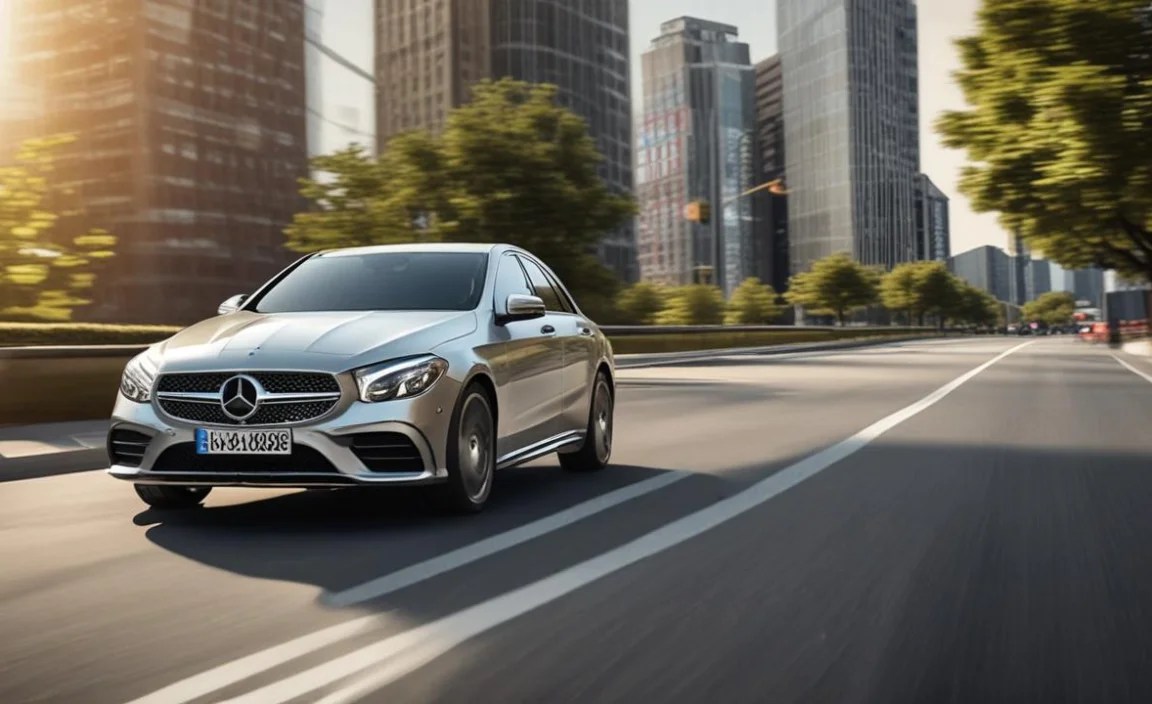
A common feature in modern Mercedes-Benz vehicles, the ECO Start/Stop function automatically shuts off the engine when the vehicle is stationary (e.g., at a traffic light or in stop-and-go traffic). The engine restarts instantly and smoothly when the driver releases the brake pedal or engages the clutch. This eliminates fuel consumption during idle periods, which can accumulate significantly over time.
- How it Works: Engine shuts off when stationary, restarts automatically.
- Fuel Savings: Reduces wasted fuel during idle.
- User Control: Can often be activated or deactivated via a button on the dashboard.
6. Recuperation (Brake Energy Regeneration)

While more prominent in hybrid and electric vehicles, aspects of energy recuperation are also integrated into the broader Mercedes-Benz strategy. In conventional internal combustion engine (ICE) vehicles, this might refer to systems that optimize alternator load to recapture energy during deceleration. In mild-hybrid systems (like EQ Boost), the starter-generator can capture kinetic energy during braking and coasting, storing it in a small battery to later assist the engine or power auxiliary systems.
7. DYNAMIC SELECT Drive Modes
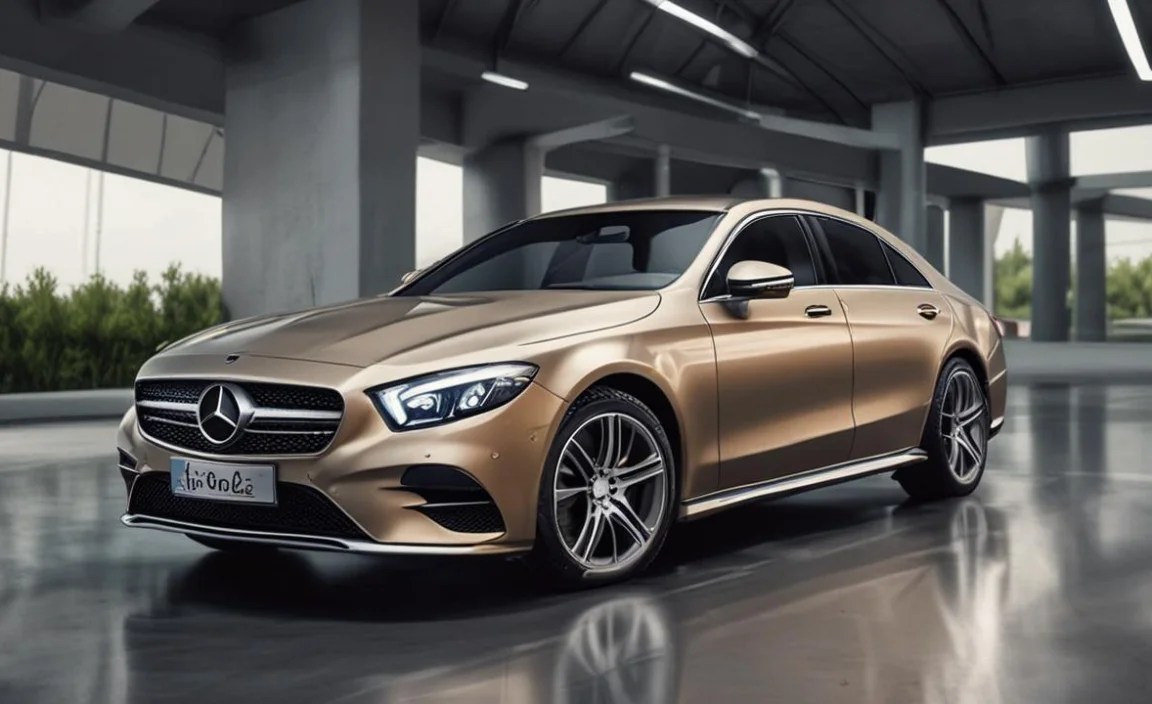
Mercedes-Benz’s DYNAMIC SELECT system allows drivers to choose different driving modes that alter the behavior of the engine, transmission, steering, and suspension. Modes like “ECO” are specifically tuned to prioritize fuel efficiency by:
- Adjusting throttle response for smoother acceleration.
- Optimizing transmission shift points to keep the engine at lower RPMs.
- Reducing the power draw of climate control systems.
This gives the driver direct control over how their vehicle prioritizes performance versus economy.
Weight Reduction and Material Science

Every kilogram saved contributes to better fuel efficiency. Mercedes-Benz employs lightweight yet strong materials in its vehicle construction.
- High-Strength Steel: Used strategically in the body structure for safety and rigidity while minimizing weight.
- Aluminum: Components like hoods, doors, and suspension parts are often made from aluminum, which is significantly lighter than steel.
- Carbon Fiber: Increasingly used in performance models (especially AMG) for its exceptional strength-to-weight ratio in structural components and body panels.
Tire Technology
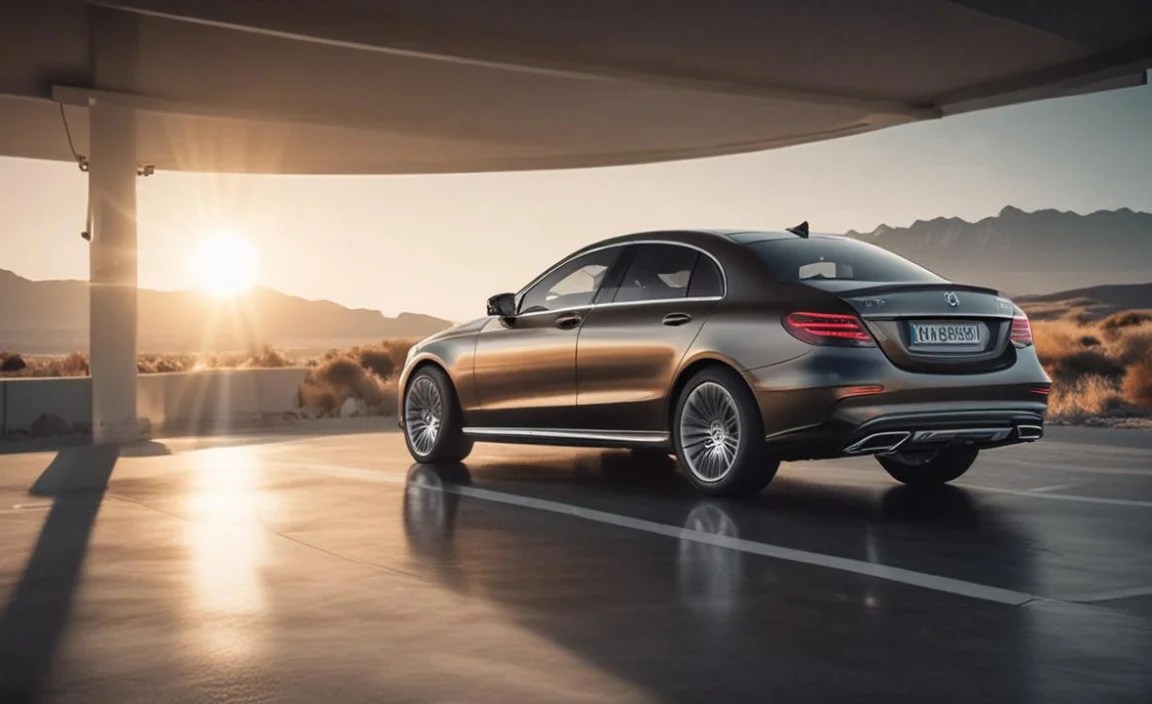
The tires are the car’s only contact with the road, and their design has a notable impact on fuel economy. Mercedes-Benz often specifies low rolling resistance tires. These tires are engineered to require less energy to roll, reducing the effort the engine needs to exert.
- Reduced Friction: Tires designed for lower rolling resistance.
- Fuel Economy Benefit: Less work for the engine means less fuel burned.
- Compromise Management: Manufacturers carefully balance rolling resistance with grip and wear characteristics.
Specific Mercedes-Benz Technologies Explained

Let’s dive a bit deeper into some of the specific names and systems you’ll find on Mercedes-Benz vehicles contributing to their efficiency.
EQ Boost (Mild-Hybrid Technology)

Many modern Mercedes-Benz gasoline engines feature EQ Boost, a 48-volt mild-hybrid system. This isn’t a full hybrid that can drive on electric power alone, but it significantly enhances efficiency and performance.
- Integrated Starter-Generator (ISG): Replaces the traditional alternator and starter motor.
- Functions:
- Power Assist: Provides an electric torque boost during acceleration, allowing the engine to operate at lower RPMs and reducing fuel consumption.
- Energy Recuperation: Captures energy during deceleration and braking.
- Smooth Start/Stop: Enables seamless engine start-ups and efficient idle stop.
- Electric Driving: Can power auxiliary systems (like air conditioning) while the engine is off.
- Benefit: Smoother, more responsive driving with improved fuel economy, especially in mixed driving conditions. It also enhances comfort by reducing engine vibrations.
4MATIC All-Wheel Drive Efficiency

While often associated with enhanced traction and performance, Mercedes-Benz’s 4MATIC all-wheel-drive systems have also been engineered for greater efficiency. Lighter-weight designs and optimized power distribution mean that the fuel economy penalty for AWD is significantly reduced compared to older systems. Some systems can even decouple power to the rear wheels under certain cruising conditions to reduce drivetrain drag.
BLUETEC® Diesel Technology (Where Applicable)

For diesel models, Mercedes-Benz’s BLUETEC® technology has been a leader in emissions control and efficiency. It uses a combination of Selective Catalytic Reduction (SCR) and Diesel Particulate Filters (DPF) to drastically reduce harmful emissions. While the primary goal is emissions, the sophisticated management of the combustion process and exhaust after-treatment contributes positively to overall efficiency.
The SCR system injects a urea-based fluid (AdBlue) into the exhaust stream. This fluid reacts with nitrogen oxides (NOx) in the catalyst, converting them into harmless nitrogen and water. This clean combustion process inherently benefits fuel economy.
Understanding Your Mercedes-Benz’s Fuel Efficiency Readout

Your Mercedes-Benz likely features an advanced onboard computer that provides detailed information about your driving habits and fuel consumption. Understanding these displays can help you optimize your driving for maximum efficiency.
- Average Fuel Consumption: Displays your average mileage over a set period or distance.
- Instantaneous Fuel Consumption: Shows how much fuel the vehicle is using right now. This can be a powerful tool for learning how your driving style affects real-time efficiency. For instance, you’ll see consumption spike during hard acceleration and drop significantly when coasting.
- Range: Estimates how many more miles you can travel on your current fuel level.
- ECO Display: Many Mercedes-Benz models have a dedicated ECO display that shows how your driving is impacting efficiency. It might award points for smooth acceleration, maintaining steady speeds, and anticipating stops.
By paying attention to these readouts, especially the instantaneous consumption, you can develop a more fuel-conscious driving style. Gently accelerating, allowing the car to coast rather than braking hard, and maintaining a steady speed are all simple techniques that significantly impact your fuel bills.
Table: Fuel Efficiency Technologies and Their Impact

Here’s a look at some key technologies and their general impact on how your fuel is used. Please note that actual mpg figures vary greatly by model, engine, driving conditions, and specific configuration.
| Technology | Primary Function | Impact on Fuel Efficiency | Typical Application |
|---|---|---|---|
| Turbocharging | Boosts engine power by forcing more air into cylinders. | Allows smaller engines to deliver big-engine power, improving economy during light load/cruising. | Gasoline and Diesel engines across most model lines. |
| Direct Injection (BlueDIRECT) | Precise fuel delivery directly into combustion chamber. | Optimizes combustion for more power and less fuel use. | Modern gasoline engines. |
| 9G-TRONIC Transmission | Provides nine forward gears. | Keeps engine in its most efficient RPM range for longer periods, reducing fuel consumption. | Most rear-wheel and all-wheel drive Mercedes-Benz cars and SUVs. |
| ECO Start/Stop Function | Shuts off engine when vehicle is stationary. | Eliminates fuel waste during idling. | Standard on most new Mercedes-Benz. |
| EQ Boost (Mild-Hybrid) | Electric motor/generator assists engine, recovers energy. | Reduces fuel consumption through power assist and energy regeneration. | Many newer gasoline engines (e.g., C 300, E 450, S 500). |
| Aerodynamic Design | Minimizes air resistance. | Reduces the energy needed to overcome drag, especially at higher speeds. | All Mercedes-Benz vehicles. |
| Lightweight Materials | Reduces overall vehicle weight. | Less weight requires less energy to accelerate and maintain speed. | Increasingly used across all models. |
Driving Techniques for Maximum Fuel Efficiency
While Mercedes-Benz engineers remarkable engines and systems, your driving habits play a crucial role. Here are some tips to maximize your fuel efficiency:
- Smooth Acceleration: Avoid sudden, hard acceleration. Gently press the accelerator pedal to allow the engine and transmission to achieve optimal performance without wasting fuel.
- Anticipate Traffic: Look ahead and anticipate stops. Instead of braking at the last moment, ease off the accelerator and let the car coast. This allows the ECO Start/Stop system to engage, and in mild-hybrids, recuperation systems to work.
- Maintain Steady Speeds: Constant speed driving is more efficient than stop-and-go traffic. Utilize cruise control on highways where appropriate, but be mindful of terrain that might cause frequent gear changes in ECO mode.
- Observe Speed Limits: Fuel consumption increases significantly at higher speeds due to aerodynamic drag. Driving at or near the speed limit is often more fuel-efficient.
- Proper Tire Inflation: Underinflated tires increase rolling resistance, forcing your engine to work harder. Check your tire pressure regularly according to your vehicle’s specifications, typically found on a sticker in the driver’s side doorjamb or in the owner’s manual. The National Highway Traffic Safety Administration (NHTSA) provides valuable information on proper tire care.
- Minimize Idling: If you expect to be stopped for more than 30 seconds, it is generally more fuel-efficient to shut off the engine, especially if your vehicle is not equipped with an ECO Start/Stop system.
- Reduce Unnecessary Weight: Remove any heavy items from your trunk or cabin that you don’t need for your journey, as extra weight translates to lower fuel economy.
- Use Climate Control Wisely: While the climate control system is designed to be efficient, using it excessively, especially at maximum blast, does draw power. On cooler days, using the seat heaters or steering wheel heater (if equipped) can be more efficient than blasting the cabin heater.
Frequently Asked Questions (FAQ)
Q1: What does “EQ Boost” mean on my Mercedes-Benz?

EQ Boost is Mercedes-Benz’s mild-hybrid technology. It uses a 48-volt system with an integrated starter-generator to provide a temporary electric boost to the engine, improve fuel efficiency through energy recuperation, and enable smoother start/stop operations.
Q2: How can I tell if my Mercedes-Benz has fuel-saving technologies?

Many fuel-saving technologies are standard. Look for an “ECO” button on your dashboard to engage the most aggressive fuel-saving drive mode. Your vehicle’s infotainment system will likely have an ECO display showing real-time efficiency. Features like direct injection and turbocharging are built into modern engines and are not manually engaged.
Q3: Is the ECO Start/Stop function bad for my engine?
No, Mercedes-Benz vehicles equipped with the ECO Start/Stop function are designed with heavy-duty starter motors and reinforced engine components to withstand frequent engine cycles. It is a safe and effective way to save fuel.
Q4: Do all Mercedes-Benz models offer good fuel efficiency?

While Mercedes-Benz aims for efficiency across its lineup, actual fuel economy varies significantly by model, engine size, drivetrain (RWD vs. 4MATIC), and body style. Sedans and smaller SUVs generally offer better fuel economy than larger, more powerful AMG models or large SUVs.
Q5: How does 4MATIC