
Vito Van Fuel Consumption: Ultimate Efficiency
Vito Van Fuel Consumption: Ultimate Efficiency
Achieve peak efficiency with your Mercedes-Benz Vito van by understanding its fuel consumption. This guide breaks down key factors, offers practical tips, and provides actionable strategies to maximize your miles per gallon, saving you money and reducing your environmental impact.
As a Mercedes-Benz enthusiast and owner, you know the Vito van is synonymous with capability, reliability, and a touch of luxury. But one question often arises for every Vito owner, whether you’re managing a fleet or using it for personal adventures: how can I get the most out of every drop of fuel? Understanding and improving your Vito van’s fuel consumption isn’t just about saving money; it’s about smarter operation and a more sustainable drive. Many owners find fuel costs to be a significant operational expense, and improving efficiency can feel like a complex puzzle. This guide is designed with you in mind, breaking down everything you need to know into simple, actionable steps. We’ll explore the factors influencing your Vito’s MPG and provide clear, easy-to-follow tips to help you achieve ultimate efficiency. Let’s dive in and unlock your Vito’s full fuel-saving potential.
Understanding Your Vito Van’s Fuel Consumption

At its core, fuel consumption refers to the amount of fuel a vehicle uses to travel a certain distance. For your Mercedes-Benz Vito, this figure is influenced by a combination of the van itself, how you drive it, and the conditions it operates in. Mercedes-Benz engineers its vehicles with efficiency in mind, but real-world usage often dictates the actual mileage you achieve. Understanding the baseline and the variables is the first step toward improvement.
Key Factors Affecting Vito Van MPG
Several elements play a role in how much fuel your Vito consumes. Recognizing these will empower you to make informed decisions and adjustments.
Engine Size and Type: Larger engines or older diesel technologies will naturally consume more fuel than smaller, modern, or more efficient diesel or petrol engines. The Vito offers various powertrain options, each with distinct fuel economy characteristics.
Driving Style: Aggressive acceleration, hard braking, and high speeds are major fuel-guzzlers. A smooth, consistent driving approach is far more economical.
Vehicle Load: The heavier your Vito is, the more fuel it needs to move. Carrying unnecessary weight puts a significant strain on the engine.
Tire Pressure: Underinflated tires create more rolling resistance, forcing the engine to work harder and consume more fuel. Maintaining optimal tire pressure is crucial.
Aerodynamics: External factors like roof racks, open windows at high speeds, or even driving in strong headwinds can negatively impact fuel efficiency by increasing drag.
Maintenance: A well-maintained vehicle runs more efficiently. Clogged air filters, worn spark plugs, or issues with the fuel system can all lead to increased consumption.
Route and Terrain: Driving uphill, on uneven surfaces, or in stop-and-go traffic naturally uses more fuel than cruising on a flat, open road.
Vito Van Fuel Consumption Specs: What to Expect
Mercedes-Benz publishes official fuel consumption figures for its vehicles, typically measured in litres per 100 kilometres (L/100km) or miles per gallon (MPG). These figures are obtained under specific, controlled testing conditions. It’s important to remember that real-world MPG will often differ from these official figures due to the factors mentioned above.
For example, a popular Vito model might officially achieve around 6 L/100km (approximately 39 MPG) on the combined cycle. However, your actual mileage could range from 5.5 L/100km (42 MPG) in ideal conditions to 8 L/100km (29 MPG) or more in demanding scenarios. Always check the specific model and engine variant you own or are considering for more precise estimates. You can often find these official figures on the Mercedes-Benz website or in the vehicle’s owner’s manual.
Practical Tips for Improving Vito Van Fuel Efficiency
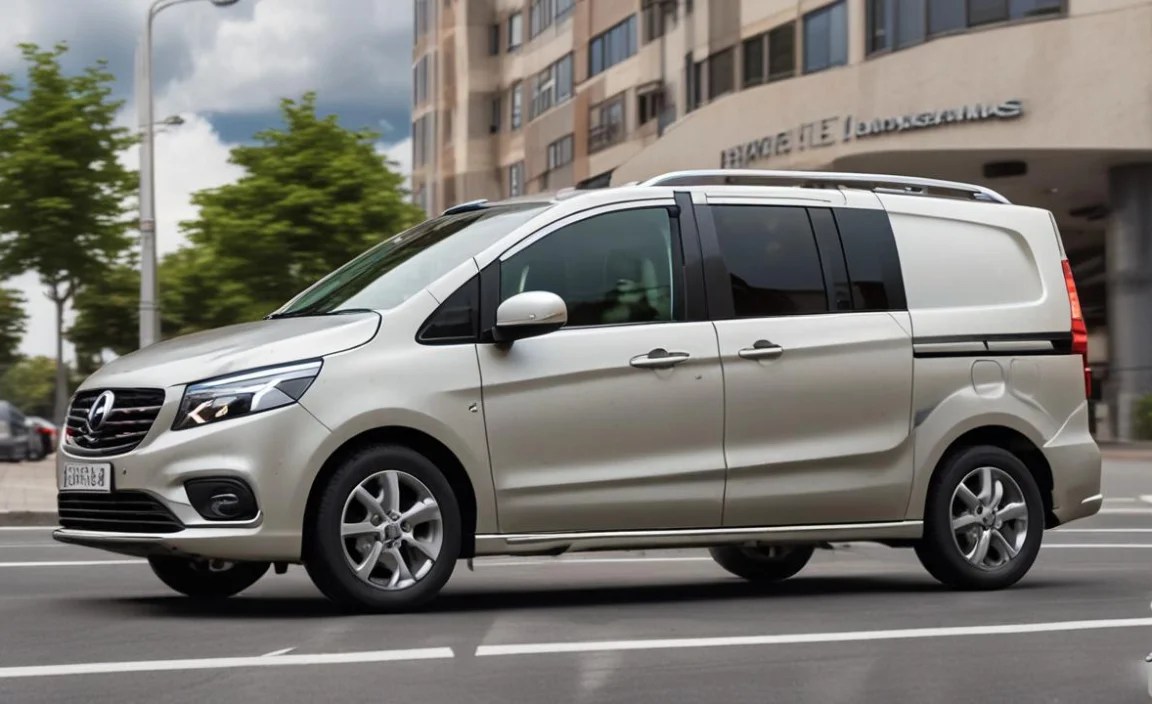
Transforming your Vito van’s fuel consumption from a point of frustration to one of pride is achievable with consistent effort and smart habits. Here are proven strategies to help you maximize your miles per gallon:
1. Master Your Driving Technique
Your driving style is arguably the single biggest factor you can control to improve fuel economy. Think of yourself not just as a driver, but as an efficiency manager on the road.
Smooth Acceleration and Braking: Avoid sudden bursts of speed. Accelerate gently and anticipate stops by easing off the accelerator early rather than braking hard at the last moment. This allows the engine to use momentum efficiently and reduces wear on your brakes.
Maintain a Steady Speed: Fluctuations in speed require the engine to constantly adjust, wasting fuel. On highways, use cruise control where appropriate to maintain a consistent pace.
Observe Speed Limits: Fuel efficiency generally decreases significantly above 50-60 mph (80-100 km/h). Driving at or below these speeds can yield substantial fuel savings. Higher speeds drastically increase aerodynamic drag.
Minimize Idling: If you expect to be stopped for more than 60 seconds (e.g., waiting to load/unload, long traffic lights), turn off your engine. Modern Vito vans restart very quickly and efficiently.
Anticipate Traffic Flow: Look far ahead on the road. By observing traffic lights, the behavior of other drivers, and potential hazards, you can adjust your speed proactively, reducing unnecessary braking and acceleration.
2. Optimize Vehicle Load and Aerodynamics
Carrying less weight and reducing drag are straightforward ways to save fuel.
Empty Unnecessary Items: Regularly declutter your Vito. Every extra kilogram requires more energy for the engine to move. Remove tools, equipment, or personal items that are not immediately needed for your journey.
Remove Roof Racks and Accessories: When not in use, remove roof racks, bike carriers, or any other external accessories. These significantly increase aerodynamic drag, even when empty, and can cost you several miles per gallon.
Keep Windows Closed at Speed: At highway speeds, open windows create considerable air resistance. Use your Vito’s ventilation system or air conditioning instead. While A/C uses some fuel, it’s often more efficient than the drag created by open windows at higher speeds.
3. Maintain Optimal Tire Pressure
This is a simple, often overlooked, yet critical aspect of fuel efficiency.
Check Regularly: Inspect your tire pressure at least once a month when the tires are cold.
Use Recommended Pressures: Refer to the sticker on your driver’s side doorjamb or your owner’s manual for the correct tire pressure for your Vito. Don’t rely on the maximum pressure listed on the tire sidewall.
Invest in a Tire Pressure Gauge: A reliable gauge is an inexpensive tool that pays for itself in fuel savings and tire longevity. For a professional recommendation on tools, consider resources from automotive associations like the AAA, which offers comprehensive advice on tire care.
4. Schedule Regular Vehicle Maintenance
A healthy Vito van is an efficient Vito van. Adhering to Mercedes-Benz’s recommended maintenance schedule is paramount.
Air Filter: A clogged air filter restricts airflow to the engine, forcing it to work harder and consume more fuel. Replace it according to the service schedule or sooner if you drive in dusty conditions.
Spark Plugs (Petrol Engines): Worn spark plugs lead to inefficient combustion. Ensure they are replaced at the recommended intervals to maintain optimal engine performance.
Oil Changes: Use the correct grade of engine oil recommended by Mercedes-Benz. Clean, properly lubricated engine parts reduce friction and improve efficiency.
Fuel System Cleaning: Periodically consider a fuel system cleaner or have your fuel injectors serviced to ensure optimal fuel delivery.
Engine Tune-Up: Follow your Vito’s service plan meticulously. This includes checks on various engine components that impact fuel combustion and efficiency.
5. Plan Your Journeys Wisely
Smart route planning can make a surprising difference.
Combine Trips: Group errands together into a single journey to minimize cold starts and short trips, which are less fuel-efficient.
Avoid Peak Traffic: If possible, adjust your travel times to avoid rush hour. Stop-and-go traffic is a major drain on fuel economy.
Use Navigation Apps: Modern navigation apps can help you find the most direct or fastest routes, potentially avoiding congested areas or unnecessary mileage. Some also offer fuel-saving route options.
Understanding Vito Van Engine Options and Their Efficiency

The Mercedes-Benz Vito has been offered with a range of engine options over its generations, primarily focusing on efficient diesel powertrains, which are a hallmark of Mercedes-Benz light commercial vehicles. Understanding these options can help you gauge your van’s inherent efficiency.
Diesel Engines
The Vito’s diesel engines are celebrated for their balance of power and fuel economy, making them ideal for commercial use.
Common Rail Direct Injection (CDI): This technology allows for precise fuel injection under high pressure, leading to more efficient combustion and better fuel economy compared to older diesel technologies.
Turbocharging: Modern turbochargers help improve power output while allowing for smaller, more efficient engines. They also contribute to better low-end torque, which can help with load-hauling efficiency.
AdBlue/Diesel Exhaust Fluid (DEF): Newer Vito models often incorporate AdBlue systems to meet stringent emissions standards. While this doesn’t directly improve fuel consumption, it’s a critical component for compliant and efficient operation.
Petrol Engines (Less Common for Vito)
While less prevalent in the Vito lineup, some markets may have offered petrol variants, typically for specific applications. These generally offer brisk performance but can be less fuel-efficient than their diesel counterparts, especially under load.
Hybrid and Electric Variants (Future/Emerging)
As the automotive world electrifies, Mercedes-Benz is at the forefront. While fully electric (e.g., EQV) and plug-in hybrid variants are becoming available, these represent a significant shift from traditional internal combustion engines. If you’re considering these, their “fuel” consumption (electricity) is measured differently (e.g., kWh/100km) and offers a different approach to efficiency. For those focusing on traditional Vito models, diesel remains the efficiency champion.
Here’s a simplified comparison of typical fuel consumption ranges for common Vito engine types. Please note these are estimations and actual figures will vary significantly based on model year, specific engine tune, driving conditions, and load.
| Engine Type | Typical Combined MPG (Approx.) | Typical L/100km (Approx.) | Primary Use Case |
|---|---|---|---|
| 1.6L Diesel (e.g., 111 CDI) | 40-46 MPG | 6.1-5.5 L/100km | Urban delivery, lighter loads |
| 2.1L Diesel (e.g., 114 CDI, 116 CDI) | 36-42 MPG | 6.6-5.9 L/100km | Mixed urban/highway, medium loads |
| 2.2L Diesel (e.g., 119 CDI) | 34-40 MPG | 7.0-6.3 L/100km | Harsher use, heavier loads, long distances |
| 2.0L Petrol (Less Common) | 25-32 MPG | 8.9-7.3 L/100km | Specialty applications, lower mileage needs |
Note: MPG figures are approximate UK/Imperial gallons. For US gallons, divide by approximately 0.83.
Advanced Efficiency Techniques and Technology
Beyond the basics, there are more advanced strategies and technologies that can contribute to your Vito’s fuel efficiency.
Eco-Driving Modes and Systems
Many modern Vito vans come equipped with selectable driving modes.
ECO Mode: Engaging the ECO drive program typically adjusts the engine’s throttle response, transmission shift points (if automatic), and climate control settings to prioritize fuel savings. It encourages smoother driving by making the accelerator pedal less sensitive.
Start/Stop System: Your Vito likely features an automatic engine start/stop system. This feature automatically shuts off the engine when you come to a complete stop (e.g., at traffic lights) and restarts it seamlessly when you release the brake pedal. Ensure this system is enabled and functioning correctly.
Monitoring Your Fuel Consumption
Knowledge is power when it comes to efficiency.
On-Board Computer: Your Vito’s dashboard likely has an on-board computer that displays real-time fuel economy, average MPG, and range indicators. Make use of these features to track your progress.
Logbook or App: For more detailed analysis, keep a log of your fuel fill-ups and mileage. This allows you to calculate your actual MPG over longer periods and identify trends or any deviations that might indicate a problem. There are many excellent fuel economy tracking apps and resources available online that can help you manage this.
Understanding Tyres and Rolling Resistance
The right tires and their condition play a more significant role than many realize.
Low Rolling Resistance (LRR) Tires: When it’s time to replace your tires, consider LRR options. These are designed to minimize the energy lost as the tire rolls, directly contributing to better fuel economy.
Proper Wheel Alignment: Misaligned wheels can cause tires to scrub against the road, increasing friction and fuel consumption, as well as uneven tire wear. Have your alignment checked periodically, especially after hitting a pothole or curb.
Troubleshooting Common Fuel Consumption Issues

If you notice a sudden increase in your Vito’s fuel consumption, a mechanical issue might be at play. Don’t ignore these signs.
Check Engine Warning Light: If the “Check Engine” light illuminates, it’s a clear indication that the vehicle’s onboard diagnostics have detected a fault that could impact performance and fuel efficiency. Get it diagnosed by a qualified mechanic immediately.
Poor Engine Performance: Sluggish acceleration, rough idling, or hesitation can all signal underlying engine problems that are wasting fuel.
Unusual Noises: Knocking, misfiring, or other abnormal sounds from the engine or exhaust system could indicate combustion issues.
* Fuel Leaks: Visually inspect for any signs of fuel leaks around the fuel tank, lines, or engine. This is a serious safety hazard and an obvious cause of wasted fuel.
If you suspect a problem, it’s always best to consult a certified Mercedes-Benz technician or a reputable independent mechanic specializing in Mercedes-Benz vehicles.
Frequently Asked Questions (FAQ) about Vito Van Fuel Consumption
Q1: What is the average fuel consumption for a Mercedes-Benz Vito van?
A1: The average fuel consumption for a Mercedes-Benz Vito van can vary widely depending on the engine, model year, and driving conditions. Generally, diesel models can achieve between 35-45 MPG (approx. 6.3-5.1 L/100km) combined, but this can be lower for older models or higher for very efficient modern variants under ideal conditions.
Q2: How much does cargo weight affect my Vito’s MPG?
A2: Cargo weight significantly impacts fuel efficiency. Each extra 100kg (220 lbs) can reduce your MPG by 1-2%. Overloading your Vito will force the engine to work harder, leading to noticeably higher fuel consumption.
Q3: Is it better to use cruise control on the highway for fuel efficiency?
A3: Yes, on relatively flat highways, cruise control can help maintain a steady speed, which is often more fuel-efficient than manual driving that may involve slight speed fluctuations. However, on hilly terrain, it might be more efficient to manually control speed to avoid unnecessary engine strain on inclines.
Q4: Should I perform regular maintenance specifically for fuel economy?
A4: Absolutely. Key maintenance tasks like ensuring clean air filters, correct tire pressures, and proper engine oil levels are crucial for optimal fuel economy. Following your Vito’s recommended service schedule is the best way to keep your van running efficiently.
Q5: Does using air conditioning increase fuel consumption on my Vito van?
A5: Yes, using the air conditioning system does increase fuel consumption, as it draws power from the engine. However, at higher speeds, the aerodynamic drag from open windows can often be less efficient than using the A/C. It’s a trade-off, but for comfort and minimal efficiency impact at speed, A/C is usually preferable to open windows.
Q6: What are AdBlue and its effect on my Vito’s fuel economy?
A6: AdBlue is a diesel exhaust fluid used in modern diesel engines (like many Vito models) to reduce harmful NOx emissions. It is injected into the exhaust system. While it doesn’t directly improve fuel economy, it’s essential for your vehicle’s emissions control system to function correctly, ensuring the engine operates within its designed efficiency parameters.
Q7: Can I improve my Vito’s fuel consumption without changing the engine?
A7: Yes! By focusing on driving style, maintaining tire pressure, reducing weight, improving aerodynamics, and ensuring regular vehicle maintenance, you can significantly improve your Vito van’s fuel consumption without any major mechanical changes


