
Mercedes Vito Customer Feedback: Essential Insights
Quick Summary:
Mercedes Vito customer feedback highlights its reliability, versatility for cargo and passenger needs, and comfortable ride for a van. Owners praise its Mercedes-Benz build quality and advanced safety features. Key areas for improvement often revolve around infotainment system intuitiveness and occasional service cost considerations. Understanding this feedback helps potential buyers and current owners make informed decisions.
Welcome to MercedesBlue! As your guide to all things Mercedes-Benz, I understand that choosing the right vehicle, whether for business or family, involves more than just specs on paper. It’s about real-world experience. The Mercedes-Benz Vito is a popular choice for many, serving diverse roles from a workhorse cargo van to a comfortable people carrier. But what do actual owners think? Understanding customer feedback is crucial for anyone considering a Vito. It offers genuine insights into its strengths and potential weaknesses, helping you make the best decision for your needs.
This article dives deep into the collective voice of Mercedes Vito owners. We’ll explore what they love, what they find challenging, and what insights can help you navigate your purchase or ownership journey. Get ready to discover the essential feedback that shapes the Vito’s reputation.
Understanding Mercedes Vito Customer Feedback: A Deep Dive

The Mercedes-Benz Vito has carved out a significant niche in the commercial and passenger van market. Its appeal lies in the premium badge, robust engineering, and the versatility to adapt to a wide array of uses. From plumbing businesses needing reliable cargo space to families requiring spacious and safe transport, the Vito aims to be a jack-of-all-trades. But how well does it perform in the hands of its users day in and day out? Customer feedback is the most reliable indicator of a vehicle’s true performance and owner satisfaction, moving beyond marketing claims to reveal real-world ownership experiences.
We’ve gathered and analyzed common themes from Mercedes Vito owners to provide you with a comprehensive overview. This isn’t just about liking or disliking a vehicle; it’s about understanding the nuances that make a vehicle truly fit for purpose and if it meets the high expectations associated with the Mercedes-Benz brand. Let’s break down what owners are saying.
Key Strengths Praised by Mercedes Vito Owners

When customers consistently highlight certain aspects, it signals where the Vito truly excels. These are the areas that often justify the premium associated with a Mercedes-Benz badge. For the Vito, several key strengths frequently emerge in owner feedback.
1. Reliability and Durability
One of the most frequently cited benefits of the Mercedes-Benz Vito is its robust build quality and associated reliability. Owners often report that the Vito is built to last, capable of withstanding demanding daily use without significant issues. This is especially critical for businesses that rely on their vehicles for their livelihood. A dependable van means less downtime, fewer unexpected repair bills, and a more productive operation.
- Long-Term Performance: Many users comment on the Vito’s ability to maintain performance and functionality even after years of service.
- Robust Construction: The quality of materials and assembly contributes to a feeling of solidity and longevity.
- Reduced Downtime: For commercial users, this translates directly into saved costs and increased efficiency.
2. Versatility and Adaptability
The Vito’s design intrinsically lends itself to customization and varied use cases. Whether configured as a panel van for tradespeople, a crew van for transporting teams, or a passenger version for shuttle services, its flexible platform is a significant draw. Owners appreciate how easily the Vito can be adapted to specific needs.
- Cargo Configuration: Ample internal space and well-placed anchor points make securing loads straightforward.
- Passenger Comfort: Passenger variants offer generous legroom and comfortable seating, making them suitable for taxi services or family transport.
- Aftermarket Customization: The Vito platform is a popular base for various aftermarket conversions, from camper vans to specialized mobile workshops.
3. Driving Comfort and Refinement
For a van, the Mercedes-Benz Vito often receives praise for its surprisingly car-like driving experience. This comfort is a significant advantage, especially for drivers who spend long hours on the road. The refinement extends to the cabin, reducing fatigue and enhancing the overall ownership experience.
- Smooth Ride: Suspension setups are tuned to provide a comfortable ride, even when unladen.
- Quiet Cabin: Effective sound deadening keeps road and engine noise to a minimum.
- Ergonomics: Driving controls and seating positions are designed with driver comfort and ease of use in mind.
4. Safety Features
Mercedes-Benz places a strong emphasis on safety, and this is reflected in the Vito. Owners feel reassured by the array of driver assistance and passive safety systems available, which is particularly important when transporting goods or family members. Features often mentioned include:
- Standard Airbags: Multiple airbags are typically standard, providing crucial protection in the event of a collision.
- Advanced Driver Assistance Systems (ADAS): Depending on the trim and options, the Vito can be equipped with systems like Active Brake Assist, Lane Keeping Assist, and Blind Spot Assist. These systems are highly valued by owners for their proactive safety support.
5. Mercedes-Benz Brand Prestige
While perhaps less quantifiable, the prestige associated with the Mercedes-Benz brand undeniably plays a role in owner satisfaction. Driving a Vito can offer a sense of quality, status, and pride that other commercial vehicles might not provide. This is especially relevant for businesses aiming to project a professional image.
Common Areas for Improvement: What Owners Say

No vehicle is perfect, and the Mercedes-Benz Vito, despite its strengths, has areas where customer feedback suggests room for enhancement. Addressing these points can provide valuable context for potential buyers and signal priorities for future model development.
1. Infotainment System Usability
While the Vito often offers modern infotainment systems, some owners find them less intuitive or user-friendly than those found in competitor vehicles or even other Mercedes-Benz models. Navigating menus, connecting devices, and accessing specific functions can sometimes be a point of frustration.
- Complex Menus: Some users report difficulty in quickly finding desired settings or features.
- Touchscreen Responsiveness: Occasionally, feedback suggests touchscreens can be less responsive than expected.
- App Integration: While integration is usually present, sometimes the seamlessness of smartphone pairing or app functionality is criticized.
2. Cost of Maintenance and Servicing
As with many premium brands, servicing and parts for a Mercedes-Benz can be more expensive than for mass-market alternatives. While reliability can offset some of these costs through fewer repairs, scheduled maintenance and potential part replacements can be a significant consideration for owners, especially those operating multiple vehicles on a tight budget.
- Higher Labor Rates: Dealership servicing often reflects premium brand labor costs.
- Part Exclusivity: Some specialized parts may only be available through authorized dealers, potentially at a higher price point.
- Long-Term Service Plans: While often a good investment, the initial outlay for service packages can be substantial.
3. Interior Material Quality (Certain Trims)
While the overall build quality is strong, some entry-level trims or specific interior components might not feel as premium as expected from a Mercedes-Benz. Owners sometimes point to dashboard plastics or switchgear that, while durable, lack the tactile feel of higher-end Mercedes models. This is often a subjective point, but worth noting for those focused on interior luxury.
4. Engine Noise and Vibration (Under Load)
Although cabin refinement is generally praised, under heavy acceleration or when carrying a significant load, some owners report that engine noise and vibration can become more noticeable. This is not uncommon for vans, but it’s an area where some competitors may offer a slightly smoother experience.
Comparing Vito Models Based on Feedback
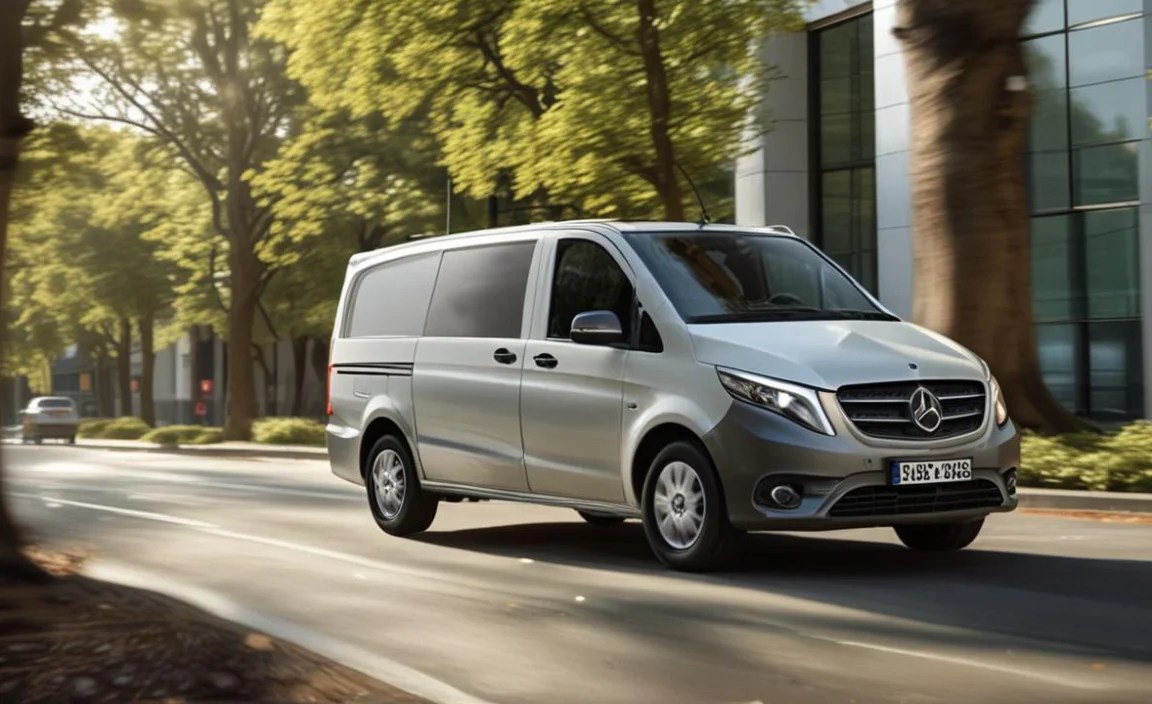
The Mercedes-Benz Vito comes in various configurations, each catering to different specific needs. Understanding owner feedback relevant to these models can help refine your selection process.
Vito Panel Van
This is the archetypal commercial Vito. Feedback here heavily emphasizes load capacity, ease of access to the cargo area, and the durability of the load floor and interior. Owners appreciate the range of practical options for shelving and cargo management systems. The focus is overwhelmingly on its function as a reliable tool for work.
Vito Tourer
As a passenger-focused variant, the feedback for the Tourer shifts towards comfort, seating flexibility, and ease of ingress/egress for passengers. Owners using it as a shuttle or for larger families often comment on the spaciousness and the ride quality. The ability to configure seating arrangements is a frequently praised feature.
Vito Select
Often positioned as a more upmarket passenger or crew van, the Select typically includes upgraded interior appointments and a higher level of standard equipment. Feedback here often highlights the blend of practicality with a more refined passenger experience, making it a popular choice for executive transport or as a luxurious family vehicle.
It’s worth noting that specific engine choices and trim levels within these models can also influence feedback regarding performance, fuel economy, and feature sets. Exploring reviews for specific configurations you are considering is always recommended.
A Look at Specific Features – Owner Experiences

Beyond general impressions, specific features and technologies within the Vito are frequently discussed by owners. Here’s a look at some notable examples:
1. MBUX (Mercedes-Benz User Experience)
While newer models often feature the advanced MBUX system, its implementation in commercial vehicles like the Vito can sometimes be a point of mixed feedback. Some users find the voice control and intuitive interface a significant benefit, especially for hands-free operation. Others, as mentioned, might find the menu structure or touchscreen interaction less immediate than desired for quick adjustments on the go.
2. Powertrain Options
The Vito typically offers a range of diesel engines known for their torque and efficiency, suitable for hauling loads. Owner feedback generally reflects satisfaction with their pulling power and reasonable fuel economy for the class. However, the refinement of these engines, especially at higher RPMs or under load, is where comments on noise and vibration might appear.
3. Transmission (Automatic vs. Manual)
Depending on the market and model year, both manual and automatic transmissions are available. Automatic transmissions, particularly Mercedes’ own offerings, are often praised for smooth shifting and enhancing driving comfort. Manual transmissions are favored by some for greater control, though feedback can sometimes include comments on clutch feel or shift action being heavy.
4. Parking Aids and Cameras
Given the Vito’s size, parking assistance systems—such as reversing cameras, parking sensors, and even the 360-degree camera system—are highly valued. Owners consistently report that these features significantly ease maneuvering in tight spaces, reducing stress and the risk of minor impacts.
Integrating Feedback into Your Purchase Decision
So, how can you use this customer feedback to your advantage? Here’s a practical approach:
-
Prioritize Your Needs:
- For Business (Cargo): Focus on feedback regarding reliability, load capacity, and ease of cargo access. Durability and operational costs will be paramount.
- For Business (Passenger Transport/Shuttle): Look for comments on ride comfort, seating flexibility, fuel efficiency, and passenger ingress/egress.
- For Personal Use (Family/Leisure): Comfort, safety features, interior versatility, and infotainment ease of use will likely be higher on your list.
-
Test Drive Critically:
- Pay attention to the driving dynamics, cabin noise levels (especially under acceleration and at highway speeds), and seat comfort.
- Experiment with the infotainment system. Try to perform common tasks like changing the radio station, adjusting climate controls, and connecting your phone.
- Maneuver the vehicle and test parking aids if available.
-
Consider Long-Term Costs:
- Research typical maintenance schedules and costs in your region. Look for independent specialist garages if you plan to move away from dealership servicing after the warranty period.
- Investigate the availability and cost of common replacement parts specific to the models you are considering. Resources like fueleconomy.gov can offer insights into potential running costs based on fuel consumption, though this data might be more readily available for passenger cars.
-
Explore Different Trims and Options:
- Feedback can vary significantly between base models and higher-spec trims. Understand what features are standard and what are optional extras. A slightly higher initial investment in certain options (like advanced driver assistance or a better infotainment package) might significantly enhance your ownership satisfaction.
-
Read Owner Forums and Reviews:
- Websites dedicated to van owners or specific Mercedes-Benz communities can offer rich, detailed feedback. Look for patterns in long-term ownership reviews.
Frequently Asked Questions (FAQ)
Here are answers to some common beginner questions about Mercedes Vito customer feedback:
Q1: What is customer feedback generally like for the Mercedes-Benz Vito?
A1: Customer feedback for the Vito is generally positive, highlighting its reliability, strong build quality, comfortable driving experience for a van, and versatility. Owners appreciate its Mercedes-Benz heritage and safety features. Common critiques sometimes touch on infotainment system usability and the cost of maintenance.
Q2: Is the Mercedes-Benz Vito considered a reliable van?
A2: Yes, reliability is a standout strength frequently praised by owners. The Vito is known for its durability and ability to withstand demanding use, leading to less downtime compared to some competitors.
Q3: How comfortable is the Mercedes-Benz Vito for long journeys?
A3: For a van of its class, the Vito is considered quite comfortable. It offers a refined ride, a quiet cabin, and ergonomic seating, which significantly reduces driver fatigue on long trips.
Q4: Are Mercedes-Benz Vito parts and servicing expensive?
A4: Mercedes-Benz parts and servicing can be more expensive than those for non-premium brands. While the Vito’s reliability may reduce repair frequency, routine maintenance and any necessary part replacements should be factored into the overall cost of ownership.
Q5: Which Mercedes-Benz Vito model is best based on feedback?
A5: The “best” model depends on your needs. Feedback suggests the Panel Van excels for cargo, the Tourer for passenger transport, and the Select for a more premium passenger experience. Each is praised for its core function.
Q6: What are the most common complaints about the Mercedes-Benz Vito?
A6: The most frequently mentioned areas for improvement include the intuitiveness of the infotainment system interface and the overall cost associated with Mercedes-Benz servicing and parts. Some also note that interior materials in lower trims might not feel as luxurious as expected.
Q7: Can I use a Mercedes-Benz Vito for personal use, like family trips or a camper conversion?
A7: Absolutely. The Vito Tourer and Select are specifically designed for passenger transport and are well-suited for family use. The platform is also very popular for camper van conversions due to its robust build and versatile interior space, with many aftermarket solutions available.
Conclusion
The Mercedes-Benz Vito consistently earns praise for its core strengths: unwavering reliability, impressive versatility, and a driving experience that offers a surprising level of comfort and refinement for a commercial vehicle. Owners clearly value the robust engineering and the peace of mind that comes with the Mercedes-Benz badge, particularly its advanced safety suite. For businesses, these factors translate into efficiency and dependability; for families, they mean safe and comfortable journeys.
While areas like infotainment system intuitiveness and the cost of premium servicing are noted as potential drawbacks, they often do not overshadow the fundamental benefits that draw customers to the Vito. By understanding this blend of owner feedback—the celebrated strengths and the constructive critiques—you can make a more informed decision. Whether you’re equipping your business with a new workhorse or seeking a capable and comfortable vehicle for broader use, the collective insights from Mercedes Vito owners provide invaluable guidance. This knowledge empowers you to align the Vito’s real-world performance with your specific expectations and requirements, ensuring satisfaction for years to come.


