
SL-Class vs Porsche Lineup: Ultimate Comparison
SL-Class vs Porsche Lineup: Ultimate Comparison
For those seeking the pinnacle of luxury and performance, the Mercedes-Benz SL-Class offers unparalleled grand touring comfort, while the Porsche lineup provides a more focused, track-bred driving experience. Choosing between them depends on whether your priority is sophisticated cruising or spirited driving.
Embarking on the journey to find your dream luxury performance car can feel like navigating a maze. Two names consistently rise to the top: the venerable Mercedes-Benz SL-Class and the dynamic Porsche lineup. You might wonder how these titans truly stack up. Is the SL-Class just a pretty face, or does it have the bite to match its bark? How does Porsche’s diverse range, from the classic 911 to the agile 718, compare to the SL’s timeless elegance and robust power? This guide is crafted to cut through the noise, offering a clear, straightforward look at what each offers, helping you pinpoint the machine that best aligns with your driving desires. We’ll break down performance, luxury, technology, and everyday usability, so you can make an informed decision with confidence.
Frequently Asked Questions
What is the main difference between the SL-Class and Porsche models?
The primary distinction lies in their core philosophy. The Mercedes-Benz SL-Class is designed as a sophisticated grand tourer, emphasizing luxurious comfort, effortless power, and refined driving dynamics for long journeys. Porsche, across its diverse lineup, typically leans towards a more driver-focused, sporty experience, with sharper handling and a greater emphasis on outright performance, often with more track-ready capabilities.
Which is better for daily driving: the SL-Class or a Porsche?
For most daily driving scenarios that involve comfort, cruising, and navigating everyday traffic, the Mercedes-Benz SL-Class often holds the edge due to its plush ride, superior cabin refinement, and advanced comfort features. However, certain Porsche models, like the Panamera or Macan, can serve as capable daily drivers, offering a blend of performance and practicality, albeit often with a firmer ride than the SL.
Are SL-Class cars as fast as Porsches?
In terms of acceleration and top speed, high-performance variants of the SL-Class, particularly AMG models, can certainly rival and even surpass many Porsche models. However, Porsche often excels in agility, cornering speed, and overall track performance due to their engineering focus and often lighter, more compact designs in certain classes.
Which brand offers more luxury: Mercedes-Benz SL-Class or Porsche?
The Mercedes-Benz SL-Class is renowned for its opulent interior, premium materials, advanced comfort technologies, and a serene cabin atmosphere, defining an experience of supreme luxury. While Porsche vehicles are incredibly well-appointed and offer high-quality finishes, their luxury often feels more performance-oriented and less overtly plush than the SL-Class.
How does maintenance cost compare between the SL-Class and a Porsche?
Both brands represent the premium automotive sector, and maintenance for both the SL-Class and Porsche models will be significantly higher than for mainstream vehicles. Generally, Porsche maintenance and repair costs can be perceived as slightly higher, especially for specialized parts and labor, though this can vary greatly depending on the specific model and year.
Which is more reliable for long-term ownership?
Both Mercedes-Benz and Porsche are known for building durable vehicles when properly maintained. Reliability can be model-specific and depend heavily on regular servicing according to the manufacturer’s schedule. Historically, both have strong reputations, but individual experiences can vary. Consulting owner reviews for specific models is advisable.
The Grand Tourer vs. The Sports Car Pantheon: Understanding the SL-Class and Porsche Lineup
The world of high-performance luxury cars is broad, but when you’re looking for a blend of power, prestige, and driving pleasure, two names immediately spring to mind: Mercedes-Benz and Porsche. Specifically, comparing the iconic Mercedes-Benz SL-Class to the diverse Porsche lineup is a common crossroads for discerning drivers. Many find themselves torn between the SL’s legendary status as a grand tourer—a car built for comfortable, high-speed journeys—and Porsche’s reputation for raw, track-honed performance across its varied models. It’s a crucial decision for anyone investing in a vehicle that promises both exhilarating drives and sophisticated presence. This comparison aims to provide a clear, uncomplicated guide to help you understand the subtle yet significant differences, ensuring your choice perfectly matches your automotive aspirations.
The Mercedes-Benz SL-Class: A Legacy of Grand Touring Excellence
The Mercedes-Benz SL-Class isn’t just a car; it’s an automotive icon. For decades, it has defined the luxury convertible segment, offering a unique synthesis of blistering performance, sophisticated comfort, and undeniable prestige. It’s a model that has evolved gracefully, always staying true to its core identity as a premier grand tourer.
Philosophy of the SL-Class

At its heart, the SL-Class is engineered for the journey. It embodies the spirit of the grand tourer – a car designed to cover vast distances with speed, style, and unwavering comfort. This means a focus on a smooth, refined ride, a quiet cabin environment, and the effortless delivery of power. While capable of exhilarating sprints, its primary mission is to make long drives feel short and exceptionally pleasant. It’s about the experience of driving, not just the destination.
Performance and Powertrain Options
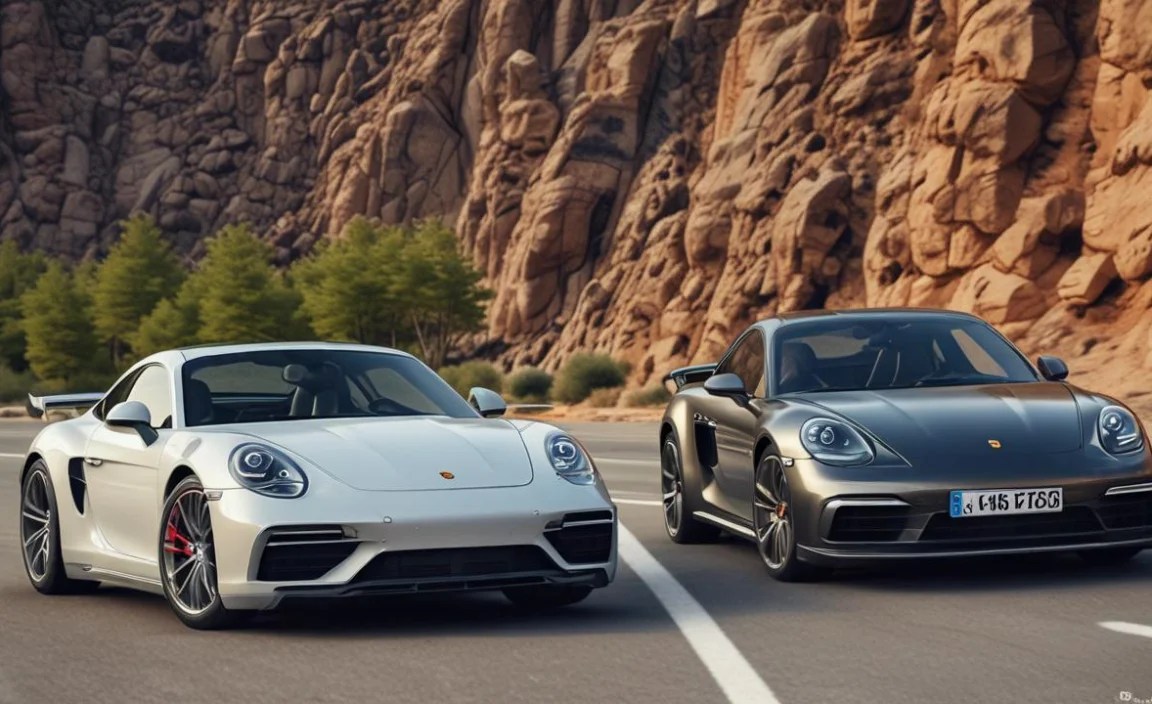
Mercedes-Benz typically offers the SL-Class with potent V8 engines, often infused with AMG’s performance DNA in higher trims. These engines provide ample torque for effortless overtaking and swift acceleration. The power is delivered smoothly through sophisticated automatic transmissions, ensuring a seamless connection between the engine and the road.
- Engine Variants: Historically, the SL-Class has featured powerful V8 engines, with AMG variants pushing performance boundaries further with higher horsepower and torque figures.
- Transmission: Sophisticated automatic transmissions (like Mercedes’ 9G-TRONIC) are standard, optimized for smooth shifts and responsiveness.
- Drivetrain: While rear-wheel drive is a tradition, modern iterations often offer optional all-wheel drive (4MATIC) for enhanced traction and stability in various conditions.
The performance is substantial, allowing for a 0-60 mph sprint in the low to mid-3-second range for AMG models, comfortably in the league of serious sports cars. Yet, the delivery is always refined, minimizing harshness.
The AMG Influence
When you see “AMG” attached to an SL-Class model, it signifies a significant leap in performance engineering. AMG takes the already potent SL and imbues it with track-inspired dynamics, enhanced aerodynamics, and even more powerful engines. These models retain much of the SL’s luxurious character but add a visceral, high-performance edge that excites even the most demanding enthusiasts.
Design, Luxury, and Interior Comfort

The SL-Class is a masterclass in automotive luxury. Its exterior design typically strikes a balance between dynamic sporting lines and elegant sophistication. The retractable hardtop is a hallmark, allowing for open-air driving that feels just as refined as the coupe experience, often with impressive sound insulation when raised.
- Interior Materials: Expect the finest leather, polished wood, and brushed metal accents. The cabin is meticulously crafted to exude opulence.
- Seating: Seats are designed for long-haul comfort, offering heating, ventilation, and often massage functions, alongside robust bolstering for spirited driving.
- Technology: The SL-Class is usually at the forefront of Mercedes-Benz’s technological offerings, featuring advanced infotainment systems (like MBUX), large digital displays, and a suite of driver-assistance features.
- Convertible Experience: The power-retractable hardtop is a key feature, complemented by systems like AIRSCARF (neck-level heating) and AIRCAP (wind deflector) to enhance comfortable top-down driving in cooler weather.
The cabin is a sanctuary, designed to isolate occupants from the outside world while immersing them in luxury and advanced technology. It’s a space that feels both intimate and expansive.
Everyday Usability and Practicality
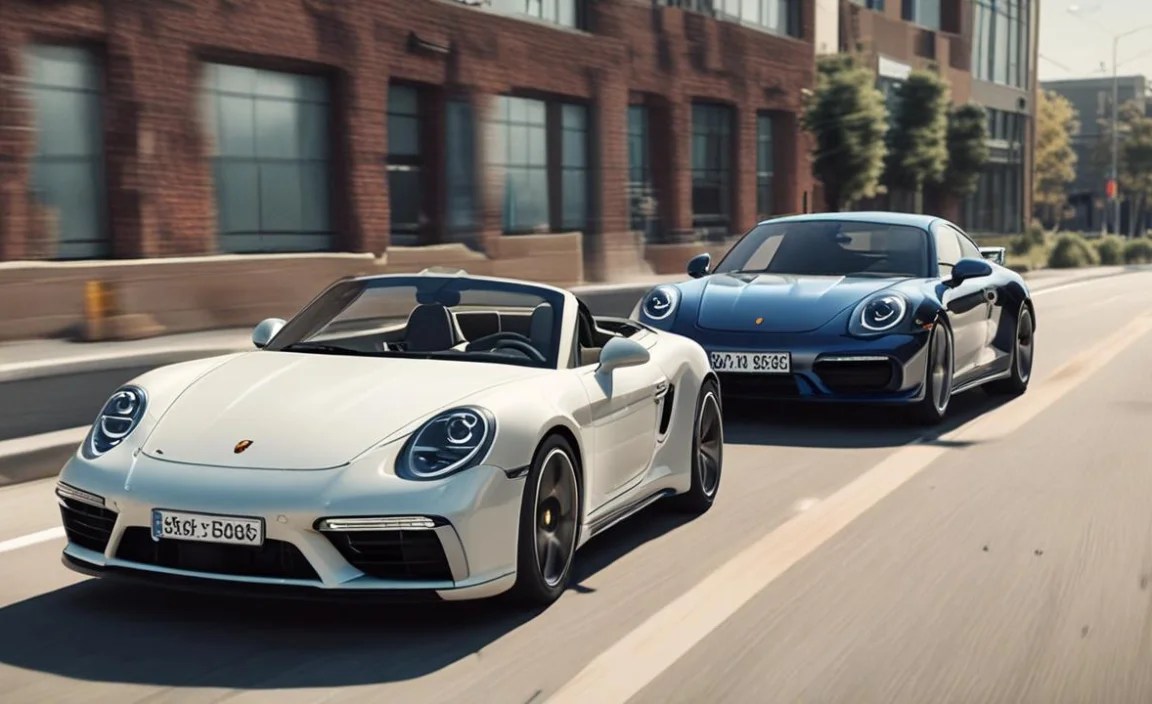
While not a family SUV, the SL-Class offers surprising practicality for its class. The convertible nature doesn’t drastically compromise the trunk space, which is typically sufficient for weekend getaways. The car’s ride can often be adjusted via suspension settings, allowing for a more comfortable setting for daily commutes.
- Trunk Space: Adequate for luggage for two people on a road trip.
- Seating: Primarily designed for two occupants, though some rear seat functionality for very small passengers or luggage might exist in certain generations.
- Fuel Economy: As expected from powerful V8 engines, fuel economy is not its strong suit, but modern engineering aims for efficiency where possible.
It’s a car that you can realistically use for daily driving if your needs are primarily two-seater focused, and you value comfort and luxury above all else on your commute.
The Porsche Lineup: A Spectrum of Performance
Porsche doesn’t offer a single “lineup” in the same way the SL-Class represents a specific model. Instead, it presents a range of distinct vehicles, each with its own character and purpose. While all carry the Porsche DNA of performance and engineering excellence, they cater to different needs and driving styles. Here, we’ll touch upon key models that often come up in comparison.
The Porsche 911: The Benchmark Sports Car

The legendary Porsche 911 is often considered the benchmark by which all other sports cars are measured. It’s a rear-engine icon known for its unparalleled driving dynamics, thrilling acceleration, and distinct styling.
- Philosophy: Pure sports car. Sharper handling, direct feedback, and a focus on driver engagement above all else.
- Performance: Wide range of engines, from capable flat-sixes to monstrous twin-turbo powerhouses in Turbo and GT variants. Exceptional grip and agility.
- Models: Carrera, Carrera S, GTS, Turbo, Turbo S, GT3, GT3 RS, etc., offering varying levels of performance and track focus.
- Luxury: While luxurious, the interior prioritizes function and driver focus over overt opulence. High-quality materials are standard, but the ambiance is sporty.
- Practicality: Limited rear seats usable for small children or extra storage. Trunk space is minimal. Not ideal for long-distance comfort compared to the SL.
The 911 is the quintessential “driver’s car,” offering an engaging experience that’s hard to match. A quick search for official Porsche 911 specifications will reveal the dizzying array of performance options.
The Porsche 718 (Boxster & Cayman): Mid-Engine Purity
The 718 range, comprising the Boxster (convertible) and Cayman (coupe), offers a more accessible entry into the pure Porsche driving experience. Their mid-engine layout provides exceptional balance and handling.
- Philosophy: Pure sports car with a focus on agility and handling balance thanks to the mid-engine layout.
- Performance: Offers both nimble four-cylinderturbocharged engines and more potent flat-six options (GTS, GT4 models). Renowned for sharp steering and communicative chassis.
- Models: 718 Boxster, 718 Cayman, 718 T, 718 GTS, 718 GT4/Spyder.
- Luxury: Similar to the 911, the focus is on sporty functionality and quality.
- Practicality: Two-seater only with frunk (front trunk) and rear storage, offering slightly more usability than some pure sports cars but still limited.
The 718 excels at making the driver feel connected to the road, offering a rewarding experience on twisty roads and smaller tracks.
The Porsche Panamera: Performance Sedan/Wagon
For those who need more space but don’t want to compromise on performance, the Panamera offers a unique blend of a luxury sedan and a high-performance machine, available in sedan and Sport Turismo (wagon) body styles.
- Philosophy: A high-performance luxury sedan/wagon that can rival sports cars in speed and handling, while offering practicality for more occupants and cargo.
- Performance: Wide range of engines, including powerful V6 and V8 options, as well as plug-in hybrid variants. All-wheel drive is common.
- Models: Panamera, Panamera 4, GTS, Turbo, Turbo S E-Hybrid.
- Luxury: A very luxurious and technologically advanced interior, comparable to other high-end sedans.
- Practicality: Seats four or five, with a substantial trunk (especially the Sport Turismo), making it a viable daily driver for families or those needing cargo space.
The Panamera bridges the gap, offering a Porsche driving experience in a more versatile package than the 911 or 718.
The Porsche Cayenne and Macan: Performance SUVs
Porsche has successfully translated its performance ethos into the SUV segment with the larger Cayenne and the more compact Macan. These vehicles offer a driving experience far more engaging than typical SUVs.
- Philosophy: To provide SUV practicality and versatility with a sporty on-road feel and genuine Porsche performance.
- Performance: Powerful engine options across the ranges, with athletic handling characteristics and available performance upgrades.
- Luxury: High-quality interiors with premium materials and advanced technology.
- Practicality: Excellent for families and everyday use, offering ample passenger and cargo space.
While not direct competitors to an SL-Class in terms of body style, they represent Porsche’s approach to performance within different vehicle segments.
Head-to-Head: SL-Class vs. Porsche
When pitting the Mercedes-Benz SL-Class directly against relevant Porsche models, a few key differentiators emerge, painting a clearer picture of their intended purposes.
Performance Metrics
In a straight line, high-performance AMG SL-Class models can often match or beat even the more potent Porsche 911 variants in terms of outright acceleration. However, Porsche’s reputation for cornering prowess, often due to lighter weight, superior chassis tuning, and driver feedback, means they typically hold an advantage on a track or a very twisty road. The SL-Class offers immense power delivered smoothly, while Porsche often prioritizes raw connection and agility.
Acceleration and Speed
Both brands offer incredible acceleration, typically from 0-60 mph in the low to high 3-second range for their respective top-tier models. Top speeds can exceed 200 mph for many of these vehicles.
Example Performance Figures (Approximate):
| Vehicle | Engine | 0-60 mph (sec) | Top Speed (mph) |
|---|---|---|---|
| Mercedes-AMG SL 63 | 4.0L V8 Biturbo | ~3.5 | ~199 |
| Porsche 911 Carrera S | 3.0L Flat-6 Twin-Turbo | ~3.5 | ~191 |
| Porsche 911 Turbo S | 3.7L Flat-6 Twin-Turbo | ~2.6 | ~205 |
| Porsche 718 Cayman GTS 4.0 | 4.0L Flat-6 | ~3.9 | ~184 |
(Note: Figures are approximate and can vary based on specific model year, options, and testing conditions.)
Luxury and Comfort
This is where the SL-Class truly shines. Its interior is often more focused on opulence


