
Mercedes Vito Transmission Repair: Ultimate Performance
Your Mercedes Vito transmission repair is crucial for maintaining its legendary performance, fuel efficiency, and smooth operation. Addressing issues promptly with expert knowledge ensures your Vito continues to deliver reliability and power for years to come.
Ensuring your Mercedes Vito performs at its peak is essential, especially when it comes to its transmission. A well-maintained transmission is the heart of your van’s power delivery, affecting everything from acceleration to fuel economy. Many Vito owners face common transmission troubles that can be frustrating, like rough shifting or unusual noises. But don’t worry, understanding these issues and knowing when and how to address them can save you significant headaches and expense. This guide is designed to help you navigate Mercedes Vito transmission repair with confidence, ensuring your van keeps running smoothly and powerfully.
Frequently Asked Questions About Mercedes Vito Transmission Repair
What are common signs of transmission problems in a Mercedes Vito?
Common signs include slipping gears, delayed or harsh shifting, strange noises (like humming, buzzing, or clunking), a burning smell, and warning lights on the dashboard. Leaking transmission fluid is also a critical indicator.
How often should I change my Vito transmission fluid?
Consult your Mercedes-Benz owner’s manual for the exact interval, as it varies by model year and transmission type. However, a general guideline for many Vito models is every 40,000 to 60,000 miles, or as recommended by your service advisor.
Can I drive with a transmission problem?
It’s best to avoid driving your Vito if you suspect a transmission issue. Continuing to drive can severely damage the transmission further, leading to more costly repairs or a complete replacement. It’s safer to have it towed to a qualified mechanic.
What is the difference between transmission repair and rebuilding?
Transmission repair involves fixing specific faulty components or leaks. Transmission rebuilding (or overhaul) is a more extensive process where the entire transmission is disassembled, cleaned, inspected, worn parts are replaced, and then it’s reassembled and tested.
How long does a Mercedes Vito transmission repair typically take?
The time can vary greatly depending on the complexity of the issue. A fluid flush might take a few hours, while a minor repair could take a day or two. A complete transmission rebuild can take several days to a week or more.
What are the benefits of using genuine Mercedes-Benz parts for transmission repair?
Genuine Mercedes-Benz parts are engineered to meet the exact specifications of your Vito, ensuring optimal fit, performance, and durability. They also maintain the integrity and value of your vehicle.
Understanding Your Mercedes Vito Transmission

The Mercedes Vito, known for its robust engineering and versatility, relies on a transmission system that is both sophisticated and durable. Whether you have an earlier model with an automated manual transmission or a newer one with a state-of-the-art automatic gearbox, understanding its fundamentals is key to proper maintenance and timely repair.
At its core, a transmission’s job is to take the power generated by the engine and transfer it to the wheels, allowing your Vito to move. It does this by using a system of gears that change the torque and speed. Different gears are needed for different driving conditions: low gears provide more torque for starting from a stop or climbing hills, while high gears allow for lower engine RPMs at higher speeds, improving fuel efficiency.
Mercedes meticulously engineers its transmissions, often incorporating advanced technologies to enhance performance and driver comfort. This can include features like adaptive shifting programs that learn your driving style, torque converters for smooth power delivery in automatic transmissions, and robust internal components designed for longevity.
When these complex systems encounter issues, it’s not just about inconvenience; it can impact your Vito’s overall performance, safety, and even its long-term value. Recognizing the signs of trouble and understanding the basic principles behind your transmission can empower you to make informed decisions about its care.
Common Mercedes Vito Transmission Issues

Even the most reliable vehicles can experience transmission problems. For the Mercedes Vito, certain issues tend to be more prevalent due to mileage, usage patterns, or component wear. Early detection is crucial, as minor problems can escalate into major, expensive repairs if left unaddressed.
Here are some of the most common transmission issues faced by Mercedes Vito owners:
1. Transmission Slipping
This is often one of the most unnerving symptoms. You might notice your Vito hesitating to accelerate, the engine revving higher than normal without a corresponding increase in speed, or the vehicle feeling like it’s changing gears unexpectedly or failing to engage a gear at all. Slipping can be caused by low transmission fluid, worn internal components like clutches or bands, or issues with the valve body.
2. Harsh or Delayed Shifting
Smooth gear changes are a hallmark of a well-functioning Mercedes transmission. If you experience jolting during shifts, a noticeable delay between selecting a gear and the transmission engaging it, or clunking noises, it indicates a problem. This could stem from contaminated transmission fluid, a faulty transmission control module (TCM), worn solenoids, or internal mechanical wear.
3. Burning Smell
A distinct burning odor, similar to burnt toast or oil, emanating from your Vito is a serious warning sign. This usually indicates that the transmission fluid is overheating. This overheating can be caused by towing heavy loads, low fluid levels, a clogged transmission cooler, or internal friction from worn parts.
4. Noises from the Transmission
Unusual sounds are never a good sign. Whining, humming, buzzing, or clunking noises that change with engine speed or when shifting gears can point to various issues. These can include worn bearings, damaged gears, low fluid levels causing lubrication issues, or problems with the torque converter.
5. Transmission Fluid Leaks
Transmission fluid is vital for lubrication, cooling, and hydraulic pressure within the system. If you spot red or brown fluid under your Vito, it’s a leak. Leaks can originate from seals, gaskets, transmission lines, or the transmission pan itself. Low fluid levels due to a leak can quickly lead to overheating and severe internal damage.
6. Transmission Warning Lights
Your Vito’s dashboard may illuminate with a transmission warning light or a “Check Engine” light if the onboard diagnostics system detects a fault within the transmission. These lights are designed to alert you to issues ranging from minor sensor malfunctions to more serious internal problems. It’s crucial to have these diagnosed promptly.
The Crucial Role of Transmission Fluid and Filters

Transmission fluid is the lifeblood of your Mercedes Vito’s transmission. It’s not just oil; it’s a highly engineered fluid that performs several critical functions:
Lubrication: It reduces friction between moving parts, preventing wear and tear.
Cooling: It carries heat away from the transmission’s internal components, preventing overheating.
Cleaning: It suspends debris and wear particles, carrying them to the filter.
Hydraulic Pressure: In automatic transmissions, it’s essential for engaging gears and operating the torque converter.
Over time, transmission fluid degrades. It loses its lubricating properties, can become contaminated with metal shavings and debris from normal wear, and can even form varnish and sludge. This is why regular fluid and filter changes are paramount for maintaining transmission health.
How Often Should the Fluid and Filter Be Changed?
The precise interval for changing your Mercedes Vito transmission fluid and filter depends on the specific model and year, as well as how the vehicle is used. Always refer to your owner’s manual for the manufacturer’s recommended service schedule. However, as a general guideline:
For typical use: Many Mercedes Vito models recommend a transmission fluid and filter service every 40,000 to 60,000 miles.
For severe use: If your Vito frequently tows heavy loads, operates in extreme temperatures, or is driven in stop-and-go city traffic for extended periods, you might need to service it more often, perhaps every 30,000 to 40,000 miles.
What to Expect During a Fluid and Filter Service
A comprehensive transmission fluid and filter service typically involves:
1. Draining the old fluid: The mechanic will drain as much of the old transmission fluid as possible from the transmission pan.
2. Replacing the filter: The transmission filter will be removed and replaced with a new one. This is crucial for capturing debris.
3. Replacing the pan gasket: A new gasket will be installed when the transmission pan is reattached.
4. Refilling with new fluid: The transmission will be refilled with the correct type and amount of Mercedes-approved transmission fluid. Using the wrong fluid can cause significant damage.
5. Checking fluid level and condition: The fluid level will be checked, and often a sample is examined for signs of internal wear.
For more information on automotive fluids, you can refer to resources like the Chemical Facility Safety and Security Institute, which often covers the importance of material handling and maintenance, including lubricants.
Diagnosing Transmission Problems
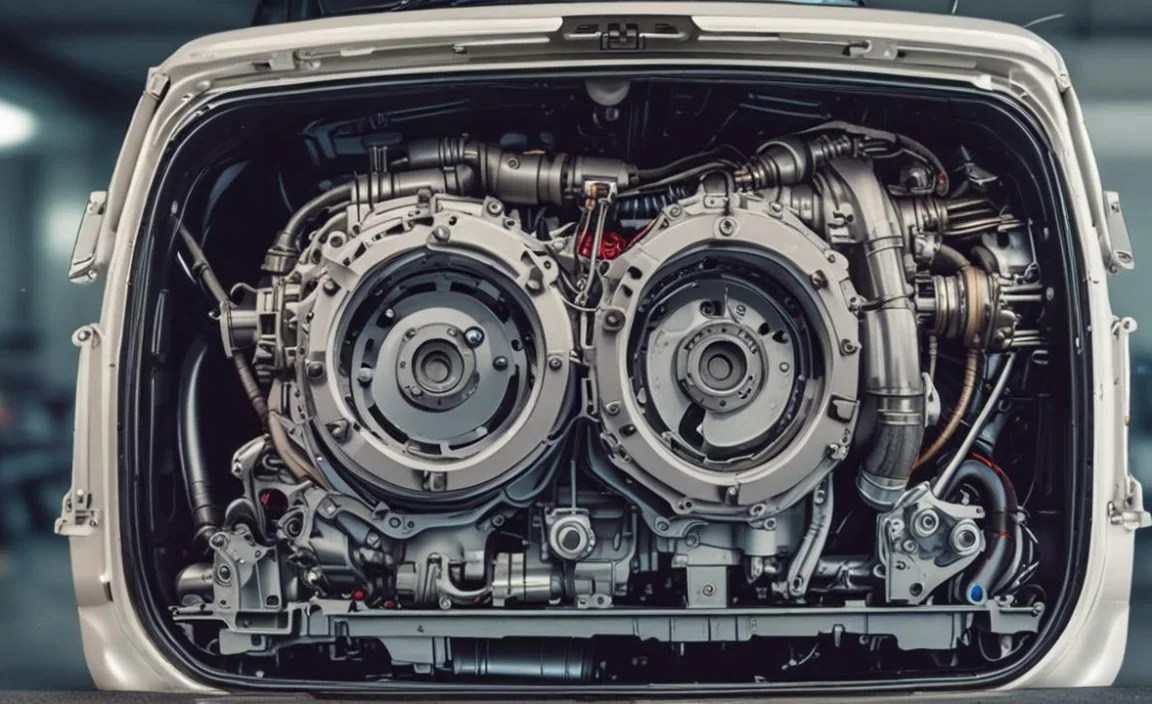
Accurately diagnosing a Mercedes Vito transmission problem is the first step toward effective repair. Modern Vito vehicles are equipped with sophisticated onboard diagnostic (OBD) systems that can detect even minor anomalies within the transmission.
1. Reading Diagnostic Codes
The most common starting point for diagnosis is using an OBD-II scanner. This tool plugs into a port typically located under the dashboard and reads trouble codes stored by the vehicle’s computer. Specific codes related to the transmission (often denoted by ‘P’ followed by numbers, or specific Mercedes codes) can point technicians towards the faulty system or component.
For Mercedes-Benz vehicles, specialized diagnostic tools like the Mercedes-Benz Star Diagnosis (XENTRY/DAS) system are often used by dealerships and specialized independent shops. These tools provide deeper access to transmission control modules (TCMs) and allow for live data streaming, actuation tests, and more detailed diagnostics than generic OBD-II scanners.
2. Visual Inspection
A thorough visual inspection can reveal obvious issues. This includes:
- Checking for transmission fluid leaks under the vehicle.
- Examining the color and smell of the transmission fluid (if accessible and safe to do so). Burnt or dark fluid is a major concern.
- Inspecting external transmission components for damage or wear.
3. Fluid Level and Condition Check
A low or contaminated transmission fluid level is a frequent culprit for many transmission issues. Technicians will ensure the fluid is at the correct level (often checked with the engine running at operating temperature, depending on the Vito model) and assess its condition. Fluid that appears milky might indicate coolant contamination, while dark or burnt fluid points to overheating or internal wear.
4. Road Testing
A professional road test is invaluable. The technician will observe how the transmission performs under various driving conditions, paying close attention to:
- Smoothness and timing of gear shifts.
- Power delivery and acceleration.
- Any unusual noises or vibrations.
- How the transmission behaves when accelerating, decelerating, and under load.
5. Component Testing
Based on diagnostic codes, fluid analysis, and road test observations, specific components might need to be tested. This can involve:
- Solenoid testing: Solenoids control fluid flow to engage gears. They can be tested for proper electrical resistance and function.
- Sensor testing: Various sensors (speed sensors, temperature sensors) provide data to the TCM. These can be checked for accurate readings.
- Torque converter testing: This can be done by observing slip rates and fluid pressures.
- Valve body inspection: If suspected, the valve body might be removed for inspection and cleaning, as it manages the hydraulic control of the transmission.
Transmission Repair, Rebuild, or Replacement?

When a Mercedes Vito transmission encounters a significant problem, you’ll face a critical decision: repair, rebuild, or replace. Each option has its own set of pros, cons, and costs. Understanding these will help you make the most informed choice for your situation.
Transmission Repair
What it involves: This is the least invasive option and focuses on fixing specific, identified faulty components or leaks. It could involve replacing a faulty sensor, a leaking seal, repairing a transmission cooler line, or replacing a solenoid.
Pros:
- Typically the most cost-effective option if a minor issue is found.
- Less downtime for your Vito compared to a full rebuild or replacement.
- Preserves the original transmission unit.
Cons:
- Only addresses the immediate problem; underlying wear in other components remains.
- May not be a viable solution for widespread internal wear or damage.
- Warranty on repairs might be limited.
Transmission Rebuild (Overhaul)
What it involves: A transmission rebuild is a comprehensive process. The entire transmission is removed, disassembled, thoroughly cleaned, inspected for wear and damage, and then reassembled with new seals, gaskets, clutch packs, bands, and any other worn components. It’s essentially brought back to a like-new internal condition.
Pros:
- Restores the transmission to optimal performance and reliability.
- Often comes with a more extended warranty than simple repairs.
- Can be more cost-effective than a brand-new transmission.
- The entire unit is serviced, addressing potential future issues from wear.
Cons:
- More expensive than a simple repair.
- Requires significant downtime for your Vito (several days to a week or more).
- The quality heavily depends on the expertise of the rebuilder.
Transmission Replacement
What it involves: This means installing a completely new or remanufactured transmission unit into your Vito. A “new” transmission is fresh from the factory, while a “remanufactured” transmission has been restored to factory specifications, often with upgrades.
Pros:
- Often the quickest option if a replacement unit is readily available.
- Comes with a warranty, sometimes very generous.
- Provides maximum reliability, especially with a brand-new unit.
Cons:
- Typically the most expensive option.
- Availability of brand-new units for older Vito models can be limited.
- A remanufactured unit’s quality can vary, so choose a reputable source.
The best choice depends on the extent of the damage, your budget, how long you plan to keep the Vito, and the availability of parts and expertise.
Basic Transmission Maintenance for Your Vito
While major repairs are best left to professionals, there are several basic maintenance tasks you can perform or ensure are done regularly to keep your Mercedes Vito transmission healthy and prevent common issues from arising. Proactive maintenance is key to avoiding costly interventions.
1. Regular Fluid Level Checks
Why it’s important: As mentioned, transmission fluid is critical. Low fluid levels can lead to overheating, poor lubrication, and slipping. Checking it regularly is your first line of defense.
How to do it:
- Ensure your Vito is parked on a level surface.
- Consult your owner’s manual for whether the engine should be warm or cold, and running or off. The procedure for checking transmission fluid varies greatly by Mercedes model and transmission type. Some modern transmissions have sealed systems where checking is not straightforward and requires specialized tools and knowledge.
- If your model allows for a dipstick check, carefully pull it out, wipe it clean, reinsert it fully, and pull it out again to read the level.
- Observe the fluid’s color and smell. Clean, slightly reddish fluid is normal. Brown, black, or burnt-smelling fluid indicates a problem.
Note: For many newer Mercedes Vito models, the transmission fluid level is checked electronically through the vehicle’s diagnostic system, not via a dipstick. If in doubt, always consult your owner’s manual or a qualified technician.
2. Scheduled Fluid and Filter Changes
Why it’s important: Over time


