
Mercedes Vito Insurance Providers: Perfect Cover
For your Mercedes Vito insurance needs, choose providers specializing in commercial vehicles or vans, compare quotes from at least three providers, and consider comprehensive policies balancing cost and coverage. Look for telematics options for potential discounts.
Owning a Mercedes Vito is a statement of practicality and sophisticated German engineering. Whether it’s for your business, a passion project, or family adventures, it demands protection that matches its quality. Finding the right insurance often feels like navigating a maze, with many options and confusing jargon. This guide is designed to demystify the process, helping you secure the perfect cover for your Vito. We’ll walk you through what to look for, who to consider, and how to get the best deal, ensuring your prized vehicle is safeguarded against the unexpected. Let’s dive in and find that ideal protection.
Understanding Mercedes Vito Insurance

Your Mercedes Vito is more than just a van; it’s likely a crucial asset for your livelihood or an extension of your lifestyle. Therefore, its insurance needs to be just as robust and reliable as the vehicle itself. Unlike standard car insurance, insuring a van, especially a premium model like the Vito, often involves a different approach from providers. This is because vans are frequently used for commercial purposes, which can involve higher mileage, varied usage patterns, and different risk factors compared to private cars.
The “perfect cover” isn’t just about the cheapest premium; it’s about finding a policy that meticulously matches your specific usage, driving habits, and the value of your Mercedes Vito. This means understanding the different levels of cover available, the factors that influence your premium, and where to find insurers who truly understand the needs of van owners.
Key Factors Influencing Your Mercedes Vito Insurance Premium

Several elements play a role in determining how much you’ll pay for your Mercedes Vito insurance. Understanding these can help you prepare for quotes and potentially find ways to reduce your costs.
Vehicle Value: The purchase price or current market value of your Mercedes Vito is a significant factor. Higher value vehicles generally cost more to insure due to the higher potential payout in case of theft or damage.
Engine Size and Fuel Type: Larger engines and diesel variants, often found in Vito models for their torque and efficiency, can sometimes influence premiums.
Vehicle Age and Mileage: Newer Vitos with lower mileage may have lower premiums, assuming they are equipped with modern anti-theft devices. High annual mileage, common for commercial use, can increase risk.
Usage: How you use your Vito is critical. Is it for private use, commuting, or carrying goods for a business? Commercial use typically commands higher premiums due to increased risk.
Driver Profile: Your age, driving history (including any claims or convictions), and years of driving experience are primary considerations for any insurer.
Security Features: The Vito often comes with advanced security systems. Ensuring these are noted by the insurer can sometimes lead to discounts.
Annual Mileage: The total distance you expect to cover in a year is a key metric for risk assessment.
Location: Where you store your Vito overnight and the area you predominantly drive in can affect premiums, as crime rates and traffic density vary.
No-Claims Bonus (NCB): A history of claim-free driving can significantly reduce your insurance costs.
Types of Insurance Cover for Your Mercedes Vito

When looking for Mercedes Vito insurance providers, you’ll encounter different levels of cover. Choosing the right one ensures you’re protected without overpaying for unnecessary features.
1. Third-Party Only (TPO)

This is the most basic level of cover required by law to drive on public roads. It protects against damage or injury you cause to other people, their vehicles, or their property. It does not cover damage to your own Mercedes Vito.
Pros: Generally the cheapest option.
Cons: Offers no protection for your own vehicle.
2. Third-Party, Fire, and Theft (TPFT)

This policy includes everything in Third-Party Only, plus it covers your Vito if it’s stolen or damaged due to fire.
Pros: Offers a bit more protection than TPO at a slightly higher cost.
Cons: Still no cover for accidental damage to your own Vito.
3. Comprehensive Cover

This is the most extensive type of insurance. It covers third-party damages, fire, theft, and also provides cover for accidental damage to your own Mercedes Vito, regardless of who is at fault. This is often the recommended choice for a vehicle like the Vito.
Pros: Provides the highest level of protection for your vehicle.
Cons: Typically the most expensive option.
Finding Specialized Mercedes Vito Insurance Providers

While many general insurance companies offer van policies, some providers have developed particular expertise in insuring commercial vehicles and premium brands like Mercedes-Benz. These specialists often have a better understanding of the risks associated with vans and can offer more tailored policies and competitive pricing.
Where to Look:
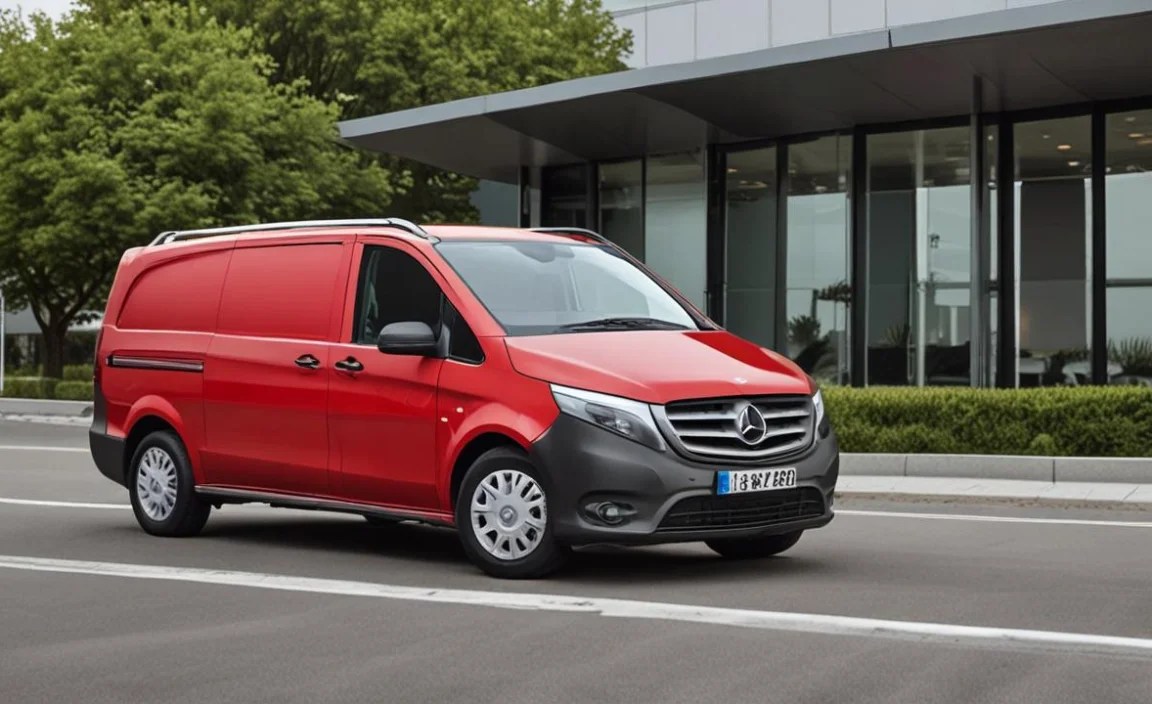
Commercial Vehicle Insurers: Companies that focus specifically on insuring vans, trucks, and other commercial vehicles often have the best understanding of your needs. They can cater to various business uses, from delivery services to tradespeople.
Specialist Van Insurance Brokers: Brokers can be invaluable as they have access to a wide range of insurers and can compare policies on your behalf to find the best fit for your Mercedes Vito. They understand the nuances of insuring specific models.
Direct Insurers with Van Policies: Some larger insurance companies have dedicated departments or products for van insurance. It’s worth checking their offerings.
Mercedes-Benz Approved Insurance: Sometimes, Mercedes-Benz partners with specific insurers to offer schemes that might be tailored for owners of their vehicles. These can offer excellent benefits but are worth comparing against the wider market.
It’s beneficial to look for insurers who explicitly mention insuring “premium vans” or “luxury vans” as they might better appreciate the value and specific features of a Mercedes Vito.
What to Expect from a Good Mercedes Vito Insurance Policy

The “perfect cover” is one that addresses your specific needs comprehensively, offering peace of mind. Here are features you should look for:
Agreed Value Cover: For a premium vehicle like the Vito, ensure your policy offers “Agreed Value.” This means you and the insurer agree on the vehicle’s value upfront. If it’s written off, you receive that amount, not a depreciated market value.
Breakdown Cover: Essential for any van owner, especially for commercial use where downtime is costly. Look for comprehensive breakdown assistance that includes home start, roadside recovery, and onward travel options.
Legal Protection: Covers legal costs if you’re involved in a dispute following a road accident, such as recovery of uninsured losses.
Replacement Vehicle: If your Vito is stolen or damaged and in for repairs, a replacement vehicle (ideally of similar size or type) can be crucial for business continuity.
Tools and Equipment Cover: If your Vito carries tools or equipment, check if your policy can extend to cover these items, either within the van or temporarily removed.
Windscreen Cover: Most comprehensive policies include windscreen cover, but check the excess and if it’s protected.
Courtesy Van: Some policies may offer a courtesy van while yours is undergoing repairs.
Comparing Mercedes Vito Insurance Providers: A Step-by-Step Guide

Getting the best insurance for your Mercedes Vito involves a methodical approach to comparison. Here’s how to do it effectively:
Step 1: Gather Your Information

Before you start getting quotes, have all the necessary details ready:
Your personal details (name, address, driving history, driving license number).
Mercedes Vito details (model year, registration number, exact model/trim, engine size, any modifications).
Details of how you use the vehicle (personal, business, estimated annual mileage).
Information about where the vehicle is usually kept overnight.
Any security features fitted to the vehicle.
Details of any previous van insurance policies.
Step 2: Identify Potential Insurers

Based on the previous section, create a list of potential providers. This could include:
Direct insurers known for commercial van policies.
Specialist van insurance brokers.
Comparison websites (use these as a starting point but always check direct insurers too).
Step 3: Get Multiple Quotes

Don’t settle for the first quote. Aim to get at least three to five quotes from different types of providers.
Directly from Insurer Websites: Many insurers offer online quote systems.
Through Brokers: Contacting a broker allows them to do the legwork for you across their panel of insurers.
Via Comparison Sites: Websites like MoneySuperMarket, Compare the Market, or GoCompare can give you a broad overview, but be aware they may not include all specialist insurers.
Step 4: Understand the Policy Details (Don’t Just Look at Price)

This is crucial. A cheap policy with poor coverage is a false economy. Carefully compare these aspects across your quotes:
Level of Cover: Ensure it’s what you need (e.g., fully comprehensive).
Excess Amount: This is the amount you pay towards a claim. A higher excess often means a lower premium, but ensure you can afford to pay it if needed.
Policy Limits and Exclusions: Read the fine print. What isn’t covered? Are there mileage limits? Are specific types of work excluded from the business use?
Breakdown Cover Details: What is included? Is it 24/7? Does it cover Europe?
Claims Process: How easy is it to make a claim? What is the insurer’s reputation for handling claims?
Step 5: Consider Additional Options and Discounts

Insurers may offer discounts for:
Low Mileage: If you don’t cover many miles.
Telematics (Black Box Insurance): Some insurers offer devices that monitor your driving. Safe driving can lead to significant discounts. This is becoming more popular for commercial vehicles.
Security Devices: Factory-fitted alarms, immobilisers, or tracking systems.
No-Claims Bonus: Build up your NCB for vans.
Paying Annually: Often cheaper than paying monthly.
Step 6: Make Your Decision and Purchase

Once you’ve compared thoroughly, choose the policy that offers the best balance of coverage, price, and service reputation for your Mercedes Vito.
Telematics Insurance for Your Mercedes Vito: The Smart Choice?

Telematics, often referred to as “black box insurance,” involves fitting a small device to your Vito that monitors your driving behaviour. This data is then used by the insurer to assess your risk.
How it Works:

The telematics device tracks:
Speed: How often you exceed speed limits.
Acceleration and Braking: Harsh acceleration or braking can indicate risky driving.
Cornering: Taking corners too sharply.
Time of Day: Driving during high-risk periods (e.g., late at night).
Mileage: Actual miles driven.
Benefits for Mercedes Vito Owners:

Potential for Lower Premiums: Safe drivers can earn significant discounts. This is especially attractive for Vitos, which can be seen as higher-value targets by insurers.
Improved Driving Habits: The data can help you identify areas where you can drive more safely and efficiently, saving fuel and reducing wear and tear on your Vito.
Theft Recovery: Some advanced telematics systems include GPS tracking, which can aid in recovering your Vito if it’s stolen.
Accurate Risk Assessment: For those who drive carefully and within limits, telematics ensures their premium reflects their actual risk profile.
Considerations:

Privacy: You are sharing driving data. Ensure you understand the insurer’s privacy policy.
Strict Monitoring: Be prepared for your driving to be closely monitored. Aggressive or unsafe driving can lead to premium increases, or even policy cancellation.
Installation: The device needs to be professionally installed.
For business owners using their Vito extensively, telematics can be a powerful tool to manage insurance costs and encourage safer fleet driving.
Example of Comparing Policy Features

To illustrate how important it is to compare beyond just the price, here’s a simplified table showing how two different policies for a Mercedes Vito might stack up:
Table 1: Mercedes Vito Insurance Policy Comparison

| Feature | Policy A (Budget) | Policy B (Comprehensive Plus) |
| :———————- | :———————————————- | :——————————————————— |
| Level of Cover | Third-Party, Fire & Theft | Fully Comprehensive |
| Excess (Own Damage) | £500 | £250 |
| Excess (Windscreen) | £150 | £0 (Windscreen excess waived) |
| Breakdown Cover | Roadside assistance only, within UK | 24/7 UK & Europe, home start, recovery, onward travel |
| Courtesy Van | No | Yes, for up to 7 days |
| Tools Cover | No | £500 limited cover for tools left in van overnight |
| Legal Protection | No | Yes, £100,000 cover |
| Annual Premium | £750 | £1,100 |
(Note: This is a hypothetical example for illustrative purposes. Actual prices and policy details will vary significantly.)
As you can see, Policy B is significantly more expensive. However, it offers vastly superior protection, including comprehensive cover, extensive breakdown assistance, and add-ons like tools and legal protection, which are vital for many Vito users. The lower excess on own damage and the waived windscreen excess are also significant benefits. For a business owner, the cost difference might be well worth the added security.
Special Considerations for Business Use

If your Mercedes Vito is primarily used for business, you need to be particularly vigilant about your insurance policy. Insurers need to know the exact nature of the business and how the van is used.
Carrying Goods: Are you transporting your own equipment, stock for resale, or other people’s goods for hire? Each has different risk implications.
Trades: Insuring a van for a builder might differ from insuring one for a courier. More hazardous trades may incur higher premiums.
Employees: If you have employees who drive the Vito, they must all be declared to the insurer.
Mileage: Business use often means higher annual mileage, which will impact the premium. Be accurate with your estimates.
Tools and Equipment: As highlighted, ensure cover for valuable tools and equipment is adequate and clearly specified in the policy. Reputable sources like the Health and Safety Executive offer guidance on the safe storage of tools and equipment, relevant to the context of insurance and risk management: https://www.hse.gov.uk/
Business Interruption: Consider if you need cover for business interruption if your Vito is off the road.
Failing to declare the correct business use can invalidate your insurance, leaving you exposed financially and legally. For van owners operating businesses, exploring specialist commercial van insurance from providers like AXA Commercial, Direct Line for Business, or specialist brokers like Adrian Flux or Pure Van Insurance is highly recommended.
Driving Technology and Its Impact on Insurance

Modern Mercedes Vitos are packed with advanced technology, from sophisticated safety systems to connectivity features. These can influence your insurance in several ways.
Advanced Driver-Assistance Systems (ADAS): Features like adaptive cruise control, lane-keeping assist, and autonomous emergency braking are designed to prevent accidents. Insurers recognise this, and vehicles equipped with ADAS may sometimes attract lower premiums due to reduced accident risk.
Connectivity and Tracking: In-built GPS and connectivity features can aid in vehicle location if stolen. If your Vito has advanced tracking, inform your insurer, as it could lead to discounts.
* Modifications: Any modifications made to your Vito, whether for performance, aesthetics, or practicality, must be declared. Unreported modifications can invalidate your insurance. This includes things like alloy wheels, spoilers, remapped engines, or internal shelving unique to your business needs.
The innovation in Mercedes-Benz vehicles means that insurers are constantly adapting their risk assessments. Always ensure your insurer is aware of any technology or modifications your Vito possesses.
FAQ Section
Here are some common questions beginner Mercedes Vito owners ask about insurance.
Q1: What is the difference between insuring a car and a van like the Mercedes Vito?

A1: Insuring a van like the Mercedes Vito often differs because they are frequently used for commercial purposes, involving higher mileage, varied usage scenarios, and potentially carrying goods. This translates to different risk factors compared to a standard passenger car, influencing pricing and policy options.
Q2: Do I need special insurance if I only use my Mercedes Vito for personal use?

A2: While you don’t necessarily need “special” insurance, you must declare the vehicle’s usage accurately. If you use it purely for personal trips and leisure, it will likely be cheaper than commercial use. However, you still need appropriate cover, and comprehensive is usually best.
Q3: How can I lower the cost of my Mercedes Vito insurance?

A3: You can lower costs by increasing your voluntary excess, limiting your annual mileage if possible, improving vehicle security, considering telematics (black box) insurance, maintaining a clean driving record, and comparing quotes from multiple specialist providers.
Q4: What is an “excess” in my insurance policy?

A4: The excess is the amount you pay towards a claim. There’s usually a compulsory excess set by the insurer and a voluntary excess you agree to pay. The higher your voluntary excess, the lower your premium tends to be, but ensure you can afford to pay it if you make a claim.
Q5: Are telematics (black box) insurance policies suitable for Mercedes Vitos?

A5: Yes, telematics can be very suitable for Mercedes Vitos, especially for those driving them commercially. Safe driving habits can lead to significant discounts. However, be


