
V-Class vs Volkswagen Transporter 2025: Ultimate Comparison
Quick Summary:
The 2025 Mercedes-Benz V-Class offers a premium, luxury experience with advanced tech and comfort, while the 2025 Volkswagen Transporter focuses on practicality, versatility, and robust utility. Choose the V-Class for sophisticated travel and the Transporter for dependable work or adventurous journeys.
V-Class vs Volkswagen Transporter 2025: The Ultimate Comparison for Your Next Vehicle
Deciding between a premium people carrier and a versatile transporter can be a real head-scratcher. Many drivers face this dilemma, weighing luxury against utility, and refinement against ruggedness. You might be wondering which vehicle truly fits your lifestyle, whether it’s for family trips, business use, or carrying gear. This comparison aims to shed light on the key differences between the upcoming 2025 Mercedes-Benz V-Class and the 2025 Volkswagen Transporter, helping you make an informed choice. Let’s explore what each offers!
Understanding the 2025 Mercedes-Benz V-Class: Luxury and Space Reimagined

The Mercedes-Benz V-Class has always been about blending the practicality of a van with the elegance and comfort of a luxury car. For 2025, Mercedes-Benz continues this tradition, focusing on enhanced passenger experience, cutting-edge technology, and refined driving dynamics. It’s designed for those who demand first-class travel, whether carrying colleagues, family, or friends.
Think of the V-Class as a chauffeured lounge on wheels. It prioritizes plush seating, intuitive climate control, and quiet cabin acoustics. The exterior styling aims for sophistication, with signature Mercedes-Benz design cues that speak of prestige and quality. Inside, you’ll find premium materials, ambient lighting, and a state-of-the-art infotainment system designed for ease of use and connectivity.
The 2025 model is expected to build on its legacy with improvements in areas like efficiency, driver assistance systems, and overall refinement, ensuring it stands out in the premium MPV segment. It’s less about hauling cargo and more about transporting people in utmost comfort and style.
Introducing the 2025 Volkswagen Transporter: The Workhorse Evolved

The Volkswagen Transporter, often affectionately called the ‘T’ series, is a legend in the world of light commercial vehicles and versatile people carriers. For 2025, the Transporter continues its evolution, balancing its renowned practicality and durability with modern design and technology. It’s the go-to choice for businesses needing reliable transport, for adventurers seeking a capable base for camper conversions, or for families needing a robust, no-nonsense vehicle.
The Transporter’s ethos is centered on functionality and flexibility. It’s built to be tough, adaptable, and capable of handling a variety of tasks. Whether you specify it as a panel van, a kombi for passengers and cargo, or a Caravelle for more comfort, its core strength lies in its unpretentious utility. The 2025 iteration is anticipated to bring updated powertrains, improved safety features, and a more modern interior, while retaining the rugged appeal that defines it.
It’s a vehicle that’s as at home at a construction site as it is on a road trip, offering a wide range of configurations to suit diverse needs. This focus on adaptability and resilience makes it a compelling option for those who need their vehicle to work as hard as they do.
Key Differences: V-Class vs. Transporter 2025
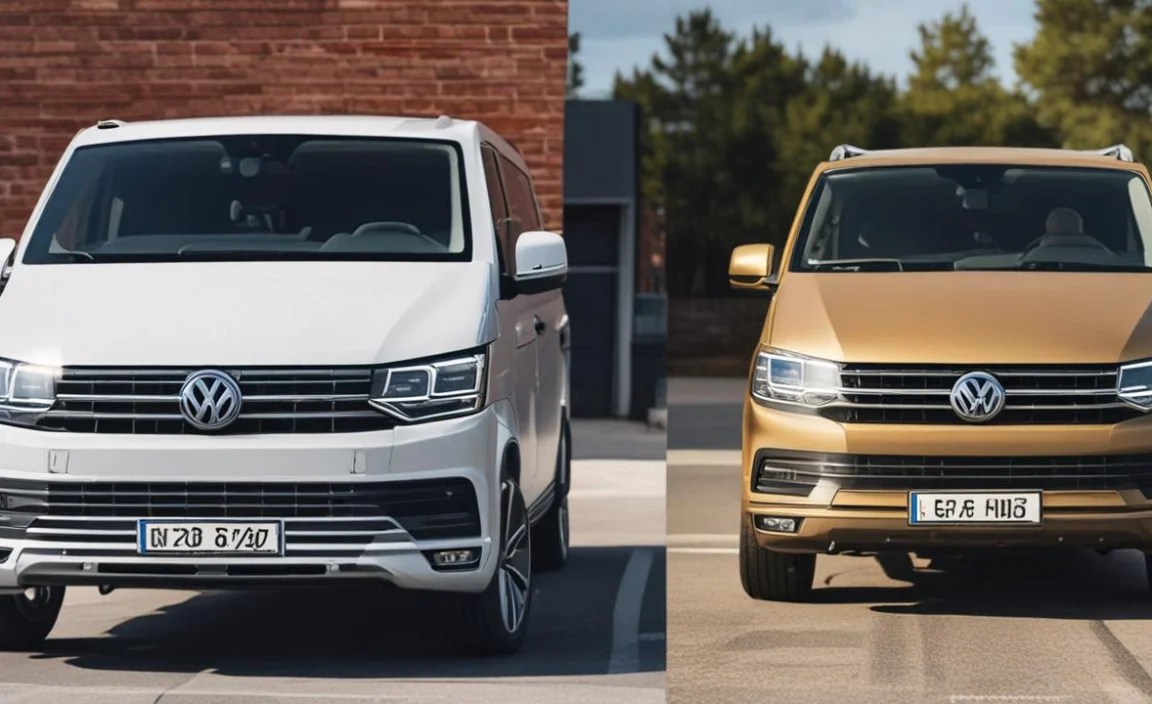
When comparing the V-Class and the Transporter, the most significant divergence lies in their intended purpose and the resulting design philosophies. While both are spacious vehicles capable of carrying multiple passengers, their approach to luxury, utility, and driving experience is markedly different.
Target Audience and Purpose
The V-Class is explicitly aimed at the premium market. Its primary role is transporting people in comfort and style, making it ideal for:
- Executive transport and shuttle services.
- Luxury family travel.
- Those who prioritize comfort and refinement over load capacity.
The Transporter, on the other hand, is a true all-rounder with a strong commercial and utility leaning. It caters to:
- Small to medium businesses requiring a reliable van.
- Tradespeople needing to transport tools and materials.
- Adventurers looking for a versatile base for camper van conversions.
- Families needing a cost-effective, spacious, and durable multi-purpose vehicle.
Design and Interior Luxury
This is where the V-Class truly shines. Its exterior design is sleek and sculpted, mirroring the elegance of other Mercedes-Benz passenger cars. Inside, the cabin is a testament to luxury:
- Materials: High-quality leathers, soft-touch plastics, and polished wood or metal trim accents are standard.
- Seating: Often configured with individual, plush captain’s chairs that can swivel, recline, and offer massage functions.
- Ambiance: Extensive use of ambient lighting, advanced climate control zones, and superior sound deadening create a serene environment.
- Infotainment: Sophisticated MBUX (Mercedes-Benz User Experience) system with large touchscreens, advanced voice control, and premium sound systems.
The Transporter’s design is more utilitarian. While the 2025 model will undoubtedly feature modern styling and a more refined dashboard than its predecessors, its focus remains on durability and practicality:
- Materials: Durable plastics and robust fabrics designed to withstand wear and tear are common.
- Seating: While comfortable, seats are typically more upright and focused on function, often in bench configurations for maximum capacity in passenger versions.
- Ambiance: Cabin design prioritizes ergonomics and ease of cleaning. Noise insulation is good, but not to the same level as the V-Class.
- Infotainment: Modern VW infotainment systems are available, offering essential connectivity, but often with a less premium interface and fewer high-end features compared to the V-Class.
Performance and Powertrains
Both vehicles will offer a range of diesel and potentially mild-hybrid or full-hybrid powertrains for 2025, prioritizing efficiency and torque. However, the character of their performance differs:
For the V-Class, expect powertrains that offer smooth, refined acceleration and ample power for comfortable cruising, even when fully loaded. The focus is on a quiet and effortless driving experience. Mercedes-Benz often tunes its engines for a balance of responsiveness and fuel economy suitable for longer journeys.
The Transporter will feature robust diesel engines known for their reliability and torque, ideal for hauling heavier loads or tackling varied terrains. While refined for a commercial vehicle, the emphasis is on dependable power delivery and fuel efficiency for long-term operational costs. Some versions might offer all-wheel drive (4MOTION) for enhanced traction, a feature less common or emphasized on the V-Class.
Driving Dynamics and Comfort
Mercedes-Benz engineers the V-Class for a car-like driving experience. Expect a supremely comfortable ride, stable handling, and intuitive steering, making it feel smaller and more agile than its size suggests.
The Transporter’s driving dynamics are geared towards control and stability, especially under load. While improvements in suspension and steering have made it much more car-like over the years, its primary tuning is for a robust and secure feel, ensuring confidence when carrying heavy loads or towing.
Versatility and Configurations
This is a nuanced area. Both are versatile, but in different ways:
V-Class: Its versatility lies in its passenger-carrying capabilities. With various seating layouts, you can create a dedicated luggage space or maximize passenger comfort. It’s excellent for adapting to different passenger group sizes.
Transporter: Its versatility is its hallmark. It can be a:
- Panel Van: Pure cargo space.
- Kombi: Passenger and cargo flexibility.
- Caravelle: More passenger-focused, bridging the gap to MPVs.
- California: A factory-built campervan, showcasing ultimate utility and adventure readiness.
This range of configurations makes the Transporter incredibly adaptable to almost any need, from a business fleet to a weekend adventure vehicle.
Technical Specifications at a Glance (Estimated for 2025 Models)

While exact specifications for the 2025 models will be finalized closer to launch, here’s a comparative look at what we can anticipate based on current models and industry trends. These figures are indicative and subject to change.
| Feature | 2025 Mercedes-Benz V-Class (Expected) | 2025 Volkswagen Transporter (Expected) |
|---|---|---|
| Vehicle Type | Premium MPV / Luxury Van | Light Commercial Van / MPV / Camper Base |
| Target User | Families, Executives, Luxury Shuttle Services | Businesses, Tradespeople, Adventurers, Large Families |
| Exterior Styling | Sleek, Elegant, Mercedes-Benz Luxury Cues | Practical, Robust, Modern Functional Lines |
| Interior Materials | Premium Leather, Soft-Touch Finishes, Wood/Metal Accents | Durable Plastics, Robust Fabrics, Functional Design |
| Seating Options | Plush Captain’s Chairs, Swiveling Seats, Max Comfort | Bench Seats, Individual Seats, Focus on Durability & Capacity |
| Infotainment | MBUX System, Large Touchscreens, Advanced Voice Control, Premium Audio | VW Infotainment System, Touchscreen, Standard Connectivity |
| Engine Options | Refined Diesel, Potential for Mild/Hybrid | Torquey Diesel, Robust Commercial Engines |
| Drivetrain | Rear-Wheel Drive (RWD) often standard, 4MATIC (AWD) available | Front-Wheel Drive (FWD) standard, 4MOTION (AWD) available |
| Payload Capacity | Lower, optimized for passengers | Significantly Higher, designed for cargo |
| Towing Capacity | Moderate | Higher, suitable for commercial trailers |
| Camper Conversion Potential | Limited focus, luxury transport primary | High, popular platform for conversions (e.g., California) |
| Advanced Driver Assists | Extensive suite of luxury-oriented safety features | Key modern safety and assist systems |
What to Consider When Choosing

Your decision between the V-Class and the Transporter hinges on your priorities. Ask yourself these questions:
1. What is the primary use of the vehicle?
Is it for transporting VIP clients in style, or hauling tools to a job site? The V-Class excels at the former, while the Transporter is built for the latter.
2. What level of comfort and luxury do you expect?
If you desire a quiet, plush cabin with premium features akin to a luxury sedan, the V-Class is the clear choice. The Transporter offers comfort, but it’s functional rather than opulent.
3. What is your budget?
Generally, the Mercedes-Benz V-Class, with its premium badging and upscale appointments, will command a higher price point than the Volkswagen Transporter, which is positioned to be more accessible for commercial and utility purposes.
4. How much cargo space versus passenger space do you need?
If maximizing cargo volume is key, the Transporter typically offers greater flexibility and capacity. The V-Class can be configured for cargo, but passenger comfort is its main strength.
5. What are your expectations for technology and features?
While both will have modern tech, the V-Class usually leads with the latest in infotainment, connectivity, and driver assistance systems, often with a more integrated and luxurious feel.
6. Are you planning any modifications or conversions?
For camper van enthusiasts or those needing highly specialized configurations, the Transporter is the established platform, offering a vast aftermarket and proven adaptability. Volkswagen’s own California model is a prime example of its conversion potential.
Expert Insight: Why the V-Class Excels in Luxury and the Transporter in Versatility
As Bryan Bowman from MercedesBlue, I appreciate the engineering and philosophy behind both these vehicles. Mercedes-Benz consistently aims to elevate the passenger experience with the V-Class. It’s not just about moving people; it’s about the journey itself being an experience. You see this in the meticulous attention to detail, from the whisper-quiet cabin to the ergonomic placement of every control.
The V-Class’s ability to offer the latest in active safety systems, often mirroring those found in S-Class sedans, and its sophisticated MBUX interface, which is incredibly intuitive and visually stunning, are key differentiators. For instance, the available advanced parking systems and comprehensive driver assistance packages (some of which are detailed by the NHTSA, though specific features vary by market and trim) underscore its premium positioning.
On the other hand, the Volkswagen Transporter’s enduring appeal lies in its honest-to-goodness utility and sheer adaptability. Volkswagen Commercial Vehicles has honed the Transporter platform over decades, making it incredibly robust and practical. Its availability in various body lengths and heights, coupled with dedicated cargo solutions and passenger variants, makes it a blank canvas for professionals and adventurers alike. The ease with which it can be upfitted or converted is unmatched, a testament to its modular and durable chassis. For anyone needing a vehicle that can be a workhorse one day and a weekend warrior the next, the Transporter is hard to beat. Its commitment to practical engineering, including the availability of durable drivetrain options like their reliable diesel engines and the confidence-inspiring 4MOTION all-wheel drive, ensures it can handle demanding tasks reliably. You can find more about safety standards and vehicle regulations relevant to commercial vehicles on the Federal Motor Carrier Safety Administration (FMCSA) website, offering context on the robust nature required for such vehicles.
Frequently Asked Questions (FAQ)
Q1: Is the 2025 V-Class more comfortable than the Transporter?
Yes, the 2025 V-Class is designed for superior comfort, featuring more luxurious seating, a quieter cabin, and a ride tuned for passenger refinement. The Transporter offers comfortable seating but prioritizes durability and utility.
Q2: Which vehicle is better for carrying a lot of cargo?
The 2025 Volkswagen Transporter is typically better for carrying large amounts of cargo due to its design focus on utility and its availability in panel van configurations. The V-Class can be adapted for cargo, but its primary design is for passengers.
Q3: Can the V-Class be used as a camper van?
While possible, the V-Class is not primarily designed for camper conversions. Its luxury interior and features are usually optimized for passenger transport. The Transporter, especially in its California guise or as a base for aftermarket conversions, is far more suited and popular for this purpose.
Q4: What about fuel efficiency between the two for 2025?
Both vehicles are expected to offer efficient diesel powertrains for 2025. The exact figures will vary by configuration and engine. The V-Class might offer more advanced hybridisation, while the Transporter will focus on robust, economical diesel engines suitable for continuous use.
Q5: Which vehicle offers more advanced safety technology?
Mercedes-Benz typically equips its V-Class with a more extensive suite of advanced driver assistance and safety systems, reflecting its premium positioning. The Transporter will include modern safety features, but the V-Class often leads in terms of cutting-edge luxury-oriented tech.
Q6: Will both models be available with all-wheel drive (AWD) in 2025?
The Volkswagen Transporter is commonly available with its 4MOTION all-wheel-drive system, enhancing traction for various conditions. Mercedes-Benz offers its 4MATIC all-wheel drive on the V-Class, but it might be less widely available or standard across all trims compared to the Transporter.
Conclusion: Making Your Choice Between Premium Comfort and Ultimate Utility
The 2025 Mercedes-Benz V-Class and the 2025 Volkswagen Transporter represent two distinct philosophies in the world of spacious vehicles. The V-Class is the undisputed champion for those seeking unparalleled passenger luxury, advanced technology, and a refined driving experience that rivals high-end SUVs and sedans. It’s the vehicle for making every journey feel like a first-class


