
Mercedes Vito Driver Assistance: Ultimate Safety
The Mercedes Vito driver assistance systems are designed to enhance safety and reduce driver strain by offering intelligent support for everyday driving, parking, and long journeys. These cutting-edge technologies work together to provide an unparalleled level of protection and comfort.
The open road beckons, and with it, the desire for confidence and control. For those behind the wheel of a Mercedes-Benz Vito, this confidence is amplified by a suite of advanced driver assistance systems. Navigating busy streets or embarking on long hauls can be demanding, but the Vito is engineered to make these journeys not only more comfortable but also significantly safer. Imagine a co-pilot that’s always watching, always ready to lend a hand, all without needing a coffee break. This is the essence of the Vito’s intelligent safety features, designed to work seamlessly to protect you and your precious cargo. Let’s explore how these innovations transform your driving experience.
—
Frequently Asked Questions About Mercedes Vito Driver Assistance
What are the key benefits of Mercedes Vito driver assistance systems?
The primary benefits include enhanced safety through proactive accident prevention and mitigation, reduced driver fatigue during long journeys, improved comfort, and greater situational awareness, especially in challenging driving conditions like heavy traffic or poor visibility.
Are all Mercedes Vito models equipped with these driver assistance systems?
The availability of specific driver assistance systems can vary depending on the Vito model, trim level, and optional packages selected at the time of purchase. However, even standard configurations often include essential safety features. It’s always best to check the specific vehicle’s equipment list or consult with a Mercedes-Benz dealer for precise details.
How do I activate or deactivate these systems?
Most driver assistance systems can be controlled via buttons on the steering wheel or through the vehicle’s infotainment system (usually the COMAND or MBUX display). Specific controls and menus will be detailed in your Vito’s owner’s manual. Some systems, like ATTENTION ASSIST, are designed to operate automatically.
Will these systems drive the van for me?
While advanced systems like Active Distance Assist DISTRONIC can significantly assist with steering, acceleration, and braking, they are primarily designed to support the driver, not replace them. The driver must always remain attentive, keep their hands on the steering wheel, and be ready to take control at any moment. These are assistance systems, not autonomous driving solutions.
What happens if one of the sensors for these systems is blocked?
If sensors (like radar or cameras) are blocked by dirt, snow, ice, or debris, the affected driver assistance systems may be temporarily unavailable, and a warning message will appear on the instrument cluster. It’s important to keep these sensors clean for the systems to function correctly. Refer to your owner’s manual for the location of these sensors.
Can I upgrade my Vito with driver assistance systems after purchase?
Some driver assistance features might be available as retrofits through authorized Mercedes-Benz service centers, although this can depend on the specific system and the Vito’s existing hardware. For newer models, many systems are integrated deeply into the vehicle’s electronics and may not be easily retrofitted. Checking with an official Mercedes-Benz dealer is the best approach.
How can I learn more about the specific driver assistance features in my Vito?
The most comprehensive resource is your Mercedes-Benz Vito owner’s manual. Additionally, authorized Mercedes-Benz dealerships often provide detailed explanations and demonstrations of these systems. Online resources, such as the official Mercedes-Benz website and reputable automotive review sites, can also offer insights.
—
Mercedes Vito Driver Assistance: Your Ultimate Safety Partner
Bryan Bowman here from MercedesBlue! If you’re a proud owner of a Mercedes-Benz Vito, or considering one, you’re in for a treat. Beyond its renowned practicality and comfort, the Vito boasts an impressive array of driver assistance systems designed to make every journey safer and less stressful. These aren’t just fancy gadgets; they’re intelligent co-pilots working tirelessly to protect you, your passengers, and your cargo. Let’s dive into how these advanced technologies enhance your driving experience and provide peace of mind on every road.
Understanding the Vito’s Safety Advantage

Mercedes-Benz has long been a pioneer in automotive safety, and the Vito is no exception. The philosophy behind its driver assistance systems is simple: to anticipate, assist, and protect. By leveraging sophisticated sensors, cameras, radar, and intelligent software, the Vito can help you navigate the complexities of modern driving with greater ease and significantly reduced risk. From the moment you start the engine to the final parking maneuver, these systems are a constant guardian.
Think of it this way: our eyes and ears can only process so much information at once, especially in fast-paced urban environments or during long stretches of highway driving when fatigue can creep in. Mercedes-Benz driver assistance systems act as an extension of your own senses, providing an extra layer of vigilance. They are designed to work harmoniously, intervening subtly when necessary or providing clear warnings to help you avoid potential hazards. This comprehensive approach ensures that safety is not an afterthought, but an integral part of the Vito driving experience.
Core Driver Assistance Systems in the Mercedes Vito

The Mercedes-Benz Vito offers a range of driver assistance systems, often categorized into packages or available as individual options. While specific availability can vary by model year and market, here are some of the most significant and commonly found features:
Active Brake Assist
This is a cornerstone of modern vehicle safety. Active Brake Assist (ABA) constantly monitors the road ahead. If it detects a risk of collision with a vehicle in front, or even with pedestrians crossing the path, it will first provide a visual warning. If you don’t react, it issues an audible warning. Should the risk of impact become imminent and you still haven’t applied the brakes sufficiently, ABA will automatically initiate partial or full emergency braking to help mitigate the severity of a potential collision or even avoid it altogether.
It’s crucial to understand that ABA isn’t just about reacting; it’s about proactive intervention. It uses radar sensors and camera data to build a real-time picture of your surroundings. This system is particularly valuable in reducing the likelihood of rear-end collisions, a common problem in stop-and-go traffic. For more technical details on the principles of collision prevention, you can explore resources from safety organizations like the National Highway Traffic Safety Administration (NHTSA), which often details the underlying technologies that make these systems possible.
Active Distance Assist DISTRONIC
Imagine driving on the highway and almost effortlessly maintaining a set speed and a safe distance from the vehicle ahead. That’s the magic of DISTRONIC. This advanced cruise control system uses radar sensors to detect vehicles in front of your Vito. You set your desired speed, and DISTRONIC will automatically adjust your speed to maintain that set distance. If the vehicle ahead slows down, DISTRONIC brakes; if it speeds up, DISTRONIC accelerates (up to your set speed).
This system significantly reduces driver workload on long journeys and in fluctuating traffic conditions. It helps prevent you from unintentionally tailgating and promotes a smoother, more fuel-efficient driving style. It’s a key component of making long-distance transport and daily commutes less fatiguing.
Lane Keeping Assist
Lane Keeping Assist is designed to help prevent unintentional drifting out of your lane. It uses a camera to monitor lane markings on the road. If the system detects that your Vito is about to cross a lane marking without the turn signal being activated, it will intervene. This intervention can be a subtle vibration of the steering wheel or, in some configurations, a gentle nudge from the steering system to guide the vehicle back into its lane.
This system is particularly useful on highways and rural roads where driver distraction or fatigue can lead to lane departure. It acts as a gentle reminder to stay centered in your lane, contributing to overall road safety. It’s important to note that Lane Keeping Assist relies on visible lane markings; its effectiveness may be reduced in poor weather conditions or on roads without clear lines.
Blind Spot Assist
Changing lanes becomes much safer with Blind Spot Assist. This system uses radar sensors located in the rear bumper to monitor the areas to the rear and side of your Vito. If it detects a vehicle in your blind spot – an area that most drivers find difficult to see completely – it will illuminate a warning triangle in the corresponding exterior mirror. If you then activate the turn signal while a vehicle is detected in the blind spot, the warning indicator will flash, and an audible warning may also sound.
This feature is incredibly valuable for large vehicles like the Vito, where blind spots can naturally be more extensive. It dramatically reduces the risk of side-swipe collisions when changing lanes, making traffic maneuvers more secure. Many drivers find this system provides considerable peace of mind during everyday driving.
ATTENTION ASSIST
Designed to combat driver fatigue, ATTENTION ASSIST is a standard feature in many Mercedes-Benz vehicles, including the Vito. It continuously monitors driver behavior using a series of sensors and algorithms. It analyzes steering wheel movements and other parameters to detect patterns indicative of drowsiness or inattention. If it senses signs of fatigue, it will issue a visual warning on the instrument cluster and an audible chime, recommending the driver take a break.
This system is a testament to Mercedes-Benz’s commitment to holistic safety. It recognizes that human factors, like fatigue, are significant contributors to accidents. By encouraging drivers to take breaks when needed, ATTENTION ASSIST plays a vital role in preventing accidents caused by a lapse in concentration or drowsiness, especially on long journeys.
Reversing Camera and Parking Assist Systems
Manoeuvring a vehicle like the Vito, especially in tight urban spaces or busy car parks, can be challenging. The Vito offers advanced parking solutions to ease this burden. A high-resolution reversing camera provides a clear view of the area behind the vehicle on the infotainment display, often with dynamic guidelines showing the predicted path of the vehicle. More advanced systems, like PARKTRONIC, use sensors to detect obstacles around the entire vehicle, providing audible and visual warnings. Some models may even feature Active Parking Assist, which can help steer the vehicle into parking spaces.
These systems are not just about convenience; they significantly reduce the risk of minor bumps and scrapes that can occur during low-speed maneuvers, saving you time, money, and stress. They make parking in confined spaces feel far less daunting.
How Driver Assistance Systems Work Together

The true strength of the Mercedes-Benz approach lies in how these individual systems integrate and communicate. For instance, Active Distance Assist DISTRONIC might work in conjunction with Active Brake Assist. If DISTRONIC is active and its sensors detect a rapidly approaching vehicle, it might preemptively prepare the braking system. Simultaneously, Lane Keeping Assist can provide steering input to keep the Vito centered, while Blind Spot Assist monitors adjacent lanes for safe lane changes.
These systems form a unified safety net. They share data and collaborate to provide comprehensive protection. This integrated approach is what sets premium automotive safety apart – it’s not just about individual features, but about how they form a synergistic ecosystem designed to support the driver and enhance overall road safety.
Getting the Most Out of Your Vito’s Safety Features

To ensure your Mercedes-Benz Vito’s driver assistance systems perform at their best, a few simple practices are essential:
Know Your Systems
Read the owner’s manual: This is your primary guide. It details exactly what each system does, how to activate or deactivate it, and any limitations. Understanding the nuances will help you use them effectively.
Familiarize yourself with controls: Spend time in a safe environment (like an empty parking lot) getting accustomed to the steering wheel controls and infotainment menus used to manage these features.
Maintain Sensors and Cameras
Keep them clean: The radar sensors (often located behind the grille or bumper) and cameras (usually behind the windscreen) need to be unobstructed. Regularly clean them of dirt, snow, ice, and mud. A simple wipe-down with a damp cloth can make a significant difference.
Check for damage: If you notice any physical damage to the front grille, bumper, or windscreen area where sensors or cameras are housed, have it inspected by a qualified technician promptly.
Understand Limitations
Weather conditions: Heavy rain, snow, fog, or even direct, blinding sunlight can affect the performance of cameras and radar sensors. Some systems may become temporarily unavailable or less effective.
Lane markings: Lane Keeping Assist, for example, relies on clear lane markings. On poorly marked roads or in construction zones, its effectiveness may be reduced.
Driver responsibility: Always remember these are assistance systems. You remain the primary driver responsible for the vehicle’s safe operation. Your attention, judgment, and readiness to intervene are paramount.
Regular Servicing
Professional checks: During routine servicing at an authorized Mercedes-Benz workshop, technicians will often check the calibration and functionality of these systems. Ensure this is part of your service checklist.
Vito Driver Assistance Packages: Examples
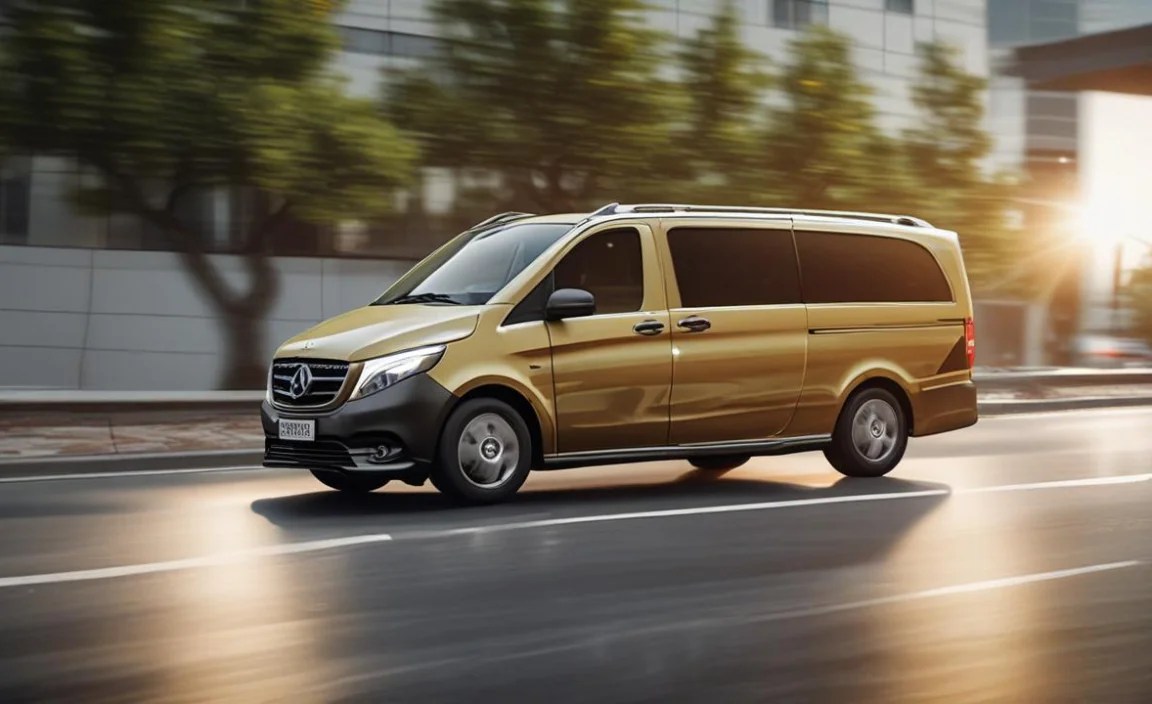
Mercedes-Benz often bundles these technologies into ‘packages’ to offer a comprehensive and cost-effective solution for customers. While specific package names and contents can evolve, here are common examples of what you might find:
| Package Name (Example) | Key Systems Included | Primary Benefit |
|---|---|---|
| Driving Assistance Package | Active Distance Assist DISTRONIC, Active Brake Assist, Blind Spot Assist, Lane Keeping Assist, ATTENTION ASSIST | Comprehensive support for highway driving, traffic, and accident prevention. |
| Parking Package | Reversing Camera, PARKTRONIC, Active Parking Assist (depending on trim) | Eases parking and low-speed maneuvering in tight spaces. |
| Mirror Package | Automatically dimming interior and exterior mirrors, electrically folding exterior mirrors | Enhanced visibility and comfort, especially at night, and protection of mirrors. |
It’s important to consult the latest Mercedes-Benz Vito configurator or your dealer to understand the exact packages and options available for the model you’re interested in. These packages are designed to enhance the overall driving experience, making the Vito not just a capable workhorse but also a remarkably safe and serene place to spend your working hours.
The Future of Vito Safety
Mercedes-Benz is continually pushing the boundaries of automotive safety. While the current Vito offers an impressive suite of assistance systems, the technology is always evolving. We can expect future iterations to feature even more sophisticated sensor technology, enhanced artificial intelligence for predictive safety, and potentially more advanced levels of semi-autonomous driving support. The commitment to reducing accidents and driver fatigue remains at the forefront of Mercedes-Benz’s engineering philosophy, ensuring that vehicles like the Vito will continue to set benchmarks in safety for years to come.
The integration of connectivity and vehicle-to-everything (V2X) communication also holds promise for future safety enhancements. Imagine vehicles communicating with each other and with infrastructure to predict and avoid hazards even more effectively. While this is still a developing area for commercial vehicles, Mercedes-Benz’s dedication to innovation suggests the Vito will remain at the cutting edge.
A Safer Journey, Every Time
The Mercedes-Benz Vito driver assistance systems are more than just a collection of technologies; they represent a commitment to your safety and well-being. By understanding and utilizing these intelligent features, you unlock a new level of confidence and control on the road. Whether you’re navigating bustling city streets, carrying vital cargo across long distances, or simply commuting to work, the Vito’s advanced systems act as your vigilant partners, working tirelessly to prevent accidents, reduce fatigue, and enhance your overall driving experience.
Embrace the peace of mind that comes with driving a vehicle engineered for ultimate safety. Keep your systems maintained, your sensors clear, and always remain aware that you are in control. The Mercedes-Benz Vito, with its sophisticated array of driver assistance features, truly is a testament to the brand’s dedication to making every journey as safe and comfortable as possible. Drive with confidence, knowing you’re backed by the best in automotive safety technology.


