
Mercedes SUV vs Volvo XC90: Perfect Power
For those seeking the ultimate in luxury SUV performance and comfort, the Mercedes-Benz SUV lineup often edges out the Volvo XC90 due to its wider range of potent powertrains, advanced driving dynamics, and signature opulent interior. While the Volvo XC90 offers a strong blend of safety and Scandinavian design, Mercedes-Benz typically provides a more refined driving experience and greater performance options.
Choosing your next large luxury SUV can feel like navigating a maze. You want space, comfort, and cutting-edge technology, but where do you begin when comparing benchmarks like a Mercedes-Benz SUV and the popular Volvo XC90? It’s a common dilemma for drivers who appreciate premium craftsmanship and robust performance. Many shoppers find themselves torn between these two titans, each offering compelling reasons to join their respective fan bases. The good news is, we’re here to simplify this comparison. We’ll break down what makes each one stand out, focusing on the power and performance that truly defines the driving experience. Get ready to discover which SUV reigns supreme for your power needs.
Understanding the Heart of the Matter: Powertrain Comparisons

When we talk about “power” in an SUV, it’s not just about raw horsepower. It’s about how that power is delivered, the responsiveness of the engine, the smoothness of the transmission, and how it all translates into a confident and enjoyable drive, whether you’re cruising on the highway or tackling city streets. This is where the distinction between a Mercedes-Benz SUV and the Volvo XC90 becomes particularly interesting.
Mercedes-Benz SUV Engine Options: A Spectrum of Strength
Mercedes-Benz is renowned for its diverse and potent engine offerings across its SUV range. From the compact GLA to the colossal GLS, there’s an engine designed to meet various performance expectations.
Four-Cylinder Torque: Even their entry-level engines, often turbocharged four-cylinders, provide a surprising amount of usable torque for daily driving and effortless acceleration. Models like the GLC and GLE utilize these efficient yet capable powerplants.
Six-Cylinder Smoothness: Stepping up, the inline-six engines found in models such as the GLE and GLS are a marvel of engineering. They offer a remarkable balance of power, smoothness, and fuel efficiency, often benefiting from mild-hybrid technology (EQ Boost) that enhances responsiveness and reduces turbo lag.
V8 Dominance (AMG): For the ultimate in “perfect power,” Mercedes-Benz offers V8 engines, especially under the AMG banner. These engines are designed for exhilarating performance, delivering breathtaking acceleration and a thrilling auditory experience that is hard to match. The AMG GLE 63 S, for instance, is a powerhouse that transforms a luxury SUV into a genuine performance machine.
Performance Tuning: Mercedes-Benz’s AMG division dedicates itself to pushing boundaries. Their AMG SUVs are not just about more cylinders or bigger displacement; they involve sophisticated engine tuning, enhanced cooling, robust transmissions, and performance-tuned suspensions to deliver a driving experience that’s both track-worthy and road-legal.
Volvo XC90 Powertrain Philosophy: Efficiency and Electrification
The Volvo XC90 has taken a more focused approach to its powertrains, prioritizing efficiency and electrification. Historically known for its smooth, refined engines, Volvo’s current strategy revolves around its “B” for mild-hybrid and “Recharge” for plug-in hybrid models, all based on a two-liter, four-cylinder engine.
Mild-Hybrid (B Series): The B5 and B6 engines in the XC90 utilize a 48-volt mild-hybrid system. This system assists the gasoline engine during acceleration and improves fuel economy by allowing the engine to shut off more frequently when coasting. While offering a smooth experience, they generally provide less outright power and a different acceleration feel compared to larger, multi-cylinder Mercedes-Benz engines.
Plug-in Hybrid (T8 Recharge): The T8 Recharge variant is the performance flagship of the XC90 lineup. It combines a turbocharged and supercharged four-cylinder gasoline engine with a powerful electric motor. This setup delivers impressive combined horsepower and torque, offering substantial electric-only range for daily commutes and a significant boost when both power sources work together. However, the experience can feel different from a traditional V8 or even a V6 due to the nature of hybrid power delivery.
Focus on Sustainability: Volvo’s powertrain choices reflect a strong commitment to reducing emissions and promoting electrified driving. This strategy means you won’t find the same variety of large-displacement, high-octane gasoline engines that Mercedes-Benz offers.
Dynamic Performance: How They Handle the Road

Power is one thing; how that power is managed and how the vehicle handles is another entirely. Here, Mercedes-Benz and Volvo also present distinct philosophies that cater to different driver expectations.
Mercedes-Benz SUVs: The Pinnacle of Driving Dynamics
Mercedes-Benz has long been synonymous with superior ride comfort and dynamic handling. This is achieved through advanced suspension systems, sophisticated chassis tuning, and sophisticated four-wheel-drive systems (4MATIC).
Agile Handling: Despite their size, many Mercedes-Benz SUVs feel remarkably agile. The engineering team works tirelessly to balance a comfortable ride with sporty handling, allowing drivers to feel connected to the road without being punished by its imperfections.
4MATIC All-Wheel Drive: Mercedes-Benz’s 4MATIC system is a sophisticated piece of engineering designed to optimize traction and stability in various driving conditions. It can actively distribute torque between the front and rear axles, enhancing grip during acceleration and cornering. Many systems are rear-biased, contributing to a more dynamic feel.
Air Suspension Options (AIRMATIC): For an added layer of refinement, many Mercedes-Benz models offer AIRMATIC air suspension. This system not only adjusts ride height for off-road capability or easier loading but also actively controls damping forces, providing an exceptionally smooth ride and minimizing body roll during spirited driving.
AMG Performance Tune: AMG models take this a step further. They feature sport-tuned suspensions, larger brakes, performance-oriented all-wheel-drive systems (often even more rear-biased), and adaptive damping that can be adjusted by the driver. The goal is to provide a visceral, engaging driving experience that borders on supercar territory for an SUV.
Volvo XC90: Comfort-Oriented with a Focus on Stability
The Volvo XC90 prioritizes a comfortable and secure driving experience. Its chassis is designed for excellent stability and a serene cabin environment.
Smooth and Composed Ride: The XC90 excels at soaking up bumps and road irregularities, providing a relaxed and quiet ride. It’s ideal for long-distance cruising and family duties.
All-Wheel Drive (AWD): Volvo typically offers a well-integrated AWD system that provides confident traction. While effective, it’s generally programmed with a focus on stability and safety over sporty dynamics, meaning torque bias might not be as pronounced or driver-adjustable as in some Mercedes-Benz systems.
Advanced Safety Integration: Volvo’s engineering prowess is deeply intertwined with safety. The XC90’s handling characteristics are optimized to work seamlessly with its extensive suite of driver-assistance systems, ensuring a predictable and safe journey.
Less Emphasis on Sportiness: While capable, the XC90 generally doesn’t offer the same level of dynamic performance tuning or the “driver’s car” feel that you might find in a similarly sized Mercedes-Benz SUV, particularly an AMG model. The focus remains firmly on comfort and safety.
Comparing Key Performance Metrics
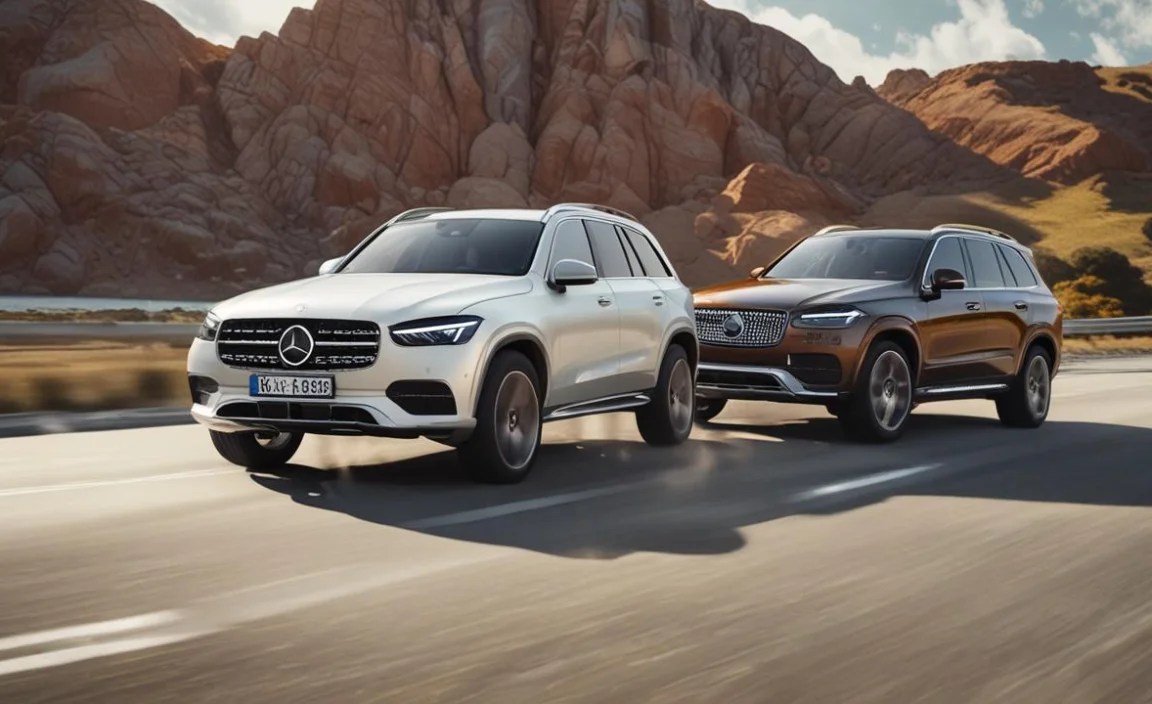
To illustrate the differences in “perfect power,” let’s look at a hypothetical comparison using popular models from each brand. We’ll use the Mercedes-Benz GLE (a popular mid-size luxury SUV) and the Volvo XC90 (a benchmark in its class).
| Feature | Mercedes-Benz GLE 350 4MATIC (2023) | Mercedes-Benz GLE 450 4MATIC (2023) | Mercedes-AMG GLE 53 4MATIC+ (2023) | Volvo XC90 B6 AWD (2023) | Volvo XC90 T8 Recharge AWD (2023) |
| :———————- | :———————————- | :———————————- | :——————————— | :———————————— | :——————————– |
| Engine | 2.0L Turbo I4 | 3.0L Turbo I6 w/ EQ Boost | 3.0L Turbo I6 w/ EQ Boost | 2.0L Turbo I4 w/ Mild-Hybrid (B6) | 2.0L Turbo & Supercharged I4 w/ Plug-in Hybrid |
| Horsepower | 255 hp | 362 hp | 429 hp | 295 hp | 455 hp (combined system output) |
| Torque | 273 lb-ft | 369 lb-ft | 384 lb-ft | 310 lb-ft | 523 lb-ft (combined system output) |
| Transmission | 9-Speed Automatic | 9-Speed Automatic | 9-Speed AMG SPEEDSHIFT MCT Auto | 8-Speed Geartronic Auto | 8-Speed Geartronic Auto |
| 0-60 mph (approx.) | 6.7 seconds | 5.5 seconds | 4.9 seconds | 6.7 seconds | 5.0 seconds |
| Drivetrain | 4MATIC AWD | 4MATIC AWD | 4MATIC+ AWD | AWD | AWD |
| Suspension | Steel Spring | AIRMATIC Air Suspension (Optional) | AMG RIDE CONTROL+ Air Suspension | Double Wishbone, Integral Link | Double Wishbone, Integral Link |
| Towing Capacity (max.) | ~3,500 lbs | ~7,700 lbs | ~7,700 lbs | ~5,000 lbs | ~5,000 lbs |
(Note: Specifications can vary by model year and specific options. Always consult official manufacturer data for the most accurate information.)
As you can see, Mercedes-Benz offers a broader spectrum. While the XC90 T8 Recharge is a formidable performer, the GLE lineup, especially with its optional engines and AMG variants, presents more powerful and varied choices for those prioritizing sheer acceleration and dynamic capabilities. The towing capacity of the GLE is also notably higher across most configurations, a crucial factor for some SUV buyers.
Technology and Innovation: Features That Enhance Power Delivery

Modern SUVs are not just about mechanical power; they’re also about intelligent technology that enhances the driving experience, safety, and efficiency.
Mercedes-Benz: Seamless Integration and Driver Focus
Mercedes-Benz is at the forefront of automotive technology, integrating cutting-edge systems that complement its powerful engines.
MBUX Infotainment System: The Mercedes-Benz User Experience (MBUX) is a dual-screen system featuring advanced voice control (“Hey Mercedes”), natural language understanding, and highly customizable displays. It’s intuitive and keeps essential information readily accessible without distracting from the drive.
Driver Assistance Systems: Mercedes-Benz offers a comprehensive suite of advanced driver-assistance systems (ADAS) that work harmoniously with the vehicle’s power. Features like Active Distance Assist DISTRONIC (adaptive cruise control) and Active Steering Assist use sensors and cameras to enhance safety and reduce driver fatigue, making highway cruising with a powerful engine even more effortless.
ENERGIZING Comfort Control: This innovative system links various comfort features like climate control, ambient lighting, heated/ventilated seats, and even the sound system to create pre-set programs aimed at relaxation or invigorating the driver. It’s a subtle way technology enhances the feeling of premium power.
Advanced Drivetrain Management: Technologies like the aforementioned EQ Boost actively manage power delivery from mild-hybrid systems, providing an immediate surge of torque and smoother engagement of the combustion engine. For AMG models, these systems are even more performance-oriented, adjusting drivetrain behavior for optimal acceleration and handling.
Volvo XC90: Safety-Centric and User-Friendly Tech
Volvo’s technology philosophy is deeply rooted in safety and user-friendliness, with a clean, Scandinavian aesthetic.
Sensus Infotainment System: The XC90 features a large, vertically oriented touchscreen that controls most vehicle functions. It’s clean and relatively easy to navigate, offering smartphone integration (Apple CarPlay, Android Auto) and built-in navigation.
Class-Leading Safety Features: Volvo is a pioneer in automotive safety, and the XC90 is packed with a comprehensive suite of ADAS. Features like City Safety (automatic emergency braking with pedestrian and cyclist detection), Pilot Assist (advanced adaptive cruise control with lane centering), and Blind Spot Information System provide peace of mind, particularly for family transport.
Heads-Up Display (HUD): Available on higher trims, the HUD projects key information like speed, navigation, and safety alerts directly onto the windshield, allowing drivers to keep their eyes on the road.
Electromechanical Powertrain Integration: In the T8 Recharge, the integration between the gasoline engine and electric motor is crucial. The system manages energy flow for optimal performance and efficiency, providing instant electric torque when needed.
Interior Luxury and Comfort: Where Power Meets Plushness

While raw power is exciting, the environment in which you experience it is paramount in a luxury SUV. Both brands excel here, but with different approaches.
Mercedes-Benz: Opulence and Craftsmanship
Mercedes-Benz interiors are traditionally synonymous with absolute luxury, premium materials, and meticulous craftsmanship.
High-Quality Materials: Expect supple leather, real wood veneers, brushed metals, and soft-touch surfaces throughout the cabin. The attention to detail is exceptional.
Ergonomic Seating: Seats are designed for long-distance comfort, often featuring heating, ventilation, massage functions, and a wide range of adjustability.
Ambiance and Lighting: Customizable ambient lighting with multiple color schemes creates a sophisticated and personalized atmosphere.
Refined Cabin Noise Isolation: Mercedes-Benz vehicles are renowned for their quiet cabins, effectively masking road and wind noise, allowing the powerful engines to be heard only when desired (especially AMG models).
Volvo XC90: Scandinavian Minimalism and Wellbeing
The Volvo XC90’s interior offers a distinct, modern, and minimalist luxury.
Clean Design: The cabin is characterized by its clean lines, uncluttered dashboard, and a focus on natural materials. It feels airy and sophisticated.
Premium Upholstery Options: Volvo offers high-quality leather, and increasingly, sustainable and premium textile choices.
Comfortable Seating: Volvo seats are famously supportive and comfortable, designed with ergonomic principles in mind, making them excellent for long journeys.
* Focus on Air Quality: Volvo places a strong emphasis on cabin air purification and quality, contributing to a sense of wellbeing for occupants.
FAQ: Your Burning Questions Answered
Q1: Which SUV is generally faster, a Mercedes-Benz SUV or the Volvo XC90?
A1: While the Volvo XC90 T8 Recharge is quite fast, Mercedes-Benz, especially with its AMG variants, typically offers more powerful engine options and higher performance figures across its SUV lineup. For sheer acceleration and top-end speed, Mercedes-Benz often has the edge.
Q2: Are Mercedes-Benz SUVs more powerful than the Volvo XC90?
A2: Mercedes-Benz SUVs offer a wider range of engines, including more potent V6 and V8 options, particularly in their AMG models, which generally produce more horsepower and torque than the Volvo XC90’s typically four-cylinder-based powertrains.
Q3: Which SUV has better handling, Mercedes-Benz or Volvo XC90?
A3: Mercedes-Benz SUVs are generally tuned for a more dynamic and engaging driving experience, offering sharper handling and better feedback. The Volvo XC90 prioritizes a comfortable, stable, and secure ride, which can feel less sporty.
Q4: Is the Volvo XC90 T8 Recharge a powerful SUV?
A4: Yes, the Volvo XC90 T8 Recharge is a very capable and powerful SUV. Its plug-in hybrid system delivers impressive combined horsepower and torque, offering strong acceleration and the benefit of electric-only driving for shorter distances.
Q5: Which brand offers a more luxurious interior?
A5: Both brands offer luxurious interiors with high-quality materials. Mercedes-Benz interiors are often characterized by traditional opulence, intricate detailing, and premium finishes, while Volvo offers a modern, minimalist, and spacious Scandinavian luxury experience.
Q6: What about fuel efficiency between the Mercedes SUV and Volvo XC90?
A6: This varies greatly by specific model and engine. The Volvo XC90, particularly its T8 Recharge plug-in hybrid, can offer excellent fuel efficiency for daily commuting due to its electric capabilities. Mercedes-Benz SUVs with smaller engines and hybrid technology also aim for efficiency, but their larger, more powerful engines will naturally consume more fuel.
Q7: Which SUV is better for towing, Mercedes-Benz SUV or Volvo XC90?
A7: In general, many Mercedes-Benz SUVs (like the GLE) offer higher maximum towing capacities than the Volvo XC90, often exceeding 7,000 pounds compared to the XC90’s around 5,000 pounds. This makes Mercedes-Benz a stronger contender if heavy towing is a priority.
Conclusion: Choosing Your Powerhouse
When it comes to comparing a Mercedes-Benz SUV against the Volvo XC90, the choice ultimately hinges on what you prioritize in your luxury SUV experience. If “perfect power” means a spectrum of exhilarating engine options, from potent AMG V8s to smooth, electrified inline-sixes, combined with sophisticated driving dynamics and an interior that screams timeless luxury, then a Mercedes-Benz SUV is likely your answer. They offer a breadth of performance that caters to enthusiasts seeking thrilling acceleration and an engaging drive.
However, if your definition of perfect power includes exceptional safety, a minimalist and serene interior environment, and a strong focus on sustainability through sophisticated hybrid technology that can deliver impressive performance and efficiency for daily use, the Volvo XC90 stands out. Its T8 Recharge model is a powerful statement in electrified luxury, offering a refined and capable package.
Both are exceptional vehicles. But


