
Mercedes GLS vs Range Rover: Ultimate Luxury SUV
For those seeking the pinnacle of luxury SUVs, the Mercedes-Benz GLS offers unmatched refinement and advanced technology, while the Range Rover excels in off-road prowess and iconic British elegance. Ultimately, the Mercedes GLS typically provides a more car-like, comfortable, and technologically advanced on-road driving experience, whereas the Range Rover is the undisputed champion for traversing challenging terrain with sophisticated ease.
Choosing a full-size luxury SUV is a significant decision, and two titans often dominate the conversation: the Mercedes-Benz GLS and the Range Rover. Both are incredibly capable, lavishly appointed, and designed to impress. But when you’re trying to decide which one belongs in your driveway, the differences can feel subtle yet profound. Which one truly offers the ultimate luxury SUV experience for you? We’ll break down what sets these automotive icons apart.
The Mercedes-Benz GLS: The “S-Class of SUVs”

Often referred to as the “S-Class of SUVs,” the Mercedes-Benz GLS embodies the very essence of Mercedes-Benz luxury. It’s about smooth comfort, cutting-edge technology, and a driving experience that feels supremely refined, especially on paved roads. Think of it as a mobile palace, offering ample space for up to seven passengers in three rows, all cocooned in premium materials and advanced features.
The Range Rover: The Quintessential All-Terrain Luxury

The Land Rover Range Rover has built its legacy on being the ultimate go-anywhere luxury vehicle. It seamlessly blends opulent interiors with formidable off-road capabilities, a combination that no other SUV has quite matched. If your definition of luxury includes tackling challenging landscapes with effortless grace, the Range Rover is likely speaking your language.
A Tale of Two Philosophies: On-Road vs. Off-Road
At their core, the GLS and Range Rover represent distinct philosophies in the luxury SUV segment. The GLS prioritizes a supremely comfortable and technologically advanced on-road experience. It aims to replicate the plush ride and sophisticated cabin of a Mercedes-Benz S-Class sedan, but with the added versatility of an SUV.
The Range Rover, while still incredibly luxurious and comfortable on tarmac, is fundamentally engineered to conquer off-road environments. Its reputation is built on its superior ability to traverse mud, sand, rocks, and steep inclines, all while keeping its occupants in serene comfort.
Design and Exterior: Elegance Meets Presence

When you look at these two SUVs, you see their contrasting approaches immediately.
Mercedes-Benz GLS Design:
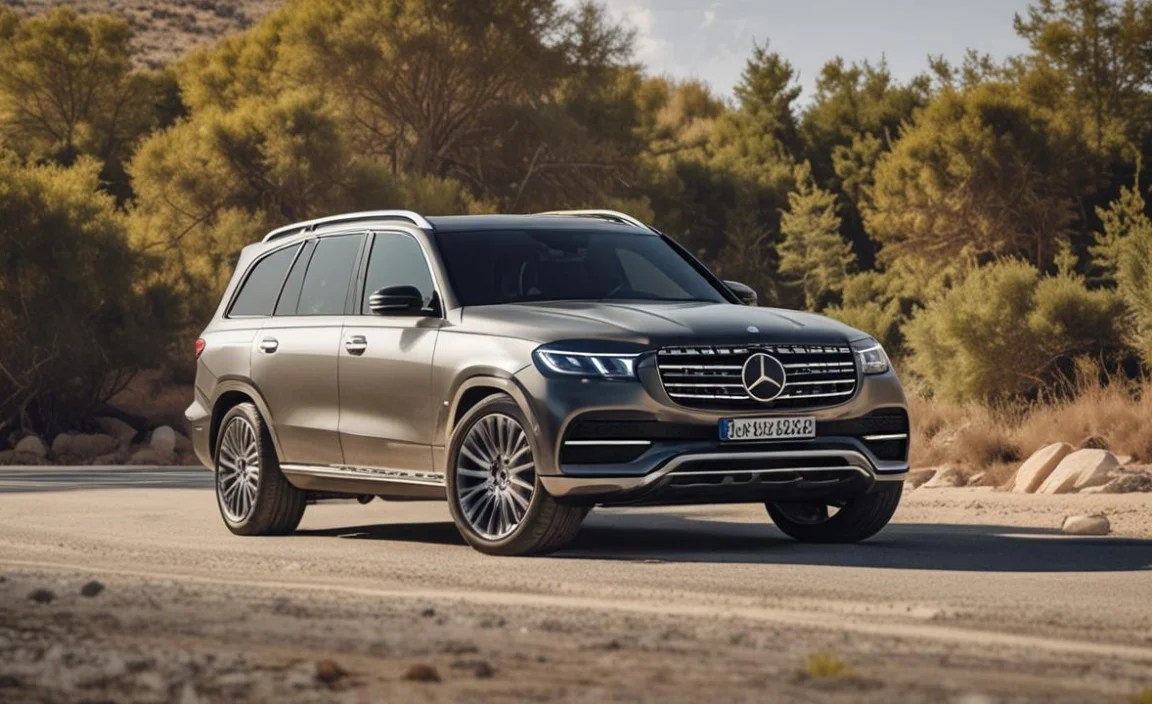
The GLS presents a bolder, more imposing presence. Its design language is distinctly Mercedes-Benz, featuring the signature star emblem prominently on the grille. It’s sleek, muscular, and undeniably upscale, conveying a sense of arrival and prestige. Chrome accents, sculpted lines, and a well-proportioned stance give it a commanding yet elegant appearance.
Range Rover Design:
The Range Rover embodies a timeless, minimalist, and instantly recognizable design. Its silhouette is iconic, characterized by clean lines, a distinctive floating roof, and a confident, upright stance. The design speaks of understated British luxury and capability, projecting an image of refined power and enduring elegance.
Interior Luxury: Craftsmanship and Comfort

Step inside, and both the GLS and Range Rover reveal their dedication to luxury. However, the feeling and focus differ.
Mercedes-Benz GLS Interior:
The GLS cabin is a masterclass in modern luxury. Expect exquisite materials like Nappa leather, open-pore wood trims, and brushed metal accents. The dashboard is dominated by the impressive MBUX (Mercedes-Benz User Experience) infotainment system, featuring two large, seamlessly integrated widescreen displays. The seats are exceptionally comfortable, offering heating, ventilation, and massage functions, especially in the first two rows. Third-row access and space are also thoughtfully designed for a large SUV.
Range Rover Interior:
The Range Rover’s interior is a sanctuary of refined opulence. It often feels more bespoke and handcrafted, with premium leathers, fine wood veneers, and exceptional attention to detail. The design is typically more traditional yet contemporary, focusing on creating a calm and serene environment. Seating is supremely supportive, with ample space for all occupants. The rear-seat experience is particularly plush, with options for executive-style seating configurations.
Performance and Powertrain: Power and Refinement
Both SUVs offer powerful engines, but they deliver their performance in different ways.
Mercedes-Benz GLS Engines:
The GLS typically offers a range of potent engines, often including a smooth inline-six or a robust V8. Mercedes-Benz’s commitment to performance is evident. For instance, the GLS 450 features a 3.0-liter inline-six turbo engine with mild-hybrid technology, delivering smooth acceleration and impressive efficiency for its size. The AMG GLS 63 ups the ante with a handcrafted V8, offering exhilarating performance. The ride is consistently smooth and composed, thanks to advanced suspension systems like AIRMATIC or the even more sophisticated E-ACTIVE BODY CONTROL, which can actively counteract body roll.
Range Rover Engines:
Range Rover offers potent powertrains, often a V6 or V8, with a focus on delivering torque for both on-road cruising and off-road capability. The available Ingenium engines are known for their refinement and strength. While not typically as overtly sporty as its AMG counterparts, the Range Rover’s powertrain is tuned for effortless acceleration and confident hauling. Its suspension system is engineered to provide an exceptionally comfortable ride on the road while simultaneously enabling impressive articulation and ground clearance for off-road excursions.
Technology and Features: Innovation at Your Fingertips

Both manufacturers pack their flagships with an array of advanced technology.
Mercedes-Benz GLS Technology:
Mercedes-Benz is renowned for its innovation, and the GLS is a showcase. The MBUX infotainment system is intuitive and features a stunning dual-screen display, natural voice control, and advanced navigation. Features like augmented reality navigation, sophisticated driver-assistance systems (including adaptive cruise control, lane-keeping assist, and autonomous emergency braking), and premium sound systems are standard or available. The focus is on intuitive control and enhancing the passenger experience.
Range Rover Technology:
The Range Rover boasts its own impressive suite of technology, often centered around the Pivi Pro infotainment system, known for its responsive touchscreen and modern interface. Advanced driver aids are plentiful, ensuring safety and convenience. The brand also emphasizes its sophisticated Terrain Response system, allowing drivers to fine-tune the vehicle’s dynamics for various surfaces, and its extensive suite of cameras and sensors for all-around awareness, especially when tackling off-road challenges or navigating tight spaces.
Off-Road Capability: Where the Range Rover Shines

This is arguably the most significant differentiator.
Mercedes-Benz GLS Off-Road:
While the GLS can handle light off-roading and adverse weather conditions with its all-wheel-drive (4MATIC) system and decent ground clearance, it is by no means an extreme off-roader. Its strengths lie in its on-road comfort and capability, making it ideal for tackling snow-covered streets or unpaved driveways.
Range Rover Off-Road:
The Range Rover is a perennial leader in off-road capability. Its sophisticated four-wheel-drive system, advanced air suspension that can raise ride height considerably, locking differentials, and the ingenious Terrain Response 2 system allow it to tackle terrain that would leave most other luxury SUVs stranded. It’s built with robust underpinnings and a design that prioritizes maximum articulation and water wading depth. For serious adventurers, the Range Rover is the clear choice. According to Land Rover’s own specifications, the Range Rover has a maximum wading depth of up to 900mm (35.4 inches). Learn more about the Range Rover’s capabilities on Land Rover’s official site.
Practicality and Space: Family Haulers Supreme
When it comes to hauling people and cargo, both are excellent.
Mercedes-Benz GLS Space:
The GLS offers seating for up to seven passengers across three rows. The second and third rows can fold flat electronically, creating a vast cargo area. Its dimensions are generous, ensuring ample legroom and headroom for most occupants, even in the third row, which is more usable than in many competitors.
Range Rover Space:
The Range Rover also offers impressive interior space, typically seating five as standard, with the option for seven seats in some configurations, though often with a slightly tighter third row than the GLS. The focus here can sometimes be more on the luxurious experience for the first two rows, but it remains highly practical for families. Its cargo area is also substantial and well-appointed.
Pricing and Value
Both vehicles represent a significant investment. Pricing varies widely based on trim levels, engine choices, and optional packages.
Mercedes-Benz GLS Pricing:
The GLS typically starts at a slightly lower price point than the Range Rover, but its options can quickly escalate the cost. As a Mercedes-Benz, it benefits from strong brand recognition and often holds its value well, especially in well-maintained condition.
Range Rover Pricing:
The Range Rover generally commands a premium price, reflecting its unparalleled off-road heritage and sophisticated luxury. Its resale value can also be strong, particularly for well-equipped models.
Key Differences at a Glance
To help crystallize the comparison, here’s a table highlighting their core strengths:
| Feature | Mercedes-Benz GLS | Range Rover |
|---|---|---|
| Primary Focus | On-road comfort, technology, luxury refinement | Off-road prowess, iconic luxury, all-terrain capability |
| On-Road Ride | Extremely smooth, serene, car-like | Very comfortable, refined, capable |
| Off-Road Capability | Good for light trails, adverse weather | Exceptional, best-in-class |
| Interior Technology | Cutting-edge infotainment (MBUX), driver aids | Refined Pivi Pro, advanced vehicle dynamics control |
| Seating | Standard 7 seats, comfortable throughout | Standard 5 seats, 7-seat option (often tighter third row) |
| Towing Capacity | Generally strong, suitable for most needs | Very strong, often class-leading |
| Brand Image | German precision, technological leadership | British heritage, ultimate luxury explorer |
Which One is Right for You?
The choice between the Mercedes-Benz GLS and the Range Rover ultimately comes down to your lifestyle and priorities.
Choose the Mercedes-Benz GLS if:
Your driving primarily occurs on paved roads, highways, and in urban environments.
You prioritize the latest in automotive technology and a luxurious, S-Class-like experience.
You frequently carry up to seven passengers comfortably.
You appreciate a smooth, refined, and quiet ride above all else.
You want a vehicle that feels cutting-edge and packed with digital innovation.
Choose the Range Rover if:
You need or desire genuine, class-leading off-road capability.
You live in an area with challenging terrain, unpaved roads, or extreme weather.
You value a blend of rugged capability with impeccable luxury and timeless design.
You appreciate a serene, almost tranquil cabin environment.
You want an SUV with an iconic, adventurous, and sophisticated image.
Frequently Asked Questions
Q1: Is the Mercedes GLS or Range Rover more reliable?
Reliability can vary by model year and maintenance. Generally, both brands have made strides in improving reliability. However, complex luxury vehicles from any manufacturer can be costly to repair when issues arise. Routine, proper maintenance from a certified technician is crucial for both. Resources like Consumer Reports often provide detailed annual reliability ratings based on owner surveys.
Q2: Which SUV has better fuel economy?
Typically, the Mercedes-Benz GLS, especially with its inline-six engines and mild-hybrid technology, might offer slightly better fuel economy on the highway due to its focus on on-road efficiency. The Range Rover’s powertrains are powerful but can be less efficient, especially when engaging its off-road systems or towing. Always check the official EPA estimates for the specific model year and engine you are considering.
Q3: Can the GLS handle rough roads as well as the Range Rover?
The GLS offers a supremely comfortable ride on most paved roads and can handle well-maintained gravel or unpaved roads with ease, especially with its advanced air suspension. However, it is not designed for serious off-road excursions. The Range Rover, with its extensive ground clearance, robust suspension articulation, and advanced terrain management systems, is built to tackle significantly rougher and more challenging off-road conditions.
Q4: Which SUV offers more cargo space?
Both offer generous cargo space. The GLS often has a slight edge in overall cargo volume when all rear seats are folded down, and its third row is generally more accommodating for adults than the optional third row in some Range Rover configurations. However, the usable space in both is very substantial for daily needs and family trips.
Q5: Are either the GLS or Range Rover good for towing large trailers?
Yes, both vehicles are capable of towing large trailers. Their powerful engines and robust chassis make them suitable for towing boats, campers, or utility trailers. Specific towing capacities vary by engine and configuration, so it’s essential to check the manufacturer’s specifications for the exact model you are interested in. Land Rover often highlights its towing capabilities as a core strength.
Q6: Which is more expensive: Mercedes GLS or Range Rover?
The Range Rover typically has a higher starting price and often commands a higher price as you move up in trim levels and options compared to the Mercedes-Benz GLS. However, both are premium luxury vehicles, and well-optioned versions of either can become quite expensive.
Conclusion: The Ultimate Choice is Personal
The “ultimate luxury SUV” title is fiercely contested, and both the Mercedes-Benz GLS and the Range Rover make incredibly compelling cases. The Mercedes-Benz GLS stands out as a paragon of on-road comfort, technological sophistication, and refined elegance, offering an experience akin to the S-Class sedan but in an SUV body. It’s perfect for those who value a smooth, luxurious ride for daily commutes and family transport, with plenty of space and cutting-edge tech.
On the other hand, the Range Rover remains the undisputed monarch of all-terrain luxury. Its legendary off-road prowess, combined with an opulent and serene interior, makes it the ideal choice for adventurers who refuse to compromise on comfort or capability. It’s a vehicle that inspires confidence, whether navigating city boulevards or remote wilderness trails.
Ultimately, your personal needs and driving environment will dictate which of these magnificent machines is the right choice for you. Both represent the zenith of SUV engineering and luxury, promising an ownership experience that is both exclusive and highly rewarding.


