
Mercedes SUV Roof Rails: Essential Luxury
Mercedes SUV Roof Rails: Essential Luxury for Enhanced Utility and Style.
Mercedes SUV Roof Rails: Essential Luxury
A Mercedes-Benz SUV is more than just a vehicle; it’s a statement of style, performance, and uncompromising quality. For many owners, the desire to enhance its functionality without compromising its aesthetic appeal is a priority. This is where Mercedes SUV roof rails come into play. More than just an accessory, these thoughtfully designed components offer a blend of practicality and elegance.
If you’ve ever found yourself wishing your luxurious Mercedes SUV could carry a bit more, whether it’s sports equipment for a weekend getaway or extra luggage for a family road trip, understanding roof rails is your first step. These versatile additions can unlock a new level of utility, transforming your vehicle into an even more capable companion for all of life’s adventures. Let’s explore what makes Mercedes SUV roof rails an essential luxury.
The Allure of Mercedes SUV Roof Rails: Beyond Just Carrying Capacity

Elegance Meets Functionality
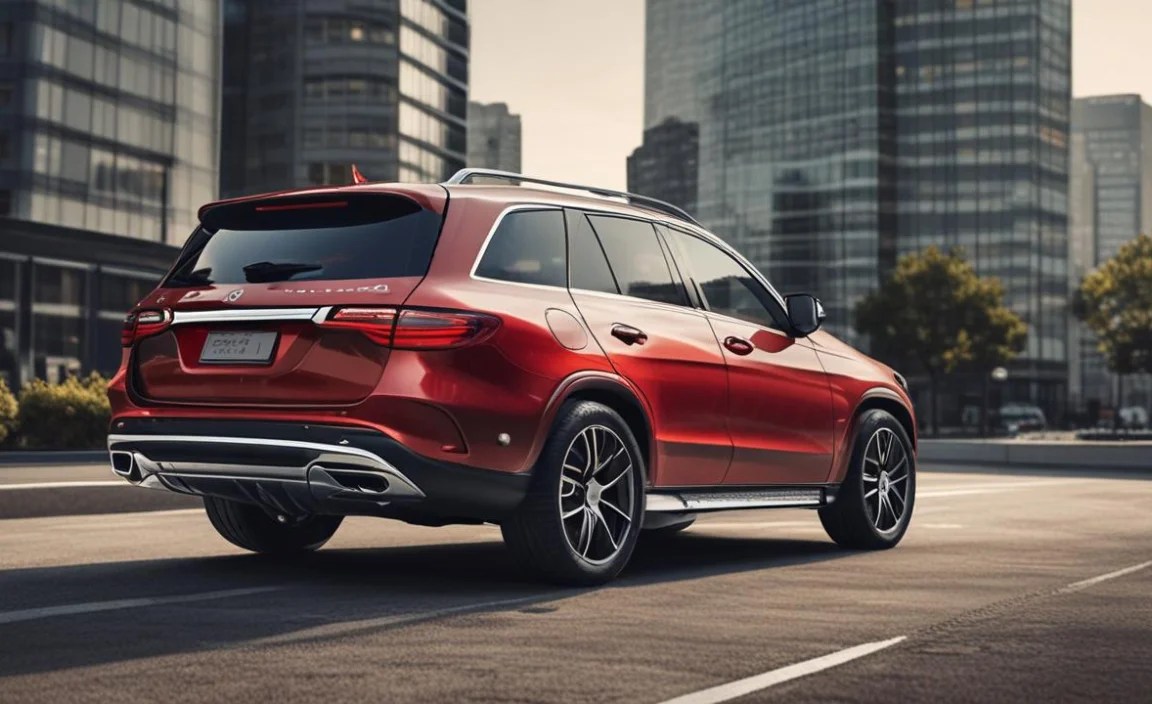
When you think of Mercedes-Benz, you envision sophisticated design and meticulous engineering. The roof rails designed for their SUVs are a perfect embodiment of this philosophy. They aren’t simply tacked-on bars; they are integrated seamlessly into the vehicle’s roofline, enhancing its inherent elegance while providing a robust platform for carrying additional gear. This meticulous design ensures that yourMercedes SUV’s premium look is preserved, and in many cases, even accentuated.
Versatility for Every Lifestyle
Whether you’re an avid adventurer who loves to hit the slopes or the trails, a frequent traveler, or a family that needs extra space for sports equipment, Mercedes SUV roof rails offer unparalleled versatility. They serve as the foundation for a wide array of accessories, from bike racks and ski carriers to luggage boxes and kayak mounts. This adaptability transforms your SUV from a daily driver into a true all-purpose vehicle, ready for any excursion.
Engineered for Performance and Safety
Mercedes-Benz doesn’t compromise on safety or performance, and their roof rails are no exception. They are engineered to meet rigorous safety standards, ensuring that any load you carry is secure and stable. The aerodynamic design also minimizes wind noise and drag, contributing to a more comfortable and fuel-efficient drive. This attention to detail means you can travel with peace of mind, knowing your cargo is safely attached.
Understanding the Types of Mercedes SUV Roof Rails

Mercedes-Benz offers different configurations and designs for their SUV roof rails, catering to various models and owner preferences. Understanding these distinctions will help you choose the right system for your needs.
Factory-Installed vs. Aftermarket Options
Most Mercedes SUVs come with either integrated roof rails or pre-designed mounting points for factory-installed rails. These are typically the most aesthetically pleasing and seamlessly integrated options. Aftermarket options exist, but it’s crucial to ensure they are specifically designed for your Mercedes model and meet quality standards to avoid compromising your vehicle’s integrity or warranty.
Integrated Rails
These rails run the length of the roof and are often a sleeker, lower-profile design. They usually feature a channel system where crossbars or specialized carriers can be attached. Their design is often more aerodynamic and visually appealing, blending smoothly with the vehicle’s lines.
Raised Rails
Raised rails are more traditional, with a distinct gap between the rail and the roof of the vehicle. This gap allows for different types of mounting systems and can sometimes offer more flexibility in attaching accessories. However, they can also create more wind noise and may not look as streamlined as integrated rails.
Flush Rails
Similar to integrated rails, flush rails sit very close to the roofline. The key difference is that they lack an open channel. Crossbars typically mount directly onto the rails using specialized clamps, offering a very clean and modern look.
Choosing the Right Roof Rail System for Your Mercedes SUV

Selecting the appropriate roof rail system is a crucial step in maximizing your Mercedes SUV’s potential. Consider these factors to make an informed decision.
Compatibility with Your Mercedes Model
This is paramount. Always confirm that the roof rails and any associated accessories are designed specifically for your Mercedes-Benz SUV model and year. Using incompatible parts can lead to improper fit, damage, and safety hazards. You can usually find this information in your owner’s manual or by consulting a Mercedes-Benz dealership or a trusted parts supplier.
Your Carrying Needs
What do you plan to carry?
- Light Adventures: For occasional use with smaller items like a single bike or a few bags, basic crossbars might suffice.
- Weekend Getaways: If you frequently pack for short trips, a roof box can significantly increase your cargo capacity.
- Serious Sports Enthusiast: For carrying skis, snowboards, kayaks, or multiple bikes, specialized carriers designed for these activities are essential.
- Bulky Items: Some roof rail systems can support heavier loads, but always check the weight limits.
Aesthetics and Design
While functionality is key, the visual impact of roof rails on your luxury SUV shouldn’t be overlooked. Integrated or flush rails often offer a sleeker, more modern appearance that complements the sophisticated lines of a Mercedes-Benz. Consider how the rails will look on your specific vehicle and whether they align with your personal style.
Ease of Installation and Use
Some roof rail systems are designed for easy, tool-free installation, while others may require more specialized tools or professional fitting. If you plan on frequently removing and reinstalling crossbars or carriers, a user-friendly system is advisable. Check reviews or product descriptions for information on installation difficulty.
Essential Accessories for Your Mercedes SUV Roof Rails

Once your Mercedes SUV is equipped with roof rails, the real customization begins with the accessories that unlock its full potential. These are the workhorses that allow you to transport your gear safely and securely.
Crossbars: The Foundation
Crossbars are the fundamental components that attach to your roof rails, creating a base for other accessories. They come in various materials like aluminum (lighter and often more aerodynamic) and steel (typically more affordable and robust). Ensure they are compatible with your specific roof rail system and have a sufficient weight capacity for your intended use.
For aerodynamic efficiency and noise reduction, look for crossbars with an airfoil shape. These are designed to minimize wind resistance, much like an airplane wing. You can learn more about aerodynamic principles from resources like NASA’s educational materials, which often explain how shape impacts airflow and efficiency.
Roof Boxes (Cargo Carriers)
Roof boxes are invaluable for increasing storage capacity without affecting vehicle aerodynamics too drastically. They are ideal for luggage, camping gear, strollers, and anything else you need to carry that doesn’t fit inside your SUV. Mercedes-Benz offers their own branded roof boxes, often designed to match the vehicle’s styling and engineered for optimal performance.
When choosing a roof box, consider its capacity (measured in liters), length, width, and weight. It’s also important to consider how you’ll access the box – side opening or dual-opening designs offer different levels of convenience.
Bicycle Racks
For the cycling enthusiast, a dedicated bike rack is a must-have. These can mount directly to the crossbars and come in various types:
- Fork-mounted: These racks secure the bike by its front fork, often the lightest and most stable option.
- Frame-mounted: These secure the bike by its frame.
- Wheel-mounted: These hold the bike upright and secure it by its wheels.
Ensure the rack is compatible with your bike’s frame (e.g., carbon frames may require special adapters) and your wheel size.
Ski and Snowboard Carriers
Designed to securely hold skis and snowboards, these carriers often feature locking mechanisms to protect your equipment. They can range from simple carriers that clamp onto skis to enclosed boxes that offer protection from the elements.
Kayak and Canoe Mounts
Transporting watercraft requires robust and specialized mounts that can securely hold the weight and shape of kayaks or canoes. Look for systems that offer good padding and tie-down points.
Installation: A Step-by-Step Guide (General)
While specific installation procedures vary depending on your Mercedes SUV model and the type of roof rails and accessories you have, here’s a general outline of what to expect. Always refer to your vehicle’s owner’s manual and the accessory manufacturer’s instructions for precise details.
Step 1: Preparation
- Gather Tools: Ensure you have the necessary tools as specified by the manufacturer. This might include torque wrenches, measuring tapes, and specific Allen keys or wrenches.
- Clean the Roof: Thoroughly clean the roof area where the rails and crossbars will be mounted. Any dirt or debris can cause scratches or prevent a proper seal.
- Read Instructions: Carefully read and understand the installation manual for both your roof rails (if being installed) and your crossbars.
Step 2: Installing Roof Rails (If Not Factory-Integrated)
This process can be complex and is often best left to a professional if you are not comfortable. It may involve:
- Removing interior headliner panels.
- Drilling into the roof (in some older or specific models).
- Securing mounting brackets to the vehicle’s chassis or frame.
- Sealing any penetrations to prevent leaks.
For most modern Mercedes SUVs, the rails are either factory-fitted or designed to mount into pre-existing points, simplifying this stage.
Step 3: Installing Crossbars
This is typically a more straightforward process:
- Identify Mounting Points: Locate the designated mounting points on your installed roof rails. These might be slots, pre-drilled holes, or areas designed for clamps.
- Position the Crossbars: Place the crossbars onto the roof rails according to the instructions. Pay close attention to the recommended spacing between the bars, as this is crucial for load stability and can impact aerodynamics.
- Secure the Clamps/Feet: Attach the clamping mechanism or feet of the crossbar to the roof rail. Some systems will have an audible click or indicator when properly secured.
- Tighten to Specification: Use a torque wrench to tighten the bolts to the manufacturer’s specified torque. Overtightening can damage the rails or bars, while undertightening can lead to the bars shifting or detaching. Using a quality torque wrench is essential for safety. Resources like the Institution of Engineering and Technology (IET) often provide insights into the importance of precise torque application in engineering.
- Test Security: Gently try to move the crossbars. They should feel solid and secure with no significant play.
Step 4: Attaching Accessories
Follow the specific instructions for your bike rack, roof box, or other carrier. Most accessories will attach either to the crossbars or directly to the roof rails using specialized mounting hardware.
Step 5: Final Check and Load Testing
Before hitting the road, perform a thorough check of all connections. Load your intended gear and then drive a short distance at moderate speed. Stop and re-check all fastenings. Carry out a more rigorous check after a longer drive, especially after encountering bumps or uneven surfaces.
Maintenance and Care for Your Mercedes SUV Roof Rails and Accessories
Proper maintenance ensures the longevity and safety of your roof rail system and the precious cargo it carries. Treat them with the same care you give to your Mercedes itself.
Regular Inspections
- Before Each Use: Check that all connections are tight, that there are no visible signs of damage (cracks, corrosion), and that any moving parts on accessories (like locks or latches) are functioning correctly.
- Periodically: More thorough inspections every few months are recommended. This includes checking for any loosening of the mounting hardware, wear and tear on rubber seals or pads, and the condition of the paint or finish on the rails and accessories.
Cleaning
- Washing: Wash your roof rails and accessories regularly with mild soap and water. Avoid abrasive cleaners or harsh chemicals that could damage the finish.
- Drying: Dry thoroughly with a soft cloth to prevent water spots.
- Lubrication: Periodically lubricate any moving parts, such as locks or hinges on roof boxes, with a silicone-based lubricant.
Storage
If you remove your crossbars or accessories when not in use, store them in a clean, dry place. This protects them from the elements and prevents potential damage.
Weight Limits
Always adhere to the weight limits specified by Mercedes-Benz for your vehicle’s roof load capacity, and the limits for your specific roof rail and crossbar system. Overloading can compromise vehicle stability and damage the roof structure. Consult your owner’s manual for the precise roof load capacity of your Mercedes SUV. For example, the maximum roof load capacity for many Mercedes-Benz models is often around 75-100 kg (165-220 lbs), but this varies significantly by model and year.
Troubleshooting Common Issues
Even with premium components, occasional issues can arise. Here are some common problems and their solutions:
Wind Noise
Cause: Aerodynamic drag, especially at higher speeds, can cause whistling or humming noises.
Solution: Ensure crossbars are properly aligned and tightened. Consider aerodynamic crossbars or wind deflectors. Sometimes, repositioning the crossbars slightly can alter the airflow and reduce noise. Ensure any rubber seals or strips on the crossbars are in place and intact.
Leaking Around Mounts
Cause: Improper installation or damaged seals can allow water to enter.
Solution: If your roof rails were installed aftermarket and involve drilling, the seals may need to be re-bedded. Professional inspection is recommended. If the leak is from accessory mounts, ensure all seals and gaskets are correctly in place and not torn or worn.
Loose or Rattling Accessories
Cause: Mounts have loosened over time, or accessories are not properly secured.
Solution: Re-tighten all mounting hardware for both the crossbars and the accessories. Ensure all locking mechanisms are engaged. Check for any missing clips or vibration dampers.
Difficulty Attaching Accessories
Cause: Compatibility issues, dirt or debris in mounting channels, or slightly misaligned crossbars.
Solution: Double-check that the accessory is indeed compatible with your specific crossbar system. Clean any dirt or debris from the channels. Ensure crossbars are correctly positioned and securely installed.
Mercedes SUV Roof Rails: An Investment in Your Lifestyle
Equipping your Mercedes-Benz SUV with quality roof rails and accessories is more than just an upgrade; it’s an investment in your lifestyle. It extends the capability of your already luxurious vehicle, allowing you to bring your passions and essentials along for the ride, whether it’s a trip to the mountains for skiing, a weekend camping adventure, or simply hauling extra gear for a family outing.
The seamless integration, sophisticated design, and robust engineering of Mercedes-Benz roof rail systems ensure that functionality never comes at the expense of elegance. They are a testament to the brand’s commitment to providing vehicles that are not only beautiful and powerful but also supremely practical. By understanding the options, choosing the right system, and maintaining it properly, you can unlock a new dimension of freedom and utility for your Mercedes SUV, making every journey more enjoyable and convenient.
Frequently Asked Questions (FAQ)
Q1: Do all Mercedes SUVs come with roof rails?
A1: Not all Mercedes SUVs come standard with roof rails. Many models offer them as an optional extra or as part of specific packages. Some models feature integrated mounting points for rails. It’s best to check the specific model’s configuration or options list.
Q2: Can I install roof rails myself on my Mercedes SUV?
A2: If your Mercedes SUV has pre-designated mounting points, installing rails and crossbars can often be a DIY project for someone with basic mechanical skills. However, if installation involves drilling or complex interior panel removal, it’s highly recommended to have it done by a qualified technician to ensure proper fit and prevent damage or leaks.
Q3: What is the maximum weight my Mercedes SUV roof rails can carry?
A3: The maximum weight capacity is determined by the vehicle’s roof load limit, not just the rails themselves. This limit varies by Mercedes-Benz model and year and is typically found in the owner’s manual. Always respect this limit, which includes the weight of the rails, crossbars, and any cargo.
Q4: Will installing roof rails affect my Mercedes SUV’s fuel economy?
A4: Yes, adding roof rails and especially loaded accessories can increase aerodynamic drag, which will likely lead to a slight decrease in fuel economy. Using aerodynamic crossbars and keeping accessories flush with the roofline can help minimize this impact.
Q5: How often should I check my roof rail system?
A5: It’s recommended to perform a visual check before each use and a more thorough inspection of tightness and condition every few months or before a long trip. Check your owner’s manual or accessory instructions for specific


