
Mercedes EQ vs Volvo EX90: Ultimate Luxury Comparison
When comparing the Mercedes EQ models and the Volvo EX90, the Mercedes EQ often leads in cutting-edge technology integration and a more traditionally luxurious interior feel, while the Volvo EX90 excels in its advanced safety features and a minimalist, sustainable cabin design.
The world of electric luxury SUVs is incredibly exciting, and two titans are making waves: Mercedes-Benz’s EQ lineup and the brand-new Volvo EX90. For many drivers considering a premium electric vehicle, the question isn’t if they should go electric, but which electric luxury SUV will best fit their needs and desires. It can feel overwhelming sifting through specifications, interior features, and driving dynamics. That’s precisely why we’re here. We’ll break down the Mercedes EQ and the Volvo EX90, comparing them feature by feature, so you can feel confident in your decision. Get ready to discover which one aligns with your vision of electric luxury.
Understanding the Mercedes EQ Family

Mercedes-Benz has embraced the electric future with its EQ sub-brand, offering a growing range of sophisticated electric vehicles. For this comparison, we’ll primarily focus on models that directly rival the Volvo EX90 in terms of size and luxury segment, such as the EQS SUV and the EQE SUV. These vehicles are designed to embody the “Electric Luxury” ethos that Mercedes-Benz is known for – a seamless blend of performance, comfort, and advanced technology.
Mercedes-Benz EQ models are built on a dedicated electric architecture, meaning they weren’t simply converted from internal combustion engine platforms. This allows for optimal packaging of batteries, electric motors, and spacious interiors. The focus is on a serene driving experience, cutting-edge infotainment systems, and the iconic Mercedes-Benz level of refinement.
Introducing the Volvo EX90

The Volvo EX90 represents an ambitious leap forward for Volvo Cars. Positioned as a flagship electric SUV, it builds upon Volvo’s long-standing reputation for safety while ushering in a new era of sustainable materials and advanced, AI-driven driver assistance. It aims to be more than just a car; it’s designed to be a safe, intelligent, and environmentally conscious companion.
With its spacious, three-row configuration, the EX90 is built for families and those who need versatility. Volvo has emphasized a minimalist Scandinavian design philosophy, both inside and out, using innovative, sustainable materials to create a calming and premium atmosphere. The EX90 is packed with sensor technology, foreshadowing its potential for autonomous driving capabilities in the future.
Design and Exterior Aesthetics

When luxury electric SUVs pull up, their design speaks volumes. Both Mercedes-Benz EQ and Volvo EX90 offer distinct approaches to automotive styling.
Mercedes EQ Exterior Design Philosophy
Mercedes-Benz EQ models often feature a sleek, aerodynamic silhouette. The “one-bow” design language on some models minimizes drag, which is crucial for EV range. Key design cues include:
- Smooth, flowing lines that emphasize aerodynamics.
- Distinctive front grille designs (often closed off or featuring illuminated star patterns).
- LED lighting signatures that are instantly recognizable.
- Flush door handles and a generally uncluttered appearance to reduce wind resistance.
- A premium, often imposing presence that clearly signals its luxury status.
Volvo EX90 Exterior Design Philosophy
The Volvo EX90 takes a more refined, sophisticated, and perhaps understated approach. It’s modern yet timeless, focusing on clean lines and functional beauty.
- A bold, yet simple front fascia that echoes Volvo’s heritage while being distinctly electric.
- The distinctive “Thor’s Hammer” headlights are updated for an LED era.
- A more upright stance and a traditional SUV profile, but with aerodynamic enhancements.
- Emphasis on a clean and elegant silhouette.
- The overall look is one of robust safety and Scandinavian minimalism.
Interior Luxury and Cabin Experience
The interior is where most drivers spend their time, and for luxury vehicles, it’s paramount. This is where the philosophies of Mercedes-Benz and Volvo truly diverge.
Mercedes EQ Interior: The Pinnacle of Tech and Comfort
Mercedes-Benz has set a high bar for interior luxury, and the EQ line continues this legacy, often pushing the boundaries with technology.
- MBUX Hyperscreen (Optional): Many EQ models offer the stunning MBUX Hyperscreen, a massive, curved glass panel stretching across the dashboard, integrating three displays into one seamless unit. This is a significant tech wow factor.
- Premium Materials: Expect the finest leather, meticulously crafted wood veneers, polished metal accents, and ambient lighting that can transform the cabin’s mood.
- Comfort and Ergonomics: Seats are typically deeply sculpted and offer a vast array of adjustments, heating, ventilation, and massage functions.
- Refined Acoustics: Mercedes-Benz is renowned for its quiet cabins, and EQ models enhance this with advanced sound insulation and active noise cancellation.
- User Interface: The MBUX infotainment system is intuitive, voice-controlled, and visually rich, though its sheer depth of features can be daunting for some.
Volvo EX90 Interior: Sustainable Serenity
Volvo’s approach to the EX90 interior is centered around well-being, sustainability, and a calm, uncluttered environment.
- Minimalist Scandinavian Design: The dashboard is clean and dominated by a central touchscreen. The focus is on tactile, high-quality materials that feel good and look sleek.
- Sustainable Materials: Volvo has made a significant commitment to sustainability. Expect interiors featuring wood inlays from responsibly managed forests, recycled textiles, and bio-based materials.
- Comfort: Seats are designed for excellent support and comfort, crucial for longer journeys. Volvo often prioritizes ergonomic design, ensuring a natural and relaxed driving posture.
- Spaciousness and Versatility: The EX90 offers a standard three-row seating configuration, designed to accommodate up to seven passengers. The interior is airy and open.
- User Interface: The infotainment system is typically Google-based, offering familiar navigation, music, and app integration with straightforward voice commands.
Performance and Driving Dynamics
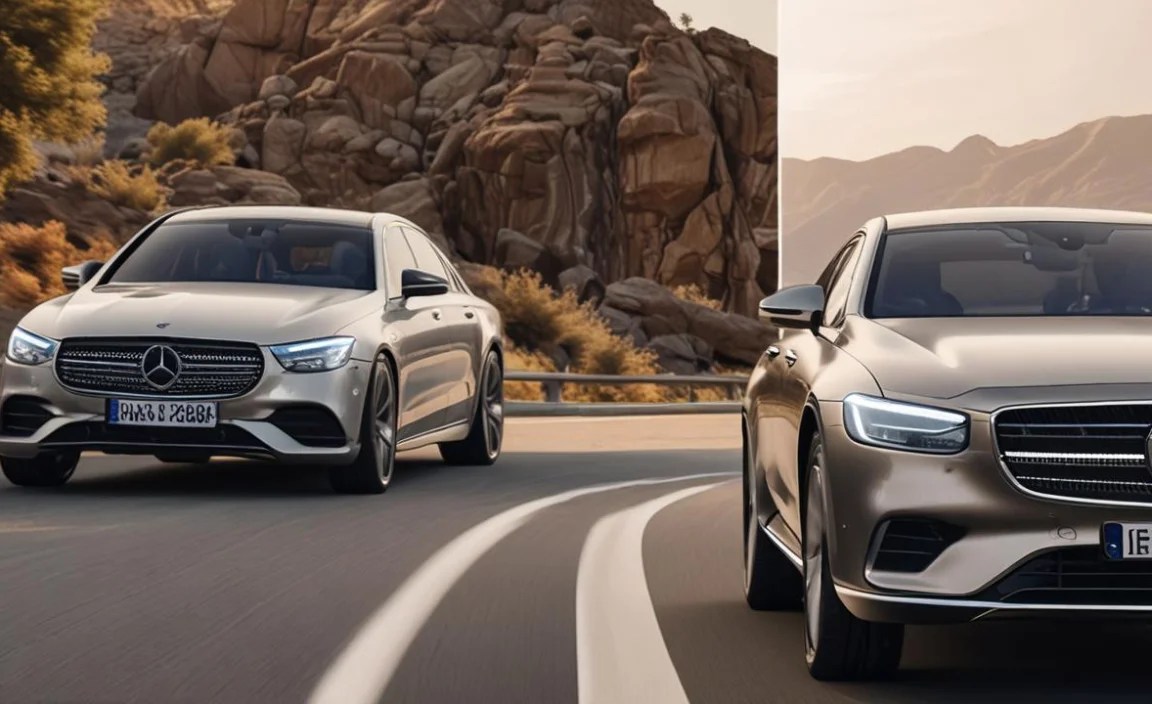
Electric vehicles offer instant torque and a different driving feel. How do these luxury SUVs deliver power and handle the road?
Mercedes EQ Performance
Mercedes-Benz EQ models typically offer a range of powertrain options, balancing performance with efficiency. You can expect:
- Powerful Acceleration: Dual or quad electric motors provide brisk acceleration, making merging and overtaking effortless.
- Smooth and Refined Ride: Mercedes-Benz prioritizes a comfortable, almost gliding ride. Their adaptive suspension systems (like AIRMATIC) excel at ironing out road imperfections.
- Agility: Despite their size, many EQ models offer surprisingly agile handling, especially with rear-axle steering options available on some models, which can significantly reduce the turning radius.
- Range: Mercedes-Benz EQ models are engineered for competitive electric range, suitable for daily commutes and longer trips. The official WLTP or EPA range figures are important here.
Volvo EX90 Performance
The EX90 is designed to be a capable and confident performer, emphasizing safety and stability.
- Strong Torque: With electric all-wheel drive as standard on most versions, the EX90 delivers instant acceleration and impressive pulling power.
- Comfort-Focused Ride: Similar to Mercedes, Volvo tunes its suspension for comfort and stability. The optional air suspension further enhances this, providing a smooth and composed experience.
- Confident Handling: While not sporty in the way some performance SUVs are, the EX90 offers predictable and stable handling. Its size and weight are managed effectively through its chassis tuning and standard AWD.
- Electric Range: Volvo aims for competitive electric range figures, with charging speeds designed to minimize downtime.
Safety and Driver Assistance Technologies

Safety is a paramount concern in any vehicle, especially in the luxury segment. Volvo has a legendary reputation here, while Mercedes-Benz also offers cutting-edge systems.
Mercedes EQ Safety
Mercedes-Benz is a leader in automotive safety, and its EQ models are equipped with a comprehensive suite of advanced driver-assistance systems (ADAS).
- Intelligent Drive Systems: Features like Active Steering Assist, Active Brake Assist, Evasive Steering Assist, and Traffic Sign Assist work together to help prevent accidents.
- Driver Monitoring: Advanced systems monitor driver attention and can alert or even intervene if drowsiness or distraction is detected.
- 360-Degree Cameras and Parking Aids: Providing excellent situational awareness for maneuvering in tight spaces.
- Pre-Safe® Technology: This system can detect an impending collision and prepare the vehicle by tightening seatbelts, adjusting seats, and closing windows.
For more on vehicle safety standards, you can refer to the National Highway Traffic Safety Administration (NHTSA) ratings.
Volvo EX90 Safety: A New Benchmark
Volvo’s ethos is built around safety, and the EX90 is set to push the boundaries even further, integrating advanced sensors for a 360-degree view of the car’s surroundings.
- LiDAR Sensor: The EX90 is one of the first production cars to feature a roof-mounted LiDAR sensor as standard. This advanced sensor provides high-resolution 3D mapping of the environment, improving the accuracy of safety systems, especially at night or in adverse weather.
- Advanced Radar and Cameras: Combined with LiDAR, these systems enable more sophisticated lane keeping, adaptive cruise control, and automatic emergency braking.
- Driver Monitoring System: Similar to Mercedes, it uses cameras to detect if the driver is distracted or drowsy.
- Impact Protection: Built with a high-strength steel safety cage and designed to protect occupants in various crash scenarios.
- Emergency Stop Assist: Can help prevent accidents if the driver becomes incapacitated.
Volvo’s commitment to safety is so profound that it’s almost a core part of the brand’s identity. You can explore their safety philosophy on the Volvo Cars Innovation pages.
Technology and Infotainment
The digital cockpit and connectivity are crucial aspects of modern luxury vehicles.
Mercedes EQ Technology
Mercedes-Benz is synonymous with advanced tech, and its EQ models are no exception.
- MBUX (Mercedes-Benz User Experience): The star of the show. Known for its “Hey Mercedes” voice assistant, augmented reality navigation, and highly customizable displays. The optional Hyperscreen takes this to an extreme.
- Connectivity: Advanced smartphone integration (Apple CarPlay, Android Auto), over-the-air updates, and a robust companion app for remote vehicle functions.
- Driver Aids: As mentioned, a comprehensive suite of semi-autonomous driving aids.
- Sound Systems: High-end Burmester sound systems are usually available, offering immersive audio experiences.
Volvo EX90 Technology
Volvo’s technology focus is on usability and integration, often featuring a Google-based system.
- Google Built-in: The infotainment system typically runs on Google’s software, offering familiar Google Maps, Google Assistant, and the Google Play Store for apps.
- Simplified Interface: Volvo generally opts for a cleaner, less overwhelming interface compared to the feature-packed MBUX, making core functions easy to access.
- Connectivity: Standard smartphone integration, Wi-Fi hotspot capabilities, and app connectivity.
- Advanced Sensor Suite: The integrated LiDAR and other sensors are the backbone of its advanced safety and potentially future autonomous features.
Range, Charging, and Efficiency
For any EV, practical considerations like how far it can go and how quickly it can recharge are essential.
Mercedes EQ Range and Charging
Mercedes-Benz is targeting competitive EPA range figures for its EQ models, often designed to comfortably cover most daily driving needs and allow for longer road trips with planning.
- Battery Sizes: Typically offering large battery packs to maximize range.
- Charging Speeds: Support for fast DC charging, allowing for significant range addition in relatively short periods (e.g., 10-80% in under 30 minutes under optimal conditions).
- Integrated Charging Solutions: Features like intelligent route planning that incorporates charging stops.
Volvo EX90 Range and Charging
The EX90 also aims for strong range and efficient charging.
- Battery Capacity: Equipped with substantial battery packs, aiming for competitive single-charge travel distances.
- Charging Capability: Designed to accept high-power DC charging, enabling rapid top-ups at compatible charging stations.
- Bidirectional Charging: Volvo has highlighted the EX90’s potential for bidirectional charging (Vehicle-to-Grid, V2G / Vehicle-to-Home, V2H), allowing the car to power your home or send energy back to the grid – a significant future-forward feature. You can learn more about V2G technology from resources like the U.S. Department of Energy.
Mercedes EQ vs Volvo EX90: Key Differences at a Glance
To help clarify the distinct characteristics of each, here’s a comparative table:
| Feature | Mercedes-Benz EQ Models (e.g., EQS SUV) | Volvo EX90 |
|---|---|---|
| Focus | Cutting-edge technology, opulent luxury, dynamic performance. | Safety, sustainability, user-friendly tech, family-oriented space. |
| Interior Design | Extravagant, high-tech, MBUX Hyperscreen optional, premium materials. | Minimalist Scandinavian, sustainable materials, calm and airy. |
| Technology Highlight | MBUX infotainment, Hyperscreen, augmented reality. | LiDAR sensor, Google Built-in, advanced AI-driven safety features. |
| Safety Emphasis | Comprehensive ADAS, Pre-Safe®, strong safety ratings. | Industry-leading safety reputation, standard LiDAR, focus on proactive prevention. |
| Powertrain Feel | Refined, powerful, often with performance options. | Smooth, confident, immediate torque. |
| Sustainability | Growing focus, but less of a primary driver than tech. | Core pillar of design, extensive use of recycled/bio-based materials. |
| Seating | Often available as 5 or 7-seater (EQS SUV). | Standard 7-seater configuration. |
| Unique Feature | Intelligent driving assistance, opulent cabin ambiance. | Standard LiDAR, potential for bidirectional charging (V2G/V2H). |
Which One is Right for You?
Deciding between these two exceptional electric luxury SUVs depends entirely on your priorities:
Choose the Mercedes EQ if:
- You crave the absolute latest in automotive technology: The optional MBUX Hyperscreen and advanced infotainment are unparalleled.
- Interior opulence is a top priority: You appreciate the finest materials, intricate design details, and a truly luxurious ambiance.
- Driving dynamics and a refined, almost imperceptible ride are key: Mercedes-Benz excels at creating a serene and engaging driving experience.
- Cutting-edge connectivity and a feature-rich digital experience are must-haves: The MBUX system offers a deep dive into digital car features.
Choose the Volvo EX90 if:
- Safety is your absolute number one concern: The EX90’s standard LiDAR and Volvo’s unwavering commitment to safety are class-leading.
- Sustainability and eco-conscious design appeal to you: The extensive use of recycled and natural materials is a significant differentiator.
- You prefer a more minimalist, serene, and user-friendly interior: The Scandinavian


