
Mercedes SUV Wheel Upgrade: Stunning, Perfect Fit
Upgrade your Mercedes SUV wheels for a stunning look and perfect fit by understanding key specifications like bolt pattern, offset, and size before selection, ensuring a seamless installation and enhanced driving experience.
The allure of a Mercedes-Benz SUV is undeniable, but even the most premium vehicles can be elevated with the right touch. For many owners, upgrading the wheels is the ultimate aesthetic and sometimes performance enhancement. You’ve seen those stunning Mercedes SUVs with sportier, more aggressive wheel setups, and you’re wondering how to achieve that look for your own. It can seem complex, with talks of bolt patterns, offsets, and sizes, leaving beginners a bit hesitant. But fear not! This guide is designed to demystify the process. We’ll walk you through everything you need to know to select and fit the perfect wheels for your Mercedes SUV, ensuring a breathtaking transformation and a flawless fit that looks and feels factory-fresh.
Get ready to unlock a new level of style and personal expression for your Mercedes-Benz SUV.
Why Upgrade Your Mercedes SUV Wheels?

Upgrading your Mercedes SUV’s wheels is more than just an aesthetic choice; it’s a personal statement and a functional enhancement. The factory wheels are designed with broad appeal in mind, balancing comfort, durability, and a certain level of understated luxury. However, the aftermarket offers a universe of possibilities that can dramatically alter your vehicle’s appearance and, in some cases, its driving dynamics.
Here are the primary reasons Mercedes SUV owners opt for wheel upgrades:
- Aesthetics: This is often the biggest driver. New wheels can instantly make your SUV look sportier, more luxurious, or more rugged, depending on your chosen style. From sleek, multi-spoke designs to bold, deep-dish configurations, the choices are vast.
- Performance: Lighter wheels can reduce unsprung weight, potentially improving acceleration, braking, and handling. Though for many SUVs, this is a less critical factor than looks.
- Personalization: It’s your Mercedes, and you should make it uniquely yours. Wheels are one of the most prominent ways to express your individual style and distinguish your vehicle from others on the road.
- Fitment and Stance: You might desire a more aggressive or flush stance, meaning the wheels sit more evenly with the fenders. This can be achieved through different wheel widths and offsets.
- Larger Brake Clearance: If you’re planning a brake upgrade, larger wheels might be necessary to accommodate bigger calipers and rotors.
Understanding Key Wheel Specifications
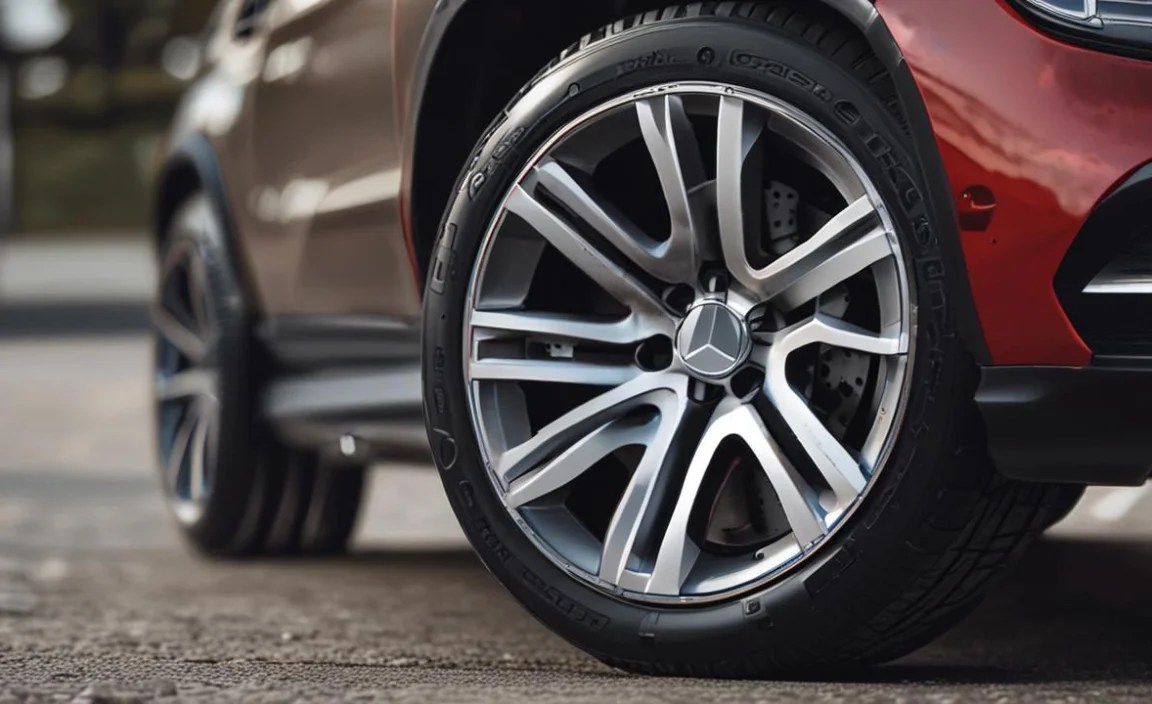
Before diving into the exciting world of wheel designs, it’s crucial to understand the technical specifications that ensure a “stunning, perfect fit.” These numbers and terms aren’t just jargon; they dictate whether a wheel will mount correctly, clear your brakes, sit flush, and perform as expected. Getting these right is paramount.
1. Wheel Diameter
This is the most obvious change. Wheel diameter is measured in inches and refers to the distance across the center of the wheel. Larger diameter wheels often allow for lower-profile tires, which can enhance handling due to less sidewall flex. However, they can also lead to a firmer ride and are more susceptible to damage from road hazards.
Common Mercedes SUV Wheel Diameters:
- 17 inches
- 18 inches
- 19 inches
- 20 inches
- 21 inches
- 22 inches
Ensure your chosen diameter is compatible with your SUV’s suspension and bodywork. Going too large can cause rubbing issues and require modifications.
2. Wheel Width
Measured in inches, wheel width refers to the distance between the inside edges of the wheel rim. A wider wheel can accommodate a wider tire, which increases the tire’s contact patch with the road. This can improve grip and handling, especially in dry conditions. However, it also increases rolling resistance and can affect fuel economy.
Considerations for Width:
- Tire Compatibility: The tire you choose must be designed to fit the width of the wheel.
- Fender Clearance: A wider wheel can push the tire closer to the fender, potentially causing rubbing, especially when turning or going over bumps.
- Suspension Clearance: Ensure there’s enough room between the wheel and suspension components like the control arms and brake calipers.
3. Bolt Pattern (PCD – Pitch Circle Diameter)
This is arguably the most critical specification for ensuring a perfect fit. The bolt pattern describes the arrangement of the lug holes on the wheel hub. It’s expressed as two numbers: the number of bolts and the diameter of the circle on which they are mounted. For example, a 5×112 bolt pattern means there are 5 lug bolts arranged on a circle measuring 112 millimeters in diameter.
Why it’s Crucial: Your new wheels MUST have the same bolt pattern as your Mercedes SUV’s wheel hubs. If they don’t match, the wheels simply won’t bolt onto your vehicle. Mercedes-Benz commonly uses a 5×112 bolt pattern across many of its models, but it’s essential to verify this for your specific year and model.
You can typically find your vehicle’s bolt pattern in its owner’s manual or by searching online databases specific to Mercedes-Benz wheel fitments.
4. Offset
Wheel offset is a rather technical but vital specification that determines how a wheel sits relative to the hub. It’s the distance between the mounting surface of the wheel (where it bolts to the hub) and the centerline of the wheel. Offset is measured in millimeters and can be positive, zero, or negative.
- Positive Offset: The mounting surface is closer to the outside face of the wheel. This pulls the wheel inwards towards the suspension. Most modern cars, including Mercedes SUVs, use positive offset.
- Zero Offset: The mounting surface is exactly at the centerline of the wheel.
- Negative Offset: The mounting surface is further inward from the centerline, pushing the wheel outwards from the suspension. This is less common on SUVs and can increase the risk of rubbing on the fender and steering issues.
Impact of Offset:
- Stance: A lower positive offset (or even a negative offset) will push the wheel out, creating a more aggressive, flush stance.
- Clearance: Incorrect offset can cause the wheel to hit the fender, the suspension components, or the brakes.
- Handling: Significant changes in offset can affect steering feel and vehicle dynamics.
It’s generally recommended to stick as close as possible to your Mercedes SUV’s factory offset. Minor variations (a few millimeters) might be acceptable, but significant deviations can cause problems.
5. Center Bore (Hub Bore)
The center bore is the hole in the middle of the wheel that slips over the vehicle’s hub. For a perfect fit and to ensure the wheel is properly centered and supported by the hub (not just the lug bolts), the center bore of the wheel should match the hub diameter of your Mercedes SUV. Most Mercedes-Benz vehicles use a 66.56mm center bore.
If the center bore of an aftermarket wheel is larger than your vehicle’s hub bore, you’ll need to use hub-centric rings. These are plastic or metal rings that fit into the larger center bore of the wheel, perfectly mating with your vehicle’s hub diameter. This prevents vibrations and ensures the wheel is mounted correctly.
Choosing the Right Wheels: A Step-by-Step Guide

With the technical specifications understood, let’s move on to selecting the wheels that will give your Mercedes SUV that stunning new look, ensuring a perfect fit.
Step 1: Identify Your Specific Mercedes SUV Model and Year
This is foundational. Wheel fitment varies significantly between different Mercedes-Benz SUV models (e.g., GLC, GLE, GLS, G-Class) and even between model years within the same line, as manufacturers often update suspension designs or body styles.
Where to find this info:
- Owner’s Manual: Your best source for original specifications.
- Driver’s Side Doorjamb Sticker: Often contains tire and wheel size information.
- Manufacturer Websites: Mercedes-Benz official sites or reliable aftermarket parts catalogs.
Step 2: Determine Your Current Wheel Specifications
To know what you can change, you first need to know what you have. This involves looking at the sidewall of your current tires and any markings on your existing wheels.
Example Tire Sidewall: 255/55R18 109H M+S
- 255: Tire width in millimeters.
- 55: Aspect ratio (sidewall height as a percentage of width) – 55% of 255mm.
- R: Radial construction.
- 18: Wheel diameter in inches.
- 109: Load index (maximum weight the tire can support).
- H: Speed rating (maximum speed the tire can sustain).
For wheel-specific information, you might need to remove a wheel to see markings on the back of the spokes or rim lip (diameter, width, offset, bolt pattern). Or, consult your owner’s manual.
Step 3: Research Bolt Pattern, Offset, and Center Bore for Your Model
This is where you confirm the non-negotiables for your Mercedes SUV.
Common Mercedes-Benz Wheel Specifications (General – Always Verify!):
| Mercedes-Benz Model Line (Examples) | Common Bolt Pattern | Typical Offset Range (mm) | Common Center Bore (mm) |
|---|---|---|---|
| GLA / GLB | 5×112 | +35 to +45 | 66.56 |
| GLC | 5×112 | +30 to +45 | 66.56 |
| GLE / GLS | 5×112 | +30 to +50 | 66.56 |
| G-Class (W463) | 5×130 | +30 to +50 | 84.0 |
Disclaimer: These are common values. Always verify the exact specifications for your specific vehicle’s year and trim using reliable sources. For example, the G-Wagen has a distinct bolt pattern compared to most other Mercedes SUVs. Resources like Wheel-Size.com or your vehicle’s official documentation are excellent starting points.
Step 4: Decide on Your Desired Wheel Diameter and Width
This is where you balance aesthetics with practicality.
- Going Bigger: Many owners upgrade to 19″, 20″, or even 21″ wheels for a more imposing presence and to reduce tire sidewall for a sportier look.
- Staying Standard: You can also find stunning aftermarket wheels in your original diameter, focusing on unique designs and finishes.
- Width Increase: A slightly wider wheel can enhance the stance, but go too wide, and you risk rubbing issues or the need for fender modifications. Using a tire calculator (available online) can help you see how a new wheel/tire combination will compare to your stock setup in terms of overall diameter and track width.
Consider the trade-offs: larger diameters often mean thinner tire sidewalls. This can improve handling but may result in a harsher ride and a greater risk of wheel damage on rough roads.
Step 5: Explore Wheel Styles and Finishes
Now for the fun part! With your technical parameters set, you can focus on appearance.
- Design: Consider multi-spoke, mesh, directional, concave, or deep-dish styles. Each offers a different character.
- Finish: From classic silver and gloss black to sophisticated graphite, chrome, or complex machined finishes, the options are endless.
- Material: Most aftermarket wheels for luxury SUVs are either cast aluminum or forged. Forged wheels are lighter and stronger but significantly more expensive. Cast wheels offer a wide variety of designs at a more accessible price point.
Step 6: Select Tires That Complement Your New Wheels
The tire is the crucial link between the wheel and the road. When upgrading wheels, you’ll likely need new tires.
- Match Tire to Wheel Size: The tire’s aspect ratio and width must be compatible with your new wheel’s diameter and width.
- Consider Ride Quality and Performance: Ultra-high performance tires offer supreme grip but can be noisy and less comfortable. Touring tires prioritize comfort and quietness. All-season options provide versatility.
- Maintain Overall Diameter: To avoid speedometer errors and to ensure proper clearance, try to keep the overall diameter of your new tire/wheel combination as close as possible to the original. Tire calculators are invaluable here.
Step 7: Verify Fitment and Order
Before placing an order, double-check everything. Reputable wheel suppliers often have a “vehicle fitment guide” on their websites. Enter your Mercedes SUV’s make, model, and year, and they will show you compatible wheels.
Key things to confirm with the seller:
- Bolt pattern matches.
- Offset is within an acceptable range (ideally close to OEM).
- Center bore matches or hub-centric rings are included/available.
- Wheel width and diameter are appropriate and won’t cause rubbing.
- The wheels are rated for the weight of your SUV.
If you’re unsure, don’t hesitate to consult with a professional wheel shop or an authorized Mercedes-Benz dealership service center.
Installation: Ensuring a Flawless Finish

While installing wheels might seem straightforward, it’s a critical process that requires precision, especially on a luxury vehicle like a Mercedes-Benz. If you’re not comfortable with automotive maintenance, it’s highly recommended to have a professional perform the installation.
Professional Installation vs. DIY
Professional Installation:
- Expertise: Technicians are experienced with proper torque specifications and mounting procedures.
- Tools: They have the correct torque wrenches, lifts, and wheel balancers.
- Safety: Ensures wheels are mounted correctly, reducing the risk of accidents due to improperly installed wheels.
- Tire Mounting & Balancing: Professionals will ensure new tires are mounted and balanced correctly, preventing vibrations.
DIY Installation:
- Cost Savings: Can save money on labor costs.
- Requires Tools: You’ll need a reliable jack, jack stands, lug wrench, torque wrench, and potentially a breaker bar.
- Careful Torqueing: Crucially, lug nuts must be tightened to the manufacturer’s specified torque in a star pattern. Overtightening can damage studs or the wheel, while undertightening can lead to wheels coming loose. For Mercedes-Benz, specific torque values are crucial – often around 130-140 lb-ft (176-190 Nm), but always verify for your model. You can find detailed automotive torque specifications and guides at resources like APT Fasteners’ torque charts.
- Balancing: While you can technically bolt them on, proper tire balancing is essential for a smooth ride and to prevent uneven tire wear. This usually requires specialized equipment found at tire shops.
What to Expect During Installation
Whether done by you or a professional, the process typically involves:
- Safely jacking up the vehicle and removing one wheel at a time.
- If necessary, installing hub-centric rings onto the new wheel’s center bore.
- Mounting the new wheel onto the hub.
- Hand-tightening the lug nuts in a star pattern.
- Lowering the vehicle slightly so the tire touches the ground, then torquing the lug nuts to the manufacturer’s specification using a calibrated torque wrench.
- Repeating for all wheels.
- For new tires, they will be mounted onto the wheels and balanced.
Post-Installation Checks
After installation, it’s wise to perform a few checks:
- Visual Inspection: Ensure the wheels sit correctly and don’t rub on fenders or suspension components when turning the steering wheel lock-to-lock.


