
Mercedes GLK Drag Race: Unbelievable Power
Yes, the Mercedes-Benz GLK can absolutely hold its own and even surprise in a drag race, especially with its more powerful engine options and potential for upgrades. Discover what makes this compact SUV surprisingly quick off the line.
You might be surprised to learn that the Mercedes-Benz GLK, a compact luxury SUV known for its sophisticated interior and robust build, can also deliver some serious thrills in a straight line. Many owners and car enthusiasts wonder just how quick this capable vehicle truly is when the light turns green. The idea of a “Mercedes GLK drag race” often sparks curiosity, especially given its premium badge and practical design.
If you’ve ever seen a GLK launch with gusto or dreamt of unlocking its hidden potential, you’re in the right place. This article dives deep into what gives the GLK its surprising acceleration prowess, explores the different engines that contribute to its performance, and even touches on how you might enhance its drag racing capabilities. We’ll break down the factors that make the GLK more than just a stylish cruiser, proving it can be a formidable contender when the opportunity arises.
Get ready to explore the dynamic side of the Mercedes-Benz GLK and understand why it might just be the unlikely hero of your next drag strip adventure.
Understanding the Mercedes-Benz GLK’s Drag Racing Potential

When we talk about a “Mercedes GLK drag race,” we’re looking at a vehicle that often punches above its weight class. While not designed from the factory as a dedicated track machine, the GLK benefits from Mercedes-Benz’s renowned engineering, potent engine options, and sophisticated drivetrain. Its compact SUV form factor might suggest otherwise, but the underlying performance genetics are undeniable.
Several key factors contribute to the GLK’s surprisingly strong acceleration:
- Engine Power: The GLK has been offered with a range of powerful gasoline and diesel engines. The more potent options, particularly the V6 gasoline engines, provide ample horsepower and torque necessary for quick sprints.
- Drivetrain: Standard or optional 4MATIC all-wheel drive provides excellent traction off the line. This is crucial in a drag race, as it minimizes wheel spin and ensures power is efficiently transferred to the pavement.
- Torque: High torque figures, especially at lower RPMs, are vital for initial acceleration. Many of the GLK’s engines deliver a strong torque curve, allowing it to gain momentum rapidly from a standstill.
- Weight Distribution: While SUVs are generally heavier than sedans, good weight distribution can help in launching. Mercedes-Benz engineers pay close attention to how weight is balanced for optimal performance.
- Transmission Tuning: The automatic transmissions in the GLK are typically tuned for a balance of comfort and responsiveness. In sportier driving modes, they can hold gears longer and shift quicker, aiding acceleration.
It’s important to remember that the GLK is a luxury SUV, so its performance is balanced with comfort and refinement. However, when the situation calls for it, its engineering allows for some truly impressive acceleration.
Engine Options That Impress on the Drag Strip

The performance of a Mercedes-Benz GLK in a drag race is heavily influenced by the engine under its hood. Mercedes-Benz offered several engine choices across the GLK’s production years, each with varying levels of power and torque. For drag racing enthusiasts, certain engines stand out for their ability to propel the GLK forward with impressive force.
The GLK’s Heartbeat: Engine Specifications

Let’s look at some of the most common and performance-oriented engines found in the Mercedes-Benz GLK:
| Engine Code | Displacement | Horsepower (Approx.) | Torque (Approx.) | Typical Model Years |
|---|---|---|---|---|
| M272 (3.5L V6) | 3.5 Liters | 268-302 hp | 258-273 lb-ft | 2009-2013 |
| M276 (3.5L V6 Biturbo) | 3.5 Liters | 302 hp | 273 lb-ft | 2013-2015 |
| OM642 (3.0L V6 Diesel) | 3.0 Liters | 211 hp | 398 lb-ft | 2010-2015 |
While the diesel engines offer tremendous torque, which is fantastic for initial grunt and towing, the gasoline V6 engines, particularly the later M276 biturbo variant, are often the stars when it comes to outright acceleration in a drag race. The M272 V6 offered solid performance, but the M276 took it a step further with its twin-turbocharging, delivering more power across the rev range.
For those looking for the ultimate “Mercedes GLK drag race” experience from the factory, models equipped with the 3.5L V6 gasoline engine (especially the facelifted models with the M276) provide the most potent combination of horsepower and a responsive transmission to get you moving quickly.
4MATIC: The All-Wheel Drive Advantage

In any form of drag racing, traction is king. One of the most significant advantages the Mercedes-Benz GLK possesses in a drag race scenario is the availability of its 4MATIC all-wheel-drive system. This intelligent system ensures that power is distributed to all four wheels, maximizing grip and minimizing the dreaded wheelspin that can plague rear-wheel-drive or even front-wheel-drive vehicles on launch.
How 4MATIC Enhances Drag Racing Performance:
- Superior Launch: From a standstill, 4MATIC effectively splits power between the front and rear axles. This allows the tires to grip the road surface more effectively, launching the vehicle forward with greater authority. You’ll notice less squat and more immediate forward motion compared to a purely RWD or FWD setup under hard acceleration.
- Balanced Power Delivery: The system constantly monitors wheel speed and can adjust torque distribution as needed. This ensures that power doesn’t overwhelm any single wheel, further optimizing traction and forward momentum.
- Stability: Even at higher speeds, 4MATIC contributes to the GLK’s stability, which can be beneficial during a race where maintaining a straight line is crucial.
- All-Weather Capability: While not directly related to a dry drag strip, the inherent all-weather benefit of 4MATIC means the GLK is less susceptible to performance compromises in less-than-ideal conditions, though a dry, grippy surface is always preferred for optimal drag times.
When you see a “Mercedes GLK drag race” video or imagine one, the presence of 4MATIC is a key element in explaining its surprising agility off the line. It’s a testament to Mercedes-Benz’s engineering, integrating robust performance with everyday usability.
Preparing Your GLK for a Drag Race (Beginner’s Guide)

While the Mercedes-Benz GLK is capable out of the box, a few simple preparations can help optimize its performance for a drag race, ensuring you get the most out of its “unbelievable power.” These steps are beginner-friendly and focus on maximizing what your GLK already offers.
Pre-Race Checks and Simple Upgrades

Before heading to the drag strip, it’s wise to perform a few essential checks. These ensure your vehicle is in optimal condition and ready to perform safely.
Essential Vehicle Checks:

- Tire Pressure: Ensure your tires are inflated to the manufacturer’s recommended pressure for normal driving. For a drag race, some enthusiasts slightly reduce rear tire pressure post-launch preparation for a larger contact patch, but this requires experience and knowledge for safety. For beginners, stick to manufacturer specs or consult track officials.
- Fluid Levels: Check engine oil, coolant, brake fluid, and transmission fluid levels. Low fluid levels can impact performance and safety.
- Brake System: Ensure your brakes are in good working order. You’ll need them to stop safely after your run.
- General Inspection: Look for any obvious leaks or worn components.
Simple Performance Enhancements:
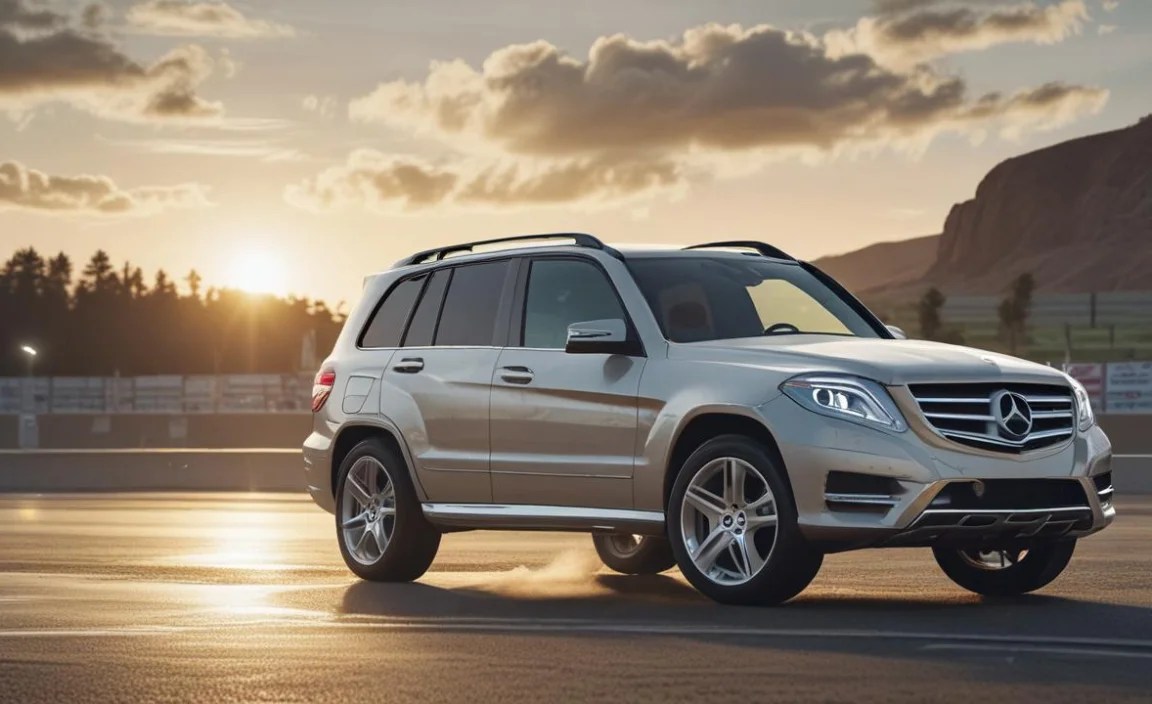
For a casual drag race or simply to feel more power, consider these accessible optimizations:
- Driving Mode: Use the “Sport” or “Manual” mode on your GLK’s transmission. Sport mode often sharpens throttle response and holds gears longer, while Manual mode gives you direct control over shifts.
- Reduce Weight: Remove any unnecessary weight from the vehicle. This means taking out the spare tire (if you’re brave and the track allows/you have roadside assistance arrangements), tools, extra baggage, etc. Every pound removed helps acceleration.
- Fuel: Ensure you have good quality fuel, preferably the premium octane recommended by Mercedes-Benz. Higher octane fuel can prevent knocking in performance engines, allowing them to produce optimal power. For the GLK, using premium gasoline is generally recommended. You can find specific octane requirements in your owner’s manual.
- Air Filter: While a complex modification, ensuring your engine air filter is clean can help optimize airflow to the engine, contributing slightly to performance. A dirty filter restricts airflow the way a clogged artery restricts blood flow.
These straightforward steps will help ensure your GLK is ready to perform its best on the drag strip. Remember, safety is paramount, and always adhere to the rules and guidelines of the drag racing facility.
Understanding Drag Strip Etiquette and Safety

Drag racing is exhilarating, but it’s crucial to approach it with respect for the rules and a strong emphasis on safety. Whether you’re at a professional track or participating in a private event, understanding the basics of drag strip etiquette and safety is non-negotiable. This ensures a fun and secure experience for yourself and everyone involved.
Key Drag Strip Rules and Safety Practices

Here’s what every beginner should know before rolling up to the starting line:
On the Track:
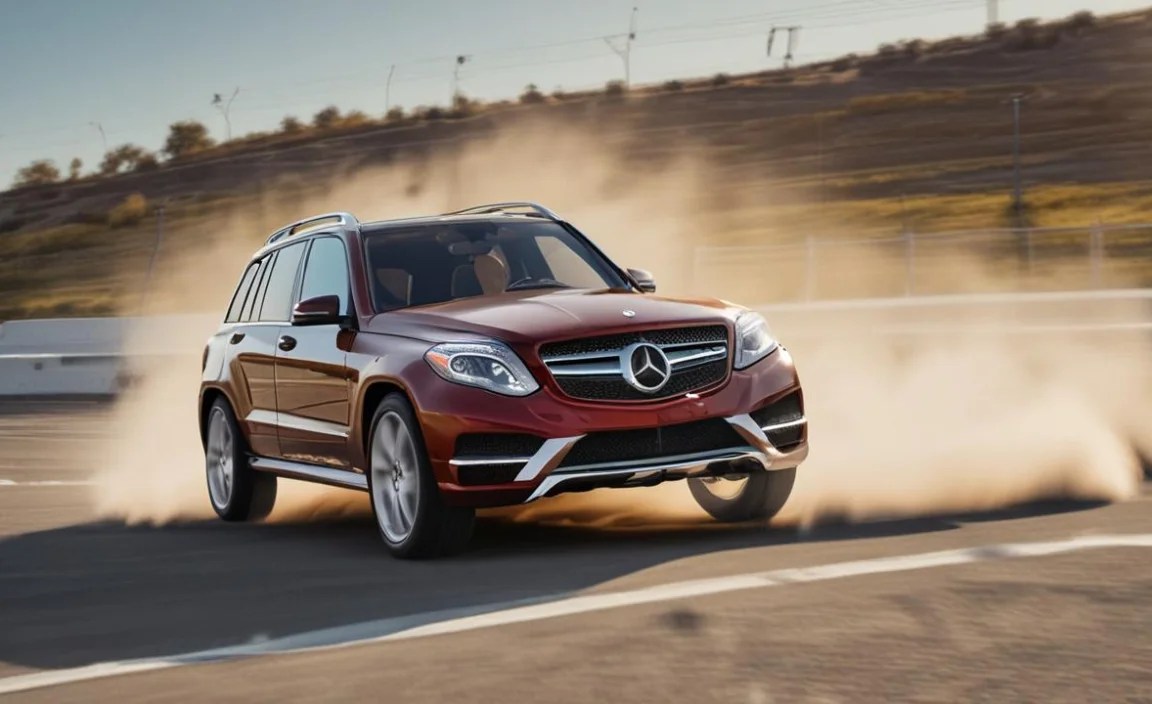
- Follow Instructions: Always listen to and follow the directions of track officials, flagmen, and safety personnel.
- Staging Lanes: Line up in the correct staging lane for your vehicle type and competition class.
- Proper Staging: When directed to the starting line, “stage” your vehicle carefully. This involves rolling forward until your front tires are just past the first pre-stage light (which illuminates dimly) and then stopping. Continue when ready until your front tires are aligned with the second, brighter stage beam. This illuminates the second light, indicating you are ready. Do not creep into the second beam prematurely.
- Observe Christmas Tree Lights: Understand the “Christmas Tree” starting system. Typically, three amber lights light up, followed by a green light. On some systems, all three amber lights light up simultaneously, followed by a delay before green; on others, they light sequentially. Pro tree starts are immediate green after the ambers; the Sportsman tree (common for amateurs) has a delay. Learn the system at your track. Don’t “red-light” by launching before the green light appears; this disqualifies your run.
- Run Straight: Once launched, keep your vehicle pointed straight down the track. Avoid unnecessary steering inputs.
- Return Road Etiquette: After your run, follow the designated return road back to the pits. Do not stop on the track or the return road for any reason.
- Cool Down: Allow your brakes to cool down between runs.
Safety First:
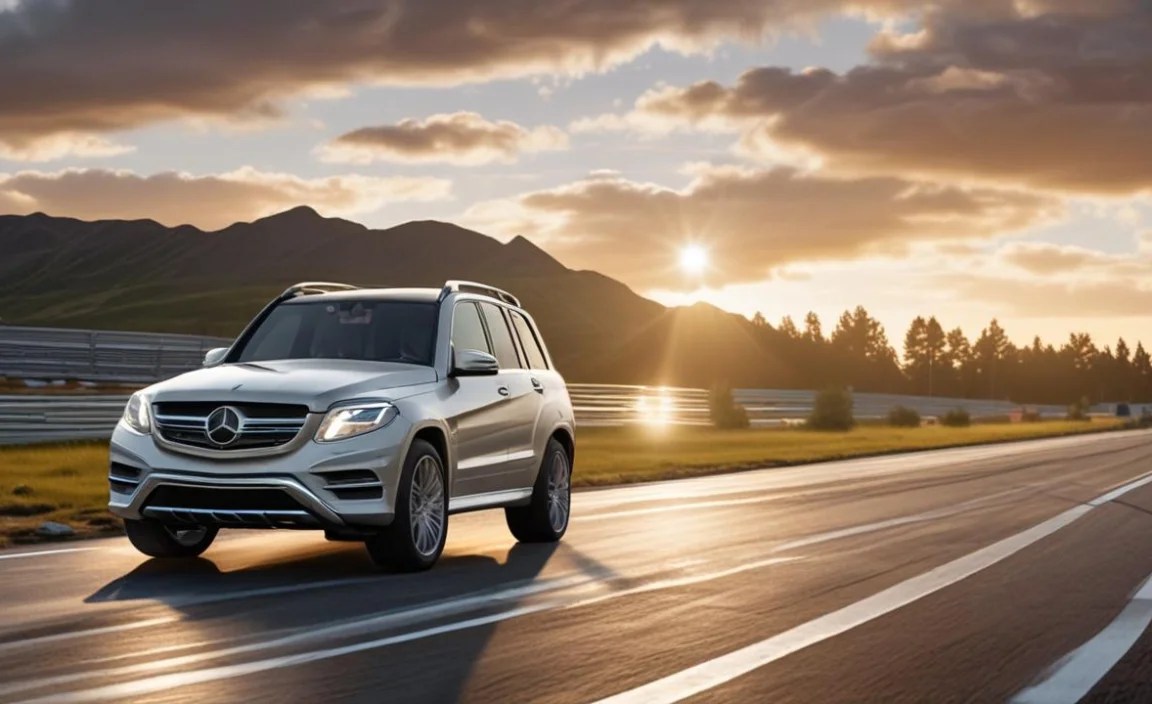
- Seatbelts: Always wear your seatbelt properly fastened.
- Helmets: Depending on the speed and track rules, a helmet might be required. Check the facility’s requirements.
- Vehicle Condition: Ensure your vehicle is in good mechanical condition. Faulty brakes or steering can be extremely dangerous. For official events, vehicles often need to pass a basic safety inspection.
- Know Your Limits: Don’t push your vehicle or your driving skills beyond your comfort level.
- No Passengers (Usually): Unless specifically permitted for a fun-run or exhibition, drag racing is typically a solo activity.
By adhering to these guidelines, you can ensure a thrilling and safe experience, whether you’re running your Mercedes GLK for fun or as part of an amateur competition.
Enhancing Your GLK for More “Unbelievable Power”

While the stock Mercedes-Benz GLK, especially with its V6 engines, offers impressive acceleration, there are ways to unlock even more “unbelievable power” for those seeking to push the limits further. However, it’s crucial to remember that performance modifications can affect vehicle reliability, warranty, and legal compliance. Always research thoroughly and consider consulting with reputable tuning shops.
Common Performance Upgrade Paths
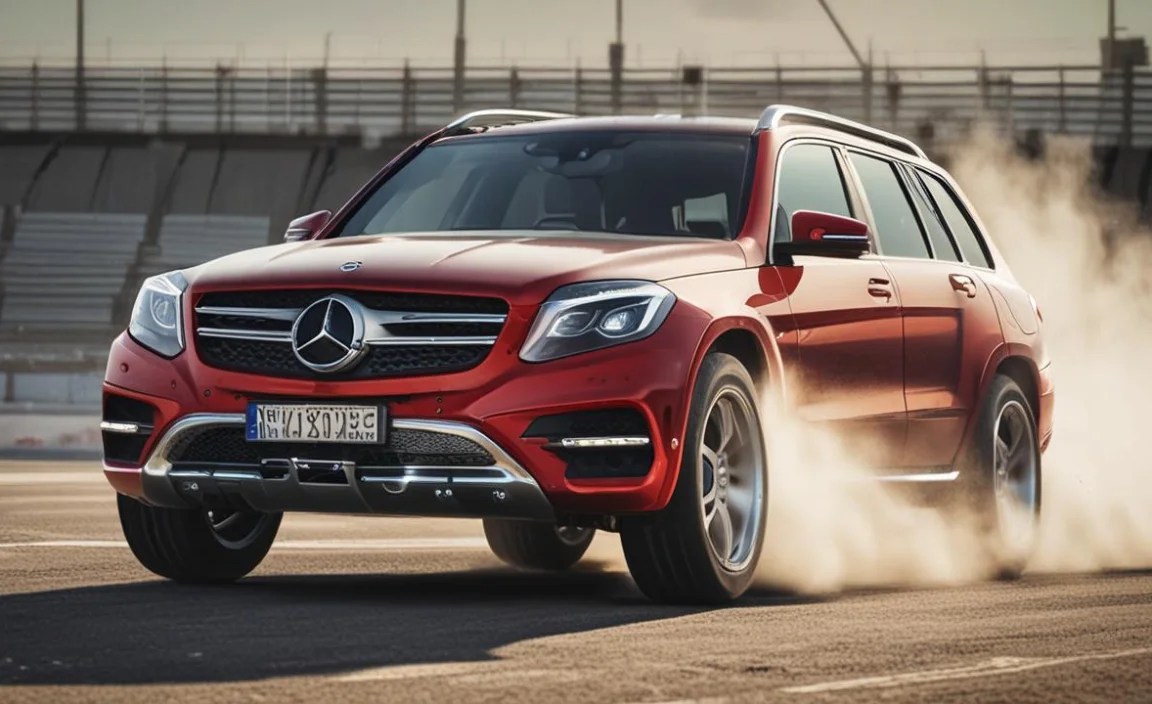
For enthusiasts looking to enhance their GLK’s drag racing potential, here are some common upgrade paths:
- ECU Tuning (Engine Control Unit):
- What it does: Reprogramming the vehicle’s computer to optimize fuel delivery, ignition timing, and boost pressure (for turbocharged models).
- Benefits: Increased horsepower and torque across the rev range, improved throttle response. This is often the most effective first step for significant power gains.
- Considerations: Choose reputable tuning companies that specialize in Mercedes-Benz vehicles. Look for tunes that are designed to maintain reasonable reliability.
- Performance Air Intake Systems:
- What it does: Replaces the restrictive factory airbox with a less restrictive system, allowing the engine to breathe more freely.
- Benefits: Modest horsepower and torque gains, improved engine sound.
- Considerations: Ensure the system is designed for your specific GLK model to avoid fitment issues or unfiltered air entering the engine.
- Exhaust System Upgrades:
- What it does: Replacing restrictive factory exhaust components (like the muffler or catalytic converters) with higher-flow alternatives.
- Benefits: Can free up a small amount of horsepower, produce a sportier exhaust note.
- Considerations: Be mindful of noise regulations and emissions requirements in your area. A full turbo-back system offers the most gains but is also the most expensive and complex.
- Transmission Tuning:
- What it does: Modifying the transmission’s software to allow for faster, firmer shifts and higher torque converter lock-up speeds.
- Benefits: Shorter shift times mean less power is lost between gears during acceleration, leading to quicker elapsed times.
- Considerations: This is often paired with ECU tuning to maximize the benefit.
- Tires:
- What it does: Upgrading to performance-oriented tires, particularly those with a softer compound or a wider contact patch, can significantly improve grip off the line.
- Benefits: Better traction means less wheelspin and a quicker start.
- Considerations: Performance tires may wear faster and could be less comfortable for daily driving. For a drag race, “drag radials” offer extreme grip but are not suitable for regular use or wet conditions.
For the most substantial gains, a combination of ECU tuning and performance tires, leveraging the GLK’s 4MATIC system, will yield the most noticeable improvements in a drag race scenario. Always consider your budget and how the modifications will impact your daily driving experience.
Real-World Drag Race Examples and Insights

While official Mercedes-Benz drag race specifications for the GLK aren’t widely published, the automotive community has plenty of real-world data and anecdotal evidence that highlight its surprising acceleration capabilities. Watching videos or reading reviews of GLKs equipped with the more powerful engines, especially the 3.5L V6 variants and the later turbocharged models, often reveals times that impress onlookers.
What to Expect from a GLK in a Drag Race:
- Stock GLK 350 (4MATIC): A well-maintained stock GLK 350, particularly the models with the 3.5L V6 and the 7-speed automatic transmission, typically achieves 0-60 mph in the mid-to-high 6-second range. In a quarter-mile drag race, expect times in the high 14s to low 15s, depending heavily on traction, driver skill, and track conditions.
- Modified GLKs: With ECU tunes, improved intakes, and sticky tires, modified GLKs can certainly shave time off their quarter-mile runs. Enthusiast forums and YouTube channels often showcase GLKs running in the low 14s or even high 13s, especially when paired with aggressive tuning and optimal conditions. This is where the “unbelievable power” truly starts to become apparent.
- Rival Comparisons: In its segment, the GLK often competes favorably against other premium compact SUVs. While not a dedicated sports car, its acceleration can surprise many drivers of less performance-oriented vehicles, and even some sport


