
Mercedes GLK Cold Air Intake: Ultimate Performance
A Mercedes GLK cold air intake can enhance engine sound and throttle response, offering a subtle boost in performance. This upgrade allows your GLK’s engine to breathe easier with cooler, denser air, potentially improving efficiency and power delivery.
Driving your Mercedes-Benz GLK is an experience in itself, but you might be wondering if there are ways to make it even better. Perhaps you’ve heard about performance upgrades and the term “cold air intake” keeps coming up. It sounds like a technical upgrade, and maybe even a bit intimidating. You might be asking, “What exactly is a cold air intake, and can it really make a difference in my GLK?” Many GLK owners seek ways to unlock their SUV’s full potential, and a cold air intake is a popular choice. We’re here to demystify this modification, explaining how it works, what benefits you can expect, and how it can contribute to the ultimate performance of your Mercedes-Benz GLK. Get ready to understand how this simple upgrade can help your engine perform at its peak.
Frequently Asked Questions: Mercedes GLK Cold Air Intake
What is a cold air intake?
A cold air intake (CAI) system replaces your car’s restrictive factory air intake with a smoother, less restrictive one designed to draw cooler air from outside the engine bay.
Will a cold air intake increase horsepower in my Mercedes GLK?
While horsepower gains are typically modest, a CAI can improve throttle response and potentially add a few horsepower. The primary benefits are often more noticeable in engine sound and overall efficiency.
Is a cold air intake difficult to install on a Mercedes GLK?
Installation complexity varies. Many systems are designed for direct bolt-on replacement, making them manageable for DIY enthusiasts. However, some may require more involved steps or specialized tools.
Can a cold air intake void my Mercedes-Benz warranty?
Modifying your vehicle always carries a risk of voiding warranty coverage for related components. It’s advisable to consult your dealership or warranty documentation.
How much does a cold air intake for the Mercedes GLK typically cost?
Prices can range from $200 to $600 or more, depending on the brand, materials, and specific model compatibility.
Will a cold air intake affect my fuel economy?
Improved airflow and potentially cooler air can sometimes lead to slightly better fuel economy, as the engine may not have to work as hard. However, aggressive driving with a modified intake can negate this effect.
Are there different types of cold air intake systems?
Yes, systems range from simple filter replacements to complete intake pipe and heat shield replacements. Some utilize open-element filters, while others use enclosed boxes to better shield from engine heat.
Understanding Your Mercedes GLK’s Air Intake System

Before we dive into the world of cold air intakes, let’s take a moment to appreciate the complexity of your Mercedes-Benz GLK’s original air intake system. Every engine needs air to combust fuel and generate power. The factory system is meticulously designed by Mercedes-Benz engineers to balance performance, efficiency, emissions, and intake noise. It aims to deliver a consistent supply of air to the engine under various driving conditions, while also filtering out dust and debris.
Think of it like your own lungs. You need to breathe clean air, but you also need the right amount of air at the right time. The stock intake system has air filters that are very effective at trapping even microscopic particles, ensuring the longevity of your engine. It also typically features a sealed airbox and strategically placed intake tubes to manage airflow and sound. While efficient, these systems can sometimes be restrictive. This is where the idea of a “cold air intake” comes into play, promising to let your GLK’s engine breathe more freely.
What is a Cold Air Intake (CAI)?

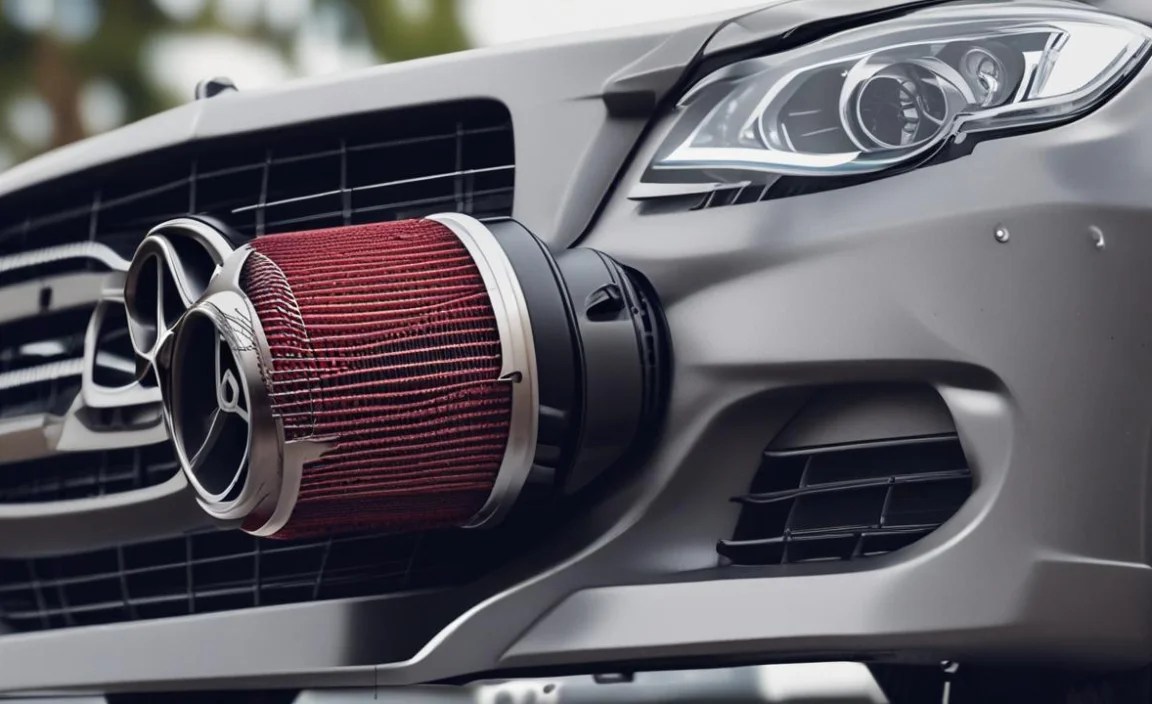
A cold air intake, often shortened to CAI, is an aftermarket component designed to replace your Mercedes GLK’s factory air intake system. The fundamental principle behind a CAI is simple: cooler, denser air contains more oxygen than warmer air. More oxygen means your engine can burn fuel more efficiently, potentially leading to increased power and improved throttle response. The “cold” in cold air intake refers to the system’s design, which aims to draw air from a location outside the hot engine bay, where the air temperature is typically lower.
Stock airboxes are often designed with noise reduction and emissions control as high priorities. This can sometimes lead to a more restricted airflow path. A CAI typically uses a larger, less restrictive air filter (often a conical shape) and smoother intake piping. Many aftermarket CAI kits also include a heat shield designed to prevent hot air from the engine from reaching the filter, further ensuring that the air entering the engine is as cool and dense as possible. This improved airflow is key to unlocking your GLK’s performance potential.
Why Choose a Cold Air Intake for Your GLK?

The desire for enhanced performance and a more engaging driving experience leads many Mercedes-Benz GLK owners to consider a cold air intake. While the power gains might not be as dramatic as some other modifications, several compelling reasons make a CAI a popular choice:
- Improved Throttle Response: With a less restrictive path for air, your engine can react more quickly to your inputs on the accelerator pedal, leading to a more immediate and responsive feel.
- Subtle Horsepower and Torque Gains: By allowing the engine to breathe more efficiently with cooler, denser air, you can experience a modest increase in horsepower and torque, especially at higher RPMs.
- Enhanced Engine Sound: A popular by-product of many cold air intake systems is an aggressive, sporty induction sound. As the engine draws in more air, you might hear a satisfying rumble or growl under acceleration that the stock system muffles.
- Potential for Improved Fuel Efficiency: When an engine can breathe more easily and efficiently, it sometimes requires less fuel to produce the same amount of power. This can translate to slightly better fuel economy, though this is heavily dependent on driving habits.
- Aesthetic Appeal: Many aftermarket CAI systems feature polished piping, vibrant colored filters, and a cleaner, more performance-oriented look under the hood, adding a touch of sportiness to your engine bay.
How a Cold Air Intake Works: The Science Behind It

Understanding the science behind a cold air intake involves a few key principles of internal combustion engines. The goal is to maximize the amount of oxygen available to the engine for combustion. Here’s a breakdown:
- Air Density: The fundamental concept is that cooler air is denser than warmer air. Denser air contains more oxygen molecules per unit volume. Think of it like packing more people into a small room versus a large, airy one – there are simply more individuals in the same space.
- Oxygen for Combustion: More oxygen in the combustion chamber allows for more fuel to be burned efficiently. This results in a stronger combustion event, producing more power.
- Reducing Intake Air Temperature (IAT): Your GLK’s engine bay can get quite hot due to the engine’s operation and heat radiating from other components. The stock air intake is designed to draw air from within this warm environment. A CAI aims to relocate the air filter to a cooler area, often behind the bumper or in a fender well, using specialized tubing to bring that cooler air directly into the engine.
- Minimizing Restriction: Factory air intake systems often use pleats and bends in the tubing, along with a relatively small air filter housed in a restrictive airbox, to control noise and meet emissions standards. A CAI typically employs a larger, free-flowing air filter (like a conical or cylindrical type) and smoother, larger-diameter intake tubing. This reduces the resistance the engine has to overcome to pull air in, a process known as reducing “intake restriction” or “backpressure.”
- Maximizing Volumetric Efficiency: By providing cooler, denser air with less restriction, a CAI can improve your engine’s volumetric efficiency. This refers to how effectively the engine can fill its cylinders with an air-fuel mixture. A higher volumetric efficiency generally means more power.
Essentially, a cold air intake optimizes the “breathing” of your engine, allowing it to ingest more oxygen-rich air more easily. For a more in-depth look at how an engine consumes air, resources like ScienceDirect on air intake systems offer detailed engineering perspectives.
Types of Cold Air Intakes for the Mercedes GLK

When looking for a cold air intake for your Mercedes GLK, you’ll find a few common types. Each offers a different approach to improving airflow:
1. Short Ram Intakes

Description: These are generally the simplest CAI systems. They typically replace the stock airbox and filter with a cone filter mounted on a shorter piece of intake tubing, often positioned within the engine bay. They are known for being less expensive and easier to install.
Pros:
- Easiest to install.
- Often the most affordable option.
- Can provide noticeable gains in throttle response and sound.
Cons:
- Since they draw air from within the engine bay, they can still ingest warmer air, especially at low speeds or when the engine is hot.
- Less effective at delivering truly “cold” air compared to other types.
2. Cold Air Intakes (True Cold Air Systems)

Description: These systems are designed to draw air from outside the engine bay, typically from the fender well or near the front bumper. They use longer intake tubing and often feature a heat shield to create a barrier against engine heat, ensuring the coolest possible air reaches the filter.
Pros:
- Best at drawing in the coldest, densest air.
- Generally offer the most significant potential for performance gains.
- Often include a heat shield for maximum thermal insulation.
Cons:
- Installation can be more complex.
- Typically more expensive than short ram intakes.
- The filter’s location might be more susceptible to water ingestion if driving through deep puddles (though most designs mitigate this).
3. Performance Air Filters (Drop-in Filters)

Description: These are not technically cold air intakes but are often considered a first step. They are designed to directly replace your stock air filter within the factory airbox. They usually feature a less restrictive material (like cotton gauze or synthetic) than the paper filters used in stock systems.
Pros:
- Extremely easy to install – just swap the filter.
- Affordable and a quick way to slightly improve airflow.
- No risk of voiding the warranty on other parts.
Cons:
- Minimal performance gains compared to full CAI systems.
- Still draws air from the restrictive factory airbox and hot engine bay.
- Limited impact on engine sound.
For a Mercedes GLK, a true cold air intake system that relocates the filter to a cooler source is generally considered the most effective for performance gains. However, a good drop-in filter can be a starting point for those who want a very simple enhancement.
Benefits and Drawbacks: A Balanced View

While a cold air intake offers exciting possibilities for enhancing your Mercedes GLK’s performance, it’s important to weigh the advantages against potential disadvantages. A balanced perspective ensures you make an informed decision.
Potential Benefits:

- Performance Boost: Modest increases in horsepower and torque, particularly noticeable in throttle response and acceleration.
- Improved Engine Sound: A more aggressive, sporty intake note that many enthusiasts enjoy.
- Enhanced Fuel Efficiency: In some cases, a more efficient engine can lead to slightly better MPG, though this is highly variable.
- Aesthetic Upgrade: A cleaner, performance-oriented look under the hood.
- More Efficient Airflow: The engine can draw in air with less effort.
Potential Drawbacks:
- Cost: Quality cold air intake systems can represent a significant investment.
- Installation Complexity: Some systems are more challenging to install than others and may require specific tools or mechanical knowledge.
- Warranty Concerns: As mentioned, aftermarket modifications can potentially affect your vehicle’s warranty coverage. It’s crucial to confirm this with your Mercedes-Benz dealership.
- Water Ingestion Risk: The placement of filters outside the engine bay, while beneficial for temperature, can increase the risk of hydro-locking the engine if the vehicle drives through very deep water. Reputable brands design their systems to minimize this risk.
- Emissions Compliance: In some regions, modifications to the emissions system, which can include the air intake, may not be legal. Ensure any modifications comply with local regulations.
- Noise: While many enjoy the enhanced sound, some drivers might find the increased intake noise intrusive for daily driving.
It’s wise to research specific CAI kits designed for your particular GLK model to understand exactly what to expect regarding installation, sound, and potential gains. Reputable brands often provide dyno charts showing before-and-after performance figures.
Choosing the Right Cold Air Intake for Your Mercedes GLK

Selecting the ideal cold air intake for your Mercedes GLK involves more than just picking the cheapest or most aggressive-looking option. You need to consider compatibility, quality, and your specific goals. Here’s what to look for:
1. Vehicle Compatibility

This is non-negotiable. Ensure the intake system is specifically designed for your exact Mercedes-Benz GLK model year and engine (e.g., GLK 350, GLK 250 Bluetec). Manufacturers list compatibility clearly. Trying to fit a system not designed for your car can lead to fitment issues, performance problems, or even damage.
2. Brand Reputation and Quality

Stick with reputable aftermarket manufacturers known for producing high-quality automotive parts. Brands like K&N, AFE Power, Injen, and similar established companies often use superior materials, have rigorous testing processes, and provide better customer support. A poorly made intake can break, lead to incorrect airflow readings, or offer no real performance benefit.
3. Material Quality

Look for intakes constructed from durable materials. This includes:
- Intake Tubing: High-quality aluminum, carbon fiber, or durable plastics are common. These materials are chosen for their ability to withstand engine bay heat and for their smooth internal surfaces to promote airflow.
- Air Filter: Performance air filters are often made from multi-layer cotton gauze or synthetic dry media. These offer excellent filtration while being much less restrictive than stock paper filters. Ensure the filter is washable and reusable, as this offers long-term cost savings.
- Heat Shield: If included, a well-designed heat shield made from powder-coated steel or aluminum is crucial to separating the cold air intake from engine heat.
4. Ease of Installation

While some level of DIY skill is often assumed, consider how complex the installation process is. Many kits are designed for direct bolt-on replacement, using existing mounting points. Others might require minor modifications or the removal of more components. Installation guides and customer reviews can give you an idea of the difficulty.
5. Expected Performance Gains and Sound

Different systems offer varying degrees of performance improvement and exhaust/intake sound enhancement. Manufacturers often provide estimated horsepower/torque gains and descriptions of the sound profile. Read reviews from other GLK owners to get real-world feedback.
6. CARB EO Number (If Applicable)

In some states, particularly California, aftermarket parts that affect emissions must have a specific Executive Order (EO) number from the California Air Resources Board (CARB). This ensures the part meets emissions standards. If you live in such a region, ensure the CAI you choose has a CARB EO number for legal compliance. You can check CARB compliance on their official website: CARB Aftermarket Parts Database.
By carefully considering these factors, you can select a cold air intake that best suits your Mercedes GLK, delivering the performance and sound enhancements you desire while maintaining reliability.
Step-by-Step Installation Guide (General)

While specific instructions will vary based on the chosen cold air intake kit and your Mercedes GLK model, here is a general step-by-step guide. Always refer to the manufacturer’s installation manual for precise details. It’s recommended to have basic tools and a clean, well-lit workspace. Patience is key!
Tools You’ll Likely Need:

- Socket set (metric)
- Wrenches
- Screwdrivers (Phillips and flathead)
- Pliers
- Trim removal tools (plastic pry tools)
- Torque wrench (optional, but recommended for critical bolts)
- Safety glasses
- Gloves
Preparation:

1. Safety


