
Mercedes GLC Coupe Reliability: Ultimate Performance
Mercedes GLC Coupe Reliability: Ultimate Performance
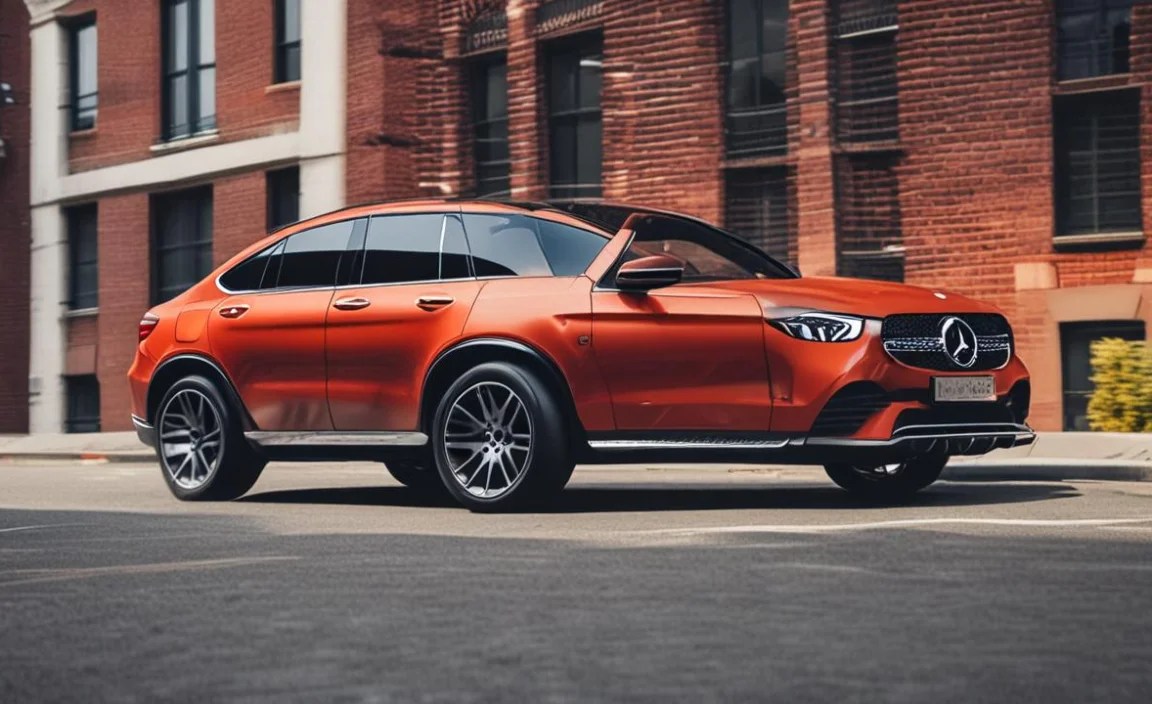
The Mercedes-Benz GLC Coupe offers a compelling blend of sporty design and luxury SUV practicality. When it comes to its reliability, modern GLC Coupes generally perform well, though like any vehicle, proactive maintenance is key to ensuring its long-term performance and that “ultimate” driving experience owners expect. Understanding typical maintenance needs and potential owner concerns can help you keep your GLC Coupe running at its peak for years to come. This guide will delve into what makes the GLC Coupe reliable and how to maintain that signature Mercedes-Benz feel.
The Mercedes-Benz GLC Coupe is a sought-after vehicle for those who desire the elevated driving position and versatility of an SUV, coupled with the sleek, coupe-like silhouette. Many wonder, “Is the Mercedes GLC Coupe reliable?” This is a common question for luxury car buyers, and the answer is reassuring. Mercedes-Benz has made significant strides in engineering and quality control, making the GLC Coupe a dependable choice in its segment.
However, “reliable” doesn’t mean maintenance-free. Like any high-performance luxury vehicle, consistent care and a proactive approach to service are crucial. Understanding the specific needs of your GLC Coupe will ensure it continues to deliver the seamless blend of performance, comfort, and cutting-edge technology that you expect from a Mercedes-Benz.
In this guide, we’ll break down everything you need to know about Mercedes GLC Coupe reliability. We’ll explore its general reputation, common maintenance points, and what you can do to keep your vehicle in top condition. Get ready to understand your GLC Coupe better and ensure its ultimate performance for years to come.
Understanding Mercedes-Benz GLC Coupe Reliability: What Owners Say

When evaluating the reliability of any vehicle, it’s helpful to look at what current owners and automotive experts are saying. The Mercedes-Benz GLC Coupe, across its various model years, has earned a generally positive reputation for its build quality and engineering. While specific reliability ratings can fluctuate based on model year and individual vehicle history, the overall sentiment points towards a well-built and durable machine.
Owners often praise the GLC Coupe for its luxurious interior, engaging driving dynamics, and advanced technology. When it comes to dependability, most report a satisfying ownership experience, especially when adhering to the recommended maintenance schedule. Issues, when they arise, are often typical for vehicles in this class and price range, rather than indicative of fundamental design flaws.
Consumer reports and automotive surveys generally place the GLC Coupe in a competitive position among its luxury SUV rivals. This confidence in its reliability stems from Mercedes-Benz’s commitment to rigorous testing and quality control throughout the manufacturing process. The brand’s dedication to innovation also means that while technology evolves, the core components are designed for longevity.
Key Factors Influencing GLC Coupe Reliability

Several factors contribute to the overall reliability of your Mercedes-Benz GLC Coupe. Understanding these aspects can help you make informed decisions about maintenance and ownership.
1. Build Quality and Materials

Mercedes-Benz vehicles are synonymous with precision engineering and high-quality materials. The GLC Coupe is no exception. From the robust chassis to the premium interior finishes and the finely tuned engine and transmission components, the underlying construction is designed for durability and longevity. This meticulous attention to detail minimizes the likelihood of premature wear and tear on critical parts.
2. Advanced Engineering

Mercedes-Benz invests heavily in research and development, which translates into sophisticated engineering in vehicles like the GLC Coupe. Features such as advanced engine management systems, adaptive suspension, and electronic control units are designed to operate efficiently and reliably. While complex systems can sometimes introduce unique challenges, Mercedes-Benz’s track record for engineering excellence generally ensures their components are robust.
3. Powertrain Performance and Durability

The GLC Coupe typically features powerful yet efficient four-cylinder turbocharged engines (often in the 2.0L range) in its standard models, and more potent V6 or V8 powertrains in AMG variants. These engines are engineered for a balance of performance and longevity. Regular oil changes, proper cooling system maintenance, and avoiding excessive strain are key to their enduring performance. The transmission, often a 9G-TRONIC automatic, is also a sophisticated unit known for smooth shifts and durability when serviced correctly.
4. Electronics and Infotainment Systems

Modern luxury vehicles are packed with technology, and the GLC Coupe is a prime example. Its MBUX infotainment system, driver-assistance features, and various electronic modules contribute to the driving experience. While generally reliable, these complex electronic systems are areas where issues can sometimes arise, often related to software updates or specific sensor malfunctions. However, Mercedes-Benz provides over-the-air updates and dealer support to address these potential concerns.
5. Regular Maintenance: The Cornerstone of Reliability

Perhaps the most significant factor in ensuring your GLC Coupe’s reliability is a consistent and comprehensive maintenance regimen. Adhering to the manufacturer’s recommended service intervals is vital. This includes routine checks, fluid changes, filter replacements, and inspections of key components. Skipping or delaying services can lead to minor issues escalating into more significant and costly problems.
Common Maintenance Points for the Mercedes GLC Coupe

To keep your GLC Coupe running smoothly and maintain its “ultimate performance” feel, here are some key maintenance areas to focus on:
1. Oil Changes and Fluid Flushes

Regular oil changes using the correct Mercedes-Benz-approved synthetic oil are paramount. The frequency will depend on your driving habits and the specific model year recommendations, typically found in your owner’s manual or accessible through the vehicle’s display. Beyond engine oil, other vital fluids include the transmission fluid, brake fluid, coolant, and power steering fluid (if applicable). Mercedes-Benz recommends specific intervals for flushing and replacing these fluids to prevent contamination and ensure optimal component function. For instance, the transmission fluid service is critical for the longevity of the sophisticated 9G-TRONIC gearbox.
2. Filter Replacements

Several filters in your GLC Coupe require periodic replacement. These include the engine air filter, cabin air filter, and possibly fuel filters or oil filters depending on the service schedule. A clean engine air filter ensures optimal airflow to the engine, contributing to performance and efficiency. The cabin air filter keeps the interior air fresh and free of allergens, while a clean oil filter removes contaminants from the engine oil.
3. Tire Care

Proper tire maintenance significantly impacts vehicle performance, safety, and the longevity of your suspension and steering components. This involves regular tire pressure checks, rotations to ensure even wear, and wheel alignment checks. The GLC Coupe, with its sporty nature, benefits greatly from well-maintained tires. Uneven or excessive tire wear can be an early indicator of alignment issues. Many reputable tire shops offer alignment services; for an AMG model, ensuring alignment is done to Mercedes-Benz specifications is crucial. You can find information about alignment specifications from sources like ASE (Automotive Service Excellence), which sets standards for automotive technicians.
4. Brake System

The braking system on a performance-oriented vehicle like the GLC Coupe is designed for responsiveness and stopping power. Regular inspections of brake pads, rotors, and brake fluid are essential. Follow Mercedes-Benz’s recommended service intervals for brake fluid flushes. For AMG models, which feature enhanced braking systems, proper care is even more critical. If you notice any squeaking, grinding, or a decrease in braking performance, have the system inspected immediately by a qualified technician.
5. Battery Health

Modern vehicles rely heavily on their batteries to power numerous electronic systems. Even though they are built to last, batteries do have a finite lifespan. Regular checks by your mechanic can help determine the battery’s health and prevent unexpected failures. Signs of a weakening battery can include slow engine cranking or flickering dashboard lights.
6. Software Updates
As mentioned, the GLC Coupe is rich in technology, including sophisticated software for the engine, transmission, infotainment, and driver-assistance systems. Mercedes-Benz often releases software updates to improve performance, fix bugs, or enhance features. Staying up-to-date with these updates, typically performed during scheduled service visits, is a key aspect of maintaining optimal reliability and functionality.
GLC Coupe Reliability Rating: Model Year Considerations

While Mercedes-Benz generally produces reliable vehicles, certain model years can perform better than others. Generally, newer models benefit from the latest engineering and refinements, but sometimes older models have had their common issues ironed out through production and recalls. For the GLC Coupe, which debuted in 2016 (as a 2017 model year in North America), here’s a general overview:
Early Models (2017-2019)

These models introduced the GLC Coupe to the market. While well-received, as with any first-generation vehicle, some minor issues might have been identified and addressed in subsequent model years. Common areas of attention might include infotainment glitches or minor electrical gremlins. However, overall reliability for this period was considered good.
Mid-Cycle Refreshes (2020-Present)

The GLC Coupe received a facelift for the 2020 model year, bringing updated styling, technology, and powertrain enhancements. These later models tend to benefit from the lessons learned from earlier production runs. Consumers often find these models to be very reliable. For example, the driving assistance systems might be more refined, and powertrain performance could see slight improvements, contributing to a smoother and more dependable experience.
It’s always advisable to research specific model years you are considering. Resources like J.D. Power and RepairPal provide detailed reliability ratings for different vehicle years, often compiled from extensive owner surveys and repair data. For a quick overview of common issues and their severity, sites like AutoEvolution can offer aggregate owner feedback.
Troubleshooting Common GLC Coupe Issues

While the GLC Coupe is generally reliable, like any car, you might encounter minor issues. Here’s a look at some common concerns and what they might mean:
1. Mild Engine Performance Issues or Hesitation

Potential Causes: Clogged fuel injectors, dirty air filter, spark plug issues, or sensor problems.
Solution: Ensure regular maintenance, including oil and filter changes. If problems persist upon acceleration, a diagnostic check by a Mercedes-Benz specialist is recommended to identify any sensor or component malfunctions.
2. Infotainment or Display Glitches

Potential Causes: Software bugs, connectivity issues (e.g., with Apple CarPlay or Android Auto), or a failing module.
Solution: Often, simply restarting the infotainment system can resolve temporary glitches. For persistent issues, check for software updates, which can sometimes be performed remotely or during a service appointment. Consult your owner’s manual for specific reset procedures.
3. Unusual Noises (e.g., Squeaking, Rattling, Clunking)

Potential Causes: Worn brake pads, suspension component wear, loose interior trim.
Solution: Different noises point to different problems. Squeaks could be brakes, rattles might be interior trim, and clunks could indicate suspension issues. A thorough inspection by a qualified mechanic is necessary to pinpoint the source and ensure safety.
4. Warning Lights on the Dashboard

Potential Causes: A vast range of issues from a loose gas cap to a more serious engine or transmission problem.
Solution: Do not ignore warning lights. Consult your owner’s manual for the specific light’s meaning. Some can be safely addressed by the driver (like a gas cap), while others require immediate professional diagnosis. For specific codes, a diagnostic scan tool is essential.
5. Minor Electrical Issues

Potential Causes: Weak battery, faulty sensors, or issues with control modules.
Solution: Start with battery health checks. If the battery is good, a professional diagnosis employing advanced diagnostic tools like the Mercedes-Benz Star Diagnosis system is required to pinpoint and replace faulty modules or sensors.
For any complex troubleshooting or repairs, it’s always best to consult a certified Mercedes-Benz technician. They have the specialized tools and knowledge to accurately diagnose and fix issues, ensuring your vehicle remains in optimal condition.
The Role of AMG in GLC Coupe Performance and Reliability

For automotive enthusiasts, the Mercedes-AMG GLC Coupe variants represent the pinnacle of performance within the GLC Coupe lineup. These models, such as the GLC 43 and the more extreme GLC 63 variants, are engineered with significant performance upgrades. While the core reliability principles remain the same, AMG versions bring additional considerations.
Powertrain Enhancements

AMG models feature more potent engines (often hand-built), upgraded transmissions, and enhanced exhaust systems. These components are built to withstand higher performance demands, but they also require meticulous care and specialized knowledge for maintenance. The AMG SPEEDSHIFT transmission, for instance, offers quicker shifts and greater torque capacity but demands precise fluid types and meticulous servicing.
Suspension and Brakes

AMG vehicles typically come with sport-tuned adaptive suspensions and high-performance braking systems. These upgrades provide superior handling and stopping power but can also be more sensitive to wear and tear. Regular inspections of suspension bushings, shocks, and brake components are crucial. For example, maintaining the proper brake fluid in an AMG is critical for track-inspired performance.
Maintenance for AMG Models

AMG vehicles often have slightly different maintenance schedules and specific fluid requirements compared to standard GLC Coupe models. It is imperative to follow the AMG-specific service intervals. Using non-approved parts or fluids can compromise performance and reliability. For DIY enthusiasts, ensure you are using parts and fluids that meet or exceed Mercedes-AMG specifications. Resources like the official Mercedes-AMG website detail the engineering behind these performance machines.
Despite their high-performance nature, AMG GLC Coupes are engineered with the same commitment to quality as their standard counterparts. With proper, specialized care, these AMG variants can offer a thrilling yet reliable driving experience for years.
DIY Maintenance vs. Professional Service for GLC Coupe Reliability

Deciding between DIY car maintenance and professional servicing for your Mercedes-Benz GLC Coupe is a common consideration. Both approaches have their pros and cons, especially when it comes to maintaining reliability.
DIY Maintenance

Pros:
- Cost Savings: Performing routine tasks like oil changes, filter replacements, and even brake pad changes can be significantly cheaper than paying for labor at a dealership or independent shop.
- Deeper Understanding: Getting hands-on with your vehicle can deepen your appreciation and understanding of its systems, potentially allowing you to spot issues early.
- Flexibility: You can perform maintenance on your own schedule.
Cons:
- Specialized Tools: Mercedes-Benz vehicles often require specific diagnostic tools and specialized wrenches or equipment that a typical DIYer may not own. The Mercedes-Benz diagnostic system (XENTRY/DAS) is proprietary and expensive.
- Technical Knowledge: Complex systems, especially in modern Mercedes-Benz vehicles, demand a high level of technical expertise. Mistakes can be costly and compromise reliability.
- Warranty Concerns: Certain DIY repairs or modifications could potentially void parts of your vehicle’s warranty.
- Time Commitment: Learning, performing, and cleaning up after DIY tasks can be time-consuming.
Professional Service (Dealership or Independent Specialist)

Pros:
- Expertise: Certified technicians have the training, experience, and up-to-date knowledge of Mercedes-Benz vehicles.
- Specialized Equipment: They possess the necessary advanced diagnostic tools and genuine Mercedes-Benz parts.
- Warranty Protection: Using authorized service centers often ensures warranty compliance and protects your investment.
- Efficiency: Professionals can often perform maintenance and repairs more quickly and correctly the first time.
Cons:
- Higher Cost: Labor rates at dealerships and even many independent specialists are higher than what you’d spend on parts for DIY.
- Less Control: You have less direct control over the process and timing, relying on the service center’s schedule.
Recommendation for GLC Coupe Reliability: For essential maintenance like oil changes and tire rotations, a skilled DIYer with the right tools and a service manual might be able to manage. However, for complex diagnostics, electrical issues, transmission services, or anything related to the engine control units (ECUs) and sophisticated sensor arrays, professional service from a Mercedes-Benz dealership or a reputable independent Mercedes-Benz specialist is highly recommended. This ensures that your GLC Coupe receives the precise care needed to maintain its ultimate performance and long-term reliability.
Frequently Asked Questions (FAQ) about Mercedes GLC Coupe Reliability
Q1: What is the average lifespan of a Mercedes-Benz GLC Coupe?
A1: With diligent maintenance, a Mercedes-Benz GLC Coupe can reliably last well over 150,000 miles, and often significantly more. The actual lifespan depends heavily on driving conditions, maintenance history, and how the vehicle is cared for.
Q2: Are Mercedes-Benz GLC Coupes expensive to maintain?
A2: Compared to non-luxury or mass-market brands, Mercedes-Benz vehicles, including the GLC Coupe, generally have higher maintenance and repair costs due to the specialized parts, fluids, and labor required. However, their engineering aims to reduce the frequency of major issues if properly maintained.
Q3: What are the most common problems reported for the


