
Coupe Car Common Issues: Ultimate Performance
Quick Summary:
Addressing common issues in coupe cars like Mercedes-Benz models ensures peak performance and longevity. Regular checks on electrical systems, engine components, suspension, and body integrity are crucial. Proactive maintenance prevents costly repairs and keeps your coupe driving as exhilaratingly as intended. Understanding these key areas is your first step to ultimate performance.
Coupe cars, especially premium performance models like those from Mercedes-Benz, offer a captivating blend of style and driving dynamics. However, like any sophisticated machine, they can develop specific quirks over time. These “coupe car common issues” might seem daunting, but with a bit of knowledge and proactive care, you can keep your beloved coupe running at its absolute best. From subtle electrical gremlins to more overt mechanical concerns, understanding what to look for is key to maintaining that exhilarating performance. We’re here to guide you through the most frequent challenges, offering clear solutions so you can continue to enjoy every mile in ultimate comfort and style.
Understanding Coupe Car Common Issues for Ultimate Performance

Coupe cars, celebrated for their sleek profiles and sporty handling, often represent the pinnacle of automotive design and engineering. When you own a coupe, especially a luxury performance model, you’re investing in an experience. However, as these vehicles age or accumulate mileage, certain components can experience wear and tear, leading to common issues. Addressing these proactively not only preserves the car’s value and aesthetic appeal but, more importantly, ensures its performance remains as thrilling and reliable as the day you first drove it. This guide will delve into the most prevalent concerns owners face and provide clear, actionable steps to maintain your coupe’s ultimate performance.
Electrical Gremlins and Luxuries
Modern coupes are packed with advanced technology, from intricate infotainment systems to sophisticated driver assistance features. This complexity, while offering unparalleled convenience and safety, can sometimes lead to electrical issues. These aren’t typically performance-inhibiting in a raw sense, but they detract from the premium experience and can mask more serious underlying problems.
Common Electrical Concerns:
- Infotainment System Glitches: Screens freezing, unresponsiveness, or audio cutting out are not uncommon. This can be due to software bugs, loose connections, or failing modules.
- Sensor Malfunctions: Many sensors (parking sensors, rain sensors, adaptive cruise control sensors) can become obstructed by dirt or experience electrical failures, leading to warning lights or disabled features.
- Battery Drain Issues: Older batteries or parasitic draws from aftermarket accessories or faulty modules can lead to the battery draining unexpectedly, impacting starting and overall electrical system stability.
- Lighting Problems: From interior ambient lighting to exterior LED units, individual bulbs or entire control modules can fail, affecting illumination and vehicle aesthetics.
Solutions for Electrical Woes:
For minor glitches, a simple system reset or software update might suffice. For persistent issues like battery drain, a thorough diagnostic scan is essential. This involves checking for parasitic draws using a multimeter and identifying any modules consuming excessive power. For sensor issues, cleaning them is the first step. If that fails, checking the wiring harness for damage and then testing or replacing the sensor is the recommended approach. Always use diagnostic tools specifically designed for Mercedes-Benz vehicles for accurate readings.
Engine and Powertrain Performance Checks
The heart of any coupe is its engine and transmission; maintaining their optimal function is paramount for “ultimate performance.” Understanding the nuances of Mercedes-Benz engines, known for their power and refinement, helps in diagnosing potential issues before they escalate.
Key Engine & Powertrain Issues:
- Oil Leaks: Valve cover gaskets, oil pan gaskets, and crank seals are common culprits for oil leaks. While some minor seepage might be normal, significant drips require attention.
- Cooling System Weaknesses: Overheating can severely damage an engine. Issues can stem from a failing water pump, thermostat, radiator leaks, or clogged coolant passages.
- Transmission Shudder or Hesitation: Modern automatic transmissions are complex. Issues can range from low transmission fluid levels or a dirty filter to solenoid failures or torque converter problems.
- Misfires and Rough Idling: These can be caused by ignition system problems (spark plugs, coils), fuel delivery issues (injectors, fuel pump), or vacuum leaks.
- Turbocharger Wear (if applicable): On turbocharged models, oil leaks from the turbo, whining noises, or a loss of boost pressure indicate potential wear or failure.
Maintaining Peak Powertrain Health:
Sticking to Mercedes-Benz’s recommended service intervals for oil changes, filter replacements, and coolant flushes is non-negotiable. For oil leaks, prompt repair is crucial to prevent engine damage from low oil levels. Regularly inspecting hoses and the radiator for signs of wear or leaks also helps maintain the cooling system. If you experience transmission issues, it’s best to consult a specialist familiar with Mercedes-Benz transmissions for diagnosis and repair. Misfires require systematic troubleshooting, often starting with ignition components and moving towards fuel and air systems. For turbocharged models, regular oil changes with the correct specification oil are vital for turbo longevity. You can find more about recommended maintenance schedules on the official Mercedes-Benz USA service portal.
Suspension and Handling Dynamics of Coupes
Coupes are RWD platforms engineered for dynamic driving. The suspension system is critical to this experience. Worn components can lead to a loss of precision, comfort, and safety.
Common Suspension & Steering Problems:
- Worn Shocks/Struts: Leaking fluid, a bouncy ride, or poor handling during cornering indicate worn dampers.
- Bushings and Ball Joint Deterioration: Worn rubber bushings in control arms or failing ball joints can cause clunking noises, vague steering, and uneven tire wear.
- Power Steering Leaks or Noises: Issues with the power steering pump, hoses, or rack can result in stiff steering, whining noises, or fluid leaks.
- Uneven Tire Wear: Often a symptom of alignment issues, worn suspension components, or improper tire pressure.
Ensuring Responsive Handling:
Regularly inspect suspension components for leaks, cracks, or looseness. Listen for any new noises while driving over bumps or cornering. A professional alignment is recommended periodically, especially if you notice uneven tire wear or the car pulling to one side. For power steering issues, identify the source of the leak or noise to determine if it’s a pump, hose, or rack problem. Worn shocks and bushings should be replaced promptly to restore responsive handling and prevent further damage to other components. Always use high-quality replacement parts, preferably OEM (Original Equipment Manufacturer) for optimal fit and performance.
Body and Chassis Integrity
Beyond mechanicals, the coupe’s body and chassis integrity are vital for its luxurious appeal and safety. Issues here can range from unsightly cosmetic problems to structural concerns.
Typical Body & Chassis Concerns:
- Rust and Corrosion: Especially in areas with harsh climates, rust can form around wheel wells, door bottoms, and panel seams.
- Door Seal Degradation: Over time, rubber seals can harden and crack, leading to water leaks into the cabin and increased wind noise.
- Sunroof/Moonroof Leaks: Clogged drainage channels or worn seals can cause water to enter the vehicle, potentially damaging electronics and interior trim.
- Panel Fitment Issues: Minor impacts or age can cause body panels to become misaligned, affecting aesthetics and potentially aerodynamics.
Preserving Your Coupe’s Form:
Regular washing and waxing help protect the paintwork and prevent rust. For areas prone to corrosion, consider applying anti-corrosion treatments. Inspect door and window seals regularly for cracks and consider replacing them if they show signs of wear. For sunroofs, periodically flush the drainage channels with compressed air or a thin hose filled with water. If panels are misaligned, a body shop can often adjust them. Addressing rust early is critical; consult a professional for rust removal and prevention to maintain structural integrity.
Diagnostic Tools and Preventative Measures

The best way to manage “coupe car common issues” is through robust diagnostic practices and a commitment to preventative maintenance. This approach saves money, time, and ensures your vehicle is always ready for its next spirited drive.
Essential Diagnostic Tools
For any Mercedes-Benz owner interested in DIY diagnostics, having the right tools is paramount. While professional tools are expensive, some are accessible and invaluable.
- OBD-II Scanner: A good quality OBD-II scanner is essential for reading fault codes from the Engine Control Unit (ECU) and other modules. For Mercedes-Benz, consider scanners compatible with manufacturer-specific protocols. The Bosch ESI[tronic] software is an example of professional-grade diagnostic software.
- Multimeter: Crucial for checking battery voltage, continuity, and diagnosing electrical circuit issues.
- Torque Wrench: Essential for ensuring fasteners are tightened to the correct specifications, especially during brake jobs, wheel installations, or suspension work.
- Basic Hand Tool Set: A comprehensive set of sockets, wrenches, screwdrivers, and pliers is indispensable for most maintenance tasks.
The Importance of Regular Maintenance
Adhering to the manufacturer’s service schedule is the bedrock of preventative maintenance. This typically includes:
- Oil and Filter Changes: Use high-quality synthetic oil meeting Mercedes-Benz specifications (e.g., MB-Approval 229.5 or 229.51).
- Fluid Checks and Flushes: Regular checks and scheduled flushes of coolant, brake fluid, and transmission fluid are critical.
- Tire Rotation and Balancing: Promotes even tire wear and extends tire life.
- Brake Inspections: Checking pads, rotors, and fluid levels ensures safety and performance.
- Filter Replacements: Engine air filters and cabin air filters should be replaced at recommended intervals.
Beyond scheduled maintenance, conduct visual inspections regularly. Walk around your car, check for leaks under the vehicle, inspect tire pressure and tread depth, and listen for any unusual noises. Early detection is key.
Comparing Common Issues by Model Era
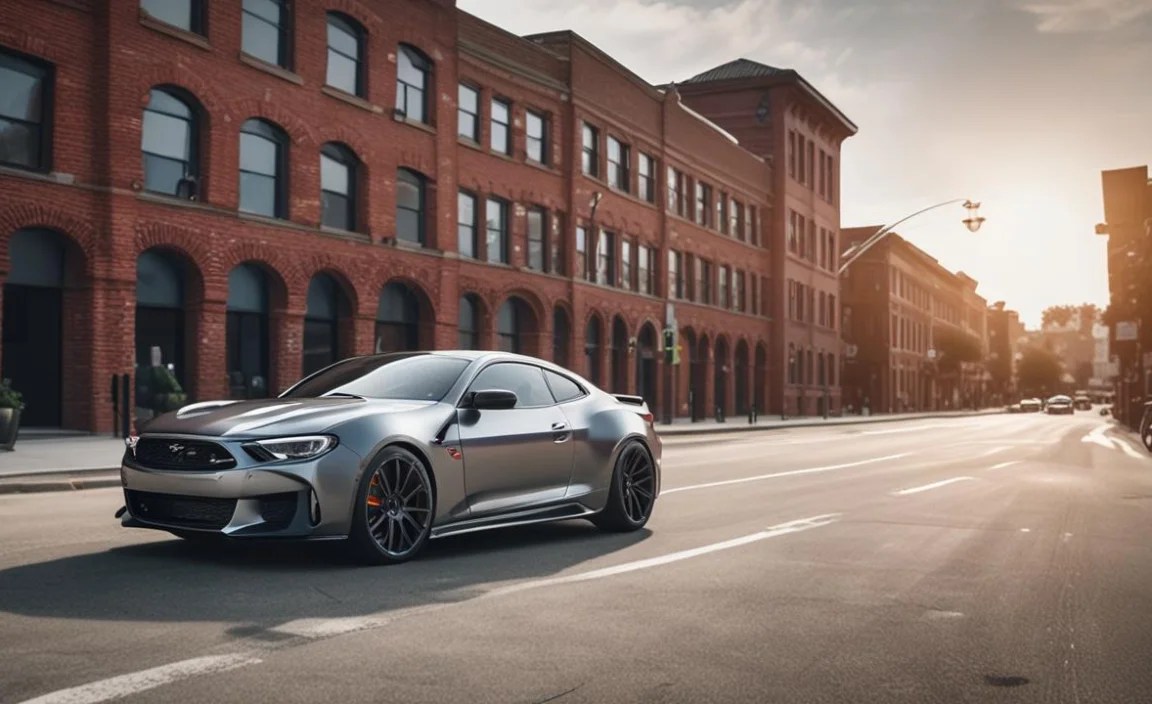
While many issues are common across coupe models, certain generations and specific models might have recurring problems due to design evolutions or material choices.
| Model Era | Common Issues | Focus Areas for Performance |
|---|---|---|
| Early 2000s (e.g., W203 C-Class Coupe) | Window regulators, ignition coil failures (M111/M271 engines), rust on subframes, sensor failures (ABS, O2). | Ensure the engine management system is free of fault codes; check for smooth engine operation and responsive braking. |
| Late 2000s – Early 2010s (e.g., C207 E-Class Coupe) | Transmission control module (TCM) issues, valve body problems, balance shaft wear (M272/M273 engines), COMAND system glitches. | Verify smooth gear shifts without hesitation; ensure the engine maintains consistent power delivery. |
| Mid-2010s onwards (e.g., C205 C-Class Coupe, A205 C-Class Cabriolet, C190 AMG GT) | Electronics (sensors, cameras, modules), carbon fiber component care (AMG GT), exhaust system complexities, adaptive suspension control units. | Check all electronic driver aids and comfort features function correctly; ensure the adaptive suspension provides the intended ride/handling balance. |
Specific Model Considerations
AMG Models: Naturally, AMG coupes demand more frequent and specialized attention. Their high-performance engines and sophisticated braking systems require meticulous care. Oil changes using manufacturer-approved oils and timely replacement of performance brake pads and rotors are crucial. For turbocharged AMG engines, monitoring boost pressure and exhaust temperatures can indicate potential issues.
Convertible Coupes (e.g., Cabriolets): Beyond standard coupe issues, these models carry the added complexity of their retractable roofs. Check the roof mechanism, seals, hydraulic fluid, and drainage channels regularly. A well-maintained roof ensures the structural integrity and the premium feel of the cabin.
When to Seek Professional Help

While DIY is empowering, some “coupe car common issues” are best left to the experts. Recognizing when to call in a qualified technician is as important as knowing how to change your oil.
Red Flags Indicating Professional Attention
- Persistent Warning Lights: Especially for critical systems like the engine, transmission, ABS, or airbag.
- Unusual Noises: Grinding, knocking, or loud clunking noises originating from the engine, transmission, or suspension.
- Significant Fluid Leaks: Large puddles under the car, especially of oil, coolant, or transmission fluid.
- Complete System Failures: If a major system like the power steering, braking, or transmission completely stops working.
- Complex Electrical Diagnostics: When OBD-II codes point to intricate wiring or module failures that require specialized diagnostic equipment and knowledge.
- Structural or Body Repair: Major rust damage or panel misalignment often requires professional tools and expertise.
Finding a Trusted Mechanic
For Mercedes-Benz vehicles, it’s advisable to seek out technicians specializing in European luxury cars or, ideally, those with specific Mercedes-Benz expertise. Look for:
- Certifications: ASE (Automotive Service Excellence) certification is a good baseline.
- Experience: How long have they been working on Mercedes-Benz vehicles?
- Reviews and Referrals: Check online reviews and ask for recommendations from other Mercedes-Benz owners.
- Transparency: A reputable shop will provide clear estimates, explain the necessary work, and offer warranties on their parts and labor.
- Dealership vs. Independent: Dealerships offer specialized knowledge and OEM parts but can be more expensive. High-quality independent shops can offer comparable expertise at a potentially lower cost.
Don’t hesitate to get a second opinion for major repairs. For peace of mind, especially with complex vehicles like Mercedes-Benz coupes, professional expertise is often an invaluable investment.
FAQ: Coupe Car Common Issues
Q1: Are coupes generally more expensive to maintain than sedans?
A: Not necessarily due to their body style, but luxury performance coupes often feature more complex engines, advanced suspension systems, and premium materials, which can increase maintenance costs compared to a standard sedan. However, basic maintenance like oil changes or brake jobs might be similar.
Q2: How often should I check my coupe’s tires?
A: You should check your tire pressure weekly and conduct a visual inspection for wear and damage at least once a month. Tire rotations and professional balancing are typically recommended every 5,000 to 7,500 miles.


