
Mercedes Sprinter 4×4 Conversion: Ultimate Luxury 4×4
Transform your Mercedes-Benz Sprinter van into an unparalleled luxury 4×4 vehicle with a professional conversion. This guide explores the process, benefits, and considerations to help you achieve the ultimate all-terrain, premium travel experience.
The dream of exploring off the beaten path without sacrificing comfort is a powerful one. For many, this dream aligns perfectly with the robust capability and spacious interior of a Mercedes-Benz Sprinter van. But what if you crave the ability to tackle challenging terrain while still enjoying the refined luxury Mercedes-Benz is known for? That’s where a Mercedes Sprinter 4×4 conversion comes in. It’s a journey from a capable cargo or passenger van to an expedition-ready, opulent motorhome or adventure vehicle. Many drivers find themselves wanting more capability than a standard two-wheel-drive offers, especially for accessing remote campsites or navigating challenging weather. This guide will demystify the Mercedes Sprinter 4×4 conversion process, detailing what’s involved, why it’s worth considering, and what you need to know before embarking on this exciting upgrade.
Why Convert Your Mercedes Sprinter to 4×4?

The standard Mercedes-Benz Sprinter is already a lauded vehicle for its cargo capacity, versatility, and premium feel. However, for those with a spirit of adventure and a desire to venture beyond paved roads, the limitations of its rear-wheel-drive (RWD) configuration become apparent. A 4×4 conversion unlocks a new realm of possibilities, transforming the Sprinter into a true all-terrain machine.
Here are the key benefits of a Mercedes Sprinter 4×4 conversion:
Enhanced Off-Road Capability: The most significant advantage is the ability to tackle rough, unpaved surfaces, inclines, mud, snow, and sand with confidence. The power distributed to all four wheels provides superior traction.
All-Weather Performance: Navigate snow-covered roads, icy patches, and heavy rain with drastically improved stability and control. This makes winter travel and adventuring in unpredictable climates much safer.
Access to Remote Destinations: Reach secluded campsites, trailheads, and viewpoints that are inaccessible to standard vans. Your exploration potential expands exponentially.
Increased Resale Value: A professionally done 4×4 conversion, especially for popular models like the Sprinter, can significantly increase the vehicle’s appeal and resale value to a niche market of adventurers.
Luxury and Utility Combined: You don’t have to sacrifice the Sprinter’s renowned comfort and spaciousness. A 4×4 conversion allows you to build out a luxurious interior for overland travel, mobile offices, or bespoke RV experiences, all while having the capability to reach your desired location.
Understanding the Sprinter 4×4 System
Mercedes-Benz themselves offer factory 4×4 Sprinters, which are built with the drivetrain components from the assembly line. However, many conversions are performed on existing RWD Sprinters. The core of a 4×4 system involves a transfer case that can engage the front driveshaft, a modified front axle, and usually changes to the suspension to accommodate the new components and provide appropriate ground clearance.
The factory 4×4 system typically includes:
High-Low Range Transfer Case: This allows for selecting between a direct drive (for normal road use) and a lower gear ratio (for off-road traction and climbing).
Front Differential: Essential for allowing the front wheels to rotate at different speeds during turns.
Front Axles and CV Joints: Designed to transmit power to the front wheels while allowing for steering and suspension articulation.
Beefier Suspension Components: Often necessary to handle the added weight and stresses of the 4×4 system and potential increases in ride height.
The Mercedes Sprinter 4×4 Conversion Process: A Step-by-Step Overview

Converting a RWD Sprinter to 4×4 is a complex undertaking that requires specialized knowledge and parts. While DIY is possible for highly skilled mechanics, most owners opt for professional conversion companies. Here’s a general outline of what the process typically involves:
Step 1: Sourcing the Right Sprinter
The foundation of your conversion is the Sprinter van itself. Consider the model year, wheelbase, roof height, and existing condition. Newer models often have more advanced features and a better starting point. While any Sprinter can be converted, models with the OM651 (2.1L diesel) or OM642 (3.0L V6 diesel) engines are common choices.
Step 2: Acquiring 4×4 Drivetrain Components
This is arguably the most critical and often expensive part. There are generally two routes:
New/OEM Parts: Purchasing brand-new 4×4 components directly from Mercedes-Benz or their authorized suppliers is the most reliable but also the costliest option.
Salvaged Parts: Sourcing components from a donor 4×4 Sprinter (often from scrapyards or specialized dismantling services) can be more economical. However, it requires careful inspection to ensure the parts are in good working order.
Key components include:
Transfer case
Front driveshaft
Front differential and axle housing
Front suspension components (knuckles, control arms, shocks, springs)
Steering components
Brake components (sometimes larger rotors or calipers are part of the upgrade)
Wheel hubs and potentially wheels with different offsets.
Step 3: Chassis Modification and Frame Reinforcement
The Sprinter’s chassis needs to be prepared to accept the front drivetrain. This often involves:
Mounting Points: Fabricating and welding new mounting points for the transfer case and front differential.
Frame Modifications: Potentially reinforcing specific areas of the frame to support the added stress of the 4×4 system.
Fuel Tank Relocation/Modification: Depending on the transfer case and driveshaft routing, the fuel tank might need adjustment or replacement.
Exhaust System Rerouting: Paths for the driveshaft may require modifications to the exhaust system.
Refer to resources like the National Highway Traffic Safety Administration (NHTSA) for general guidelines on vehicle modifications and safety standards, although specific conversion details are best obtained from experienced conversion specialists.
Step 4: Suspension and Ride Height Adjustments
A 4×4 conversion typically adds significant weight and often involves a necessary increase in ground clearance to accommodate the new components and protect them off-road.
Lift Kits: Specialized lift kits are usually installed on both the front and rear axles to achieve a uniform increase in ride height. This can range from a few inches to over six inches, depending on the desired outcome.
Springs and Shocks: Upgraded springs and heavy-duty shocks are essential to handle the increased weight and provide superior damping for off-road conditions.
Tire Size: Larger, more aggressive all-terrain tires are a common companion to a 4×4 conversion, further increasing ground clearance and off-road traction.
Step 5: Driveline Installation and Integration
This stage involves physically installing the acquired 4×4 components onto the Sprinter chassis.
Transfer Case Mounting: The transfer case is mounted and connected to the transmission.
Front Axle Installation: The front differential and axle assembly are installed.
Driveshaft Fabrication/Installation: Custom driveshafts are typically required to connect the transfer case to the front differential and the transfer case to the rear differential. Careful measurement and alignment are crucial.
Brake Line and ABS Sensor Routing: Brake lines and ABS sensor wires need to be rerouted to accommodate the new axle configuration.
Step 6: Electrical and Control System Integration
Modern vehicles rely heavily on electronics. Integrating the 4×4 system requires connecting sensors and control modules.
4WD Engagement Control: This can range from a simple mechanical lever to sophisticated electronic push-button controls, depending on the donor parts and conversion method.
Dashboard Indicators: Ensuring the 4×4 system status (e.g., engaged, neutral, low range) is displayed correctly on the dashboard.
ABS and ESP Integration: Making sure anti-lock braking system (ABS) and electronic stability program (ESP) function correctly with the new drivetrain configuration is paramount for safety.
Many conversion specialists utilize specialized wiring harnesses or adapt existing ones to ensure seamless integration with the Sprinter’s factory electronics.
Step 7: Testing and Alignment
Once all components are installed, rigorous testing is essential.
Functional Testing: Engaging 4×4, checking low range, and ensuring smooth power delivery.
Road Testing: Driving the van under various conditions to check for vibrations, noises, and proper handling.
Wheel Alignment: A precise alignment is critical after suspension work and tire changes to ensure proper steering, tire wear, and driving stability.
Professional Sprinter 4×4 Conversion Specialists
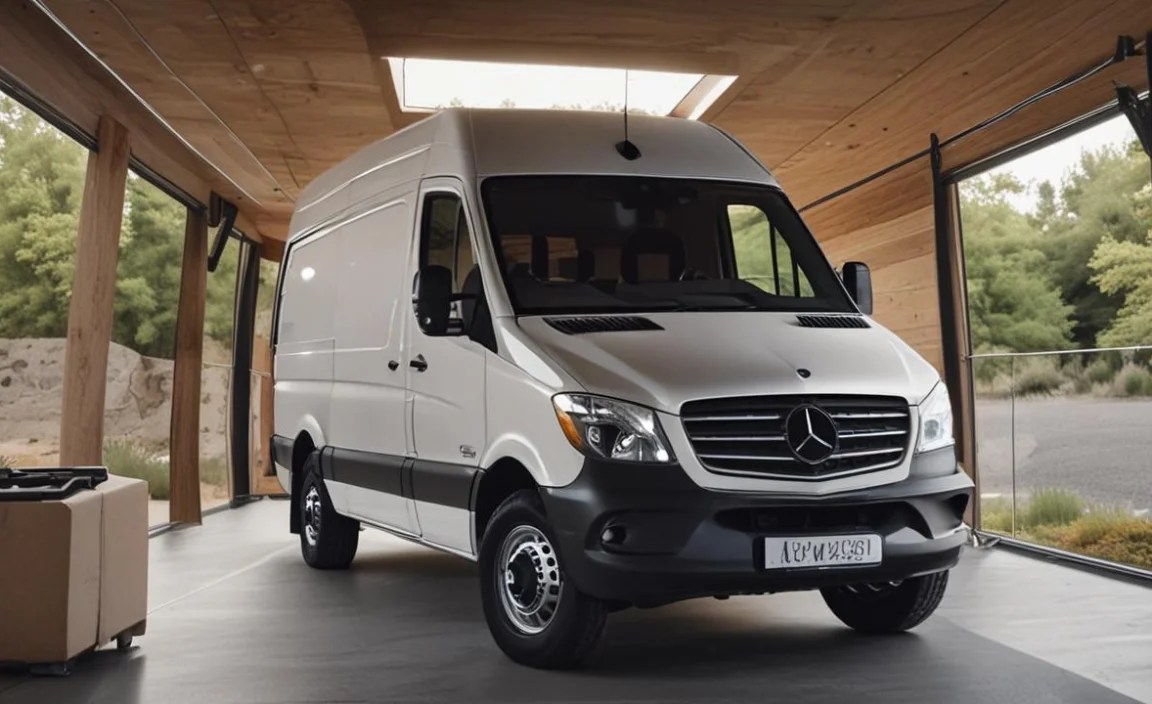
For most owners, taking on a 4×4 conversion is a task best left to the experts. Numerous specialized companies across North America and Europe focus exclusively on transforming Mercedes-Benz Sprinters into rugged, capable adventure vehicles. These specialists have the engineering expertise, specialized tools, and access to proprietary components to perform conversions reliably and safely.
Some well-regarded companies include:
Sportsmobile: A long-time leader in van conversions, offering factory-approved 4×4 conversions for Sprinters.
Van Compass: Known for their suspension and 4×4 systems for off-road vehicles, including Sprinters.
QuadVan: Specializing in 4×4 conversions for a variety of vans, including Mercedes-Benz Sprinters.
Outside Van: While known for their elaborate custom interiors, many also offer 4×4 conversions as a foundation.
Researching and getting quotes from multiple reputable conversion shops is highly recommended.
Cost of a Mercedes Sprinter 4×4 Conversion

The investment in a 4×4 conversion can be substantial. The cost varies significantly based on:
The donor vehicle: Starting with a used vs. new Sprinter.
Type of components: New OEM parts vs. salvaged parts.
Complexity of the conversion: Basic 4×4 system vs. advanced features.
Associated modifications: Suspension lift, larger tires, body armor, interior build-out.
The conversion company: Labor rates and their proprietary methods.
Generally, a professional 4×4 conversion for a Mercedes-Benz Sprinter can range from $15,000 to $30,000+ USD. This is in addition to the cost of the Sprinter van itself.
Typical Cost Breakdown (Estimate):
| Component/Service | Estimated Cost Range (USD) |
| :—————————- | :————————- |
| 4×4 Drivetrain Components | $7,000 – $15,000+ |
| Suspension & Lift Kit | $2,000 – $5,000+ |
| Labor & Installation | $6,000 – $12,000+ |
| Specialized Fabrication | $1,000 – $4,000+ |
| Total Conversion Estimate | $16,000 – $36,000+ |
This table provides a general estimate. Actual costs can vary significantly.
It’s crucial to get detailed quotes from conversion specialists to understand exactly what is included.
Beyond the Drivetrain: Enhancing Your Luxury 4×4 Sprinter

A 4×4 conversion is often the first step in creating a truly bespoke luxury adventure vehicle. Once the all-terrain capability is established, owners frequently turn to enhancing other aspects:
1. Suspension Upgrades for Comfort and Capability
While not strictly part of the 4×4 conversion, upgrading the suspension further can dramatically improve the ride quality, both on and off-road. Companies offer advanced shock absorbers, helper springs, and even active damping systems that adapt to terrain. This is particularly valuable when carrying heavy loads or for a smoother experience on long journeys.
2. Tire Selection
Choosing the right tires is crucial. All-terrain (AT) tires offer a good balance between on-road manners, fuel efficiency, and off-road grip. For more extreme conditions, mud-terrain (MT) tires provide maximum traction but can be louder and less efficient on pavement. Consider the load rating and speed rating appropriate for your Sprinter and intended use. Websites like Tire Rack offer extensive information on tire types and specifications.
3. Ground Clearance and Protection
To maximize the benefits of a 4×4 system, increasing ground clearance is often a priority. Beyond lift kits, consider:
Skid Plates: Installing robust skid plates made from steel or aluminum to protect the engine, transmission, transfer case, fuel tank, and driveshafts from impacts on rough terrain.
Bumper Upgrades: Aftermarket bumpers can offer improved approach angles and winch mounting capabilities.
4. Interior Luxury and Functionality
The Sprinter’s spacious interior is its blank canvas. For a luxury 4×4, this often means a custom build-out:
High-Quality Materials: Using premium woods, fabrics, and finishes for cabinetry, upholstery, and flooring.
Comfortable Seating: Swiveling captain’s chairs, comfortable sleeping arrangements, and well-designed seating areas.
Advanced Systems: Integrated solar power, larger battery banks, efficient heating and cooling systems, sophisticated infotainment, and internet connectivity.
Smart Storage Solutions: Cleverly designed cabinetry and storage to maximize space and keep items organized.
5. Exterior Enhancements
Auxiliary Lighting: LED light bars and spotlights for improved visibility at night.
Roof Racks and Storage: For carrying extra gear, bikes, or kayaks.
Awning: Providing shade and shelter at your destination.
Paint Protection: Ceramic coatings or wraps to protect the exterior finish from the elements and minor abrasions.
Frequently Asked Questions About Mercedes Sprinter 4×4 Conversions
Q1: Can I convert my RWD Mercedes Sprinter to 4×4 myself?
While theoretically possible, a 4×4 conversion is an extremely complex automotive engineering task. It requires specialized tools, extensive fabrication skills, and deep knowledge of drivetrain systems. For most individuals, it is strongly recommended to use a professional conversion company.
Q2: How much does a Mercedes Sprinter 4×4 conversion typically cost?
A professional 4×4 conversion for a Mercedes-Benz Sprinter generally ranges from $15,000 to $30,000 USD, in addition to the cost of the van itself. The price can vary based on parts used, labor, and additional modifications.
Q3: Will a 4×4 conversion affect my Sprinter’s fuel economy?
Yes, a 4×4 conversion will typically decrease fuel economy. The added weight of the 4×4 components, increased rolling resistance from larger tires, and the potential for aerodynamic changes all contribute to slightly worse MPG.
Q4: How does a 4×4 Sprinter drive on the highway compared to a RWD model?
A well-executed 4×4 conversion will drive very similarly to a stock Sprinter on the highway, often offering a slightly more planted feel due to the added weight. However, if significant suspension lifting or aggressive tires are installed, there might be a slight increase in road noise and a less precise steering feel.
Q5: What is the difference between a factory 4×4 Sprinter and a converted one?
Factory 4×4 Sprinters are engineered and built by Mercedes-Benz with the 4×4 components integrated from the start. This often means more seamless integration of electronics and a more refined overall package. Conversions adapt existing RWD Sprinters, and while professional conversions are excellent, they involve custom fabrication and integration.
Q6: Are there any downsides to a 4×4 conversion?
The primary downsides are the significant cost, the impact on fuel economy, and the complexity, which can sometimes lead to maintenance challenges if not performed by specialists. It also adds weight, which can affect payload capacity.
Q7: What kind of maintenance is required for a converted 4×4 system?
Maintenance is similar to any 4×4 vehicle. Regular inspection and lubrication of the transfer case, differential fluids, U-joints, and CV boots are crucial. It’s advisable to follow the maintenance schedule recommended by the conversion specialist.
The Ultimate Luxury 4×4 Sprinter: Your Next Adventure Awaits
The Mercedes-Benz Sprinter 4×4 conversion represents more than just an automotive upgrade; it’s an investment in freedom, capability, and a refined way to explore the world. By understanding the process, the costs, and the specialists involved, you can embark on creating your own ultimate luxury 4×4 vehicle. Whether you dream of traversing rugged mountain passes, accessing remote surfing spots, or simply navigating winter storms with unparalleled confidence, a 4×4 Sprinter conversion opens up possibilities previously unimaginable.
From the meticulous engineering of the drivetrain integration to the plush comfort of a custom-built interior, each element contributes to a vehicle that is as capable as it is sophisticated. It’s a testament to the versatility of the Mercedes-Benz Sprinter platform and the ingenuity of those who transform it. So, if the call of the wild meets your desire for luxury, a Mercedes Sprinter 4×4 conversion might just be the perfect vehicle to answer it.


