
Mercedes Sedan vs BMW Review: The Ultimate Luxury Showdown
Quick Summary: Choosing between a Mercedes sedan and a BMW often boils down to personal preference. Mercedes provides superior comfort, advanced technology, and a luxurious ride. BMW emphasizes driving dynamics, sporty handling, and powerful engines. Both offer top-tier luxury, but Mercedes leans towards refinement, while BMW targets performance enthusiasts. Consider your priorities for the ultimate driving experience.
Choosing between a Mercedes-Benz sedan and a BMW sedan can feel like navigating a maze of luxury and performance. Both brands offer exceptional vehicles, making the decision tough. Are you prioritizing comfort and innovative technology, or are you seeking a thrilling, sporty driving experience? Many drivers face this dilemma, unsure which brand aligns best with their needs.
This guide breaks down the key differences between Mercedes-Benz and BMW sedans to help you make an informed choice. We’ll explore performance, interior comfort, technology, and overall driving experience. By the end, you’ll have a clear understanding of which brand suits your lifestyle and preferences. Let’s dive in!
FAQ: Mercedes-Benz vs BMW Sedans
Here are some frequently asked questions to help you navigate the Mercedes-Benz vs. BMW debate:
- Which brand offers more luxurious interiors?
Mercedes-Benz generally offers more luxurious and opulent interiors with higher-quality materials and a greater emphasis on comfort. - Which brand is better for performance driving?
BMW is typically known for its sporty handling, powerful engines, and overall performance-oriented driving experience. - Which brand has better technology?
Mercedes-Benz often leads in innovative technology, offering advanced driver-assistance systems and cutting-edge infotainment features. - Are Mercedes-Benz or BMW sedans more expensive to maintain?
Generally, both Mercedes-Benz and BMW can be expensive to maintain, but costs can vary depending on the specific model, maintenance schedule, and repair needs. - Which brand is more reliable?
Reliability can vary by model year and specific vehicle, but both Mercedes-Benz and BMW have made improvements in recent years. It’s best to research specific models you’re considering. - Which brand is better for daily commuting?
Mercedes-Benz is often preferred for daily commuting due to its comfortable ride, quiet cabin, and advanced driver-assistance features. - Do Mercedes-Benz or BMW sedans hold their value better?
Both brands generally hold their value well, but this can depend on factors like mileage, condition, and market demand.
Mercedes-Benz Sedan vs. BMW Sedan: A Detailed Comparison

When comparing Mercedes-Benz and BMW sedans, it’s essential to consider several key aspects. Let’s examine performance, interior comfort, technology, and overall driving experience to help you decide which brand aligns best with your needs.
Performance and Handling
BMW has long been celebrated for its sporty handling and powerful engines. Their sedans are designed to offer an engaging driving experience, with precise steering and responsive acceleration. Mercedes-Benz, while also offering performance models, generally prioritizes a smoother, more refined ride.
- BMW: Known for its responsive steering, powerful engines, and sporty suspension. Models like the BMW M3 and M5 offer exhilarating performance.
- Mercedes-Benz: Focuses on a balance of power and comfort. AMG models provide high performance, but the overall emphasis is on a smooth, controlled ride.
To illustrate the performance differences, consider the following table:
| Feature | BMW | Mercedes-Benz |
|---|---|---|
| Steering Feel | Precise, direct | Comfort-oriented |
| Suspension | Sport-tuned | Adaptive options |
| Engine Options | Powerful inline-6, V8 | Turbocharged 4-cylinder, V6, V8 |
| Driving Experience | Engaging, sporty | Refined, smooth |
Interior Comfort and Design
Mercedes-Benz interiors are often praised for their luxurious materials, elegant design, and advanced comfort features. BMW interiors, while also high-quality, tend to have a more driver-focused, functional aesthetic. The choice here depends on your personal preference for interior design and comfort.
- Mercedes-Benz: Features luxurious materials, ambient lighting, and advanced seating options. The overall design is elegant and opulent.
- BMW: Offers high-quality materials and a driver-focused layout. The design is functional and modern, emphasizing ergonomics.
Here’s a quick comparison of interior elements:
| Feature | Mercedes-Benz | BMW |
|---|---|---|
| Materials | High-end leather, wood trim | Premium leather, metal accents |
| Seating | Comfort-focused, massage options | Sport-oriented, supportive |
| Ambient Lighting | Extensive, customizable | Subtle, functional |
| Overall Design | Elegant, opulent | Modern, driver-focused |
Technology and Innovation
Mercedes-Benz often leads in technological innovation, offering advanced driver-assistance systems, cutting-edge infotainment features, and innovative comfort technologies. BMW also offers advanced technology, but Mercedes-Benz tends to push the boundaries further.
- Mercedes-Benz: Features the MBUX infotainment system, advanced driver-assistance systems (like DISTRONIC), and innovative comfort features (like ENERGIZING Comfort).
- BMW: Offers the iDrive infotainment system, advanced driver-assistance systems (like Driving Assistant Professional), and connected car services.
Let’s compare key technology features:
| Feature | Mercedes-Benz | BMW |
|---|---|---|
| Infotainment System | MBUX (Mercedes-Benz User Experience) | iDrive |
| Driver-Assistance | DISTRONIC, Active Lane Keeping Assist | Driving Assistant Professional |
| Voice Control | “Hey Mercedes” natural language | BMW Intelligent Personal Assistant |
| Comfort Features | ENERGIZING Comfort, massage seats | Remote software upgrades |
Model Lineup Comparison
Both Mercedes-Benz and BMW offer a range of sedan models to cater to different needs and preferences. Here’s a comparison of some popular models:
- Mercedes-Benz C-Class vs. BMW 3 Series: The C-Class offers a luxurious and comfortable ride, while the 3 Series provides a sportier driving experience.
- Mercedes-Benz E-Class vs. BMW 5 Series: The E-Class is known for its advanced technology and refined comfort, while the 5 Series balances performance and luxury.
- Mercedes-Benz S-Class vs. BMW 7 Series: The S-Class sets the standard for luxury and innovation, while the 7 Series offers a blend of performance and high-end features.
A side-by-side look at popular models:
| Segment | Mercedes-Benz | BMW |
|---|---|---|
| Compact Sedan | C-Class | 3 Series |
| Mid-Size Sedan | E-Class | 5 Series |
| Full-Size Sedan | S-Class | 7 Series |
| Entry-Level Sedan | A-Class Sedan | 2 Series Gran Coupe |
Maintenance and Reliability
Maintenance costs can be a significant factor when choosing between Mercedes-Benz and BMW. Both brands require regular maintenance to ensure optimal performance and longevity. While both brands have improved reliability, it’s essential to consider potential repair costs.
- Mercedes-Benz: Maintenance can be expensive due to the high cost of parts and specialized labor. However, regular maintenance can help prevent major issues.
- BMW: Similar to Mercedes-Benz, BMW maintenance can be costly. However, BMW offers various maintenance packages to help manage expenses.
Consider these factors when evaluating maintenance and reliability:
- Maintenance Costs: Both brands can have high maintenance costs due to specialized parts and labor.
- Reliability Ratings: Check reliability ratings from sources like J.D. Power and Consumer Reports for the specific models you’re considering.
- Warranty Coverage: Compare the warranty coverage offered by each brand to understand what’s covered and for how long.
For detailed reliability information, you can check resources like J.D. Power and Consumer Reports.
Fuel Efficiency
Fuel efficiency is an important consideration for many drivers. Both Mercedes-Benz and BMW offer models with varying fuel economy ratings. Consider your driving habits and prioritize fuel efficiency if it’s a key concern.
- Mercedes-Benz: Offers models with efficient engines and hybrid options. Fuel economy varies depending on the model and engine.
- BMW: Also offers models with efficient engines and hybrid options. Fuel economy is competitive with Mercedes-Benz.
Here’s a general comparison of fuel efficiency considerations:
- Engine Options: Both brands offer a range of engine options, including fuel-efficient 4-cylinder engines, powerful V6 engines, and high-performance V8 engines.
- Hybrid Models: Both Mercedes-Benz and BMW offer hybrid models that provide improved fuel economy.
- Driving Habits: Your driving habits can significantly impact fuel economy. Consider how you typically drive when evaluating fuel efficiency.
Safety Features
Safety is a top priority for both Mercedes-Benz and BMW. Both brands offer a wide range of advanced safety features and driver-assistance systems designed to protect occupants and prevent accidents.
- Mercedes-Benz: Features advanced safety technologies like Active Brake Assist, Evasive Steering Assist, and PRE-SAFE.
- BMW: Offers advanced safety technologies like Active Driving Assistant, Lane Departure Warning, and Frontal Collision Warning.
Key safety features to consider:
- Active Safety: Includes features like automatic emergency braking, lane departure warning, and blind-spot monitoring.
- Passive Safety: Includes features like airbags, seatbelts, and a strong vehicle structure.
- Driver-Assistance Systems: Includes features like adaptive cruise control, lane-keeping assist, and parking assist.
You can find safety ratings from organizations like the Insurance Institute for Highway Safety (IIHS) and the National Highway Traffic Safety Administration (NHTSA).
Pricing and Value
Pricing is a crucial factor when comparing Mercedes-Benz and BMW sedans. Both brands offer models at various price points, but it’s essential to consider the overall value proposition.
- Mercedes-Benz: Generally, Mercedes-Benz models tend to be priced at a premium compared to BMW. However, they often offer more luxurious features and advanced technology.
- BMW: BMW models are often seen as a slightly better value, especially for those prioritizing performance and driving dynamics.
Consider these factors when evaluating pricing and value:
- Base Price: Compare the base prices of the models you’re considering.
- Optional Features: Consider the cost of optional features and packages.
- Resale Value: Research the resale value of each brand to understand long-term cost implications.
Making the Right Choice

Choosing between a Mercedes-Benz sedan and a BMW sedan ultimately depends on your personal preferences and priorities. If you value luxurious comfort, advanced technology, and a smooth ride, Mercedes-Benz may be the better choice. If you prioritize sporty handling, powerful engines, and an engaging driving experience, BMW may be more suitable.
- Consider Your Priorities: Determine what’s most important to you in a car, whether it’s comfort, performance, technology, or safety.
- Test Drive Both: The best way to decide is to test drive models from both brands to experience the differences firsthand.
- Research Specific Models: Research specific models within each brand to understand their unique features and capabilities.
Ride Quality and Daily Driving Comfort

One of the biggest differences between Mercedes-Benz and BMW sedans becomes apparent during everyday driving. Mercedes-Benz vehicles are traditionally engineered to prioritize comfort, smoothness, and cabin refinement, making them exceptionally relaxing for long commutes and highway cruising. BMW sedans, while still comfortable, typically maintain a firmer and more connected driving feel designed to emphasize driver engagement.
Mercedes-Benz Comfort Philosophy
Mercedes-Benz focuses heavily on:
- Smooth suspension tuning
- Quiet cabin insulation
- Soft ride quality
- Relaxed steering response
- Long-distance cruising comfort
This makes Mercedes sedans particularly appealing to drivers who prioritize luxury and stress-free commuting.
BMW’s Sport-Oriented Character
BMW sedans are designed to feel:
- More agile in corners
- More responsive during acceleration
- More connected to the road
- Sportier under aggressive driving
For enthusiasts who enjoy spirited driving dynamics, BMW often delivers a more engaging experience behind the wheel.
Resale Value and Long-Term Ownership Experience

Luxury sedans represent a significant investment, so resale value and long-term ownership costs are important considerations. Both Mercedes-Benz and BMW generally retain value reasonably well compared to many mainstream brands, though depreciation patterns can vary depending on model popularity, maintenance history, mileage, and market demand.
Factors Affecting Resale Value
Several factors influence long-term value retention:
- Vehicle condition
- Service history documentation
- Mileage
- Optional feature packages
- Brand reputation
- Reliability perception
Flagship luxury models often depreciate faster initially, while well-maintained mid-range sedans may retain stronger long-term value.
Ownership Satisfaction
Owners of both brands often report high satisfaction levels, but for different reasons:
- Mercedes-Benz owners frequently praise comfort and prestige
- BMW owners commonly appreciate performance and handling
The better long-term ownership experience usually depends on whether the driver values refinement or driving excitement more strongly.
Customization and Trim Level Options
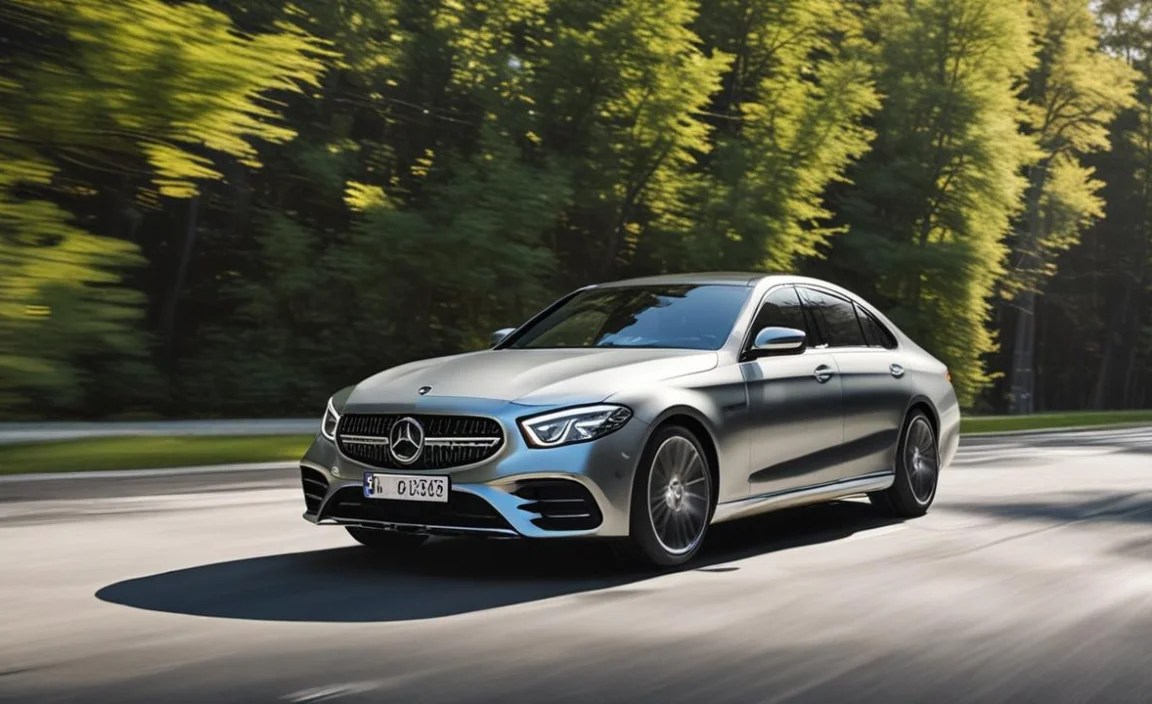
Both Mercedes-Benz and BMW offer extensive customization options, allowing buyers to tailor their sedans to personal preferences. Buyers can choose from multiple trim levels, engine configurations, interior materials, wheel designs, technology packages, and performance upgrades.
Mercedes-Benz Luxury Customization
Mercedes-Benz places strong emphasis on luxury personalization through:
- Premium leather upholstery
- Ambient lighting themes
- Advanced comfort seating packages
- High-end wood trims
- Luxury-focused AMG Line styling
This creates a highly sophisticated and upscale cabin atmosphere.
BMW Performance-Oriented Packages
BMW often focuses customization around performance enhancements such as:
- M Sport packages
- Adaptive suspension systems
- Performance brakes
- Sport seats
- Dynamic handling upgrades
These options appeal strongly to drivers who want a more aggressive and sporty driving personality.
Brand Prestige and Driving Identity

For many luxury car buyers, brand image and emotional appeal play a major role in the decision-making process. Mercedes-Benz and BMW each project very different automotive identities despite competing in the same premium segment.
Mercedes-Benz Brand Image
Mercedes-Benz is commonly associated with:
- Prestige and elegance
- Executive luxury
- Sophisticated comfort
- Advanced innovation
- Timeless styling
The brand often appeals to buyers seeking refined luxury and a premium ownership image.
BMW Brand Personality
BMW is strongly associated with:
- Driving excitement
- Sporty engineering
- Performance heritage
- Driver-focused design
- Dynamic road feel
This identity attracts buyers who value active driving engagement and sporty performance characteristics.
Which Sedan Is Better for Different Types of Drivers?

Choosing between Mercedes-Benz and BMW becomes easier when considering your driving habits, lifestyle, and priorities.
Mercedes-Benz May Be Better If You Prioritize:
- Luxury and comfort
- Quiet highway cruising
- Advanced cabin technology
- Elegant interior design
- Relaxed commuting experience
Mercedes sedans are especially appealing for executives, families, and drivers who spend significant time commuting or traveling long distances.
BMW May Be Better If You Prioritize:
- Sporty handling
- Responsive steering
- Performance driving
- Aggressive acceleration
- Driver engagement
BMW sedans often attract enthusiasts who enjoy spirited driving and more connected road feedback.
Conclusion
Deciding between a Mercedes-Benz sedan and a BMW sedan is a personal journey. Both brands offer exceptional vehicles with unique strengths. Mercedes-Benz excels in providing luxurious comfort and cutting-edge technology, while BMW shines with its sporty handling and performance-oriented design.
By carefully evaluating your priorities and considering the factors discussed in this guide, you can make an informed decision. Test drive models from both brands, research specific features, and choose the sedan that best aligns with your driving style and preferences. Whether you opt for the refined elegance of a Mercedes-Benz or the dynamic performance of a BMW, you’re sure to enjoy a premium driving experience.


