
Mercedes SUV Safety Features: Ultimate Protection
Mercedes-Benz SUVs are engineered with advanced safety technologies, offering peace of mind on every journey. From intelligent driver assistance systems to robust structural integrity, these vehicles provide comprehensive protection for you and your loved ones. Discover how Mercedes-Benz prioritizes your safety with innovative features designed to prevent accidents and mitigate impact.
Welcome to MercedesBlue, your trusted resource for all things Mercedes-Benz. Today, we’re diving into a topic that’s on every owner’s mind: safety. Owning a Mercedes-Benz SUV is an investment in luxury, performance, and, most importantly, security. These vehicles aren’t just built to impress; they’re built to protect. Whether you’re navigating busy city streets or embarking on a long road trip, understanding the safety features at your disposal can make a world of difference.
Many drivers wonder how these cutting-edge systems work and which ones are essential. It can feel overwhelming, but don’t worry. We’re here to break down the complex world of Mercedes-Benz SUV safety in a clear, easy-to-understand way. We’ll explore the technologies that work tirelessly to keep you safe, from proactive collision avoidance to passive occupant protection. Get ready to feel confident and informed about the ultimate protection your Mercedes-Benz SUV offers. Let’s get started!
Frequently Asked Questions About Mercedes SUV Safety
What are the most important safety features in a Mercedes-Benz SUV?
Key features include Active Brake Assist, ATTENTION ASSIST, and COLLISION PREVENTION ASSIST PLUS. These systems work together to help prevent or mitigate collisions. Other vital features include a strong body structure, multiple airbags, and advanced driver-assistance systems like adaptive cruise control and lane keep assist.
How does Active Brake Assist work in a Mercedes SUV?
Active Brake Assist uses radar and camera sensors to detect potential collision risks with vehicles, pedestrians, or cyclists. If it detects an imminent collision and detects that you aren’t braking adequately, it will provide visual and audible warnings. If you still don’t react, it can automatically apply partial or full braking to help avoid or reduce the severity of a crash.
What is ATTENTION ASSIST and how does it help?
ATTENTION ASSIST monitors your driving behavior for signs of fatigue or distraction. It analyzes steering patterns and other inputs. If it detects signs that you might be drowsy, it will issue a warning, usually a visual alert and an audible chime, suggesting you take a break. It’s designed to help prevent accidents caused by driver inattention.
Are Mercedes-Benz SUVs equipped with advanced airbag systems?
Yes, all Mercedes-Benz SUVs come with a comprehensive airbag system. This typically includes front airbags for the driver and front passenger, side-impact airbags, and window airbags. Some models also feature knee airbags for added protection.
What are the benefits of Intelligent Driver-Assistance Systems (IDAS)?
IDAS in Mercedes-Benz SUVs offers a suite of technologies that assist drivers, making driving safer and less stressful. This includes features like DISTRONIC PLUS (adaptive cruise control with steering assist), Active Lane Keeping Assist, and Blind Spot Assist. They help maintain safe distances, keep the vehicle in its lane, and alert you to vehicles in your blind spots.
Are Mercedes-Benz safety features also available in other Mercedes-Benz models?
Many of the core safety technologies, such as Active Brake Assist, ATTENTION ASSIST, and advanced airbag systems, are standard or available across most Mercedes-Benz models, including sedans, coupes, and other SUVs. However, specific features and their advancements can vary by model and model year.
Where can I find more detailed information on my specific Mercedes-Benz SUV’s safety features?
The best place for detailed, model-specific information is your vehicle’s owner’s manual. You can also visit the official Mercedes-Benz USA website, which often has dedicated sections for safety innovations and technology. For official safety ratings and recall information, resources like the National Highway Traffic Safety Administration (NHTSA) are invaluable.
Understanding Mercedes-Benz SUV Safety Features: Ultimate Protection Explained

When you choose a Mercedes-Benz SUV, you’re not just opting for unparalleled luxury and performance; you’re investing in a vehicle meticulously designed with your safety as the paramount concern. Mercedes-Benz has a long-standing reputation for pioneering automotive safety innovations, and their SUV lineup is no exception. These vehicles are equipped with a sophisticated array of technologies that form a multi-layered defense system, working proactively to prevent incidents and protect occupants should the unexpected occur.
This commitment to safety is deeply ingrained in the Mercedes-Benz philosophy. It’s about creating a secure environment, whether you’re navigating the daily commute, embarking on a family road trip, or tackling challenging terrain. We’ll explore the core pillars of this protection, demystifying the technology and highlighting how each component contributes to your ultimate safety.
Proactive Safety: Preventing Accidents Before They Happen

The most effective safety feature is one that helps you avoid an accident altogether. Mercedes-Benz SUVs are packed with intelligent driver-assistance systems (IDAS) that act as an extra pair of eyes on the road, constantly working to anticipate and mitigate potential hazards. These systems leverage advanced sensors, cameras, and radar to monitor your surroundings and the vehicle’s behavior.
1. Active Brake Assist (ABA)
This is perhaps one of the most crucial active safety systems. Active Brake Assist is designed to help you avoid or mitigate the severity of collisions with other vehicles, pedestrians, and even cyclists. It operates in several stages:
- Detection: Radar and camera sensors continuously scan the road ahead, identifying potential obstacles.
- Warning: If a collision risk is detected, and you haven’t reacted appropriately (e.g., by braking), the system will issue a visual and audible warning.
- Assisted Braking: If you still don’t brake sufficiently, Active Brake Assist can provide additional braking force to help prevent an impact or reduce its impact speed.
This system can be a lifesaver in situations where a sudden obstacle appears or a vehicle ahead brakes sharply. You can learn more about the capabilities and limitations of such advanced driver-assistance systems from the National Highway Traffic Safety Administration (NHTSA), a leading authority on automotive safety.
2. ATTENTION ASSIST®
Driver fatigue is a significant factor in many accidents. ATTENTION ASSIST is Mercedes-Benz’s innovative solution to combat this. It’s designed to detect early signs of drowsiness and driver distraction.
- Monitoring: The system analyzes various driving parameters, such as steering wheel movements, braking patterns, and time of day.
- Alerting: If it senses that your driving behavior suggests fatigue, it will provide a warning. This typically starts with a visual alert in the instrument cluster, often featuring a coffee cup icon, and can escalate to audible chimes if the drowsiness persists.
- Recommendation: The system also suggests taking a break, empowering you to make safer decisions on longer journeys.
3. COLLISION PREVENTION ASSIST PLUS (CPA Plus)
Building upon the principles of Active Brake Assist, CPA Plus takes it a step further. It can also provide adaptive cruise control functionality and perform autonomous partial braking if the driver does not respond to a warning. This feature is crucial for maintaining safe distances in varying traffic conditions.
4. Blind Spot Assist
Changing lanes can be dangerous if you don’t see a vehicle in your blind spot. Blind Spot Assist uses radar sensors to monitor the areas to the sides and rear of your vehicle that are not visible in your mirrors.
- Detection: It detects vehicles in your blind spots.
- Warning: If you activate your turn signal and a vehicle is present in the corresponding blind spot, a visual warning will appear in the side mirror. If you still attempt to change lanes, an audible warning will also sound.
- Intervention (on some models): More advanced versions can even apply gentle braking to one side of the vehicle to help steer you back into your lane.
5. Lane Keeping Assist (LKA) and Active Lane Keeping Assist
Drifting out of your lane unintentionally can lead to serious accidents. Lane Keeping Assist uses a camera to monitor lane markings on the road.
- Detection: It identifies when the vehicle is unintentionally drifting across lane markings.
- Correction: If detected, the system can vibrate the steering wheel to alert the driver. On models with Active Lane Keeping Assist, it can also apply slight braking to the wheels on one side of the car to help guide the vehicle back into its lane.
- Important Note: These systems are designed to assist, not to drive the car autonomously. The driver must always remain attentive and in control.
6. Adaptive Cruise Control (DISTRONIC PLUS) with Steering Assist
This advanced system takes traditional cruise control to a new level. DISTRONIC PLUS maintains a set speed and distance from the vehicle in front of you. Steering Assist adds another layer of convenience and safety by helping to keep the vehicle centered in its lane:
- Speed and Distance Control: It automatically adjusts your speed to maintain a safe following distance from the vehicle ahead.
- Traffic Jam Assist: In slow-moving traffic, it can significantly reduce driving stress by controlling speed, braking, and even allowing for gentle steering input to follow the vehicle ahead.
- Traffic Sign Assist: This feature can read traffic signs and prompt you to adjust your set speed accordingly.
Passive Safety: Protecting Occupants During a Collision
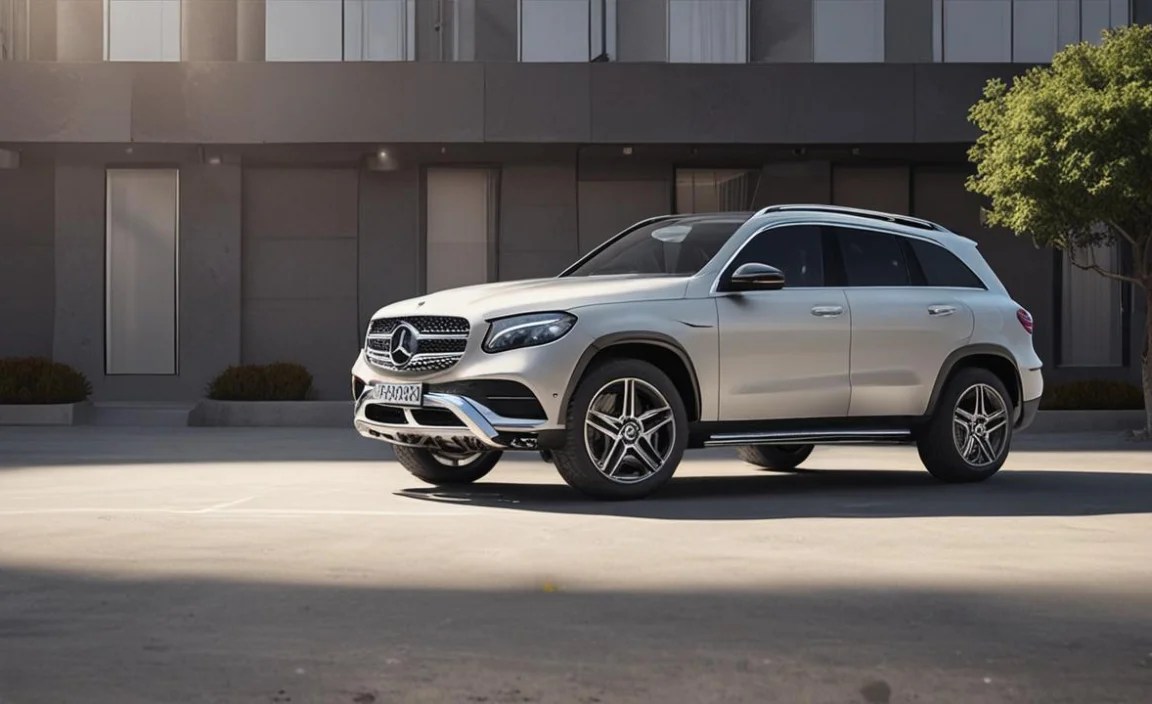
While proactive systems aim to prevent accidents, Mercedes-Benz SUVs are also engineered with robust passive safety features designed to protect occupants in the event of a collision. These features focus on absorbing impact energy and minimizing the risk of injury.
1. Advanced Body Structure
The foundation of passive safety is the vehicle’s construction. Mercedes-Benz SUVs feature a high-strength steel and aluminum body structure that is meticulously engineered to:
- Form Restraint System: The rigid passenger cell acts as a protective cage, maintaining its shape during an impact and preventing intrusion into the cabin.
- Deformation Zones: Strategically designed crumple zones at the front and rear of the vehicle are engineered to absorb and dissipate impact energy, reducing the forces transmitted to the occupants.
- Reinforced Pillars and Doors: Key structural components are reinforced to enhance protection during side impacts, rollovers, and frontal collisions.
You can find more insights into automotive structural design and crash testing from organizations like the Insurance Institute for Highway Safety (IIHS), which conducts rigorous safety evaluations.
2. Comprehensive Airbag Systems
A sophisticated network of airbags works in conjunction with the vehicle’s structure to provide a cushioning effect during an impact.
- Frontal Airbags: These deploy in frontal collisions, cushioning the driver and front passenger. Advanced systems can adjust deployment force based on the severity of the impact and the occupant’s position.
- Side Airbags: Mounted in the seats or doors, these protect the torso and pelvis in side-impact collisions.
- Window Airbags (Curtain Airbags): These extend from the roofline to cover the side windows, protecting the occupants’ heads from striking hard surfaces or being ejected during a rollover or side impact.
- Knee Airbags: Many Mercedes-Benz SUVs include knee airbags for the driver and front passenger, which help secure the lower body and prevent submarining under the dashboard during a frontal impact.
- Rear Airbags: Some models offer rear side airbags for enhanced protection of rear-seat passengers.
3. PRE-SAFE® System
Mercedes-Benz’s revolutionary PRE-SAFE® system is designed to anticipate and prepare the vehicle and its occupants for a potential collision before it happens. It works in conjunction with other safety systems to initiate protective measures:
- Pre-Collision Detection: If the system detects an imminent impact (e.g., through evasive braking by the car ahead, or if a crash is unavoidable), it activates.
- Protective Measures: PRE-SAFE® can automatically tension the seatbelts, close the windows and sunroof (if open), and adjust front seats to their most optimal position to help occupants better withstand the impact.
- PRE-SAFE® Sound: In some models, this feature can emit a specific sound that triggers a natural reflex in the ear, helping to protect hearing from the loud noise of a crash.
4. Seatbelt Pretensioners and Load Limiters
While airbags provide cushioning, seatbelts are your primary restraint. Mercedes-Benz utilizes advanced seatbelt technology:
- Pretensioners: When a collision is detected, pretensioners instantaneously tighten the seatbelts to remove slack, ensuring occupants are held firmly in their seats before the main impact force.
- Load Limiters: After the initial tightening, load limiters allow a controlled amount of seatbelt extension. This reduces the peak force exerted on the occupant’s chest, thereby lessening the risk of chest injuries.
Additional Safety Features and Technologies
Beyond the core proactive and passive systems, Mercedes-Benz SUVs offer a multitude of other features that contribute to overall safety and driver confidence. These often include:
- Advanced Lighting Systems: Features like Adaptive LED headlights adjust their beam pattern to illuminate the road more effectively without dazzling oncoming drivers. Some systems also offer cornering light functionality.
- 360-Degree Camera System: Multiple cameras provide a bird’s-eye view of the vehicle’s surroundings, invaluable for parking, maneuvering in tight spaces, and low-speed driving to detect unseen obstacles.
- Parking Assist Systems: These systems can help steer the vehicle into parking spaces, reducing the stress and potential for minor collisions.
- Night View Assist Plus: Uses an infrared camera to illuminate pedestrians and animals in the dark, displaying them on the dashboard, extending visibility beyond the headlights.
- Driver Personalization: Systems can store individual driver preferences, including seat, mirror, and steering wheel positions, ensuring optimal ergonomics and visibility for each driver.
Choosing the Right Mercedes-Benz SUV for Your Safety Needs
When selecting a Mercedes-Benz SUV, it’s helpful to understand how safety features can vary between models and trim levels. While all Mercedes-Benz SUVs adhere to the brand’s stringent safety standards, newer models and higher trims often feature the latest advancements in driver assistance technology.
Consider the following when making your choice:
Key Considerations:
- Model Year: Newer model years typically incorporate the latest safety innovations.
- Trim Levels: Higher trim levels often include more advanced driver-assistance packages as standard or as readily available options.
- Optional Packages: Be sure to review the available safety and driver-assistance option packages when configuring your desired SUV. Features like the Driver Assistance Package are highly recommended for comprehensive protection.
- Your Driving Habits: If you do a lot of highway driving, features like DISTRONIC PLUS with Steering Assist will be extremely beneficial. For city driving, systems like Active Brake Assist and the 360-degree camera are paramount.
Here’s a general overview of how safety features are typically presented across Mercedes-Benz SUV models:
| Feature Category | Commonly Found In | Typical Function |
|---|---|---|
| Core Driver Assistance | All current Mercedes-Benz SUVs | Forward Collision Warning, Adaptive Brake Assist, ATTENTION ASSIST |
| GLA, GLB, GLC, GLE, GLS, G-Class | Blind Spot Assist, Active Lane Keeping Assist | |
| GLE, GLS, and optional on others | DISTRONIC PLUS (Adaptive Cruise Control) with Steering Assist | |
| Advanced Visibility | All current Mercedes-Benz SUVs | LED Headlights, Backup Camera |
| GLE, GLS, and optional on others | 360-Degree Camera System, Active LED Headlamps, Night View Assist Plus | |
Passive Safety & Structure
Mercedes-Benz SUVs are engineered with a strong emphasis on occupant protection during collisions. Beyond advanced driver-assistance technologies, the brand invests heavily in reinforced vehicle construction, intelligent restraint systems, and impact energy management to help reduce injury risks during accidents.
The structural design of Mercedes-Benz SUVs combines high-strength steel, aluminum components, and strategically engineered crumple zones that work together to absorb collision forces while protecting the passenger compartment. This multi-layered safety philosophy is one of the key reasons Mercedes-Benz continues to rank among the world’s leading automotive safety innovators.
Reinforced Passenger Safety Cell
At the core of every Mercedes-Benz SUV is a rigid passenger safety cell designed to maintain cabin integrity during severe impacts. The structure is reinforced around critical occupant areas while designated deformation zones absorb and redirect crash energy away from passengers.
Key benefits of this design include:
- Reduced cabin intrusion during collisions
- Improved rollover protection
- Better side-impact resistance
- Enhanced structural stability during frontal impacts
This engineering approach helps create a controlled impact environment that maximizes occupant survival space.
Intelligent Crash Energy Management
Modern Mercedes-Benz SUVs use carefully engineered crumple zones to dissipate crash forces progressively during an impact. Instead of allowing energy to transfer directly into the cabin, the front and rear sections deform strategically to absorb kinetic energy.
This system helps:
- Reduce injury severity
- Lower forces transferred to occupants
- Improve airbag effectiveness
- Enhance seatbelt restraint performance
Mercedes-Benz continuously refines these systems using advanced crash simulations and real-world safety data.
Advanced Visibility and Driver Awareness Technologies
Visibility plays a major role in accident prevention, especially during nighttime driving, severe weather, or congested urban traffic. Mercedes-Benz SUVs include multiple technologies specifically designed to improve situational awareness and reduce blind spots.
Adaptive LED and MULTIBEAM LED Headlights
Modern Mercedes-Benz lighting systems automatically adapt beam patterns based on driving conditions, speed, steering angle, and surrounding traffic. These adaptive headlights help illuminate curves, intersections, and hazards more effectively while minimizing glare for other drivers.
Advanced lighting benefits include:
- Improved nighttime visibility
- Better corner illumination
- Reduced driver fatigue
- Enhanced pedestrian detection
- Safer highway driving
MULTIBEAM LED systems further improve precision by independently controlling multiple LED elements within the headlamp assembly.
360-Degree Camera and Parking Assistance
Parking large SUVs can sometimes be challenging, especially in crowded urban areas. Mercedes-Benz addresses this with advanced surround-view camera systems and intelligent parking assistance technologies.
These systems provide:
- Bird’s-eye vehicle views
- Obstacle detection
- Parking guidance assistance
- Improved low-speed maneuvering visibility
- Reduced parking collision risks
The result is greater driver confidence during tight-space maneuvering.
Night View Assist Plus
Certain higher-end Mercedes-Benz SUVs offer Night View Assist Plus, which uses infrared technology to detect pedestrians and animals beyond normal headlight range.
This system can:
- Highlight pedestrians in darkness
- Improve rural road visibility
- Increase nighttime hazard awareness
- Support safer long-distance travel
Nighttime accidents often occur because hazards become visible too late. This technology helps extend driver awareness significantly.
Mercedes-Benz PRE-SAFE® Technology Explained
PRE-SAFE® is one of Mercedes-Benz’s most innovative safety systems because it focuses on preparing occupants before a collision actually occurs. Instead of reacting only during impact, the system attempts to reduce injury risks proactively when sensors detect an unavoidable accident scenario.
How PRE-SAFE® Works
When the vehicle detects emergency braking, skidding, or imminent collision conditions, PRE-SAFE® may automatically initiate several protective actions simultaneously.
Depending on the model, the system may:
- Tighten seatbelts instantly
- Adjust seat positioning
- Close windows and sunroof
- Optimize occupant posture
- Prepare braking systems for impact
These adjustments help position occupants more safely before the collision force occurs.
PRE-SAFE® Sound Technology
Some Mercedes-Benz SUVs also feature PRE-SAFE® Sound, which emits a specific acoustic tone immediately before impact.
This sound triggers a natural human hearing reflex known as the stapedius reflex, which may help:
- Reduce hearing damage during crashes
- Minimize the effect of sudden loud impact noises
This demonstrates Mercedes-Benz’s attention to even the smallest aspects of occupant protection.
Safety Innovations in Electric Mercedes-Benz SUVs
As Mercedes-Benz expands its EQ electric SUV lineup, safety engineering continues evolving alongside new battery and electric drivetrain technologies. Electric SUVs introduce unique structural and thermal management challenges that require specialized safety solutions.
Battery Protection Systems
Electric Mercedes-Benz SUVs are engineered with reinforced battery protection structures designed to minimize damage during collisions. High-voltage systems are carefully isolated and monitored continuously for safety.
Safety measures include:
- Reinforced battery enclosures
- Automatic high-voltage disconnect systems
- Thermal management protection
- Battery impact shielding
These systems help reduce fire risks and electrical hazards following accidents.
Silent Operation and Pedestrian Awareness
Because electric SUVs operate very quietly at low speeds, Mercedes-Benz integrates pedestrian warning systems that generate artificial sounds to improve awareness for nearby pedestrians and cyclists.
This technology helps:
- Improve urban pedestrian safety
- Reduce low-speed accident risks
- Increase awareness in parking areas
As EV adoption grows, these systems are becoming increasingly important for public safety.
Why Mercedes-Benz SUVs Consistently Rank Highly in Safety
Mercedes-Benz has spent decades pioneering automotive safety innovation. Many technologies now considered standard across the industry were originally developed or heavily refined by Mercedes-Benz engineers.
The company’s safety philosophy focuses on:
- Accident prevention
- Occupant protection
- Post-collision response
- Continuous technological innovation
This commitment extends across every SUV model, from compact vehicles like the GLA and GLB to flagship luxury SUVs such as the GLS and EQS SUV.
Real-World Safety Engineering
Mercedes-Benz does not rely solely on laboratory testing. Engineers analyze:
- Real-world accident data
- Driver behavior studies
- Crash simulations
- Emergency response research
This data-driven approach allows continuous refinement of both active and passive safety systems.
A Balance of Luxury and Protection
One reason Mercedes-Benz SUVs remain so respected is their ability to combine luxury comfort with advanced safety technology seamlessly. Drivers receive:
- Premium cabin refinement
- Sophisticated driver assistance
- Strong crash protection
- Intelligent safety innovation
This balance makes Mercedes-Benz SUVs appealing to families, professionals, and long-distance travelers alike.
Conclusion
Mercedes-Benz SUVs represent some of the most advanced safety-engineered vehicles in the luxury automotive industry. Through a combination of intelligent driver-assistance technologies, reinforced structural engineering, advanced airbag systems, adaptive visibility technologies, and proactive systems like PRE-SAFE®, these SUVs are designed to help prevent accidents while maximizing occupant protection when collisions occur.
From Active Brake Assist and Blind Spot Assist to adaptive cruise control and Night View Assist Plus, Mercedes-Benz continues pushing automotive safety innovation forward. At the same time, robust passive safety systems and intelligent crash management technologies provide an additional layer of confidence for drivers and passengers alike.
Ultimately, Mercedes-Benz SUV safety is not based on a single feature but on a complete ecosystem of technologies working together to create a safer, more secure, and more confident driving experience.


