
Mercedes Actros Performance Upgrades: Ultimate Power
Unlock your Mercedes-Benz Actros’s full potential with performance upgrades designed for ultimate power. This guide covers engine tuning, exhaust systems, and air intake modifications to boost horsepower, torque, and fuel efficiency, all explained for beginners.
The Mercedes-Benz Actros is a workhorse, known for its reliability and robust engineering. But what if you’re looking for that extra edge? Perhaps you need more pulling power for demanding routes, or simply want to optimize your vehicle’s efficiency. Many Actros owners ponder how to safely and effectively enhance their truck’s performance.
It’s a common desire to squeeze more out of an already capable machine. This guide is here to demystify Mercedes Actros performance upgrades, breaking down complex modifications into easy-to-understand steps. We’ll explore the most effective ways to boost your Actros’s power and explore the benefits you can expect.
Understanding Your Mercedes-Benz Actros Engine

Before diving into upgrades, it’s crucial to have a basic understanding of your Actros’s engine. Mercedes-Benz uses advanced diesel engines, often featuring sophisticated common-rail injection systems, turbochargers, and complex electronic management.
These systems are designed for a balance of power, efficiency, and longevity. When considering performance upgrades, always remember that tampering with these intricate systems requires careful consideration to avoid compromising reliability or emissions compliance.
Engine Management Systems (ECU Tuning)

The Engine Control Unit (ECU) is the brain of your Actros’s engine. It monitors countless sensors and dictates fuel injection, turbo boost, and other vital parameters. ECU tuning, often referred to as “chipping” or “remapping,” involves altering the software within the ECU to adjust these parameters.
How ECU Tuning Works

- Increased Fuel & Boost: By optimizing the fuel-air mixture and increasing turbocharger boost pressure, the ECU can command more power.
- Adjusted Timing: Ignition and injection timing can be refined for improved combustion efficiency.
- Torque Limiter Adjustments: For applications requiring sustained power, torque limiters can be recalibrated.
Benefits of ECU Tuning
- Horsepower & Torque Gains: This is the primary reason drivers opt for ECU tuning, leading to better acceleration and easier hill climbs.
- Improved Fuel Economy: Counterintuitively, optimized tuning can sometimes lead to better fuel efficiency by ensuring more complete combustion and reducing the need to “work the engine” as hard.
- Enhanced Responsiveness: Throttle response can feel sharper and more immediate.
Considerations for ECU Tuning

It’s vital to use reputable tuning companies that specialize in commercial vehicles like the Actros. Poorly executed tunes can lead to:
- Engine Damage: Pushing components beyond their designed limits.
- Increased Emissions: Potentially failing emissions tests.
- Voided Warranty: Manufacturers may void your warranty if unauthorized modifications are detected.
Always verify that any tuning solution works within legal emissions standards. For example, the European Union has strict regulations regarding vehicle modifications to ensure environmental protection. You can find more information on vehicle emission standards from official EU resources.
Turbocharger Upgrades
The turbocharger significantly enhances engine power by forcing more air into the combustion chambers. Upgrading your turbo can provide a substantial power boost.
Types of Turbo Upgrades
- Larger Turbocharger: A larger unit can move more air at higher pressures, leading to more power.
- Hybrid Turbochargers: These combine elements of different turbo designs to optimize for both low-end response and high-RPM power.
- Variable Geometry Turbochargers (VGT): While many Actros models likely come with VGTs, ensuring yours is in optimal condition or upgrading to a more advanced VGT can be beneficial.
Installation Considerations
Replacing a turbocharger is a complex job. It requires careful disconnection and reconnection of exhaust, intake, and oil lines. Proper lubrication of the new turbocharger bearings during installation is critical to prevent premature failure. It’s often recommended that this be performed by a qualified mechanic.
Exhaust System Modifications
A well-designed exhaust system can improve engine performance by reducing backpressure and allowing the engine to “breathe” more freely.
Performance Exhaust Components

- Performance Downpipe: The section directly after the turbocharger. A larger diameter, smoother flowing downpipe can reduce exhaust gas restriction.
- Performance Diesel Particulate Filter (DPF) or Cat-Back System: While DPFs are critical for emissions, some performance-oriented systems aim to optimize flow while still meeting legal requirements. Always ensure compliance with local regulations regarding DPF removal or modification.
- Performance Muffler: Designed to reduce backpressure while potentially altering the exhaust note.
Impact on Performance
Reduced backpressure means the turbo can spool up faster, and the engine doesn’t have to work as hard to expel exhaust gases. This can lead to small but noticeable gains in horsepower and torque, alongside potentially better fuel economy.
Emissions Compliance
“Removing” or “gutting” a DPF is illegal in most regions due to environmental regulations. Performance exhaust systems should aim to improve flow without compromising emissions control. For a deeper understanding of emission control systems in vehicles, resources from environmental protection agencies can be invaluable.
Air Intake System Enhancements
Just as important as getting exhaust gases out is getting fresh, cool air in. An improved air intake system can feed your Actros’s engine more air, allowing for more efficient combustion.
High-Flow Air Filters
- Reusable Air Filters: Made from materials like cotton gauze or synthetic fibers, these offer less restriction than standard paper filters and can be cleaned and reused, offering long-term savings.
- Specialized Intake Systems: These often include a larger, conical air filter and a heat shield to draw cooler air from outside the engine bay.
Cold Air Intake (CAI) Benefits
Cooler, denser air contains more oxygen. More oxygen allows for more fuel to be burned efficiently, resulting in increased power. A well-designed CAI can also slightly improve throttle response.
Installation Tips
Installing a new air filter is usually a straightforward DIY task. For full intake systems, ensure proper sealing to prevent hot engine bay air from being drawn in. Some systems may require minor modifications to existing pipework.
Fuel System Optimization

The fuel system delivers the precise amount of fuel to the engine. Enhancements here can further unlock performance.
Upgraded Fuel Injectors
For significant power gains, especially when combined with ECU tuning and turbo upgrades, higher-flow fuel injectors may be necessary. These can deliver more fuel per pulse, supporting higher horsepower figures. However, this is a more advanced modification that requires careful matching with the ECU tune and other hardware to avoid damaging the engine or exhaust system.
Fuel Pump Upgrades
In some extreme performance builds, an upgraded high-pressure fuel pump might be required to keep up with the demands of modified injectors and increased boost pressures. This is typically reserved for highly customized engines.
Intercooler Improvements
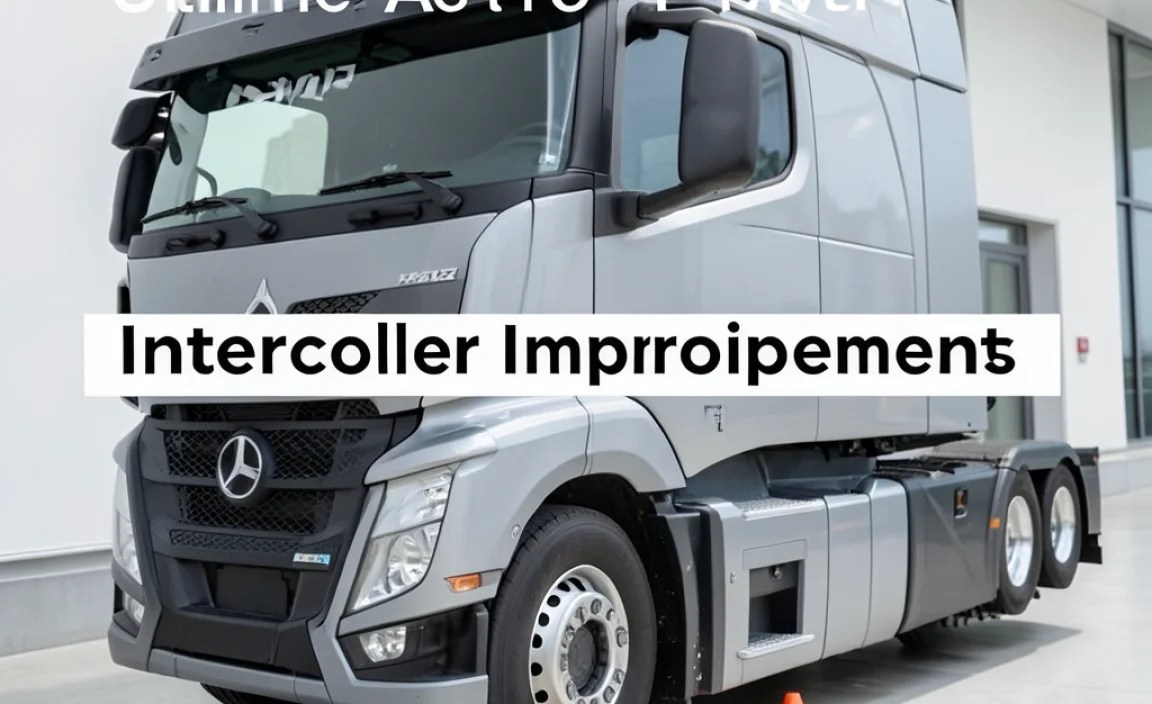
The intercooler cools the compressed air from the turbocharger before it enters the engine. Cooler air is denser, meaning more oxygen.
Why Upgrade Your Intercooler?
- Increased Air Density: A more efficient intercooler lowers the intake air temperature significantly more than a stock unit.
- Reduced Risk of Knocking: Cooler air reduces the likelihood of premature detonation, allowing for more aggressive tuning.
- Consistent Power: Larger, more efficient intercoolers can maintain cooler temperatures under sustained load, preventing power loss on long pulls or hot days.
Upgrading to a Larger or More Efficient Intercooler
This involves replacing the existing intercooler with a larger unit or one with a more efficient fin design. Installation can range from straightforward bolt-on to requiring custom fabrication, depending on the availability of aftermarket parts for your specific Actros model.
Gearbox and Drivetrain Considerations

More power is only useful if the drivetrain can handle it and transmit it effectively to the wheels.
Reinforced Drivetrain Components
For significant power increases, especially in heavy-duty applications, the gearbox, clutch, and axles might need upgrading to handle the increased torque. This is a substantial investment and typically considered in competition or heavily modified trucks.
Performance Clutch
A heavier-duty clutch can be necessary to prevent slippage when transferring increased torque to the wheels, especially with manual transmissions. Automatic transmissions, like Mercedes’ own advanced systems, often have sophisticated torque converters that are generally robust, but it’s always worth consulting specialists for high-power applications.
Table: Common Mercedes Actros Performance Upgrades & Their Impact

| Upgrade Type | Primary Benefit | Typical Horsepower Increase | Torque Increase | Complexity | Cost Range (Estimate) |
|---|---|---|---|---|---|
| ECU Tuning (Remapping) | Power, Torque, Fuel Efficiency | +10-25% | +15-30% | Moderate (Software) | $$ – $$$ |
| High-Flow Air Filter | Minor Power/Responsiveness | +1-3% | +1-2% | Easy (DIY) | $ |
| Performance Exhaust (Downpipe/Cat-back) | Power, Torque, Reduced Backpressure | +3-7% | +3-5% | Moderate | $$ – $$$ |
| Larger Intercooler | Consistent Power, Improved Efficiency | +2-5% | +2-5% | Moderate to Hard | $$$ – $$$$ |
| Turbocharger Upgrade | Significant Power & Torque | +20-50%+ | +25-60%+ | Hard | $$$$$ |
Note: Horsepower and torque increases are approximate and depend heavily on the specific Actros model, engine variant, and the quality of the upgrade. Costs are relative; actual prices vary by manufacturer and region.
Choosing the Right Upgrades for Your Needs

Not every upgrade is suitable for every Actros or every operator. Consider what you want to achieve:
For Increased Fuel Efficiency
- Focus on ECU tuning to optimize combustion and potentially reduce engine load.
- Ensure air intake and exhaust systems are free of restrictions.
- Proper tire inflation and aerodynamic aids are also crucial.
For Enhanced Hauling Power
- ECU tuning for increased torque is paramount.
- Consider turbocharger upgrades and improved intercooling for sustained power delivery.
- Ensure your drivetrain (clutch, gearbox) can handle the extra load.
For Improved On-Road Performance & Responsiveness
- ECU tuning can sharpen throttle response.
- A free-flowing exhaust and cold air intake can contribute.
- Aggressive tuning might prioritize higher RPM power, which may not be ideal for heavy hauling.
Maintaining Performance After Upgrades
Once you’ve invested in upgrades, proper maintenance is more critical than ever.
- Regular Oil & Filter Changes: Use high-quality oils and filters. Increased power means increased stress on engine components.
- Check for Leaks: Inspect intake and exhaust systems for leaks after modifications.
- Monitor EGTs (Exhaust Gas Temperatures): If your Actros is equipped, or if you install a sensor, monitoring EGTs is vital, especially after tuning, to prevent overheating.
- Listen to Your Engine: Pay attention to any unusual noises or behaviors.
For detailed maintenance schedules specific to your Mercedes-Benz Actros model, always refer to the official owner’s manual and consider consulting a Mercedes-Benz certified technician. Understanding the recommended service intervals and procedures is key, as stated by Mercedes‑Benz itself on their service information pages.
FAQs: Mercedes Actros Performance Upgrades
Q1: Can I get more horsepower and torque from my Mercedes Actros?
Yes, absolutely. Performance upgrades like ECU tuning, turbo enhancements, and exhaust system modifications can significantly increase both horsepower and torque. The extent of the increase depends on the specific upgrades chosen and your Actros model.
Q2: Will performance upgrades affect my fuel economy?
This is a common question with varied answers. While aggressive tuning focused purely on maximum power might reduce fuel economy, many performance upgrades, particularly optimized ECU tunes, can actually improve fuel efficiency by making combustion more complete and reducing engine strain. A well-flowing exhaust and intake can also help.
Q3: Are performance upgrades for the Mercedes Actros legal?
This depends heavily on your region and the specific modifications. Many performance upgrades, like ECU remapping and exhaust system changes, must comply with local emissions and noise regulations. Removing or tampering with emissions control devices like Diesel Particulate Filters (DPFs) is generally illegal and environmentally harmful.
Q4: Will performance upgrades void my Mercedes-Benz warranty?
It’s highly likely that unauthorized performance modifications, especially ECU tuning, could void your manufacturer’s warranty, or at least the warranty for those specific affected components. Always consult your warranty terms and conditions or your dealership before undertaking significant upgrades.
Q5: What is the most straightforward performance upgrade for an Actros?
A high-flow replacement air filter is usually the easiest and most accessible upgrade. It requires no special tools and can offer a very minor improvement in engine responsiveness. ECU tuning is also relatively straightforward from a mechanical installation perspective, but requires specialized knowledge for safe execution.
Q6: How do I ensure my performance upgrades are safe for my Actros?
Always choose reputable tuning specialists and reputable aftermarket parts manufacturers. Ensure that any tuning is performed by professionals who understand the Actros engine and drivetrain thoroughly. They should be able to demonstrate that their tunes are safe within the mechanical limits of the truck and compliant with emissions standards. Never compromise on the quality of parts or expertise.
Q7: Do I need to upgrade other components if I increase engine power?
Yes, if you’re planning very significant power increases (e.g., 30% or more), it’s wise to consider the drivetrain. This could include a stronger clutch (for manual transmissions), and ensuring the gearbox and axles are up to the task. A more efficient intercooler is also often recommended to keep intake temperatures down under increased load.
Expert Considerations for Mercedes Actros Tuning
When embarking on performance upgrades for your Mercedes-Benz Actros, there are a few expert considerations that can make a significant difference:
- Know Your Specific Actros Model: Engine variants, transmission types, and even the year of manufacture can significantly impact what upgrades are available and how they perform. The Mercedes-Benz Actros range is vast, featuring engines like the OM471, OM470, and OM936, each with unique characteristics.
- Data Logging and Dyno Testing: For serious tuning, using a reputable dyno facility is invaluable. A dynamometer (“dyno”) allows for precise measurement of power and torque before and after upgrades, and enables technicians to fine-tune the ECU software under controlled conditions. Data logging during real-world operation is also crucial for monitoring engine health and performance.
- Emissions Compliance First: As Bryan Bowman, I always stress that the enjoyment of enhanced performance should never come at the cost of environmental responsibility. Always inquire about the emissions compliance of any tuning or hardware modifications. In Europe, for instance, the adherence to Euro VI emission standards is a critical factor. Resources from bodies like the European Environment Agency provide context on these crucial regulations.
- Professional Installation: While some upgrades are DIY-friendly, complex tasks like turbocharger replacement or intercooler fitting are best left to experienced mechanics familiar with Mercedes-Benz commercial vehicles. Incorrect installation can lead to costly damage or premature component failure.
- Integrated Approach: The most effective performance enhancements come from an integrated approach. For example, simply tuning the ECU for more power without considering exhaust flow or engine cooling can lead to issues. Ideally, upgrades should complement each other for optimal results and reliability.
Conclusion
Elevating the performance of your Mercedes-Benz Actros is an exciting prospect, offering enhanced efficiency, greater power for demanding tasks, and a more responsive driving experience. From the foundational ECU tuning to more complex hardware changes like exhaust and intercooler upgrades, numerous avenues exist to unlock your truck’s ultimate power potential.
By understanding the principles behind these modifications, choosing reputable providers, and prioritizing meticulous maintenance, you can confidently enhance your Actros. Remember, the goal is not just more power, but smarter, more efficient power that respects the exceptional engineering of your Mercedes-Benz.


