
SLK 200 R171 Brake Upgrades: Ultimate Performance
SLK 200 R171 brake upgrades can significantly boost stopping power and driver confidence. Enhancing your braking system with better pads, rotors, or even a full big brake kit provides superior performance and safety for spirited driving and everyday commutes. This guide breaks down the best options for your R171 SLK 200.
The Mercedes-Benz SLK 200 R171 is a fantastic sportster, known for its engaging driving dynamics and retractable hardtop convenience. However, like many performance cars, the stock braking system, while adequate for everyday driving, can sometimes feel a bit strained when you push the limits or drive it hard. Upgrading your brakes isn’t just for track enthusiasts; it’s a smart move for anyone who values enhanced safety and a more confident drive. If you’ve ever felt your SLK 200 R171 brakes fade on a spirited run or wished for a more immediate bite, you’re not alone. This guide will walk you through the best ways to upgrade your SLK 200 R171 brakes, from simple pad swaps to a full big brake kit installation. We’ll cover what to look for, popular options, and how these changes can transform your driving experience.
Why Upgrade Your SLK 200 R171 Brakes?

Upgrading the braking system on your SLK 200 R171 offers several compelling advantages. It’s not just about stopping quicker; it’s about a more robust, reliable, and confidence-inspiring performance from your Mercedes.
The primary drivers for brake upgrades typically fall into a few key categories, all aiming to improve the driving experience and safety of your SLK 200 R171.
- Improved Stopping Distance: This is the most obvious benefit. Better brake components can shorten the distance it takes to bring your car to a halt, which is crucial for safety, especially during emergency situations or when driving enthusiastically.
- Enhanced Fade Resistance: Stock brakes can be prone to “brake fade” under heavy use, such as during repeated hard braking on winding roads or spirited driving. This is when the brakes lose effectiveness due to overheating. Performance upgrades dissipate heat more effectively, maintaining consistent stopping power.
- Better Pedal Feel: Upgraded components, especially performance brake lines and higher-quality pads, often provide a firmer, more responsive pedal feel. This allows for finer modulation of braking force and increases driver confidence.
- Increased Durability: Performance brake parts are often designed with harder-wearing materials, meaning they can last longer under demanding conditions compared to standard OEM components.
- Aesthetic Appeal: Many aftermarket brake systems, particularly those with larger rotors and distinct calipers, can significantly enhance the visual appeal of your SLK 200 R171, especially with custom wheels.
Understanding Your SLK 200 R171’s Stock Braking System

Before diving into upgrades, it’s helpful to understand what your R171 SLK 200 came with from the factory. The standard braking setup is designed to meet regulatory requirements and provide adequate performance for typical driving conditions. For the R171 generation, particularly the SLK 200 Kompressor, Mercedes-Benz typically employed cast-iron brake discs combined with single-piston calipers as standard.
The ABS (Anti-lock Braking System) and ESP (Electronic Stability Program) are sophisticated safety nets that work in conjunction with your brakes. While these systems are excellent, they rely on the physical braking hardware to function effectively. Upgrading the performance of that hardware can help these systems work even better.
A typical R171 SLK 200 (depending on model year and specific options) might feature:
- Front Rotors: Typically vented discs, around 288mm to 300mm in diameter.
- Rear Rotors: Solid discs, usually smaller than the front.
- Calipers: Often single-piston floating calipers.
- Brake Pads: Standard organic or semi-metallic compounds designed for longevity and quiet operation.
While these components serve their purpose reliably for everyday driving, owners seeking a more dynamic driving experience often find them wanting when the pace picks up. This is where the aftermarket comes in, offering a range of solutions tailored to different performance needs and budgets.
Common SLK 200 R171 Brake Upgrade Paths

There are several popular routes to take when upgrading your SLK 200 R171 brakes, ranging from simple, cost-effective changes to more comprehensive and performance-oriented systems.
1. Performance Brake Pads
Replacing your stock brake pads with high-performance aftermarket equivalents is often the first and most accessible upgrade. Performance pads are formulated with different materials that offer improved friction coefficients, higher temperature resistance, and better bite. This translates to quicker stopping power and reduced fade under spirited driving.
Choosing the Right Pads:
- Street Performance: These pads offer a noticeable improvement over stock without sacrificing daily drivability. They provide better initial bite, increased fade resistance, and are generally quiet with manageable dust. Examples include pads from EBC (Redstuff, Yellowstuff), Hawk (HPS), and Brembo.
- Track/Race: For those who plan on track days, specific track pads offer extreme temperature resistance and ultimate stopping power. However, they often come with compromises like increased noise, dust, and rotor wear, and can be too aggressive for daily use.
Pros:
- Relatively inexpensive.
- Easy DIY installation for many.
- Significant improvement in pedal feel and initial bite.
- Good for addressing mild brake fade.
Cons:
- Can produce more dust depending on the compound.
- Some aggressive compounds can be noisy.
- Rotor life might be slightly reduced with aggressive compounds.
2. Performance Brake Rotors
While brake pads do most of the work, upgraded rotors play a vital role in heat dissipation and overall braking performance. Replacing your OEM rotors with performance variants can further enhance your braking system’s capabilities.
Types of Performance Rotors:
- Slotted Rotors: These have grooves machined into the rotor surface. Slotted rotors help to sweep away dust and gases generated by the brake pads, preventing them from building up between the pad and rotor surface. This maintains consistent contact and improves braking in wet conditions.
- Drilled/Dimpled Rotors: These have holes drilled or dimples machined into the rotor. Similar to slots, they help vent gases and heat. Drilled rotors offer a more aggressive look but can sometimes be more prone to cracking under heavy race conditions compared to slotted or plain performance rotors.
- Two-Piece/Floating Rotors: Often found on higher-end performance vehicles, these rotors consist of a friction ring attached to a hub assembly, typically made of aluminum. They offer significant weight savings and better heat management due to thermal decoupling between the friction surface and the hub, allowing for expansion without warping.
Pros:
- Improved heat dissipation.
- Better wet weather performance (slotted/drilled).
- Enhanced aesthetics.
- Weight reduction with two-piece designs.
Cons:
- More expensive than standard rotors.
- Drilled rotors can be susceptible to cracking under extreme stress.
- Can sometimes introduce more noise.
3. Stainless Steel Braided Brake Lines
Your brake lines are crucial for transmitting hydraulic pressure from the master cylinder to the calipers. Standard rubber brake lines can expand slightly under pressure and heat, leading to a softer, less precise brake pedal feel.
Stainless steel braided brake lines consist of a Teflon inner hose reinforced with a braided layer of stainless steel. This construction makes them much more rigid, eliminating pedal flex and providing a firmer, more consistent pedal feel. This upgrade is particularly noticeable during hard braking and is highly recommended for any performance-oriented upgrade.
You can learn more about brake line technology and testing from the National Highway Traffic Safety Administration (NHTSA), which provides extensive information on automotive safety components.
Pros:
- Significantly firmer and more responsive brake pedal.
- Improved braking precision and modulation.
- Durable and resistant to abrasion/corrosion.
- Relatively affordable and a good DIY job for those comfortable with brake bleeding.
Cons:
- Requires bleeding the brake system, which can be a messy job if not done carefully.
- If not installed correctly, leaks can occur.
4. Big Brake Kits (BBKs)
For the ultimate in SLK 200 R171 brake performance, a Big Brake Kit (BBK) is the way to go. These kits replace your factory calipers, rotors, and often include new lines and mounting hardware, effectively upgrading your entire braking system to a much higher performance standard.
What’s in a BBK?
- Larger Rotors: Significantly larger diameter and often thicker, providing more surface area for heat dissipation and leverage.
- Multi-Piston Calipers: Typically 4-piston, 6-piston, or even 8-piston calipers. More pistons distribute braking force more evenly, reduce pad knock-back, and provide a superior clamping force.
- Performance Brake Pads: Usually come with dedicated performance pads.
- Braided Brake Lines: Included to match the system’s increased performance.
- Mounting Brackets: Custom brackets to adapt the larger calipers to your SLK’s suspension.
Popular manufacturers of BBKs include Brembo, StopTech, AP Racing, Wilwood, and others. Many companies offer kits specifically designed for various Mercedes-Benz models, including the R171 SLK.
Pros:
- Maximum stopping power and fade resistance.
- Superior pedal feel and modulation.
- Drastic improvement in performance for aggressive driving and track use.
- Significant aesthetic upgrade.
Cons:
- Most expensive upgrade option.
- Can be heavier than stock systems (though high-end kits use lightweight materials).
- Installation can be complex and often requires professional help.
- May require larger wheels to clear the calipers.
- Potential for increased noise and dust if street-focused pads aren’t chosen.
Choosing the Right Upgrade for Your SLK 200 R171

The best brake upgrade for your SLK 200 R171 depends on your driving style, budget, and performance goals.
Here’s a quick guide to help you decide:
- Daily Driver with Occasional Spirited Driving: Start with performance pads for the front wheels and consider stainless steel braided brake lines for a firmer pedal. If you still want more, look at high-quality slotted or dimpled rotors to complement the pads.
- Enthusiast/Targeting Canyon Roads: A combination of performance pads (front and rear), slotted or high-performance plain rotors, and braided brake lines will offer a significant improvement.
- Track Day Enthusiast: A full Big Brake Kit is the most recommended option. Ensure it’s paired with appropriate high-temperature brake fluid and potentially track-focused pads.
It’s also important to consider the synergy between components. For instance, installing aggressive track pads on stock rotors might lead to premature rotor wear or overheating. Similarly, a BBK won’t perform optimally if paired with old, degraded rubber brake lines.
Installation Considerations
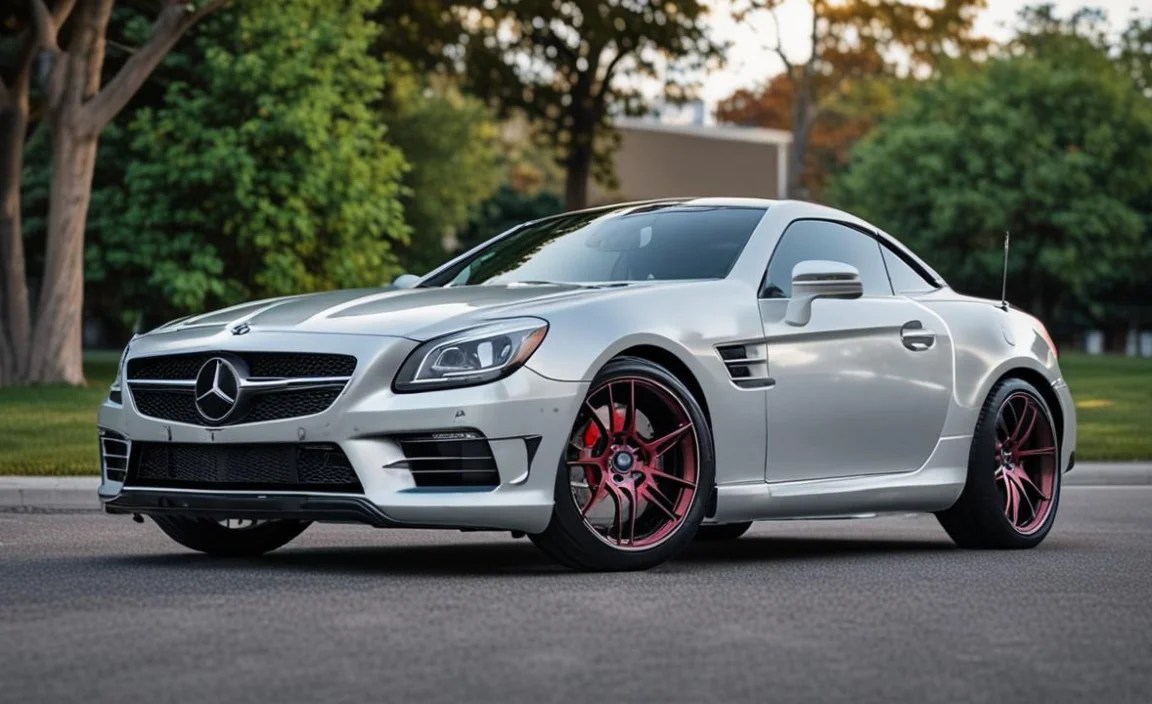
While some brake upgrades, like pads, can be a straightforward DIY project for those with mechanical aptitude, more complex upgrades like BBKs often warrant professional installation.
Key steps and considerations for any brake upgrade include:
- Safety First: Always ensure the vehicle is safely supported on jack stands, never relying solely on a jack. Disconnect the battery if you’re working extensively on the braking system.
- Cleanliness: Keep all components clean during installation. Brake dust and dirt can compromise performance.
- Torque Specifications: Adhere strictly to manufacturer torque specifications for all fasteners, especially caliper mounting bolts and lug nuts.
- Brake Fluid: If you’re replacing lines or calipers, or simply want the best performance, flushing and replacing your brake fluid with a high-quality DOT 4 or DOT 5.1 fluid is essential. Refer to your owner’s manual for the correct type. You can find excellent guides on brake fluid types and their properties from automotive engineering resources.
- Bleeding the Brakes: After any component replacement that opens the hydraulic system, proper bleeding is crucial to remove all air bubbles. This ensures proper pedal feel and braking function.
- Bedding-In New Pads/Rotors: Most performance brake pads and rotors require a “bedding-in” procedure to transfer a uniform layer of pad material to the rotor surface. This process is critical for achieving optimal performance and longevity. Follow the manufacturer’s specific instructions for bedding your new components.
Consulting a factory service manual or professional mechanic is always a good idea if you’re unsure about any aspect of the installation process.
Popular SLK 200 R171 Brake Upgrade Components and Brands
Several reputable brands offer high-quality brake components suitable for the Mercedes-Benz SLK 200 R171.
| Component Type | Reputable Brands | Key Benefits |
|---|---|---|
| Performance Brake Pads | EBC, Hawk, Brembo, Ferodo, Performance Friction | Improved stopping power, fade resistance, bite. |
| Performance Rotors | StopTech, DBA (Disc Brakes Australia), EBC, Brembo, Zimmermann | Better heat dissipation, aesthetics, gas/dust clearing. |
| Stainless Steel Braided Lines | Goodridge, StopTech, Earl’s Performance Plumbing, Power Stop | Firmer pedal feel, improved modulation, durability. |
| Big Brake Kits (BBKs) | Brembo, StopTech, AP Racing, Wilwood, K-Sport | Maximum performance, ultimate fade resistance, enhanced aesthetics. |
| Brake Fluid | Motul, Castrol, ATE, Pentosin | Higher boiling point, better resistance to fade, optimal system performance. |
When selecting components, consider brands known for their OEM and motorsport heritage. For a Mercedes-Benz, brands like Brembo and StopTech often offer direct-fit solutions or kits specifically engineered for Mercedes platforms, ensuring proper fitment and performance integration.
Frequently Asked Questions (FAQ)
Q1: How much do SLK 200 R171 brake upgrades typically cost?
The cost can vary widely. Performance brake pads might start around $150-$300 per axle. Slotted rotors can range from $300-$800 per axle. A set of stainless steel braided brake lines might cost $100-$250. Full Big Brake Kits can range from $1,500 to $5,000 or more, depending on the brand and the number of pistons.
Q2: Will upgrading my brakes affect my ABS or ESP systems?
No, upgrading your physical brake components will not negatively affect your ABS or ESP systems. In fact, by improving the braking hardware’s performance, you are providing these advanced safety systems with a more capable foundation to operate from, potentially enhancing their effectiveness.
Q3: Do I need to upgrade all four brakes, or can I just do the front?
For a balanced braking system, it’s generally recommended to upgrade both front and rear brakes if you’re doing a significant overhaul. However, for milder upgrades like performance pads or rotors, focusing on the front axle, which handles the majority of braking force, will yield the most noticeable improvement in stopping power. If you are installing a BBK, it will typically come as a complete front or front/rear kit.
Q4: How long do performance brake pads last compared to stock?
This depends heavily on the compound and driving style. High-performance street pads might last as long as or slightly less than OEM pads if driven gently, but will wear faster under aggressive use. Track-focused pads will wear out significantly faster but offer superior performance.
Q5: Can I use different brands for my brake pads and rotors?
Yes, you can mix and match brands, but it’s generally best to use components designed to work together. For example, some pad manufacturers specify which types of rotors their pads perform best with. The most important thing is to ensure compatibility and to follow the bedding-in procedures recommended by the pad manufacturer.
Q6: Do I need to change my brake fluid during an upgrade?
If you’re opening up the hydraulic lines or replacing calipers, you absolutely must


